Big zits change your whole mood.
They hurt when you talk. They catch light under makeup. They feel like pressure under the skin. They also create the strongest urge to squeeze, which is usually the exact move that makes the swelling, mark, and healing time worse.
A large pimple needs a calmer plan than a tiny whitehead. Sometimes it is an inflamed acne nodule. Sometimes it is a cyst-like lesion. Sometimes it is a boil or another infection-like bump that should not be handled at home. The first job is to avoid turning one painful spot into a bigger injury.
Quick answer
For big zits, do not squeeze, lance, dig, or press until the skin bruises. Use a warm compress for comfort, keep the routine gentle, use one acne-treatment lane if tolerated, and protect the skin barrier. See a dermatologist or clinician if the bump is very painful, rapidly growing, hot, spreading, draining, near the eye, recurrent, scarring, or not improving.
What people mean by big zits
"Big zit" can describe several things:
- a large inflamed pimple
- a deep under-the-skin bump
- a nodule
- a cyst-like acne lesion
- a swollen pustule
- a boil
- an inflamed epidermoid cyst
These are not all treated the same way. A surface pustule may settle with acne care and protection from picking. A deep painful lump may need a dermatologist. A hot, spreading, draining bump may need urgent medical advice.
Size is a clue, but behavior matters more.
Why big zits hurt
Large pimples hurt because inflammation creates pressure in the skin. The deeper the inflammation, the more tender the area can feel. The skin may be red, swollen, firm, or sore when touched.
Pain is a warning to be gentle. It is not a sign to press harder.
If pain is severe, if redness spreads, if the area feels warm, or if you feel unwell, get medical care. That can be more than routine acne.
Do not squeeze a deep bump
Squeezing a big zit can:
- drive inflammation deeper
- tear the skin
- introduce bacteria
- cause bruising
- create a scab
- leave a longer-lasting mark
- raise scarring risk
If the bump has no obvious surface opening, squeezing usually does not empty it. You are pushing on swollen tissue. Even if something comes out, the injury may be worse than the original pimple.
For pus-specific guidance, see pimple pus.
What to do on day one
Keep it simple.
- Wash with a gentle cleanser.
- Apply a warm compress for 10 to 15 minutes.
- Use moisturizer.
- Use sunscreen in the morning.
- Avoid touching it.
Warm compresses are not magic. They can make the bump more comfortable and may help the spot move through its natural course. Use warmth, not heat. Burning your skin is a second injury.
Spot treatments have limits
Spot treatments work best on small surface-level acne. Big zits, especially deep ones, may not respond quickly because the inflammation is below the surface.
That does not mean acne ingredients are useless. It means expectations need to be realistic.
Salicylic acid can support clogged pores. Dr. Dennis Gross 2% Salicylic Acid Gel is one targeted option.
Benzoyl peroxide can help inflammatory acne for many people, but it can be drying and can bleach fabric.
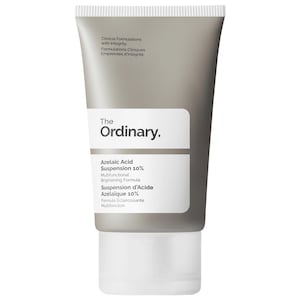
Azelaic acid can support blemish-prone redness and post-breakout marks. The Ordinary Azelaic Acid is one example.
Do not stack all of them on one angry bump.
Hydrocolloid patches can help in one way
Pimple patches can protect a spot from your fingers. That alone is useful.
For a deep big zit with no opening, a hydrocolloid patch usually will not pull the bump out. For a surface spot that has opened or is draining lightly, a patch may absorb fluid and reduce picking.
Do not trap harsh actives under a patch unless the product is designed for that. If the bump gets more painful, warm, swollen, or irritated under the patch, remove it.
Makeup and large pimples
Covering a large pimple can be hard because texture still shows. Heavy layers often make it look more obvious.
Try:
- moisturize first
- use thin layers
- avoid pressing hard
- keep makeup out of open skin
- clean brushes and sponges
- remove makeup gently at night
If the spot is flaky from treatment, more concealer usually makes it worse. Let the skin calm, then use less product.
When a dermatologist can help fast
Dermatologists have options that are not safe to recreate at home. For a painful acne nodule, they may discuss an in-office treatment or prescription plan depending on the lesion and your history.
This can be especially useful if big zits are recurring, painful, scarring, or appearing before events. Do not attempt bathroom surgery with needles or extraction tools. A sterile clinical procedure is not the same as poking a swollen bump at home.
What to do before an event
Big zits often feel worst when something important is coming up. The pressure to fix it fast is exactly what leads to squeezing, over-drying, and scabbing.
If the event is soon, keep the goal modest:
- reduce swelling
- avoid broken skin
- keep makeup from caking
- prevent a larger mark
- get professional help if the bump is deep and painful
Use warm compresses, a gentle routine, and thin makeup layers if needed. If you have access to a dermatologist, ask whether an appointment makes sense. Do not try to copy medical procedures at home.
The mark after the big zit
Large inflamed bumps often leave a red, purple, brown, or dark mark after the swelling settles. That mark is not always a scar, but it can last longer when the spot was picked, squeezed, or repeatedly dried out.
Sunscreen helps exposed marks. So does avoiding repeat trauma. Ingredients like azelaic acid may support blemish-prone redness and post-breakout tone for some people, but they should not be applied to open or raw skin.
If a big zit leaves a dent, raised scar, or repeated marks in the same area, bring that to a dermatologist. Scarring changes the urgency of acne care.
Why repeat location matters
A big zit that always returns to the same place deserves attention. Sometimes the area is repeatedly clogged or irritated. Sometimes shaving, a mask edge, a phone, or a product habit keeps hitting the same spot. Sometimes a recurring inflamed cyst-like bump needs a clinician.
Do not keep squeezing the same location every month. Track the recurrence and take photos when it is active and when it calms. That history helps a dermatologist decide whether this is acne, an inflamed cyst, or another pattern.
Repeat location is also useful for spotting contact triggers, like a helmet strap, mask edge, shaving line, or phone corner.
If big zits keep coming back
Recurring large pimples need prevention, not just emergency spot care.
Track:
- location
- timing
- menstrual cycle pattern if relevant
- shaving or waxing
- products started
- workouts and sweat
- sleep and stress changes
- whether marks or dents remain
Use Glass to keep the record simple. A dermatologist can use "three painful chin nodules every month" more easily than "my skin is always bad."
Prescription lanes to discuss
Depending on severity, a clinician may discuss:
- topical retinoids
- benzoyl peroxide combinations
- topical antibiotics paired appropriately
- oral antibiotics for certain cases
- hormonal options for some patients
- isotretinoin for severe or scarring acne
- evaluation for non-acne causes
If someone mentions Duac or Aklief, treat those as clinician-directed lanes, not casual shopping recommendations.
When a big zit may not be acne
Be cautious if the bump is:
- extremely painful
- hot to the touch
- rapidly enlarging
- draining a lot of pus
- associated with fever
- recurring in skin folds
- leaving tunnels or scars
- on the nose, ear, or near the eye
Boils, abscesses, inflamed cysts, and other skin conditions can look pimple-like. Medical care is the safer move when the behavior is intense or unusual.
Red flags
Seek medical care if:
- redness spreads
- pain is severe
- the area is warm or swollen
- fever occurs
- red streaking appears
- the bump is near the eye and worsening
- pus drainage continues
- the bump keeps growing
- it leaves scars
- big zits recur often
- you feel tempted to cut or lance it
You do not need to wait until it becomes an emergency.
A calm 2026 plan
For big zits:
- Do not squeeze.
- Use a warm compress.
- Keep skincare simple.
- Use one treatment lane.
- Moisturize enough to avoid cracking and peeling.
- Protect with sunscreen.
- Track recurrence.
- See a clinician if painful, scarring, spreading, hot, draining, or persistent.
The most mature acne move is often leaving the spot alone and escalating appropriately. Your skin heals better when you stop adding trauma.