An under the skin pimple is the one you feel before you see.
It starts as pressure. Then tenderness. Then a raised area that refuses to come to a head no matter how many times you check the mirror. This is the kind of pimple people most want to squeeze, and it is also the kind most likely to punish squeezing with swelling, bruising, a longer healing time, or a mark that lingers.
Deep pimples need patience. They also need a different plan than a tiny whitehead.
Quick answer
For an under the skin pimple, do not force it open. Use a warm compress for comfort, keep the routine gentle, avoid stacking harsh actives, and consider acne treatments that reduce future inflammation rather than expecting an instant surface fix. If the bump is very painful, rapidly enlarging, recurrent, scarring, or not improving, see a dermatologist.
Deep acne can require prescription treatment. The American Academy of Dermatology includes topical retinoids, benzoyl peroxide combinations, oral medications, hormonal options for some patients, and isotretinoin for severe acne depending on the case.
What an under the skin pimple is
People use this phrase for a few things:
- A deep inflamed acne papule.
- A nodule.
- A cyst-like acne lesion.
- An inflamed clogged pore before it reaches the surface.
- Sometimes something that is not acne, such as an inflamed cyst or infection.
The shared feature is depth. The inflammation is below the surface, so there may be no obvious whitehead to extract. That is why squeezing often fails. You are pressing on swollen tissue, not emptying a ready pore.
Why deep pimples hurt
Deep pimples hurt because inflammation builds pressure in the skin. The surrounding tissue gets swollen and tender. The spot may feel firm, hot, or sore when you talk, chew, shave, or wash your face.
Pain is a sign to be careful. It is not a sign to push harder.
If pain is severe, if redness spreads, if the area feels hot, or if you feel unwell, get medical care. An infection or another inflamed lesion can mimic acne, and waiting too long can make problems worse.
What to do in the first day
Keep it simple.
- Wash with a gentle cleanser.
- Apply a warm compress for 10 to 15 minutes.
- Use a light moisturizer.
- Use sunscreen in the morning.
- Leave the bump alone.
A warm compress will not magically remove the pimple. It can ease discomfort and sometimes help the lesion move through its natural course. Use warmth, not heat. Burning the skin creates a second problem.
What not to do
Do not lance it at home.
Do not dig with tweezers or needles.
Do not squeeze until the skin bruises.
Do not cover it with five spot treatments.
Do not scrub because it feels buried.
Do not put toothpaste on it.
These moves can increase inflammation, introduce infection, and raise the risk of post-breakout marks or scars. Deep pimples already carry more scarring risk than tiny clogged pores, so the goal is to lower trauma, not add more.
Which treatments make sense
Spot treatments have limits on deep pimples. A product applied on top of the skin cannot always reach deep inflammation quickly. Still, acne treatments can help the current area calm and reduce future lesions.
Benzoyl peroxide can help inflamed acne. It can be drying, so use it carefully and protect fabrics.
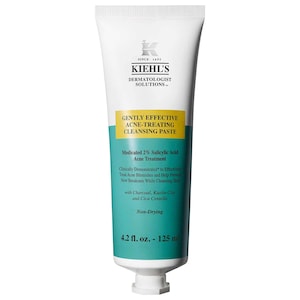
Salicylic acid can help clogged pores but is not always enough for a deep nodule. Dr. Dennis Gross 2% Salicylic Acid Acne Treatment Gel is a targeted example.
Azelaic acid can support blemish-prone skin and redness. The Ordinary Azelaic Acid Suspension 10% is one option.
Topical retinoids are more prevention than emergency rescue. They can reduce future clogged pores when used consistently.
When a dermatologist can help quickly
Dermatologists have options that bathroom cabinets do not. For a painful acne nodule, a dermatologist may consider an in-office injection or prescription treatment depending on the lesion and your health history. This is especially worth asking about before an important event if the bump is large and painful.
Do not try to recreate medical procedures at home. A sterile, correctly placed treatment from a professional is different from poking a bump in the bathroom mirror.
If these keep coming back
One deep pimple is frustrating. Repeated deep pimples are a pattern.
Track:
- Where they appear.
- How often they appear.
- Whether they follow menstrual cycles.
- Whether they happen after certain products.
- Whether they leave marks or dents.
- How long they take to heal.
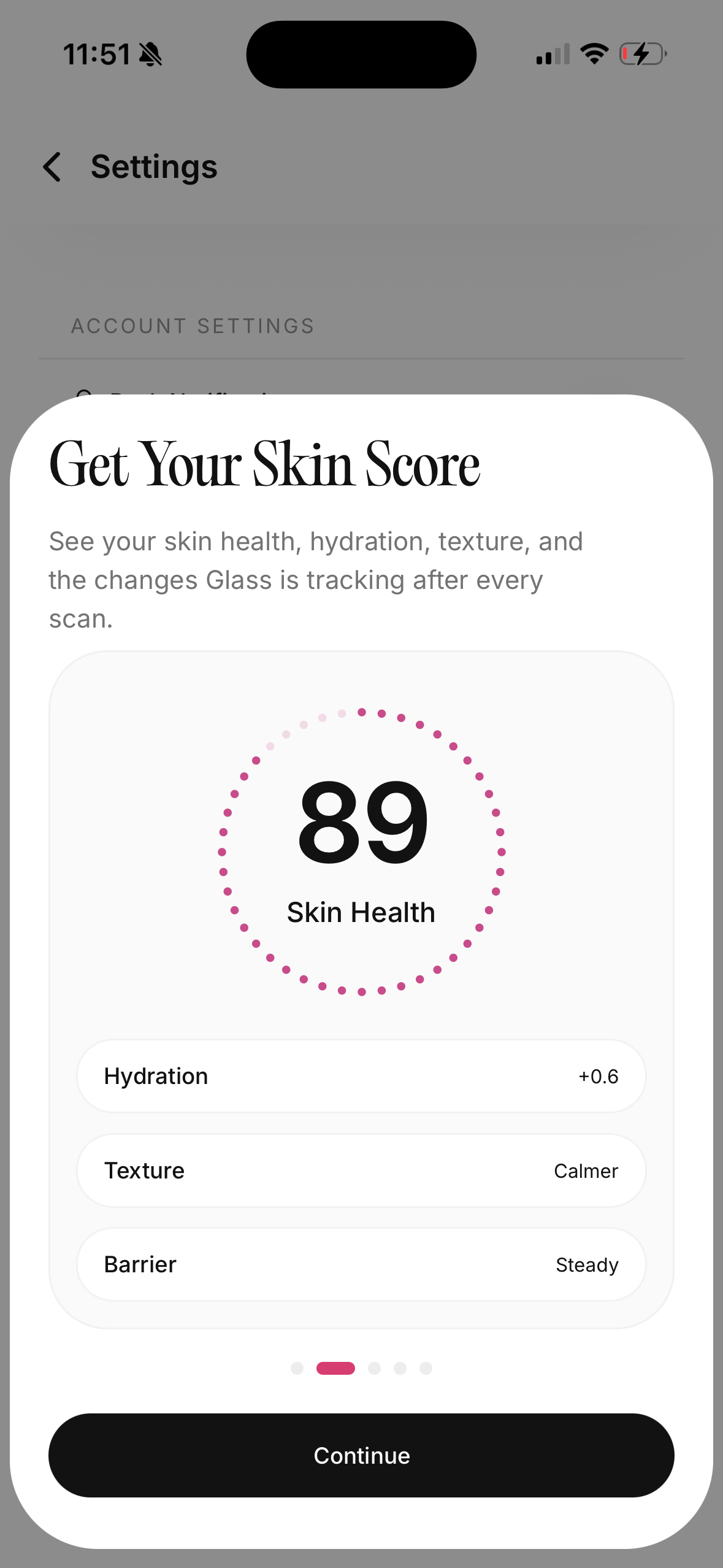
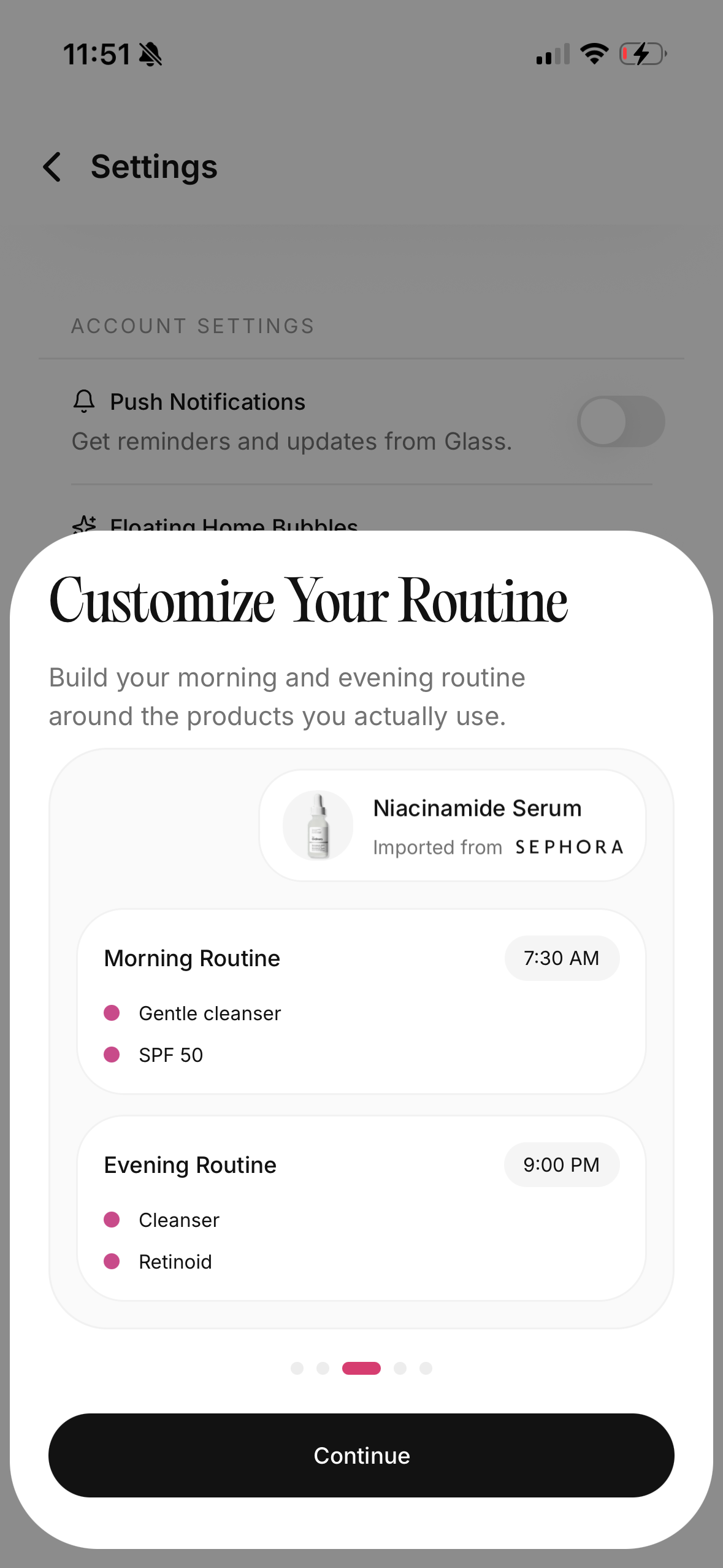
If deep bumps return in the same zones, over-the-counter spot care is probably too reactive. You need a prevention plan. Glass can help you document recurrence and routine changes before a dermatologist visit, which makes the conversation more useful.
Why timing matters
Deep pimples can take longer to form and longer to resolve than surface whiteheads. That delay can make cause and effect feel unfair. You might blame the cleanser you used last night when the inflammation started building days earlier. You might also abandon a useful prevention routine because one deep bump appeared during the first week.
This is why I would judge a deep-acne plan over several weeks unless there are signs of irritation or infection. Look for fewer new nodules, shorter healing time, less tenderness, and fewer marks afterward. A single bump does not always mean the plan failed, but repeated deep bumps in the same area mean the plan probably needs escalation.
Keep the notes plain. "Left chin, tender, started after cycle week, no squeezing" is more useful than a dramatic paragraph written when you are upset. A dermatologist can use that pattern faster than a vague memory of constant breakouts, especially when visits are short and details blur together.
The role of moisturizer
People often skip moisturizer when acne feels deep and oily. That can backfire.
Dry, irritated skin tolerates acne treatment poorly. It peels, stings, and becomes more inflamed-looking. A light moisturizer can make benzoyl peroxide, azelaic acid, or retinoids easier to use consistently.
A gel-cream like Skinfix Barrier Restoring Gel Cream can work for people who dislike heavy creams, though the best moisturizer is the one your skin actually tolerates.
Makeup and deep pimples
You can cover a deep pimple, but be gentle.
Use thin layers. Avoid pressing hard with a brush or sponge. Remove makeup fully at night. Do not use makeup as a reason to skip sunscreen if the area is exposed.
If concealer makes the bump look crusty, the skin may be too dry from spot treatment. Moisturize, wait, then apply less product. Texture usually looks worse when you try to bury it under heavy layers.
What about pimple patches?
Hydrocolloid patches can be useful for surface pimples that are open or coming to a head. They can protect the spot from picking and absorb fluid. For a deep under the skin pimple with no opening, they usually do less. The patch might stop your fingers from touching it, which is valuable, but it will not pull a deep nodule out like a magnet.
If you use a patch, apply it to clean dry skin and avoid trapping strong actives underneath unless the product is designed for that. If the bump becomes more painful, warm, swollen, or irritated under the patch, remove it.
Red flags
Seek medical care if:
- The bump is rapidly growing.
- Pain is severe.
- Redness spreads.
- The area is warm or swollen.
- You have fever.
- It drains pus or has crusting.
- It is near the eye or nose and worsening.
- It leaves scars.
- Deep bumps keep recurring.
Also get care for sudden severe acne, especially in adulthood, or acne that affects your emotional wellbeing. You do not need to wait until scarring is obvious.
A realistic 2026 plan
For one under the skin pimple:
- Warm compress.
- Gentle routine.
- One treatment, not five.
- No squeezing.
- Sunscreen and patience.
For repeated under the skin pimples:
- Track timing and location.
- Build a prevention routine.
- Consider prescription care.
- Treat active acne before scars form.
- Keep expectations realistic.
The deepest pimples are rarely fixed by the most dramatic home treatment. They respond better to restraint, prevention, and timely medical help when they cross the line from occasional bump to recurring inflammatory acne.
The pressure rule
For an under the skin pimple, pressure is usually the thing that makes the story worse. I would not keep checking whether it has a head. I would not press from the sides to see if it is ready. I would not use a needle. If the bump is deep, the skin above it may look deceptively normal while inflammation is happening below. Gentle care, time, and professional help for painful or recurring lesions are safer than forcing it open. If these bumps keep appearing in the same area or leave scars, I would bring that pattern to a dermatologist instead of treating every lump as a new emergency.