Pimple pus makes a breakout feel urgent.
The white or yellow center looks like a problem you should remove. Your fingers move toward it before you have even decided what to do. But pus does not automatically mean the spot is ready to squeeze, and squeezing is often the reason a small pimple becomes a swollen, crusted, longer-lasting mess.
In 2026, the safest way to think about pimple pus is simple: understand what you are seeing, reduce trauma, keep the routine clean and calm, and know when pus is a medical warning sign rather than a bathroom-mirror project.
Quick answer
Pimple pus is fluid made of inflammatory cells, oil, debris, and sometimes bacteria inside an inflamed follicle. A small pustule can heal with gentle cleansing, acne treatment, and no picking. Do not force, lance, or dig at a pus-filled pimple, especially if it is deep, painful, spreading, hot, or near the eye.
Seek medical care if pus is accompanied by severe pain, spreading redness, warmth, swelling, fever, red streaks, rapid growth, recurrent boils, drainage from a deep lump, or a wound that is not healing.
What pus in a pimple actually means
Pus is part of an inflammatory response. In acne, a clogged follicle can become inflamed and form a pustule. The visible white or yellow center is not proof that squeezing will fix it. It is proof that the skin is already inflamed.
Sometimes the pus is close to the surface. Sometimes it sits under a tense layer of skin. Sometimes what looks like acne may be folliculitis, a boil, an abscess, or another infection-like process. That is why pain, heat, spreading redness, and recurrence matter.
Pustule vs whitehead
People often use "whitehead" for anything with a white center, but the details matter.
| Feature | Closed comedone | Pustule |
|---|---|---|
| Main look | Small skin-colored or white bump | Inflamed bump with visible pus |
| Redness | Usually little | Often red around the center |
| Tenderness | Usually mild | Can be sore |
| Picking risk | Can inflame it | Can spread irritation and scab |
| Care focus | Prevent clogged pores | Calm inflammation and prevent trauma |
A pustule is already inflamed. Treat it gently.
Why squeezing backfires
Squeezing pushes pressure through inflamed skin. Some material may come out, but some inflammation can be driven deeper or sideways. The skin can tear. Bacteria from fingers can get involved. The spot can bleed, scab, swell, or leave a mark.
The short-term satisfaction is real. The longer healing time is also real.
Avoid:
- squeezing with fingernails
- using needles at home
- pressing until the skin bruises
- digging for a plug
- peeling off scabs
- putting harsh acids on open skin
- covering an open spot with dirty makeup tools
If the pimple opens on its own, the goal changes from "treat acne" to "protect healing skin."
What to do if a pustule is intact
Keep the plan boring.
- Wash with a gentle cleanser.
- Use a warm compress for comfort if it is tender.
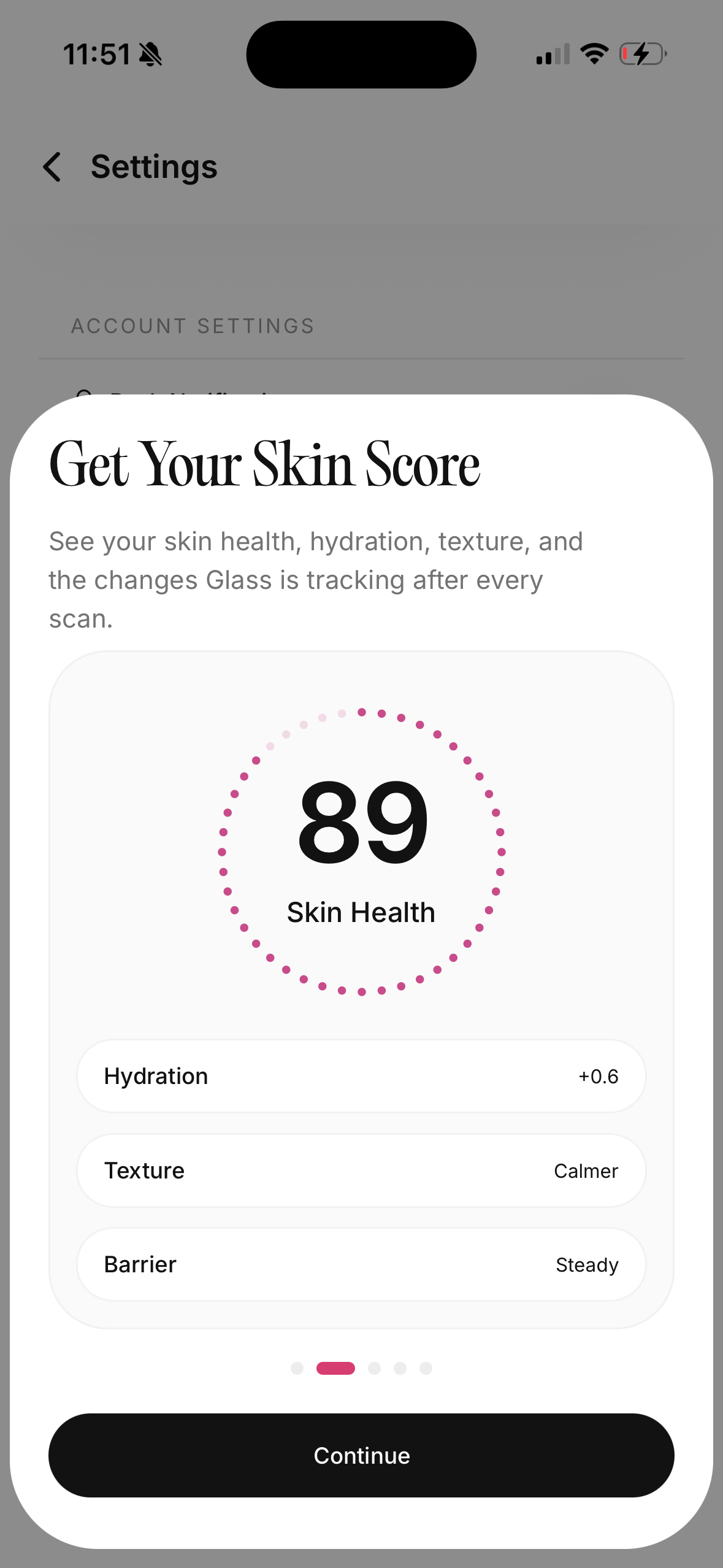
- Apply one appropriate acne treatment if your skin tolerates it.
- Moisturize.
- Use sunscreen in the morning.
- Do not touch it repeatedly.
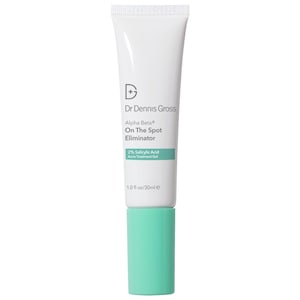
A salicylic acid spot treatment like Dr. Dennis Gross 2% Salicylic Acid Acne Treatment Gel may fit some acne-prone routines, but do not stack it with several other drying products.
What to do if it opens
If a pustule drains on its own or you accidentally nick it, stop treating it like a closed pimple.
Do this:
- wash your hands
- cleanse gently
- do not squeeze more
- avoid acids and retinoids directly on the open area
- use a clean hydrocolloid patch if appropriate
- change the patch as directed
- keep makeup off broken skin if possible
Hydrocolloid patches can protect an open or surface-draining spot from picking and absorb fluid. They are not magic, and they are not a substitute for care when infection signs appear.
When pus suggests something else
Not every pus-filled bump is acne.
Folliculitis can cause acne-like bumps around hair follicles, often itchy or tender. Boils are deeper, painful, pus-filled infections that may enlarge and feel warm. Abscesses can require medical drainage. Hidradenitis suppurativa can cause painful recurring lumps in areas where skin rubs, such as underarms, groin, buttocks, and under breasts.
You do not need to diagnose these at home. You need to notice when the behavior is not ordinary acne.
Red flags for medical care
Get medical help if you notice:
- severe pain
- spreading redness
- warmth around the bump
- swelling that keeps increasing
- fever
- red streaks
- pus from a deep lump
- a pimple near the eye that worsens
- a boil-like bump on the nose or ear
- recurrent pus-filled bumps in the same area
- drainage with odor
- scarring or tunnels under the skin
- no improvement after a few days of basic care
These signs do not mean panic. They mean stop squeezing and get a clinician involved.
How acne treatments fit
For acne pustules, the best plan usually focuses on preventing the next inflamed bump.
Benzoyl peroxide can help inflammatory acne for many people. It can dry the skin and bleach fabric.
Salicylic acid can help clogged pores and surface buildup.
Azelaic acid can support blemish-prone skin and visible redness for some people. The Ordinary Azelaic Acid is one example.
Topical retinoids can reduce future clogged pores over time.
Prescription combinations may be appropriate for recurrent inflammatory acne. A clinician may discuss lanes like Duac or other treatments depending on severity and history.
Why one pustule is not the whole pattern
One pus-filled pimple can happen even when your routine is mostly fine. A few nights of heavy sunscreen, a sweaty hat, a new lip balm, or picking at a clogged pore can create a single inflamed spot. That does not always mean every product needs to go.
The pattern matters more than the one bump. If pustules keep appearing in the same zone, ask what touches that zone. A chin cluster may connect to shaving, lip products, or cycle timing. A forehead cluster may connect to hair products. A cheek cluster may connect to phone contact, makeup, or pillowcases. A back or chest cluster may connect to conditioner, sweat, or tight fabric.
If the bumps are recurrent and inflamed, prevention matters more than emergency squeezing. A steady acne plan can reduce the number of pustules that form in the first place.
How to keep healing skin calm
After a pustule drains or scabs, the surrounding skin is vulnerable. This is the wrong time for a peel pad, gritty scrub, or strong retinoid directly on the broken area.
Keep the area clean. Use a basic moisturizer around it if the skin is dry. Use sunscreen on exposed skin. If you use a patch, change it with clean hands and stop if the area looks more irritated.
Marks after pustules can be frustrating, but irritation makes them linger. The fastest-looking choice is often not the fastest-healing choice.
Why dryness can make pustules worse
Drying out a pustule feels logical, but over-drying the surrounding skin can create cracks, flaking, burning, and more picking.
Use moisturizer as part of acne care. This is especially true if you use benzoyl peroxide, salicylic acid, sulfur, retinoids, or prescription products. A light moisturizer does not cancel acne treatment. It helps your skin tolerate the plan.
If everything stings, pause the aggressive steps and let the barrier calm. Broken, irritated skin is not a good surface for strong actives.
Makeup and pus-filled pimples
Covering a pustule is understandable. Do it gently.
Use clean tools. Avoid pressing hard. Do not apply makeup into an open wound. Remove makeup fully at night. If the pimple has opened, consider leaving it clean and protected rather than packing pigment into it.
If you must cover redness, use thin layers around the spot rather than grinding concealer over the center. Texture often looks worse when too much product builds up on irritated skin.
Tracking pus-filled breakouts
Track these details:
- location
- size
- pain level
- whether it drained
- whether you picked
- products used
- how long it took to heal
- whether it left a mark
In Glass, these notes can show whether pustules follow a product, shaving, cycle timing, workouts, or friction. A dermatologist visit is more useful when you can show a pattern.
The emotional part
Pus-filled pimples are hard to ignore. They look removable, and they often appear right before a plan, photo, date, meeting, or event.
If you pick sometimes, do not turn that into shame. Just make the next choice smaller and safer: wash hands, stop squeezing, protect the area, and return to the routine. Skin heals better when you reduce repeated trauma.
For deep, painful bumps that tempt you to dig, read under the skin pimple.
A simple 2026 plan
For pimple pus:
- Do not force drainage.
- Cleanse gently.
- Use one acne treatment lane.
- Protect open skin.
- Watch for infection signs.
- Track recurrence.
- Escalate if painful, spreading, hot, deep, or persistent.
The goal is not to win a fight with one pimple. It is to heal this spot without creating a bigger problem and prevent the next one more calmly.