Acne is common.
That does not make it simple. A whitehead, a tender red bump, a cyst under the skin, and a shaving-related follicle bump can all get called “a pimple,” but they do not always need the same treatment. In 2026, the smartest acne routine is not the harshest one. It is the one that matches the type of breakout, protects the skin barrier, and escalates to medical care when acne is deep, painful, scarring, or persistent.
I like starting there because most acne routines fail from doing too much too fast. The face gets stripped. The barrier gets angry. Then every product burns, and the original acne problem gets harder to read.
What acne actually is
Mayo Clinic describes acne as a skin condition that happens when hair follicles become plugged with oil and dead skin cells. That clog can stay relatively quiet, as with whiteheads or blackheads, or it can become inflamed, tender, pus-filled, nodular, or cystic.
That definition matters because acne is not dirt. Scrubbing harder does not reach the root problem, and a squeaky-clean feeling can be a warning sign that the routine is damaging the outer layer of the skin.
The four big acne forces are usually oil, clogged follicles, bacteria, and inflammation. Hormones, friction, certain products, stress, sleep changes, and some medications can influence the pattern, but the visible bump is only the surface.
Know the breakout type first
Before buying anything, I would sort the acne by what I can see and feel.
| Breakout type | What it tends to look like | Practical first thought |
|---|---|---|
| Whiteheads | Closed clogged pores | Gentle retinoid or salicylic acid may help |
| Blackheads | Open clogged pores that look dark | Do not scrub; use consistent pore-clearing care |
| Papules | Small red tender bumps | Calm inflammation and avoid picking |
| Pustules | Red bumps with pus tips | Avoid squeezing; consider acne treatment |
| Nodules | Large painful lumps under skin | Dermatologist conversation is smart |
| Cystic lesions | Painful pus-filled lumps under skin | Medical care is often needed |
If most of the acne is deep and painful, I would not waste months cycling through random cleansers. That is the lane where prescription care can prevent scarring.
The simple routine I would build first
I would start with a routine that is almost boring.
Morning:
- Gentle cleanser or rinse.
- Acne treatment if it belongs in the morning.
- Lightweight moisturizer.
- Sunscreen.
Night:
- Cleanser.
- Acne treatment.
- Moisturizer.
That is the structure. The treatment can change, but the order should stay stable long enough to judge it. If you are still guessing the order, use this morning and night skincare routine order guide before adding more products.
The acne ingredients that still matter
You do not need every acne ingredient. You need the right job.
Salicylic acid is oil-soluble and useful for clogged pores. Benzoyl peroxide can help inflammatory acne but can be drying and can bleach fabric. Adapalene and other retinoids can help prevent clogged pores over time. Azelaic acid can be useful when blemishes, redness, and post-acne marks overlap. Sulfur can help some oily, inflamed skin types, but it can also feel drying.
The mistake is stacking all of them at once.
If I were rebuilding an acne routine, I would pick one main active, use it consistently, and protect the rest of the routine. More products do not automatically mean more progress.
Product examples by role
These are not prescriptions. They are examples of different acne-support roles so the routine is easier to think through.
| Image | Product | Role | Best use case |
|---|---|---|---|
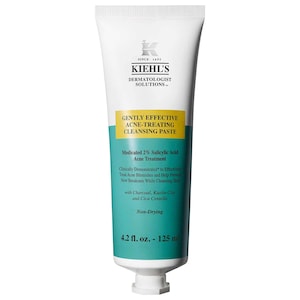 | Kiehl's Salicylic Face Wash | Salicylic acid cleanser | Oily, clogged-feeling skin that tolerates active cleansing |
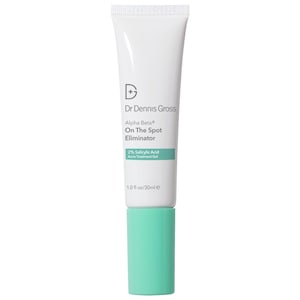 | Dr. Dennis Gross 2% Salicylic Acid Gel | Leave-on spot treatment | Occasional blemishes, not whole-face irritation |
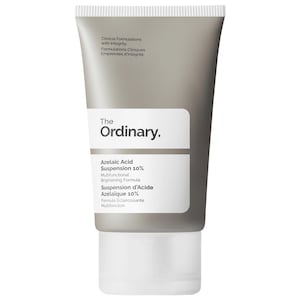 | The Ordinary Azelaic Acid | Tone and blemish support | Blemish-prone skin with redness or uneven tone |
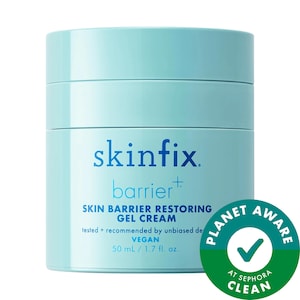 | Skinfix Barrier Gel Cream | Barrier support | Acne routines that are getting dry or tight |
The product that helps most is often the one that gives the routine balance, not the one that sounds most aggressive.
Why acne gets worse when you over-treat it
Over-treatment can look like discipline at first. Twice-daily exfoliating cleanser. Leave-on acid. Drying spot treatment. Clay mask. No moisturizer because the skin is oily.
Then the skin gets shiny but dehydrated, red around the nose, tight after washing, and reactive to products that used to feel fine. Breakouts may continue because the underlying acne is still active, but now irritation is layered on top.
That is why moisturizer is not optional for acne-prone skin. You can choose a gel, lotion, or lightweight cream, but skipping barrier support usually makes the routine harder to tolerate.
What to do with painful acne
Painful acne deserves a shorter runway.
If bumps are large, deep, and tender, or if they leave dents, dark marks, or raised scars, I would book a dermatologist or primary-care visit. Mayo Clinic recommends medical care when self-care does not clear acne, and severe acne is especially worth escalating.
A dermatologist may discuss prescription retinoids, benzoyl peroxide combinations, topical or oral antibiotics, hormonal treatments, steroid injections for very inflamed cysts, or isotretinoin for severe nodular or cystic acne. The exact plan depends on the person.
Do not inject, lance, or dig at cysts at home. That can turn inflammation into infection or scarring.
Acne versus folliculitis
Some bumps that look like acne are not classic acne.
Folliculitis happens when hair follicles become inflamed or infected, and Cleveland Clinic notes that it can show up as red bumps that look like pimples. It may appear after shaving, sweating, friction, hot tubs, occlusive clothing, or yeast overgrowth. It can happen in hair-bearing areas, not only the face.
This matters because the acne routine that helps clogged pores may not solve folliculitis. If bumps are very uniform, itchy, clustered around hair follicles, or body-focused, it is worth asking a clinician whether acne is the right diagnosis.
What not to do
I would avoid the habits that create the most regret:
- picking at inflamed bumps
- squeezing deep cysts
- scrubbing blackheads
- changing every product every three days
- using multiple exfoliants at once
- skipping sunscreen while treating post-acne marks
- using toothpaste, alcohol, lemon juice, or harsh home remedies
- assuming every breakout means the whole routine failed
Acne care is slow because follicles cycle slowly. A treatment may need weeks to show whether it is helping.
How long to give a routine
For mild acne, I would usually give a well-built routine eight to twelve weeks unless it is clearly irritating, causing swelling, or making things much worse. Retinoids especially can be slow. So can azelaic acid and mark-fading routines.
But patience is not the same as ignoring severity. If acne is deep, painful, scarring, or spreading, waiting three more months with drugstore products may not be the right move.
Track new lesions, pain, and healing, not just whether the skin looks perfect. Glass skin score can help organize progress photos, but it should support your judgment, not replace medical care.
Food, stress, and lifestyle
Lifestyle can matter, but it is rarely useful to blame yourself.
Some people notice flares with high-glycemic eating patterns, certain dairy intake, poor sleep, heavy sweat left on skin, or stress spikes. Others do not. I would treat lifestyle changes like experiments: change one thing, keep the routine stable, and watch the pattern.
What I would not do is build an overly restrictive life around acne. If a change makes you anxious, socially isolated, or obsessive, it may cost more than it helps.
When to see a dermatologist
See a dermatologist or clinician if acne is painful, cystic, nodular, scarring, suddenly severe, not improving after consistent care, or affecting your mental health. Also seek care if you suspect infection: spreading redness, warmth, fever, severe swelling, increasing pain, or drainage that is worsening.
If you are pregnant, trying to become pregnant, or breastfeeding, ask before using acne medications. Some common acne treatments are not appropriate in those situations.
The bottom line
The best acne routine in 2026 is targeted, consistent, and calmer than the panic version most people build first. Know the breakout type. Pick one main treatment lane. Moisturize. Wear sunscreen. Escalate early when acne is deep, painful, scarring, or confusing.
Helpful medical references: Mayo Clinic on acne, AAD acne treatment guidance, and Cleveland Clinic on folliculitis.