Accutane questions get intense fast.
That makes sense. Isotretinoin is not another spot treatment. It can be life-changing for the right person, but it also asks for real medical oversight, boring consistency, and a much gentler routine than a lot of acne-prone people are used to.
If I were considering it in 2026, I would not start by collecting dramatic stories. I would start with the basics: what problem am I treating, what has already failed, what monitoring will I need, and what do I need to stop doing to my skin while the medication is working?
The most useful answer is not “yes, take it” or “no, avoid it.” It is a calmer decision tree you can bring to a dermatologist.
The short answer
Accutane is the old brand name many people still use for isotretinoin, a prescription oral medication used for serious acne. The American Academy of Dermatology says isotretinoin can treat deep, painful acne cysts and nodules, and dermatologists often discuss it when severe acne is not clearing with other treatments.
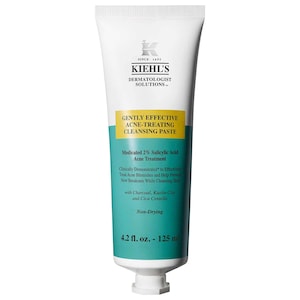
That does not mean every stubborn breakout needs it. A few clogged pores, hormonal flares, or inflamed pimples may respond to topical retinoids, benzoyl peroxide, salicylic acid, azelaic acid, antibiotics, hormonal options, or a different routine structure. Isotretinoin is usually a bigger conversation because it affects the whole body, not only the surface of the skin.
The better question is: is your acne severe enough, persistent enough, scarring enough, or emotionally disruptive enough that a dermatologist thinks this level of treatment fits?
What Accutane actually is
Accutane was a brand name. In everyday language, people still say Accutane when they mean isotretinoin.
Isotretinoin is related to vitamin A and works through several acne pathways at once. It can reduce oil production, calm the environment that keeps acne cycling, and help prevent the deep inflammatory lesions that are most likely to scar. That broad effect is part of why dermatologists take it seriously.
It is also why you should not treat it like a skincare trend. You need a prescriber. You need follow-up. You may need lab work. If pregnancy is possible, there are strict pregnancy-prevention rules because isotretinoin can cause severe birth defects.
That is the baseline. If a plan skips that baseline, it is not a plan.
Who it is usually for
I would bring isotretinoin up with a dermatologist if acne is leaving scars, forming painful nodules or cysts, spreading across the face, chest, shoulders, or back, or refusing to improve after a fair trial of appropriate prescription care.
Mayo Clinic describes acne as a condition where follicles become plugged with oil and dead skin cells, and lists whiteheads, blackheads, papules, pustules, nodules, and cystic lesions as possible signs. That range matters. Someone with mostly blackheads is in a different treatment lane from someone with painful cystic lesions under the skin.
Good candidates are not defined by vanity. They are often people whose skin is hurting, scarring, or wearing them down. The emotional piece is real, but it still belongs inside a medical conversation.
Questions I would ask a dermatologist first
I would keep the consult practical. A good visit should leave you understanding the reason for the medication, the monitoring schedule, and the skin-care adjustments.
Here are the questions I would write down:
- Is my acne severe enough for isotretinoin, or should we try another prescription plan first?
- Are my bumps actually acne, or could any of this be folliculitis, rosacea, perioral dermatitis, or another condition?
- What dose strategy do you use, and what side effects should I expect early?
- What lab tests or pregnancy-prevention steps apply to me?
- Which products should I stop before starting?
- How should I handle dryness, cracked lips, nosebleeds, purging, or irritation?
- When should I call instead of waiting for the next visit?
That last question matters. You want a clear threshold for contact, especially if mood changes, severe headaches, vision symptoms, intense abdominal pain, severe rash, or other unusual symptoms appear.
What the first month can feel like
The first month is often less glamorous than people expect. Skin can get drier. Lips can crack. Makeup may sit differently. A routine that used to feel normal can suddenly sting.
Some people notice breakouts shifting before they improve. Others calm down faster. The timeline is individual, and that is part of why comparing your skin day by day to anyone else can make the process feel worse.
I would track the basics instead:
| What to track | Why it helps |
|---|---|
| New painful cysts | Shows whether deep inflammation is slowing |
| Dryness level | Helps your dermatologist adjust supportive care |
| Lip cracking | Often needs daily prevention, not occasional rescue |
| Nose dryness or bleeding | Can be a sign your barrier needs more support |
| Mood and energy | Worth taking seriously and reporting clearly |
| Products used | Makes irritation patterns easier to spot |
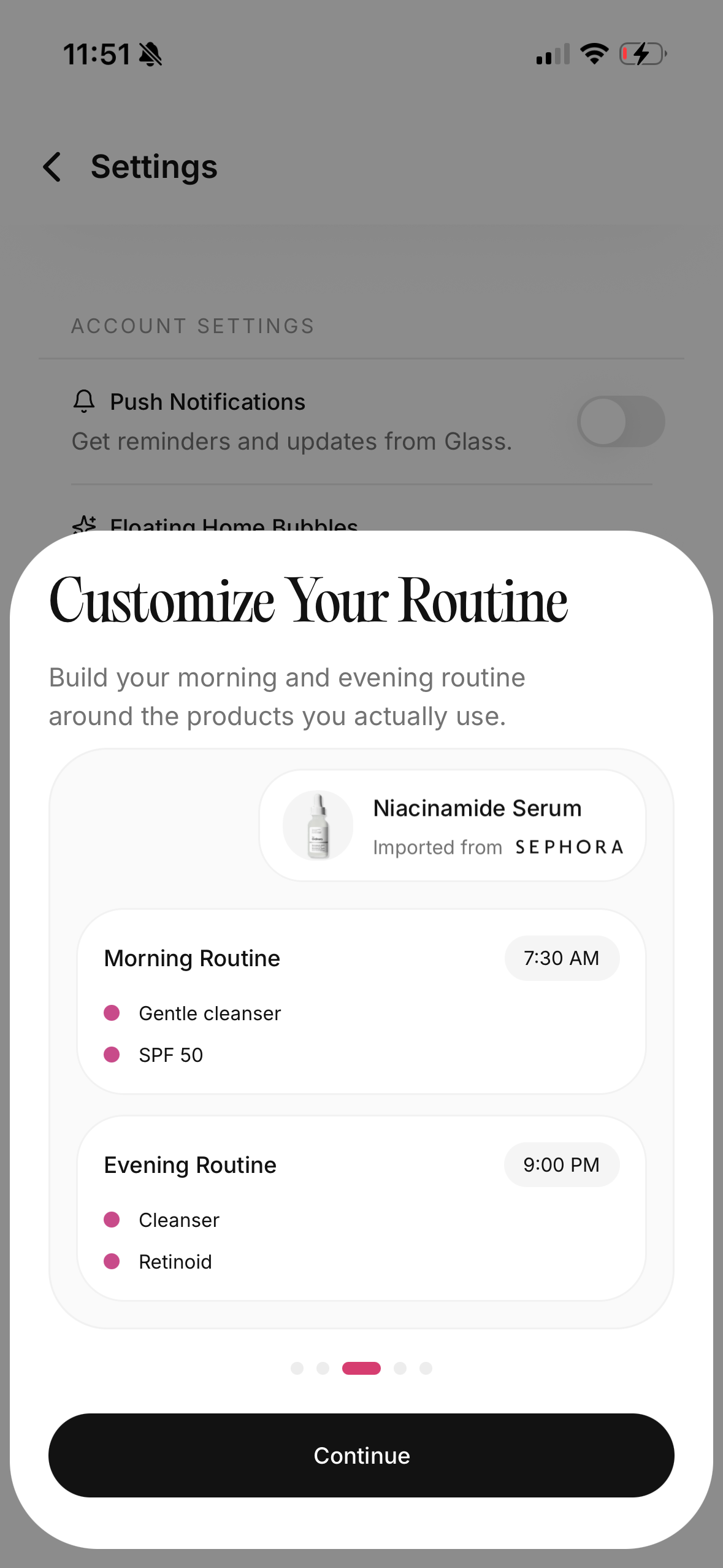
This is where an app like Glass routine builder can help, not because an app manages the medication, but because it keeps the routine boring enough to notice what changed.
The routine should get simpler
If I were starting isotretinoin, I would make the routine almost plain on purpose.
Morning:
- Gentle cleanser or just a water rinse if approved and not oily.
- Basic moisturizer.
- Broad-spectrum sunscreen.
- Lip balm.
Night:
- Gentle cleanser.
- Basic moisturizer.
- Lip balm.
That is it unless your dermatologist says otherwise. The AAD specifically recommends gentle cleansing and barrier support during isotretinoin, and warns that retinol, benzoyl peroxide, sulfur, vitamin C, exfoliating acids, toners, fragrance, and similar irritants can be too much for sensitized skin.
This is hard for acne-prone people because we are used to attacking the breakout. On isotretinoin, the job changes. The medication is doing the acne work. Your routine is there to help you tolerate the treatment.
Products I would pause unless prescribed
The most common mistake is trying to keep the old acne routine while adding isotretinoin.
I would not casually stack it with:
- leave-on salicylic acid
- benzoyl peroxide
- retinoids
- exfoliating toners
- peeling pads
- harsh scrubs
- strong vitamin C
- drying masks
- fragranced “tingly” treatments
Even helpful acne ingredients can become the wrong tool at the wrong time. If your dermatologist wants you to keep a specific active, follow their plan. But do not freestyle a strong routine because your skin used to tolerate it.
What dryness needs
Dryness is not a character test. It is a predictable part of the medication for many people.
I would build a small kit before starting: a gentle cleanser, a moisturizer that does not sting, a bland lip ointment, sunscreen that does not burn, and maybe saline spray or a humidifier if your nose gets dry. The exact products matter less than the job they do.
Look for words like gentle, fragrance-free, hydrating, sensitive skin, barrier, glycerin, ceramides, petrolatum, or dimethicone. Avoid anything marketed as resurfacing, peeling, clarifying, pore-erasing, or intense unless your dermatologist specifically approves it.
If you already own a barrier moisturizer that works, keep it. Starting isotretinoin is not the moment to test five new “repair” products at once.
What improvement can look like
Improvement is not always linear. Fewer deep lesions may happen before the remaining texture looks better. Oiliness may drop before redness fades. Active acne may calm before scars or post-acne marks become the main concern.
That sequence matters emotionally. People sometimes think treatment failed because the mirror still shows marks. But post-inflammatory redness or brown marks are not the same as active acne. Atrophic scars are different again. Those usually need a separate plan after acne is controlled.
If scarring is already part of the picture, ask early about prevention. Treating deep inflammation is often the best scar-prevention step, but picking, squeezing, and over-drying can make healing worse.
Red flags to take seriously
Call your dermatologist or clinician promptly if you develop severe mood changes, thoughts of self-harm, severe headache, vision changes, severe abdominal pain, persistent vomiting, bloody diarrhea, a severe rash, yellowing of the skin or eyes, or signs of an allergic reaction.
For skin-specific issues, also reach out if dryness becomes cracked and bleeding, if a lesion becomes rapidly spreading and hot, if you develop fever, or if pain feels out of proportion.
This is not meant to scare you. It is meant to make the plan concrete. Strong medication deserves clear contact rules.
What I would not judge from photos alone
I would not decide candidacy from a photo. Lighting changes everything. So does picking, makeup, camera sharpening, and whether the painful lesions are under the skin.
Photos can help track progress, but they do not replace a diagnosis. They also do not show lab values, pregnancy risk, medical history, medication interactions, or whether your bumps are truly acne.
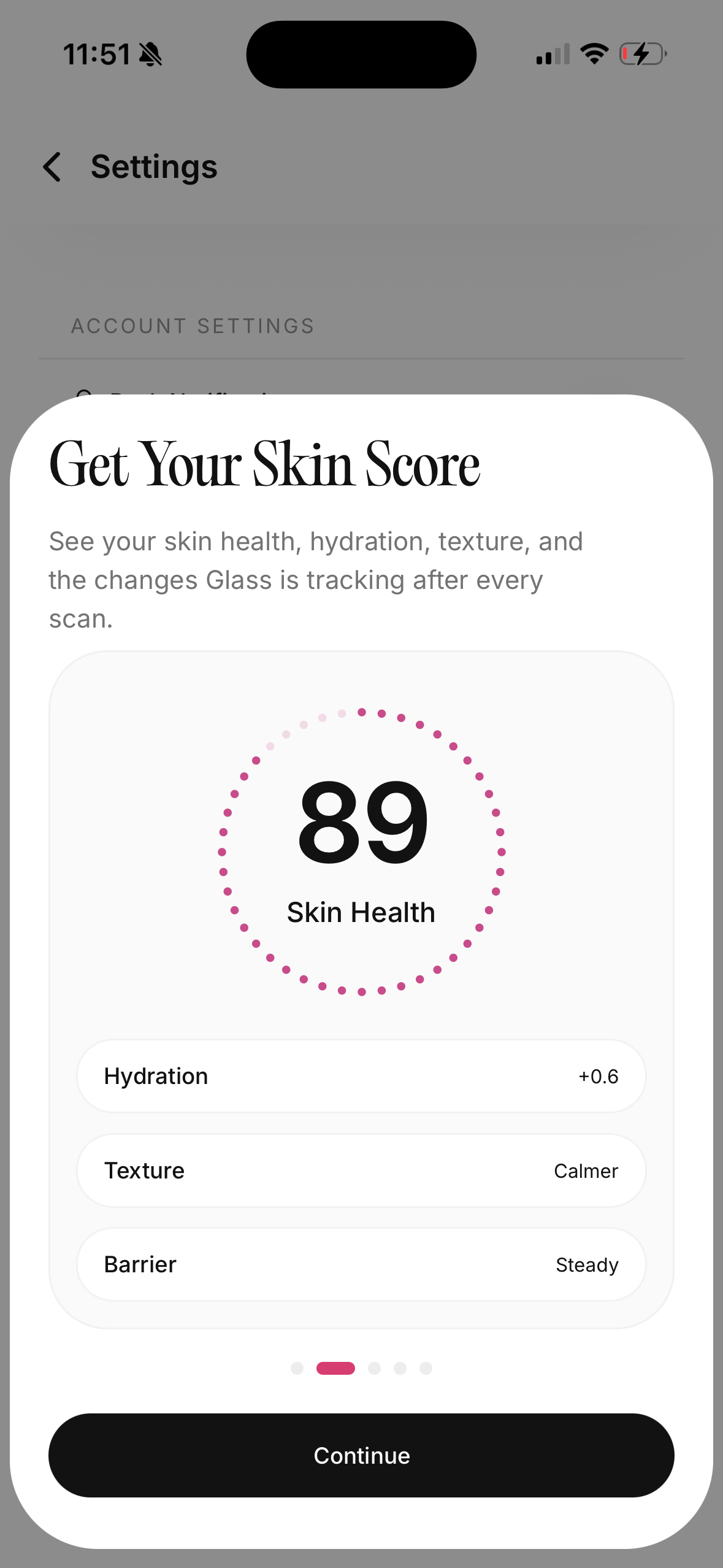
If you use progress photos, keep them boring: same room, same angle, same time of day, no filters, no harsh close-up that makes every pore look like a crisis. Glass can help organize this kind of tracking with a calmer skin score view, but the medication decisions still belong with your dermatologist.
How to prepare for the appointment
Bring a timeline. That is more useful than a panic summary.
Write down:
- when acne started
- what areas are involved
- whether cysts or nodules happen
- whether scarring is happening
- what you tried and for how long
- what helped, irritated, or did nothing
- current medications and supplements
- pregnancy plans or pregnancy possibility
- history of mood disorders, inflammatory bowel disease, liver issues, or high cholesterol if relevant
Do not hide supplements. Vitamin A supplements matter. So do acne products you think are “just skincare.”
The bottom line
Accutane is worth discussing when acne is deep, painful, persistent, scarring, or not responding to appropriate care. It is not a casual shortcut, and it is not something to self-direct from other people's timelines.
The best 2026 approach is simple: get a dermatologist involved, understand why isotretinoin fits or does not fit, strip your skincare routine down to barrier support, and track real changes without turning every mirror check into a verdict.
Useful medical starting points: the AAD isotretinoin guide, the Mayo Clinic acne overview, and the AAD acne scar treatment guide.