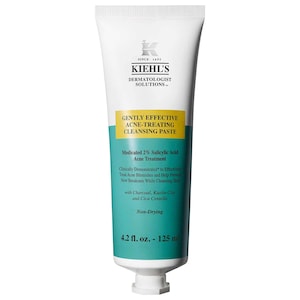
Accutane is not a normal acne product.
It is the name many people still use for isotretinoin, a prescription medication dermatologists use for severe acne. It can be incredibly effective for the right person. It can also be drying, inconvenient, and medically serious enough that it should never be treated like a casual skincare experiment.
If I were asking about Accutane in 2026, I would want two things: a clear reason to use it and a clear plan for getting through it safely.
The quick definition
Accutane was a brand name. Isotretinoin is the medication name you are more likely to hear now.
The American Academy of Dermatology describes isotretinoin as a prescription medication that can treat deep, painful acne cysts and nodules. Dermatologists often call it one of the most effective treatments for severe acne, but it requires follow-up and monitoring.
That is the balanced version. Effective does not mean effortless. Serious does not mean bad. It means the decision belongs with a clinician who knows your skin and medical history.
When Accutane enters the conversation
I would ask about isotretinoin when acne is:
- deep and painful
- nodular or cystic
- leaving scars
- not improving after prescription treatment
- affecting large areas like the face, chest, back, or shoulders
- causing major emotional distress
Mayo Clinic lists nodules and cystic lesions as more severe acne signs, and recommends medical care when self-care does not clear acne or acne is severe. That is the moment to stop guessing.
If your acne is mostly mild clogged pores, isotretinoin may not be the first tool. A dermatologist might start with topical retinoids, benzoyl peroxide combinations, azelaic acid, hormonal treatments, antibiotics, or other options.
What it can do
Isotretinoin can reduce the conditions that keep severe acne cycling. Many people see fewer deep lesions, less oiliness, and a lower risk of new acne scars as breakouts calm.
That scar-prevention piece matters. Deep acne can damage collagen. Once an atrophic scar forms, skincare alone usually cannot refill it. Preventing new cysts can be more powerful than trying to fix every scar later.
But Accutane is not a scar treatment. It treats acne. Red marks, brown marks, and pitted scars may remain after active breakouts improve, and those usually need their own plan.
What it cannot promise
No responsible clinician should promise perfect skin forever.
Some people clear dramatically. Some need a longer course. Some relapse later and need more care. Some finish with texture or marks that still bother them. Some stop because side effects or medical factors make continuing inappropriate.
That uncertainty is not a reason to ignore isotretinoin. It is a reason to go in with adult expectations. The goal is controlled severe acne, less pain, and fewer new scars, not a guaranteed filter-face outcome.
Side effects to understand
Dry lips and dry skin are common enough that I would prepare for them before the first dose. Dry eyes, nose dryness, sun sensitivity, irritation, and changes in how products feel can also happen.
The AAD notes that dermatologists monitor cholesterol and liver function with blood tests, and that patients should contact their dermatologist if side effects develop. Pregnancy prevention is especially important because isotretinoin can cause severe birth defects.
Ask your dermatologist which side effects are expected, which are urgent, and how they want you to contact them. You should not have to guess.
The skincare routine should be boring
This is the part acne-prone people struggle with.
Before isotretinoin, you may be used to acids, drying masks, spot treatments, scrubs, and retinoids. During isotretinoin, many of those products can become too irritating. The AAD recommends gentle cleansing and barrier-supportive care, and warns that ingredients like topical retinol, benzoyl peroxide, sulfur, vitamin C, exfoliating acids, fragrances, dyes, and toners may irritate sensitive skin during treatment.
I would build this:
| Time | Routine |
|---|---|
| Morning | Gentle cleanse or rinse, moisturizer, sunscreen, lip balm |
| Night | Gentle cleanser, moisturizer, lip balm |
| As needed | Bland ointment for lips and dry spots if approved |
If your dermatologist tells you to keep a specific medication step, follow their plan. Otherwise, do not keep your old aggressive acne routine out of habit.
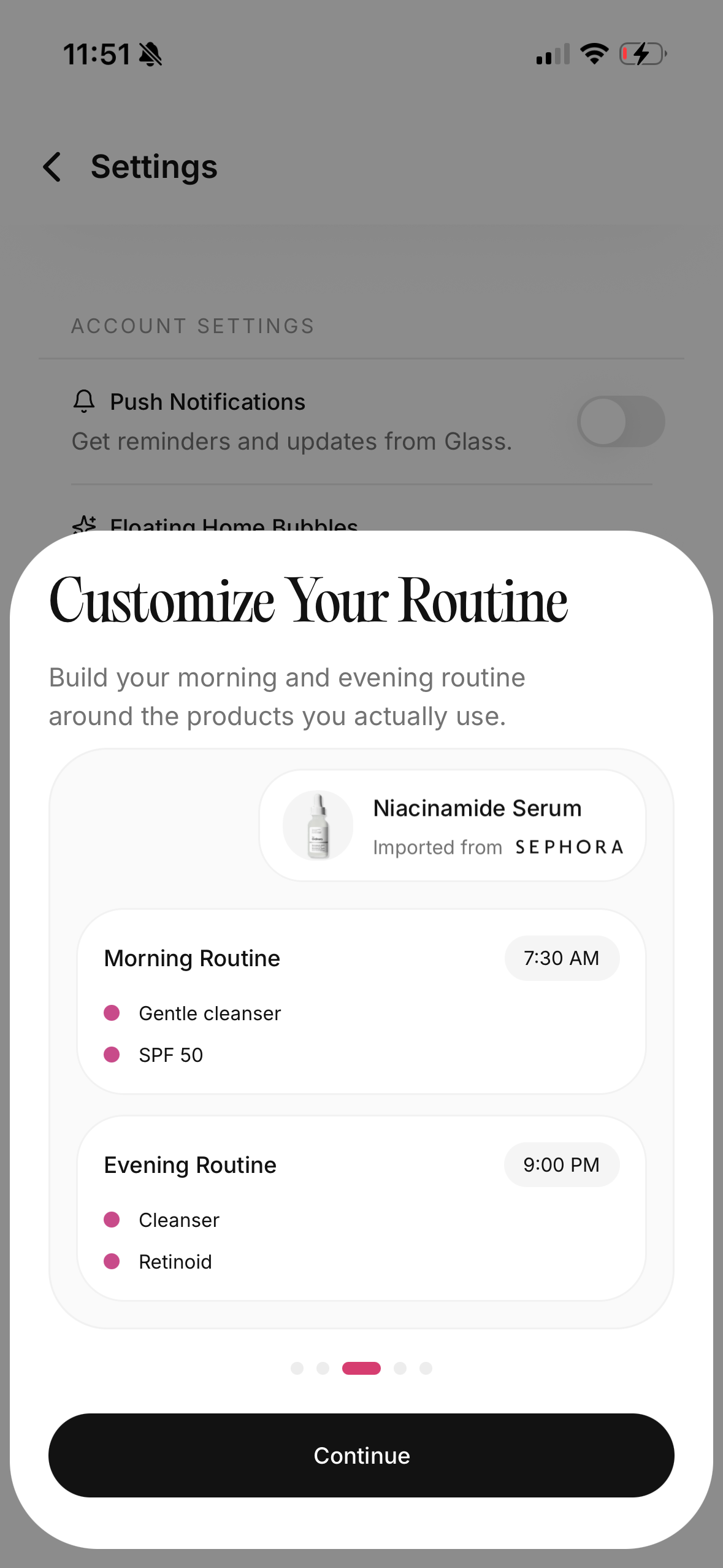
What to buy before starting
I would not buy ten new products. I would buy backups of the basics.
Useful categories:
- gentle cleanser
- fragrance-free moisturizer
- comfortable sunscreen
- lip ointment
- simple body moisturizer
- non-irritating face wash for after sunscreen
If your skin likes a gel-cream, keep it. If it needs a richer cream, use that. The goal is tolerability. A product does not need to be expensive to be useful here.
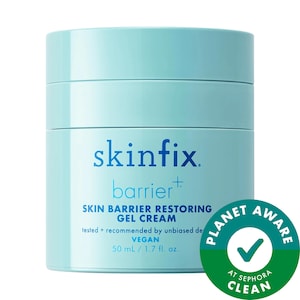
If you need barrier support around acne care, a product role like Skinfix Barrier Gel Cream makes more sense than another drying spot treatment.
What to stop or ask about
Do not assume “topical” means harmless.
Ask before using:
- retinoids
- exfoliating acids
- benzoyl peroxide
- sulfur treatments
- strong vitamin C
- peel pads
- waxing on treated areas
- aggressive facials
- laser or microneedling procedures
- vitamin A supplements
Your dermatologist may have specific timing rules. The point is not to live in fear. It is to avoid avoidable irritation and procedure risk.
How follow-up usually works
Follow-up is part of the treatment, not an optional admin task.
The AAD says dermatologists monitor patients during isotretinoin and that a doctor can prescribe only a limited amount at a time, requiring check-ins for refills. Depending on your situation, follow-up may include symptom review, lab work, pregnancy testing, dose adjustment, and skincare troubleshooting.
Use those visits well. Bring notes instead of trying to remember everything in the room.
Track:
- new cysts
- dryness severity
- lip cracking
- nosebleeds
- headaches or unusual symptoms
- mood changes
- products that sting
- missed doses
Progress photos without spiraling
Photos can help. They can also make you obsessive.
If you take photos, use the same lighting, angle, distance, and time interval. Weekly is usually plenty. Daily close-ups exaggerate every pore and make normal healing feel like failure.
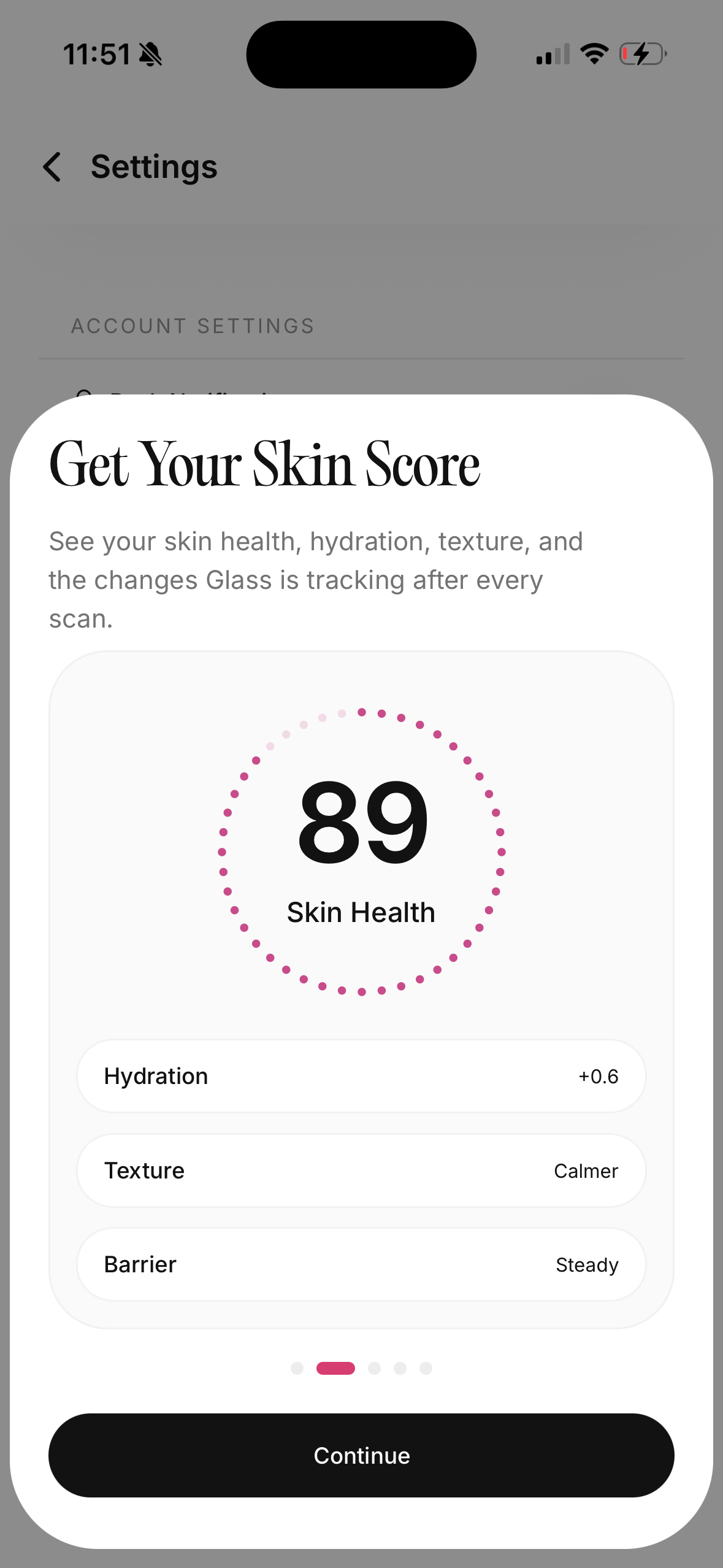
Glass can help organize progress without turning the camera roll into chaos. The best skincare scanner app guide explains how a tracking tool can support, not replace, your dermatologist.
Red flags during treatment
Contact your dermatologist or clinician promptly if you develop severe mood changes, thoughts of self-harm, severe headache, vision changes, severe abdominal pain, persistent vomiting, bloody diarrhea, yellowing skin or eyes, severe rash, facial swelling, trouble breathing, or any symptom your prescriber told you to report.
For skin, call if a lesion becomes extremely painful, hot, rapidly spreading, associated with fever, or draining in a way that seems infected.
This is not a complete medical list. It is a reminder to take unusual symptoms seriously and keep your prescriber in the loop.
Accutane and scars
Isotretinoin may reduce the chance of future scarring by controlling severe acne. It does not erase existing pitted scars.
After acne is controlled, a dermatologist may discuss scar-specific treatments such as microneedling, laser resurfacing, subcision, TCA CROSS, filler, or peels depending on scar type and skin tone. The AAD says acne-scar treatment often works best with a plan customized to each patient and scar type.
Do not rush into procedures while your skin is still fragile or acne is still active. Ask about timing.
The appointment checklist
Bring this to the consult:
- acne timeline
- photos from normal lighting
- list of products used
- prescription history
- supplement list
- medical history
- pregnancy plans or pregnancy possibility
- mental health history if relevant
- questions about monitoring and side effects
The more complete the context, the less the visit becomes a rushed yes-or-no conversation.
How I would decide after the consult
After the appointment, I would not judge the decision only by fear or excitement. I would ask whether the plan makes sense on paper.
A good plan should explain why isotretinoin fits your acne pattern, what alternatives were considered, what monitoring is required, and what you should do if side effects appear. It should also leave room for your life. If you work outdoors, wear contacts, play sports, have a history of severe dryness, or already struggle with your skin barrier, those details matter.
I would also make sure the routine is ready before the first dose. The time to find a non-stinging moisturizer is before your face feels tight and your lips are cracking. Preparation does not make treatment risk-free, but it does make the first few weeks less chaotic.
The bottom line
Accutane can be a serious, effective option for severe acne, especially deep cysts, nodules, scarring acne, or acne that has not responded to appropriate care. It also requires medical oversight, side-effect planning, and a much gentler skincare routine.
If you are considering it in 2026, make the decision with a dermatologist. Ask why it fits, what monitoring you need, what to stop using, and when to call. Then keep the routine simple enough for the medication to do its job.
Useful medical references: AAD on isotretinoin, Mayo Clinic on acne symptoms, and AAD on acne scar treatment.