A cystic pimple changes your whole mood.
It hurts before it looks obvious.
Then it swells.
Then you start bargaining with it in the mirror.
Maybe if you ice it. Maybe if you squeeze it. Maybe if you cover it. Maybe if you use the strongest spot treatment you own. Maybe if you pretend it is not there and then check it again in ten minutes.
The hardest part is accepting that deep acne does not follow surface-pimple rules. A cystic pimple is not a whitehead waiting politely to be popped. If it is deep, tender, and swollen, forcing it can make the inflammation worse and raise the risk of marks or scarring.
Quick answer
A cystic pimple is a deep, inflamed acne bump that may feel tender, swollen, and under the skin. Do not squeeze it. Use a cold compress for swelling, a warm compress if it is coming closer to the surface, keep the surrounding routine gentle, and see a dermatologist if it is large, very painful, recurrent, or likely to scar.
Mayo Clinic’s acne treatment overview makes clear that acne care can include prescriptions when over-the-counter care is not enough. The American Academy of Dermatology also describes isotretinoin as a treatment for deep, painful acne cysts and nodules when medically appropriate.
Deep pimple care table
| Image | Situation | Helpful move | Avoid |
|---|---|---|---|
 | New painful lump | Track size, pain, and timing | Digging at it under bright light |
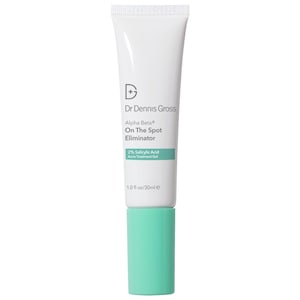 | Nearby clogged pores | Gentle targeted acne treatment | Coating the whole swollen area repeatedly |
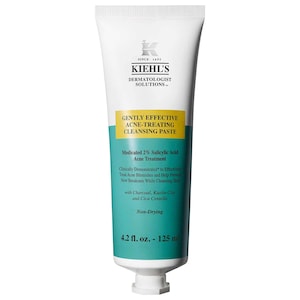
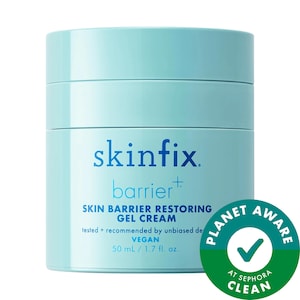 | Dry irritated skin | Moisturize and protect barrier | Drying paste after drying paste |
 | Recurrent cystic pimples | Build a prevention plan | Treating each one as random |
Is it really cystic?
People use “cystic” for any big pimple, but deeper acne can include nodules, cysts, or inflamed lesions that are hard to label without an exam.
The practical point is this: if it is deep, painful, swollen, and not near the surface, treat it carefully.
Signs it is more than a normal whitehead:
- tenderness before visible redness
- a firm lump under the skin
- swelling across a wider area
- pain when you smile, chew, or touch the area
- no clear head
- a history of marks or scars after similar bumps
What to do in the first 24 hours
Do less than you want to do.
Cleanse gently. Use a cold compress for swelling for short intervals. Moisturize. Leave it alone.
If you already use a prescribed acne treatment, follow your prescriber’s instructions. If you do not, resist the urge to create a new emergency routine with every active you own.
For a deep bump, a spot treatment may help the surrounding acne environment, but it usually cannot instantly drain inflammation sitting deep under the skin.
Ice, heat, or both?
Cold can help swelling and discomfort early. Wrap ice or a cold pack in a clean cloth and use it briefly. Do not freeze the skin.
Warm compresses may help when a pimple is closer to the surface or feels like it may drain on its own. Warm does not mean hot. You are trying to comfort the area, not burn it.
If warmth makes swelling worse, stop.
Why popping is the worst move
Popping a deep pimple is tempting because it feels like taking control.
But if there is no surface opening, pressure has nowhere clean to go. You can rupture inflammation deeper, bruise the skin, spread irritation, and create a longer-lasting mark.
The pimple may look flatter for an hour because you compressed swelling. Then it can rebound angrier.
If you need a physical barrier, use a hydrocolloid patch to keep your hands off. Just understand that a patch works best on surface fluid. It is not a vacuum for deep acne.
When a dermatologist can help quickly
For a large painful cystic pimple before an important event, a dermatologist may offer an in-office injection when appropriate. This is not something to DIY. It needs the right medication, dose, depth, and judgment.
For recurrent cystic acne, the bigger question is prevention. Options may include topical prescriptions, oral antibiotics for limited periods, hormonal treatments, spironolactone for some patients, or isotretinoin for severe or scarring acne.
The right plan depends on your age, pregnancy status, medical history, acne pattern, and risk of scarring.
A routine for cystic-prone skin
Morning:
- gentle cleanser
- moisturizer
- sunscreen
Night:
- gentle cleanser
- prescribed or planned acne treatment
- moisturizer
That is the base. If your acne is cystic-prone, you need prevention more than emergency drying.
Salicylic acid can help clogged pores. Benzoyl peroxide can help inflamed acne. Retinoids can help prevent new lesions. But deep recurrent acne often needs a clinician-built plan.
Makeup over a cystic pimple
Covering a cystic pimple is about reducing contrast, not creating a perfectly flat surface.
Use thin layers. Let moisturizer settle. Use a small amount of concealer only where needed. Avoid rubbing the bump repeatedly with a sponge or brush.
If the pimple is open, draining, or crusted, be careful. Cosmetics can irritate broken skin and tools can spread bacteria. Clean brushes and do not share makeup.
The scar-prevention mindset
The priority with deep pimples is not making them invisible today.
It is preventing a temporary bump from becoming a long-term mark or dent.
That means:
- no squeezing
- sunscreen
- early dermatology care for recurrent deep bumps
- consistent prevention treatment
- patience with post-acne marks
- avoiding harsh exfoliation while inflamed
Indented scars are harder to treat than active acne. That is why deep acne deserves respect.
When it might not be acne
Not every painful bump is a cystic pimple.
Possibilities include:
- boils or abscesses
- inflamed cysts
- folliculitis
- ingrown hairs
- cold sores near the lip
- dental or sinus-related swelling in some facial areas
- allergic reactions
If the area is hot, rapidly expanding, extremely painful, draining heavily, or paired with fever, do not treat it as routine acne.
Red flags
Get medical care promptly if you have:
- fever
- rapidly spreading redness
- severe swelling around the eye, nose, or lip
- intense pain
- red streaking
- repeated drainage
- a bump that keeps returning in the same exact spot
- deep acne leaving scars
- sudden severe acne after a medication change
Urgent care is appropriate when infection signs are present.
How Glass can help you prevent the next one
Deep acne feels random when you only remember the worst day.
Use Glass to log the routine, products, timing, photos, and possible triggers. Look for repeat patterns: same week of the month, same shaving routine, same sunscreen, same travel stress, same missed cleanser, same hair product.
The goal is not perfection. It is fewer surprises.
What to ask at the appointment
If you book a dermatologist visit for cystic pimples, bring more than a photo of the worst bump.
Ask:
- Is this nodular or cystic acne, or could it be something else?
- Am I at risk of scarring?
- Should I use a topical retinoid, benzoyl peroxide, or another prescription?
- Are hormonal treatments relevant for my pattern?
- When would isotretinoin be considered?
- What should I do when a large painful bump appears?
- Are injections appropriate for occasional emergency lesions?
- What symptoms should make me call urgently?
The answer may be different for a teenager, an adult with lower-face flares, someone who is pregnant or trying to conceive, someone with sensitive skin, or someone already using prescription treatments.
Why cystic pimples return in the same place
Sometimes a deep bump seems to disappear, then returns in the same exact spot.
That may happen because inflammation never fully settled, because the follicle remains prone to blockage, or because the bump was not acne in the first place. Recurrent same-spot swelling can also suggest an inflamed cyst or another lesion that needs examination.
Do not keep attacking the same spot for months with acids and squeezing. If it repeatedly swells, drains, or scars, get it checked.
What to do after it flattens
The aftercare matters.
Once the cystic pimple calms, the skin may leave a red, purple, brown, or gray mark. That mark is not the same as active acne. Treating it like active acne with more drying product can slow healing.
Use sunscreen, keep the barrier calm, avoid picking flakes, and ask a dermatologist about mark-safe options if discoloration lasts. If there is an indentation, early professional advice is better than buying random scar creams.
Bottom line
A cystic pimple needs patience and respect.
Do not squeeze it. Calm swelling. Protect the barrier. Use sunscreen. Call a dermatologist if it is large, painful, recurrent, or scarring. If you keep getting deep bumps, stop treating each one as an isolated emergency and build a prevention plan.
That is how you protect both your skin and your sanity.