Tiny bumps on the face are frustrating because they do not always look dramatic.
They just make the skin feel uneven. Makeup catches on them. Light hits them from the side. You can feel them when you wash your face, and suddenly every cleanser, serum, sunscreen, and moisturizer becomes a suspect.
The temptation is to exfoliate until the texture disappears. That can work if the issue is mild congestion and the routine is gentle. It can also backfire if the bumps are irritation, folliculitis-like, dermatitis, or a barrier problem.
This guide is a calm 2026 way to think about tiny bumps on face skin before you scrub, peel, or start five actives.
Quick answer
Tiny bumps on the face can be closed comedones, clogged pores, acne, irritation, milia-like bumps, folliculitis, dermatitis, or reaction-prone texture from an overloaded routine. Start by simplifying products, checking hair and makeup residue, avoiding scrubs, and using one gentle acne-support lane if the skin is not irritated. See a clinician if bumps are itchy, painful, spreading, rash-like, around the eyes, persistent, or not behaving like ordinary acne.
Tiny does not mean simple
Small bumps can come from different pathways.
They may be clogged pores under the surface. They may be irritation from too many products. They may be hair product residue along the forehead. They may be bumps around follicles. They may be a rash that looks like acne from far away.
That is why the first step is not "strongest exfoliant." The first step is pattern recognition.
What the pattern can suggest
| Pattern | Possible direction | First move |
|---|---|---|
| Skin-colored bumps on forehead | Closed comedones or hair product residue | Check haircare and simplify |
| Tiny itchy same-size bumps | Folliculitis or irritation | Avoid heavy products and consider care |
| Rough bumps with stinging | Barrier damage | Pause actives |
| Small bumps around mouth | Dermatitis-type pattern possible | Avoid harsh acne treatment and get advice |
| Tiny bumps after new sunscreen | Product reaction or congestion | Stabilize routine and test |
The table is not a diagnosis. It is a way to avoid treating every bump as clogged pores.
Start with a product pause
If tiny bumps appear after a routine change, pause the newest nonessential products first.
Common suspects:
- new sunscreen
- heavy moisturizer
- cleansing balm residue
- face oil
- primer
- foundation
- setting spray
- hair oil
- leave-in conditioner
- exfoliating toner
- retinol started too fast
Keep cleanser, moisturizer, and sunscreen. Remove the extras for two weeks. If the bumps calm down, reintroduce one product at a time.
Do not scrub texture flat
Scrubs can make tiny bumps feel smoother for a day because they remove surface flakes. They can also inflame the skin, create micro-tears, and make acne or dermatitis look angrier.
If your skin feels rough and stings, it probably needs fewer actives, not more friction.
Use chemical exfoliation carefully if you use it at all. Salicylic acid may help clogged pores, but daily acid on irritated skin can turn a texture problem into a barrier problem.
Closed comedones
Closed comedones are clogged pores under a thin layer of skin. They often look like tiny skin-colored bumps, especially on the forehead, chin, or cheeks.
They tend to improve with consistency, not force.
Helpful lanes may include:
- salicylic acid
- topical retinoids
- gentle cleansing
- lighter moisturizers
- avoiding heavy occlusive products that trigger you
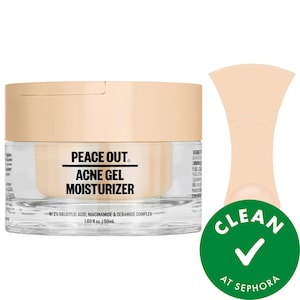
A salicylic acid moisturizer like Peace Out 2% Salicylic Gel Moisturizer may fit some acne-prone routines, but it should not be stacked with several other acids.
When retinoids fit
Retinoids can help clogged pores over time. They are not instant texture erasers, and they can cause irritation if started too aggressively.
If you are discussing prescription options, Aklief explains the clinician-led retinoid lane. For over-the-counter retinoid routines, start slowly, moisturize, and do not add multiple exfoliants at the same time.
Judge progress over weeks unless irritation is obvious.
Milia-like bumps need patience
Some tiny white or firm bumps may be milia-like rather than ordinary acne. These can feel like small pearls under the skin and often do not respond to squeezing or acne spot treatment. Trying to dig them out at home can create injury and marks.
If firm tiny bumps persist around the eyes, cheeks, or other delicate areas, ask a dermatologist or clinician what they are before treating them. The eye area especially deserves caution. Strong acids and retinoids should not be used close to the eyes without appropriate guidance.
The key point is restraint. Not every tiny bump has a plug that should be forced out.
How to judge a texture routine
Texture improves slowly. Instead of checking every pore each morning, judge the routine by pattern:
- fewer new bumps
- less stinging
- smoother makeup application
- fewer inflamed spots from picking
- better sunscreen tolerance
- less need to change products
If the skin is calmer but still textured, you may need time. If the skin is bumpier, redder, and more reactive, you may need fewer actives. If the bumps are unchanged after a steady trial, a clinician can help separate clogged pores from other causes.
Keep photos boring and consistent
Tiny bumps are hard to judge because lighting changes everything. Bathroom overhead light can make texture look severe. Soft window light can hide it. A flash photo can exaggerate oil and pores.
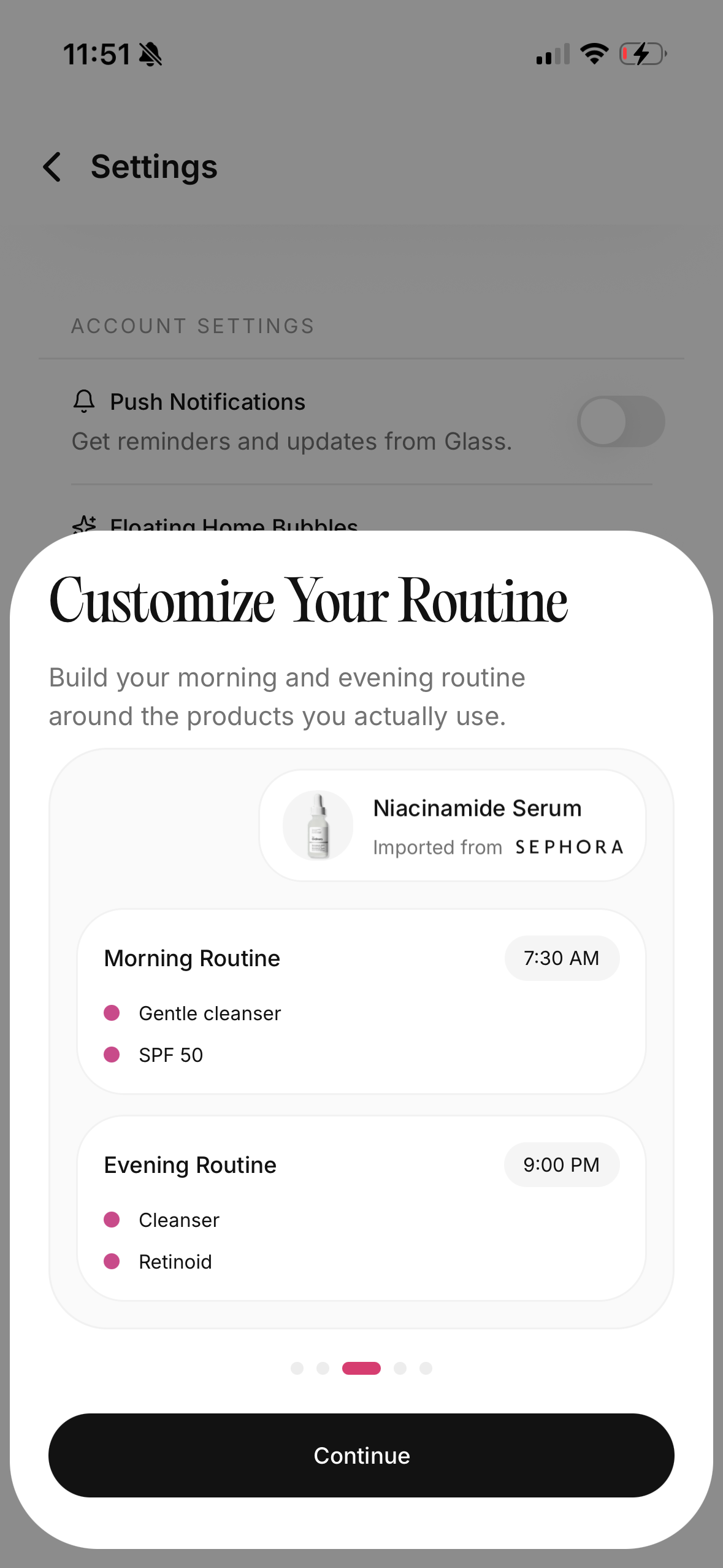
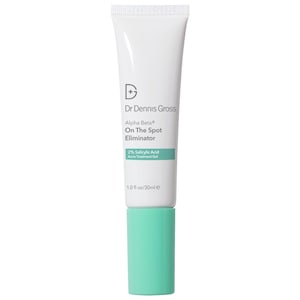
Use the same spot, same angle, and same lighting every few days. Do not take twenty close-ups a day. That usually increases picking and anxiety without giving better information. A consistent photo record in Glass can show whether the texture is actually changing or whether the lighting is changing your perception.
Pair photos with product notes, because texture often changes slowly enough that memory fills in the blanks.
This also helps you avoid blaming the wrong product after one bad-lighting morning.
Small records beat daily guessing.
Tiny bumps from irritation
Irritation can look like texture.
Signs include:
- stinging when applying products
- tight shiny skin
- flaking
- redness
- bumps that appeared after over-exfoliation
- burning around the nose or mouth
- products that used to feel fine suddenly hurt
When this happens, pause acids, scrubs, retinoids, and strong acne treatments. Use a gentle cleanser, moisturizer, and sunscreen until the skin feels stable. If the irritation is severe or persistent, get medical advice.
Tiny itchy bumps
Itchy uniform bumps are a different signal. They may involve follicle inflammation, heat, sweat, or another acne-like condition. Ordinary acne products may not solve them.
If bumps are itchy, sudden, same-size, and clustered on the forehead, cheeks, chest, or back, consider seeing a clinician. Avoid coating the area with heavy oils or multiple acne products while guessing.
For body patterns, see itchy pimples on body.
Makeup and sunscreen texture
Tiny bumps can appear when layers do not remove cleanly.
Try:
- cleanse long enough at night
- wash makeup tools
- avoid sleeping in sunscreen or makeup
- use less primer
- avoid heavy powder over flaky skin
- test new base products one at a time
If a sunscreen is the suspected trigger, do not abandon sunscreen entirely. Try a different formula while keeping the rest of the routine stable.
Hairline and forehead texture
Hair products are a major reason tiny bumps collect around the forehead and temples.
Run a two-week hair-contact reset:
- keep leave-in products off the face
- rinse conditioner away from the hairline
- change pillowcases
- clean hats
- clip bangs back while sleeping
- wash the forehead after styling
For a deeper forehead-specific plan, read bumps on forehead.
Product examples
| Product | Possible fit | Caution |
|---|---|---|
| Peace Out 2% Salicylic Gel Moisturizer | Acne-prone texture with oiliness | Avoid stacking acids |
| The Ordinary Azelaic Acid | Blemish-prone redness support | Can pill under some products |
| Kiehl's Salicylic Face Wash | Oily clogged areas | Can dry reactive skin |
Add one product at a time. If tiny bumps are from irritation, more products will not fix them.
When to get checked
See a clinician or dermatologist if:
- bumps are itchy and persistent
- bumps are painful
- bumps are spreading
- there is pus, crusting, or warmth
- bumps are near the eyes
- the pattern is sudden and severe
- the skin burns or peels
- acne is leaving marks or scars
- you have tried a simple routine without improvement
Tiny bumps can be low-risk, but persistent texture still deserves a real answer.
A 2026 plan for tiny bumps
Try this:
- Stop new extras for two weeks.
- Check hair, makeup, sunscreen, and cleansing residue.
- Avoid scrubs.
- Use one active only if skin is calm.
- Moisturize enough to prevent stinging.
- Track location and timing in Glass.
- Escalate if itchy, painful, spreading, rash-like, or persistent.
Smooth skin usually comes from consistency and less irritation, not from punishing every bump.