Comedones sound more complicated than they look.
They are clogged pores.
But that simple phrase does not capture how frustrating they are. Comedones can make skin feel bumpy even when nothing is red. They can sit on the forehead for months. They can turn into inflamed pimples. They can make makeup catch strangely. They can make you wonder why your skin looks congested even though you cleanse every night.
The worst part is that comedonal acne rewards patience, and patience is exactly what clogged pores make hard.
Quick answer
Comedones are clogged hair follicles. Open comedones are blackheads. Closed comedones are small skin-colored or white bumps under the surface. They often improve with a steady routine built around gentle cleansing, salicylic acid, retinoids, moisturizer, and sunscreen. DermNet describes acne as involving comedones and inflamed lesions, while Mayo Clinic’s acne treatment guidance lists topical medicines and other options depending on severity.
If bumps are painful, scarring, inflamed, itchy, sudden, or not improving after consistent care, see a dermatologist.
Comedone routine table
| Image | Step | Product | Best use |
|---|---|---|---|
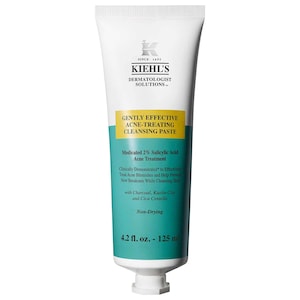 | Cleanse | Kiehl's Salicylic Face Wash | Oily, clogged areas that tolerate wash-off acid |
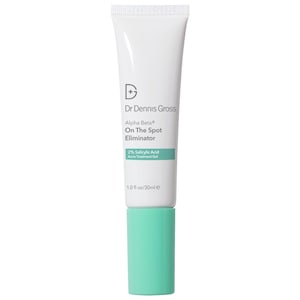 | Treat | Dr. Dennis Gross 2% Salicylic Acid Gel | Targeted blackhead or clogged-pore zones |
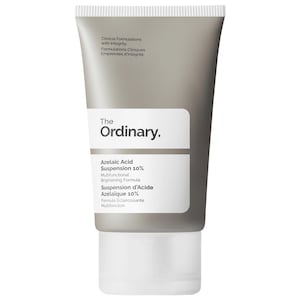 | Support | The Ordinary Azelaic Acid | Blemish-prone skin with redness or uneven tone |
 | Review | Glass product cards | Helps spot heavy products that may be adding congestion |
Open versus closed comedones
Open comedones are blackheads. The pore is open at the surface, and the trapped material darkens.
Closed comedones are small bumps under the skin. They may look white, skin-colored, or slightly raised. They do not always hurt. They may sit quietly for weeks, then become inflamed if the follicle ruptures or bacteria and inflammation get involved.
Both are acne lesions, but they do not always need the same tempo of treatment. Blackheads may respond faster to salicylic acid and careful extraction by a professional. Closed comedones often need longer-term prevention with retinoids and routine cleanup.
Why closed comedones are so stubborn
Closed comedones are easy to mistreat because they are visible but not ready to go anywhere.
If you squeeze them, you may get nothing out. So you squeeze harder. Now the pore is inflamed, the bump is red, and the mark lasts longer than the original clog.
The better plan is to reduce new clogs and let existing ones move through slowly. That is not satisfying in the mirror, but it is safer.
This is where tracking helps. If you only judge daily texture, you will feel like nothing is happening. If you compare month to month, you may see fewer new bumps forming.
Common comedone triggers
Comedones can come from acne biology, but products and habits matter too.
Check for:
- heavy moisturizers
- facial oils
- thick sunscreen that is not removed well
- hair oils or pomades touching the forehead
- sleeping with makeup
- occlusive masks or helmets
- over-layered routines
- starting too many barrier balms on acne-prone skin
- not cleansing after sweaty workouts
Do not assume every rich product is bad. Dry skin may need richness. But if your forehead or chin suddenly gets bumpy after a new cream or hair product, pay attention.
Salicylic acid for comedones
Salicylic acid is useful because it can work in oily areas and help with clogged pores.
It is not magic.
Use one salicylic product at first. A cleanser can be a gentle entry point. A leave-on can be stronger. If you use both aggressively, irritation can make the skin look rougher.
Start two or three times weekly. Increase only if your skin stays calm. If your face feels tight, stings, or flakes heavily, back off.
Retinoids for comedones
Retinoids may be the more important long-term tool for closed comedones.
They help change how cells shed inside the pore. That makes them useful for preventing new clogs, not just treating the bumps you can already see.
The tradeoff is time and irritation risk. Retinoids can take weeks to months to show their best effect. They can also make skin dry, especially if used too often too soon.
A practical approach:
- Start at night.
- Use a small amount.
- Moisturize.
- Avoid strong acids on the same night at first.
- Use sunscreen every morning.
Do comedones purge?
Sometimes acne-prone skin looks worse when starting a retinoid or exfoliating acid because existing clogs move through faster. People call this purging.
But not every bad reaction is purging.
If bumps appear in your usual acne zones and gradually settle, it may be part of the adjustment. If you get burning, swelling, rash-like bumps, itch, or breakouts in new areas after a product, that may be irritation or clogging instead.
Do not use “purging” as a reason to endure severe irritation.
The routine I would use first
Morning:
- gentle cleanser or rinse
- lightweight moisturizer
- sunscreen
Night:
- gentle cleanser
- retinoid or salicylic acid on planned nights
- moisturizer
Keep the rest quiet. No scrub. No peel pad stack. No daily clay mask. No new oil cleanser, essence, serum, moisturizer, and sleeping mask all in the same week.
How long to give it
Comedones are slow.
Give a reasonable routine eight to twelve weeks unless your skin is clearly getting worse or irritated. Take photos under similar lighting every two to four weeks. Daily mirror checks are too emotional for this problem.
If nothing improves after consistent use, or if the bumps keep becoming inflamed, book a dermatology visit. You may need prescription retinoids, combination therapy, hormonal evaluation, or a different diagnosis.
When bumps are not comedones
Small bumps are not always clogged pores.
They may be:
- folliculitis
- milia
- keratosis pilaris
- perioral dermatitis
- allergic or irritant contact dermatitis
- fungal or yeast-related follicle irritation
- shaving bumps
Itchy, uniform bumps around hair follicles deserve a different conversation than classic acne. So do hard white bumps near the eyes, burning mouth-area bumps, or sudden rash-like texture.
Red flags
See a clinician if you have:
- painful deep bumps
- scarring
- sudden severe acne
- widespread rash
- intense itching
- crusting or drainage
- bumps around the eyes
- no improvement after several months
- acne with irregular periods, excess hair growth, or other hormonal symptoms
Do not wait until texture becomes scars.
How to handle forehead comedones
Forehead comedones often have extra triggers.
Hair products can sit near the hairline. Sweat can dry under hats. Bangs can hold oil and styling products against the skin. Sunscreen can collect where the hairline meets the forehead. If every other area is calm and the forehead is bumpy, look beyond facial skin care.
Try:
- keeping leave-in products off the forehead
- washing hats and headbands
- cleansing after heavy sweat
- rinsing shampoo and conditioner thoroughly
- avoiding heavy oils near the hairline
- changing pillowcases regularly
Then add acne treatment slowly. A salicylic acid cleanser or retinoid may help, but if product transfer is the main trigger, treatment alone will feel like pushing uphill.
How to handle cheek comedones
Cheek comedones can be trickier because cheeks often irritate faster than the T-zone.
If your cheeks are bumpy and sensitive, do not copy a nose routine. Daily acid may be too much. A retinoid every night may be too fast. Heavy makeup removal may be creating friction.
Use a gentler plan:
- Cleanse without scrubbing.
- Treat two or three nights weekly.
- Moisturize consistently.
- Keep sunscreen stable.
- Avoid adding new complexion products while testing.
If one cheek is worse, check phone contact, pillow side, hair contact, and mask friction.
Professional extractions
Professional extraction can help some blackheads and visible clogged pores, but it is not the whole plan.
If new comedones keep forming, extraction becomes a reset button you need again and again. The better approach is extraction when appropriate plus a maintenance routine that slows new clogs.
Avoid aggressive extraction when skin is inflamed, sunburned, recently peeled, or irritated from retinoids. The goal is clearer pores, not broken skin.
If you do get extractions, ask what the provider saw. Were they blackheads, closed comedones, milia-like bumps, or inflamed lesions? That answer can guide the home routine better than guessing from texture alone.
Bottom line
Comedones are clogged pores, but clearing them is not about attacking your face.
Use gentle cleansing, one pore-focused active, moisturizer, sunscreen, and enough time. Check product triggers. Avoid squeezing closed bumps. If the pattern is painful, inflamed, scarring, or confusing, get a dermatologist involved.
Slow progress is still progress when the goal is fewer new clogs.