Blackheads popped can feel satisfying for about ten seconds.
Then the skin turns red. The pore looks stretched. The nose feels sore. Maybe there is a tiny scab the next morning, or a dark mark that makes you wonder whether the blackhead was even the real problem.
If you already picked or squeezed, this is not a lecture. It is a recovery plan.
Blackheads are open clogged pores. The dark color is oxidized material at the pore opening, not dirt. Popping them can sometimes release the plug, but it can also bruise the skin, irritate the pore wall, spread inflammation, and create marks that last longer than the blackhead would have.
This 2026 guide covers what to do after blackheads popped, how to reduce damage, and how to build a routine that makes squeezing feel less necessary.
Quick answer
If you popped blackheads, stop squeezing, cleanse gently, apply a bland moisturizer, use sunscreen in the morning, and avoid acids, scrubs, retinoids, or harsh spot treatments on broken skin until it calms. For prevention, consider salicylic acid, a topical retinoid, thorough sunscreen removal, and lighter product textures. If pores are painful, swollen, infected-looking, or scarring, see a dermatologist.
What a blackhead actually is
A blackhead is an open comedone. A pore becomes clogged with oil and dead skin cells, and because the top is open to air, the material darkens.
That dark dot is not dirt.
This matters because if you think blackheads are dirt, you may scrub harder. Scrubbing can make the skin more irritated without changing the pore behavior that led to the blackhead.
Blackheads commonly appear on:
- nose
- chin
- forehead
- cheeks
- chest
- back
- shoulders
They can also be confused with sebaceous filaments, especially on the nose. Sebaceous filaments are normal pore structures. They can look like tiny gray dots and refill quickly after squeezing, which creates an endless picking loop.
What happens when you pop them
Sometimes a plug comes out cleanly. Sometimes only part of it comes out. Sometimes nothing useful happens and the skin gets injured.
Possible outcomes include:
- redness
- swelling
- broken capillaries
- scabbing
- tenderness
- post-acne dark marks
- more visible pores
- infection if skin is broken and contaminated
The deeper problem is pressure. Pressing hard around a pore can damage surrounding skin. If the plug is not ready to release, you may inflame the area without clearing it.
What to do right after
If the skin is red but not broken:
- Stop touching it.
- Rinse or cleanse gently.
- Apply a simple moisturizer.
- Skip actives on that spot for the rest of the day.
- Use sunscreen in the morning.
If the skin is broken:
- Wash hands.
- Cleanse gently.
- Do not apply acids, retinoids, benzoyl peroxide, or fragranced products directly on open skin.
- Use a bland moisturizer or a thin protective layer if your skin tolerates it.
- Keep it protected from sun.
If there is increasing pain, warmth, swelling, pus, or spreading redness, get medical care.
What not to put on freshly picked skin
Freshly picked skin is not the time for a powerful routine.
Avoid:
- salicylic acid on open skin
- retinoids on broken skin
- benzoyl peroxide on raw areas
- alcohol
- toothpaste
- lemon juice
- physical scrubs
- peel pads
- clay masks over irritated spots
- extraction tools
I know the instinct is to disinfect, dry, and punish the pore. But damaged skin needs a chance to close. Treat the injury first, then return to pore prevention.
How to prevent blackheads
Blackhead prevention is about keeping pores from clogging as easily.
Useful routine habits include:
- removing sunscreen and makeup fully at night
- using a gentle cleanser
- choosing lighter moisturizers if heavy creams clog you
- washing after heavy sweating
- keeping hair oils away from the face
- changing pillowcases often enough
- not sleeping in makeup
- using acne ingredients consistently instead of aggressively
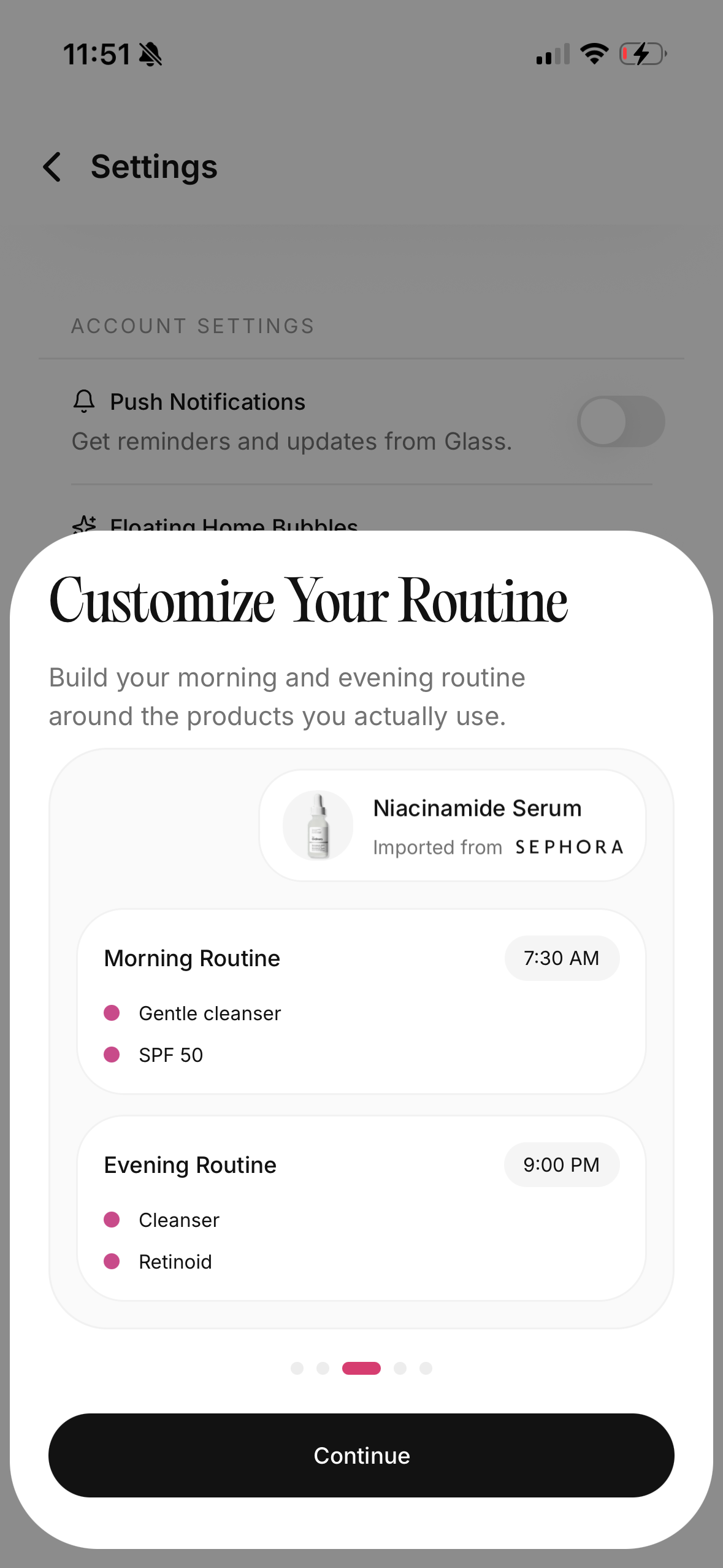
The morning and night routine order guide can help if your product lineup is good but the sequence is causing irritation or residue.
Ingredients that help blackheads
The American Academy of Dermatology's acne guidance includes topical retinoids and benzoyl peroxide as strongly recommended acne treatments, and salicylic acid is also commonly used for acne-prone skin. For blackheads, salicylic acid and retinoids are usually the most obvious over-the-counter lanes.
Salicylic acid
Salicylic acid can help oily clogged pores. It may work as a cleanser, toner, serum, gel, or moisturizer. Start with one format.
Retinoids
Adapalene can help prevent clogs over time. It is not an overnight extractor. It is a consistency ingredient.
Benzoyl peroxide
Benzoyl peroxide is more useful for inflamed pimples than quiet blackheads, but it may help if blackheads often turn into red acne.
Product options to compare
| Product | Best for | Caution |
|---|---|---|
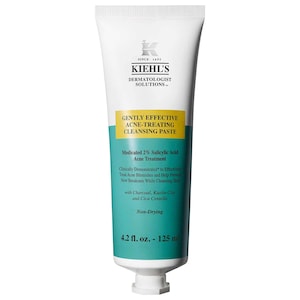
| Kiehl's Salicylic Face Wash | Short-contact salicylic acid for oily skin | Can dry skin if overused |
| Dr. Dennis Gross 2% Salicylic Acid Gel | Targeted clogged areas | Avoid broken or raw skin |
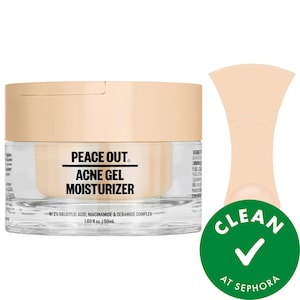
| Peace Out 2% Salicylic Acid Acne Gel Moisturizer | Hydration plus salicylic acid | Do not stack with several other acids |
| Skinfix Barrier Gel Cream | Barrier support | Better for recovery than extraction |
Products can help, but only if the routine stays consistent long enough to evaluate.
Are pore strips a good idea?
Pore strips can remove some material from the surface. They can also irritate skin, especially if used often or on sensitive areas.
They do not change the reason blackheads form. If a strip makes your nose look clearer for a day and then everything refills, that does not mean you failed. It means the deeper routine pattern still needs work.
Avoid pore strips on sunburned, peeling, retinoid-irritated, recently waxed, or broken skin.
Why blackheads come back so fast
Blackheads can come back quickly because pores keep producing oil and shedding skin cells. If what you squeezed was actually a sebaceous filament, it may look refilled within days because that structure is part of normal skin function.
This is why repeated squeezing is such a bad bargain. You get temporary smoothness, but the pore may look irritated, red, or more obvious afterward. A prevention routine is slower, but it asks less from the skin. Instead of emptying the pore by force, you are trying to reduce how easily material builds up in the first place.
Judge progress by fewer inflamed spots and smoother texture over weeks, not by whether every dot disappears.
How to handle the scab phase
If popped blackheads left tiny scabs, let them stay boring. Do not exfoliate the scab off. Do not cover it with a strong acid. Do not keep lifting the edge to see whether the skin underneath looks better.
Use gentle cleanser, moisturizer, and sunscreen. If makeup is necessary, use the thinnest layer you can and remove it without rubbing. Once the skin is fully closed and no longer tender, you can slowly return to your normal pore-care routine.
The scab is not the enemy. Reopening it is.
When professional extraction makes sense
A trained professional can sometimes extract clogged pores with less trauma than at-home squeezing. That does not mean every facial is safe for every skin type. Aggressive extraction can still cause marks, especially on deeper skin tones or sensitive skin.
If blackheads are severe, recurrent, or paired with inflamed acne, a dermatologist can help you decide whether prescription care, professional extraction, or a different diagnosis is more appropriate.
How to track without obsessing
Blackheads are easy to over-monitor because pores are always visible up close. Use normal-distance photos, not a magnifying mirror, to judge progress.
Track:
- product changes
- sunscreen or makeup changes
- how often you pick
- whether dots refill quickly
- irritation level
- new inflamed pimples
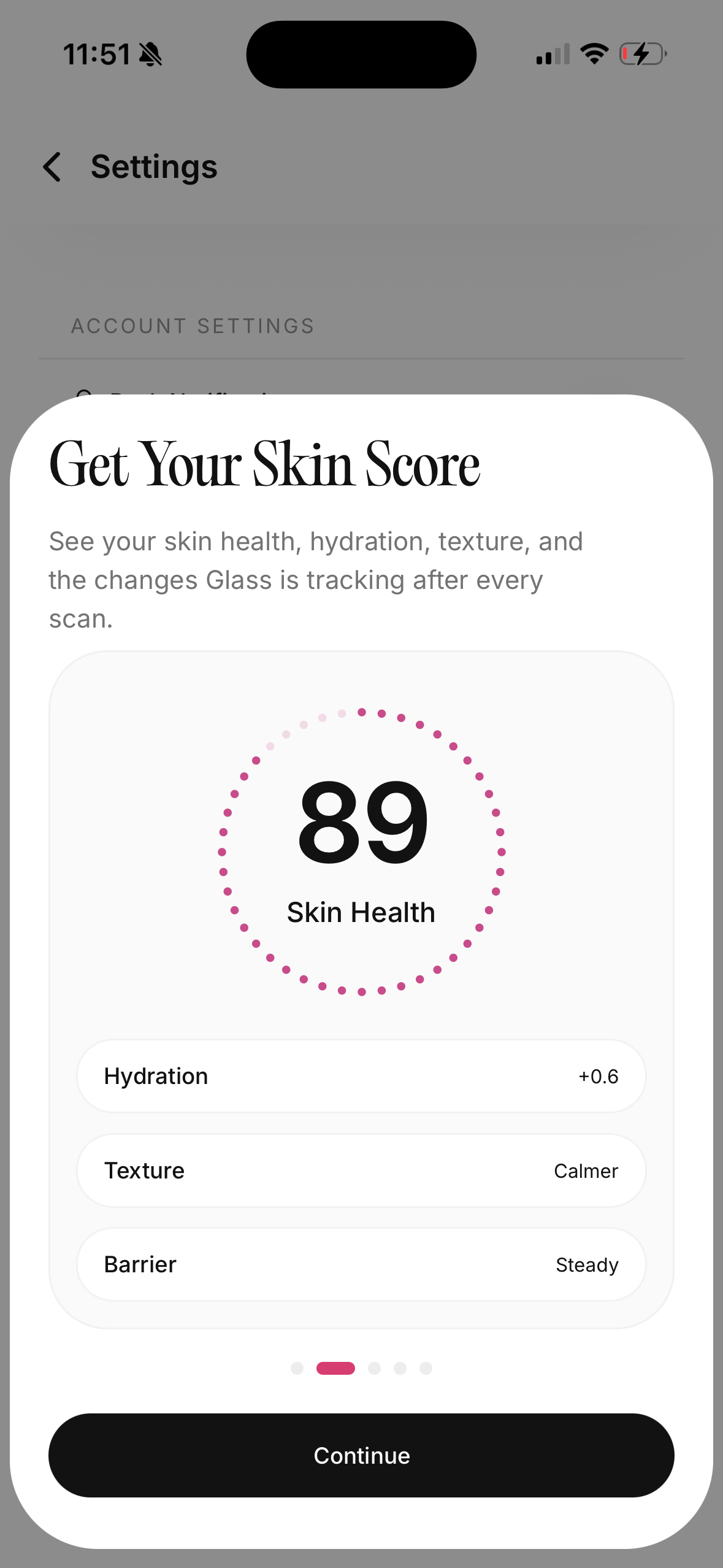
Glass can help connect product changes with visible skin changes, especially if you are trying to figure out whether a cleanser, sunscreen, or moisturizer is clogging you.
When to see a dermatologist
Book care if:
- picked spots are painful or infected-looking
- blackheads are widespread
- you also have inflamed pimples, nodules, or cysts
- marks or scars are developing
- over-the-counter care is not helping
- you cannot stop picking and it is affecting your skin or mood
Skin picking can become its own cycle. It deserves support, not shame.
The bottom line
If blackheads popped, shift from extraction mode to repair mode. Cleanse gently, protect the skin, skip harsh actives on broken areas, and build a prevention routine with salicylic acid or a retinoid if your skin tolerates them.
The goal is not emptier pores for one hour.
It is calmer skin for the next month.
The lesson after the mirror moment
After blackheads are popped, the useful lesson is usually not whether the pore looked cleaner for a minute. It is what happened the next day. If the skin looked calmer, you may have avoided major damage. If it turned red, scabbed, burned, or filled again quickly, the extraction did not solve the problem. I would use that as evidence, not shame. Your skin is telling you whether force is helping or making the cycle longer. Most of the time, prevention with a steady routine beats repeated squeezing.