Breakouts on face skin can make every product feel suspicious.
One week it looks like clogged pores. The next week it looks inflamed. Then a cleanser that seemed fine starts stinging, or a spot that looked small turns into a sore bump you keep checking in the mirror.
The first thing I try to do is slow the situation down. Face breakouts are not one single problem. They can come from acne, irritation, hair products, sunscreen, makeup, shaving, hormones, stress, sweat, friction, or a skin condition that only looks acne-like. A stronger routine is not always a better routine.
This guide is a 2026 way to think through breakouts on face without turning your skin into an experiment every night.
Quick answer
Breakouts on the face are usually easier to manage when you identify the pattern, simplify the routine, and use one acne-treatment lane consistently instead of stacking several harsh products. Benzoyl peroxide, salicylic acid, azelaic acid, and retinoids can help acne-prone skin, but irritation, folliculitis, dermatitis, and deep painful acne may need a clinician or dermatologist.
Get medical care sooner if breakouts are painful, deep, rapidly worsening, draining, crusting, spreading, near the eye, leaving scars, or not improving after a steady routine trial.
Start with the map, not the product
Before buying anything, map where the breakouts show up.
| Area | Common possibilities | First thing to check |
|---|---|---|
| Forehead | Hair products, sweat, hats, clogged pores | Styling products and headwear |
| Cheeks | Phone contact, makeup, sunscreen, pillowcases | Contact surfaces and product residue |
| Chin and jaw | Hormonal timing, shaving, lip products, friction | Recurrence pattern and hair removal |
| Nose | Oil, blackheads, sebaceous filaments | Gentle pore care, not squeezing |
| Hairline | Oils, gels, dry shampoo, conditioner | Product migration |
This map will not diagnose your skin. It simply stops you from treating every bump as the same problem. A forehead full of tiny bumps after a new hair cream needs a different first move than deep chin bumps that return every cycle.
Acne is only one possible lane
Classic acne happens when follicles become clogged with oil and dead skin cells, then inflammation can build. It can show up as whiteheads, blackheads, papules, pustules, nodules, or cyst-like lesions.
But acne-like bumps can also be:
- folliculitis
- ingrown hairs
- perioral dermatitis
- contact dermatitis
- heat rash
- rosacea-like flares
- irritation from too many actives
- allergic or irritant reactions
That is why the question is not just "what acne product is strongest?" It is "what does this pattern actually behave like?"
If bumps are very itchy, very uniform, suddenly widespread, or triggered by heat and sweat, be careful about treating them as ordinary acne. If the skin burns, flakes, or gets rash-like after products, the barrier may need fewer steps before it needs more treatment.
The two-week routine reset
When the face is breaking out and irritated, I like a two-week reset because it creates a clean baseline.
Morning:
- Gentle cleanser or water rinse.
- Light moisturizer if skin feels tight.
- Sunscreen.
Night:
- Gentle cleanse.
- One treatment lane if already tolerated.
- Moisturizer.
Pause scrubs, peel pads, new serums, fragranced oils, strong masks, and any product that stings for more than a brief moment. This is not about giving up on active ingredients. It is about removing noise so you can tell what your skin is doing.
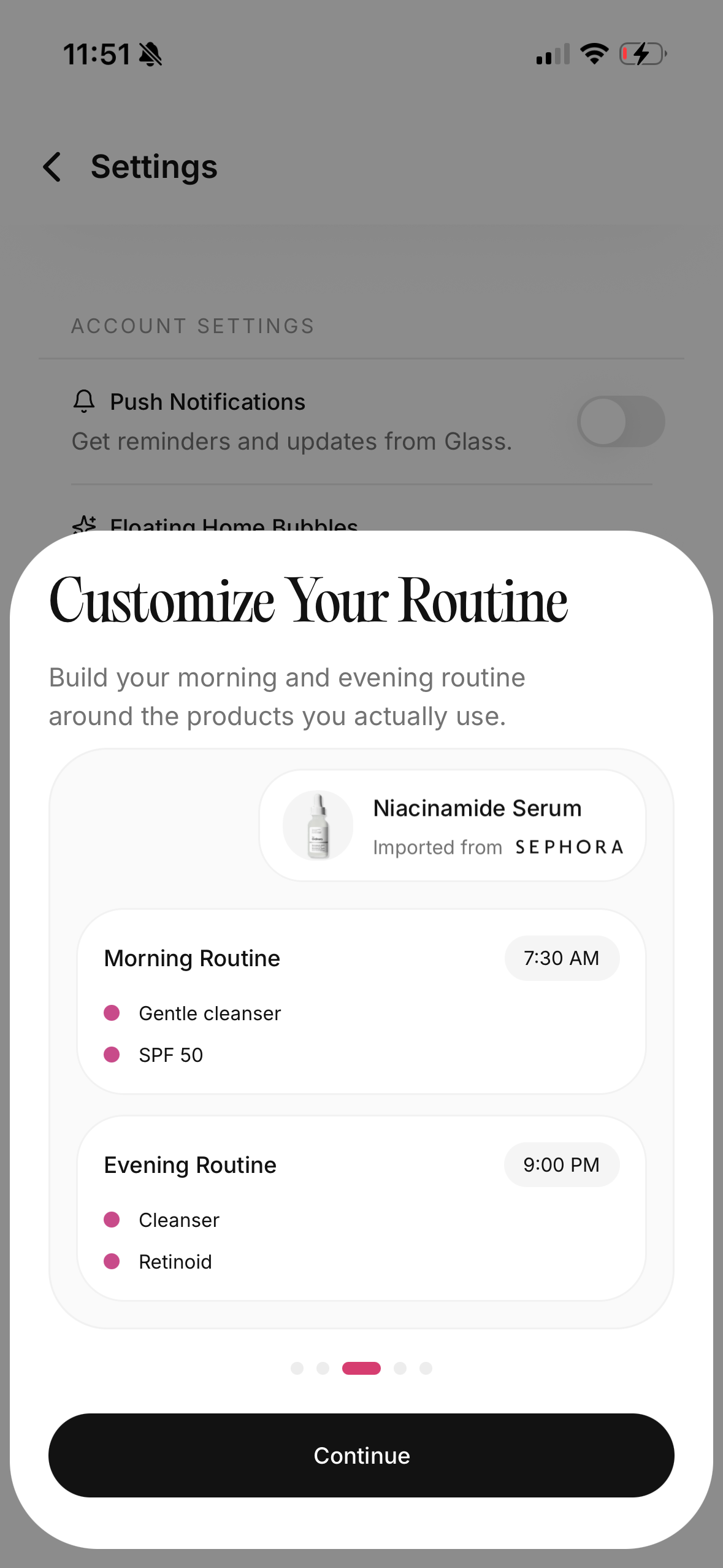
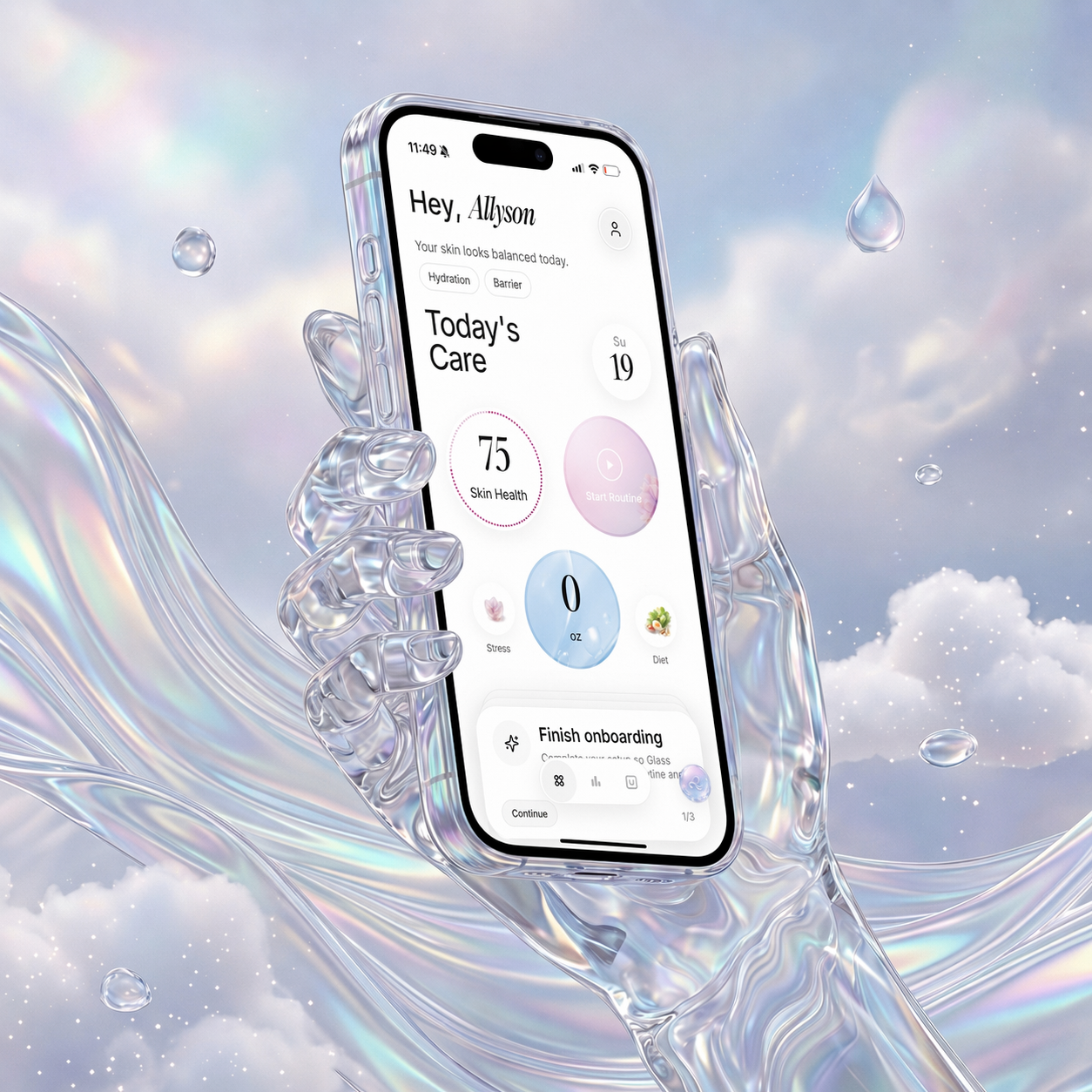
If you use Glass, log the reset as a simple experiment: start date, products paused, active used, and where new breakouts appear. The notes do not need to be dramatic. They need to be consistent.
Choose one active, not five
Most breakout routines fail because they become too crowded.
Benzoyl peroxide can help inflamed acne and is often used in acne treatment plans. It can dry the skin and bleach fabric, so start carefully.
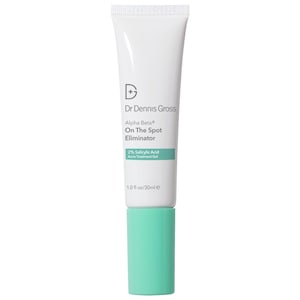
Salicylic acid can help clogged pores and surface congestion. A targeted option like Dr. Dennis Gross 2% Salicylic Acid Acne Treatment Gel belongs in a restrained routine, not layered under three other exfoliants.
Azelaic acid can support blemish-prone skin, visible redness, and post-breakout marks for some people. The Ordinary Azelaic Acid Suspension 10% is one example.
Topical retinoids are more prevention than instant rescue. They need patience and barrier support.
Pick one lane first. Judge it over weeks, unless it causes obvious irritation.
Why your face may break out after a new routine
A new routine can trigger breakouts for several reasons.
Sometimes the product is too heavy for your skin. Sometimes a cleanser strips the barrier, and irritation looks like more acne. Sometimes a retinoid causes an early adjustment period. Sometimes you started several products at once and cannot identify the culprit.
The practical rule is simple: change one major thing at a time. If you start a cleanser, serum, moisturizer, and spot treatment in the same week, you lose the ability to troubleshoot.
Also watch for delayed reactions. A breakout today may reflect a product, sweat pattern, or irritation that started days earlier. That lag is why tracking matters.
Face breakouts and makeup
Makeup does not have to be banned, but it should be easy to remove and comfortable to wear.
If breakouts cluster where foundation is thickest, try thinner layers and a full removal step at night. If concealer flakes around acne spots, the area may be over-dried from spot treatment. If breakouts sit along the hairline or jaw, check bronzer, contour, setting spray, and hair product transfer.
Wash brushes and sponges. Replace old products that smell different or separate. Avoid using heavy makeup to cover a spot you are also aggressively treating, because the skin can end up both congested and irritated.
Sunscreen can be part of the problem or the solution
People with acne-prone skin sometimes skip sunscreen because they fear breakouts. That can create a different problem: post-breakout marks look darker and last longer when sun exposure is unmanaged.
The goal is not to tolerate a sunscreen that clearly breaks you out. The goal is to find one your skin accepts and remove it properly at night.
If sunscreen seems suspicious, test it like any other product. Keep the rest of the routine stable, use the sunscreen daily for a short trial, and watch the pattern. Greasy discomfort is not the same as acne, but both are useful signals.
Hair products are a common hidden trigger
Hair products can move onto the face during the day and while sleeping. Leave-in conditioner, edge control, oils, dry shampoo, fragrance, and styling cream can collect around the forehead, temples, cheeks, and jaw.
Try this if breakouts sit near the hairline:
- Keep hair products off facial skin.
- Wash your face after styling.
- Change pillowcases more often.
- Tie hair away from the face at night.
- Rinse conditioner off the face, neck, chest, and back before leaving the shower.
This one change can be more useful than adding another acne product.
Do not squeeze as a treatment plan
Squeezing feels productive because it gives you something to do. It can also drive inflammation deeper, tear the skin, introduce bacteria, and leave marks that outlast the original breakout.
If a pimple is deep, painful, or does not have an obvious surface opening, leave it alone. A warm compress may help comfort. A hydrocolloid patch can protect a surface spot from picking, but it will not pull out a deep nodule like a magnet.
For more detail on deeper bumps, see under the skin pimple.
When prescription care makes sense
Prescription acne care is not a failure. It is a different lane.
Ask a clinician or dermatologist about prescription options if:
- breakouts are deep or painful
- acne is leaving scars or dark marks
- over-the-counter care is not helping
- acne is affecting your mood or confidence
- bumps are recurrent in the same zones
- breakouts are sudden and severe
- you may need a medication plan that avoids irritation
Bring your routine, photos, timing notes, and what you have already tried. That makes the visit more practical.
Red flags to take seriously
Seek medical care if you notice:
- rapidly spreading redness
- warmth, swelling, or severe pain
- fever or feeling unwell
- pus-filled bumps that keep enlarging
- crusting, open sores, or drainage
- a breakout near the eye that worsens
- sudden severe acne
- recurrent deep bumps that scar
- itchy uniform bumps that do not behave like acne
Skin does not need to be dramatic to deserve care. Earlier help can prevent weeks of guessing.
A realistic 2026 plan
Here is the plan I would use for face breakouts:
- Map the location and timing.
- Simplify the routine for two weeks.
- Remove obvious contact triggers.
- Pick one active ingredient lane.
- Moisturize enough to protect tolerance.
- Avoid squeezing.
- Track photos and notes.
- Escalate if painful, scarring, spreading, or persistent.
The best routine is not the most intense one. It is the one your skin can tolerate long enough to show whether it is working.