A pimple is not a routine. It is a moment.
That is why benzoyl peroxide for pimples needs a different conversation than benzoyl peroxide as a general acne ingredient. When a bump is already red, tender, swollen, or pus-tipped, the question becomes practical: do you dab it, wash the area, treat the whole zone, leave it alone, or ask for help because this is deeper than a normal breakout?
In 2026, the smartest benzoyl peroxide choice around active pimples is usually about format. A spot treatment, a wash, and a leave-on layer can all make sense, but not for the same bump and not for the same skin.
Quick answer
Benzoyl peroxide can help active inflamed pimples, especially red bumps and pustules. Use a spot treatment for an occasional surface pimple, a wash for acne-prone areas or body breakouts, and a thin leave-on layer for zones where inflamed pimples keep appearing. Do not use it as punishment for deep cyst-like bumps, raw picked skin, or irritated skin.
If pimples are painful, deep, scarring, spreading, or not improving with a careful routine, talk with a dermatologist or other qualified clinician.
First decide what kind of pimple it is
Before choosing a benzoyl peroxide format, look at the bump.
An active surface pimple may be red, tender, and close to the skin surface. It may have a visible white center or feel like it is becoming one. Benzoyl peroxide can be a reasonable fit here.
A deep under-the-skin bump feels different. It may be sore, swollen, and firm without a visible head. Benzoyl peroxide on the surface may not do much quickly because the main inflammation is deeper. Overapplying can make the skin above it dry and angry while the bump remains.
Raw picked skin is another category. If the pimple is open, bleeding, cracked, or scraped, benzoyl peroxide may sting badly and delay comfort. Protection and gentle care may matter more at that point.
The spot-treatment lane
A benzoyl peroxide spot treatment makes sense when you have one or two inflamed pimples and the surrounding skin is not breaking out.
Use the smallest amount that covers the raised area. More product does not push the pimple down faster. It just spreads irritation to normal skin around the pimple, which can create a dry ring that looks worse under makeup and feels worse during cleansing.
Spot treatment fits:
- one red pimple with a clear edge
- a small pustule that is not raw
- an occasional chin or forehead bump
- people who do not need full-zone acne treatment
It is not ideal when new pimples keep forming across the same area. In that case, you may be chasing each bump after it appears instead of treating the acne-prone zone.
The wash lane
A benzoyl peroxide wash is useful when the problem covers an area rather than one dot.
Think jawline clusters, forehead breakouts, chest acne, shoulder acne, or back acne. A wash can give short contact across the zone and then rinse away, which may be easier to tolerate than a leave-on product.
The mistake is rinsing immediately. If the product label allows brief contact time, let it sit for a short window before rinsing thoroughly. Keep it away from eyes, lips, and sensitive folds.
Wash fits:
- body acne
- acne-prone zones that get several pimples at once
- skin that dries out with leave-on benzoyl peroxide
- people who want a simple shower step
Use white towels because rinsed products can still bleach fabric.
The leave-on lane
A leave-on benzoyl peroxide gel or cream is the more committed option.
It makes the most sense when active pimples are part of a repeating pattern in a defined area. Instead of dotting every new bump, you apply a thin layer to the acne-prone zone so the treatment is present before the next pimple fully develops.
Leave-on fits:
- repeated inflamed pimples in the same area
- oily, resilient skin that tolerates acne actives
- routines with enough moisturizer and sunscreen support
- clinician-guided plans that include benzoyl peroxide
The risk is turning one zone treatment into a whole-face drying mask. Avoid eyelids, lips, neck creases, and dry patches unless a clinician specifically tells you otherwise.
The no-benzoyl-peroxide lane
Sometimes the best choice is not benzoyl peroxide today.
Skip it if the area is:
- sunburned
- freshly waxed or shaved
- raw from picking
- cracked or bleeding
- severely peeling
- burning from another active
- covered in a rash-like pattern
- near the eye or lip
This is not being timid. It is recognizing that irritated skin is poor ground for strong acne treatment. You can restart later at a lower frequency if the skin calms and the pimple pattern still fits.
Spot, wash, or leave-on: a simple decision table
| Situation | Better first choice | Why |
|---|---|---|
| One surface pimple | Spot treatment | Keeps exposure limited |
| Several pimples in one zone | Thin leave-on layer | Treats the area, not just each bump |
| Chest, back, or shoulders | Wash | Easier coverage and rinse-off contact |
| Sensitive skin | Wash or low-frequency spot use | Less continuous exposure |
| Deep sore bump | Clinician guidance if recurring | Surface drying may not reach the issue |
| Picked open spot | Gentle protection first | Benzoyl peroxide may sting and irritate |
Use the table as a starting point, not a medical rule. Acne patterns and skin tolerance vary.
Morning versus night
Benzoyl peroxide can be used in morning or night routines, depending on the product and your life.
Morning use may be practical for people who use a retinoid at night. The downside is fabric bleaching around collars and towels, plus possible pilling under sunscreen or makeup.
Night use can be easier because you are not layering as much. The downside is pillowcase bleaching. Let the product dry fully and use white pillowcases during the adjustment period.
If you use prescription acne medication, ask how to space it. Do not assume all strong steps can sit together.
What to put underneath
For most benzoyl peroxide products, clean and dry skin is the usual starting point. Wet skin can make some actives feel more irritating.
Do not layer a cocktail under a spot treatment. Heavy oil, thick balm, exfoliating serum, or another acne gel can change how the product behaves and may make irritation more likely.
If your skin is sensitive, a moisturizer buffer may be reasonable with some leave-on routines, but follow your product label or clinician instructions. The more reactive your skin is, the more valuable a simple plan becomes.
What to put on top
Moisturizer is not optional for many people using benzoyl peroxide.
Choose a moisturizer that feels calm, not spicy. Lightweight gel-cream may work for oily skin. A richer cream may help if dryness becomes the reason you stop treatment. In the morning, sunscreen goes over moisturizer.
Avoid sealing a thick occlusive layer over a strong acne spot unless you know your skin tolerates it. Trapping irritation under heavy layers can backfire for some people.
How fast should a pimple change?
A surface pustule may look less angry after a day or two. A red bump may take longer. A deep sore bump may barely respond.
Do not judge the entire ingredient by one stubborn pimple. Judge the pattern over several weeks:
- Are new inflamed pimples less frequent?
- Are pustules shorter-lived?
- Is the area less tender?
- Is your skin still comfortable enough to continue?
- Are you creating dryness marks around every spot?
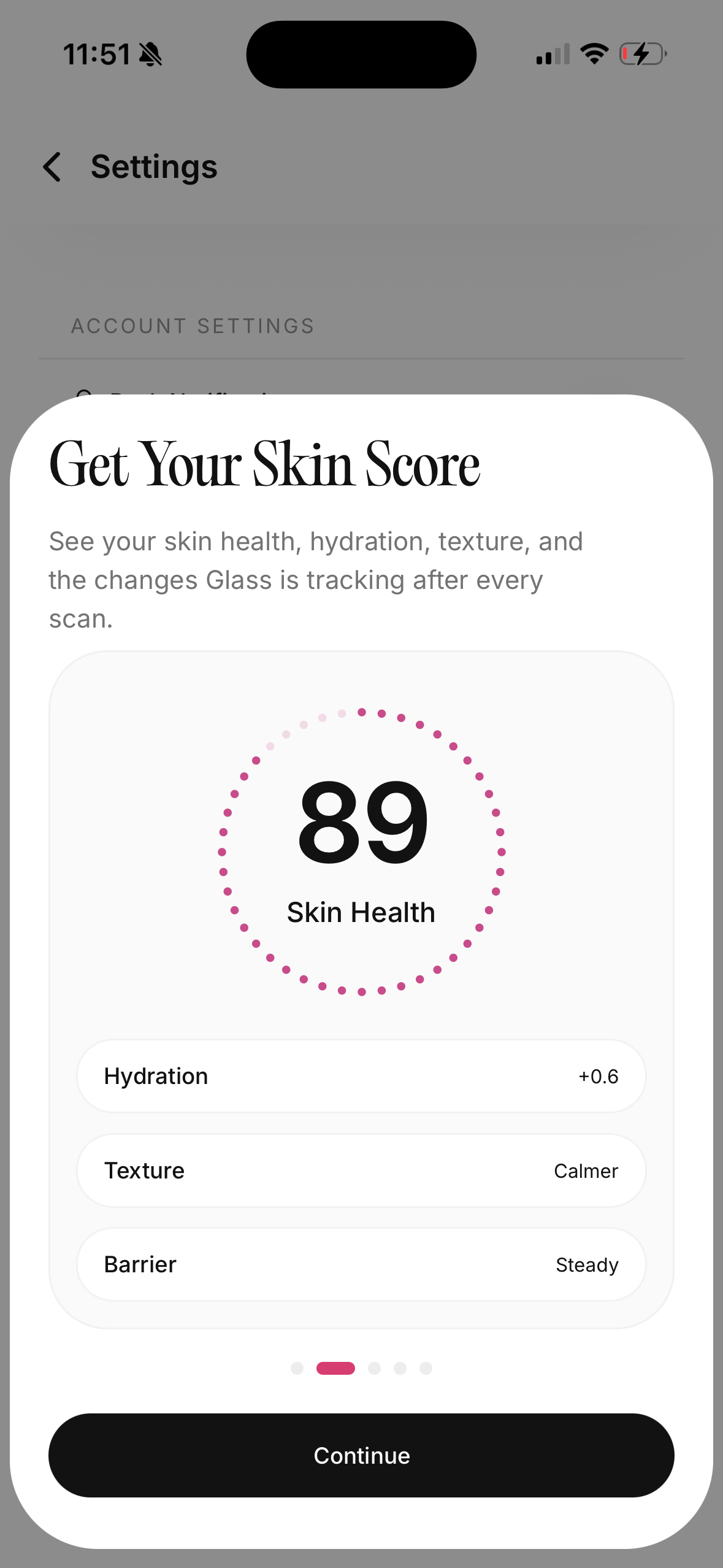
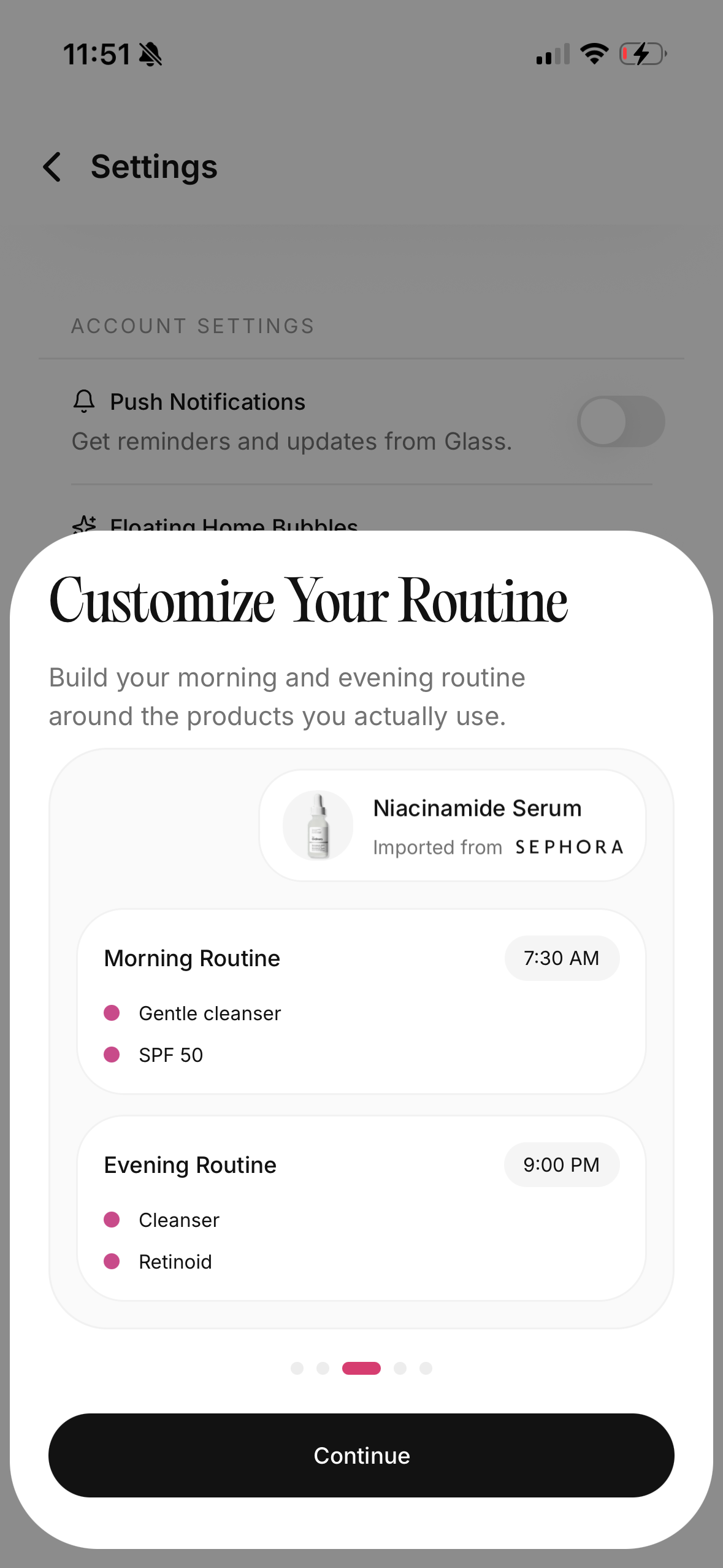
Glass routine tracking helps because active-pimple panic makes people forget how often they applied a treatment.
Mistakes that make pimples look worse
The most common benzoyl peroxide mistakes are not complicated:
- applying too much
- applying too often
- combining with several exfoliants
- rubbing it into raw skin
- using the strongest strength first
- skipping moisturizer
- expecting a deep cyst to flatten overnight
- bleaching fabric and then quitting out of frustration
These mistakes are fixable. Lower the strength, reduce the frequency, change the format, and simplify the routine around the treatment.
If the pimple is already improving
Do not keep escalating just because the pimple is still visible.
Once tenderness is down, swelling is lower, and the surface is drying without cracking, stay steady or back off. Many pimples look worse when the treatment continues after the active inflammation has settled. A dry flake, dark mark, or red outline can last longer than the original bump if you keep applying benzoyl peroxide twice a day out of impatience.
At that stage, moisturizer, sunscreen, and not picking may do more for the final look than another layer of treatment.
When to ask for prescription help
Ask for help if active pimples are frequent, painful, deep, scarring, or emotionally hard to manage. Ask sooner if acne appears suddenly, if lesions are hot or spreading, or if you are not sure they are acne.
A clinician may discuss topical retinoids, prescription benzoyl peroxide combinations, topical antibiotics paired appropriately, oral medicines, hormonal options, or other diagnoses. The right answer depends on the pattern.
Benzoyl peroxide can be part of a serious acne plan, but it should not be the only tool when acne is clearly beyond occasional surface pimples.
Bottom line
For active pimples, benzoyl peroxide is a format decision. Spot treat the occasional surface bump, use a wash for broader or body-prone areas, and consider a thin leave-on approach for recurring inflamed zones if your skin tolerates it.
The product should make the pimple plan simpler. If it turns every breakout into burning, peeling, stained towels, and guesswork, change the format or ask for a better plan.