Benzoyl peroxide and tretinoin can be a strong acne pairing.
They can also make your face feel like paper if you rush.
The reason people combine them is straightforward: benzoyl peroxide helps reduce acne-causing bacteria and can be useful for inflamed pimples, while tretinoin helps normalize clogged pores over time. They work on different parts of acne. That is useful.
But useful does not mean you should apply both at the same time, every night, on damp skin, under a heavy layer of other actives.
This is a practical guide to using benzoyl peroxide and tretinoin with less irritation. It is not a substitute for your dermatologist’s instructions, especially if you are pregnant, trying to conceive, breastfeeding, using other prescriptions, or dealing with severe acne.
Quick answer
Many routines separate benzoyl peroxide and tretinoin by time of day or by alternating nights to reduce irritation and avoid conflicts. Mayo Clinic advises not applying tretinoin at the same time as benzoyl peroxide. A common approach is benzoyl peroxide in the morning or as a short-contact wash, tretinoin at night, and moisturizer plus sunscreen every day.
If your dermatologist gave you a specific plan, follow that plan.
What benzoyl peroxide does
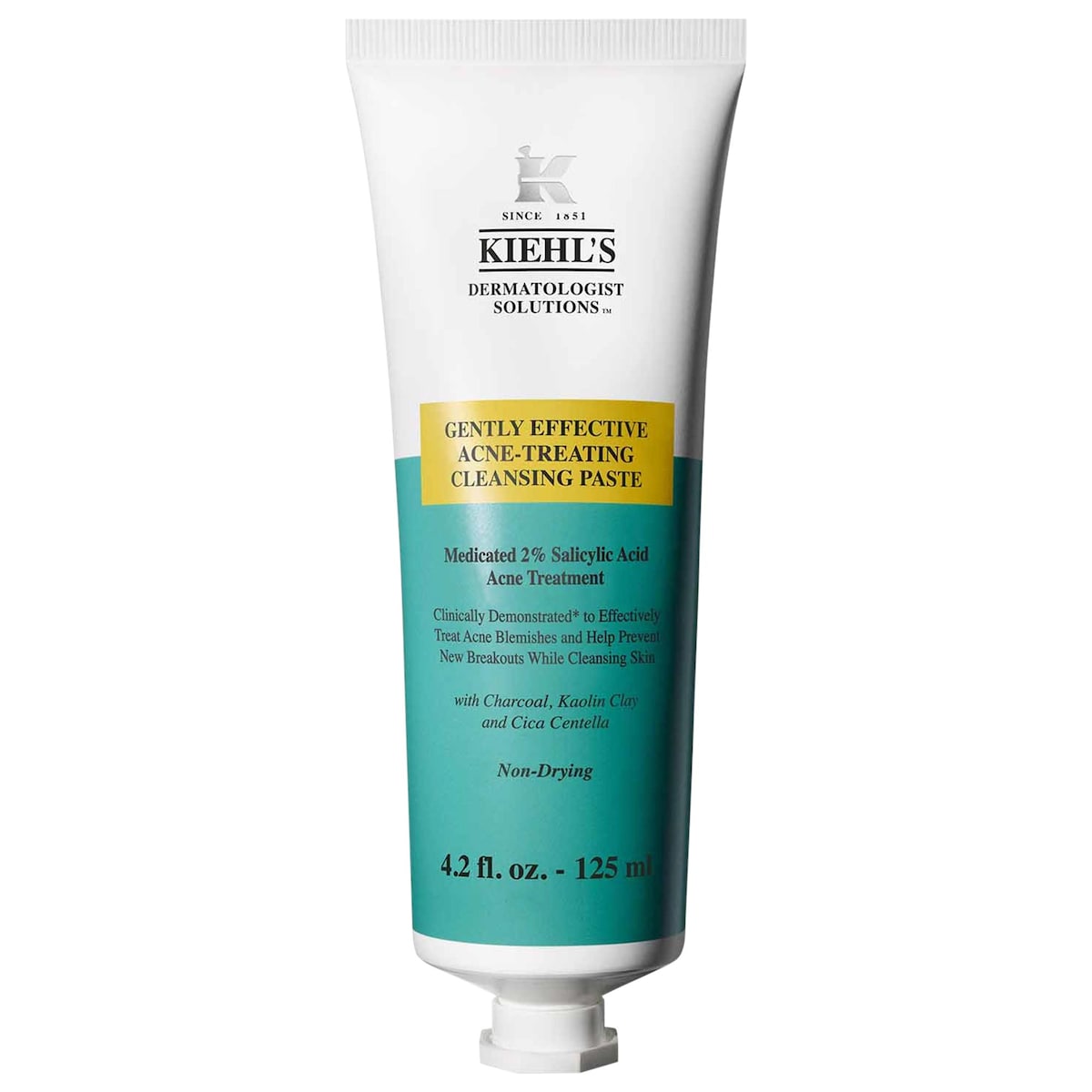
Benzoyl peroxide is an acne ingredient used for inflammatory pimples. It helps reduce acne-causing bacteria and can also have some pore-clearing benefits.
It comes in:
- Cleansers.
- Wash-off treatments.
- Leave-on gels.
- Creams.
- Spot treatments.
- Prescription combinations.
The downside is irritation. Benzoyl peroxide can cause dryness, peeling, burning, and redness. It can also bleach towels, pillowcases, shirts, and hairline fabric.
More strength is not automatically better. Many people tolerate lower strengths better and therefore use them more consistently.
What tretinoin does
Tretinoin is a prescription retinoid. It helps regulate how skin cells shed inside pores, which can reduce clogged pores and acne over time. It can also improve texture and visible signs of photoaging, depending on the use case.
The downside is also irritation.
Tretinoin can cause:
- Dryness.
- Peeling.
- Stinging.
- Temporary acne flare.
- Sun sensitivity from a more fragile-feeling barrier.
- Irritation around the mouth, nose, and eyes.
Tretinoin is a long-game product. It is not a quick spot treatment for a pimple that appeared this morning.
Why timing matters
The classic concern is that benzoyl peroxide can interfere with tretinoin when applied together, and the combination can be irritating. Some newer prescription combinations are designed differently, but you should not assume your separate products behave like a formulated prescription.
That is why many routines separate them.
| Routine style | Morning | Night | Best for |
|---|---|---|---|
| Split routine | Benzoyl peroxide wash or gel | Tretinoin | People who tolerate both |
| Alternating nights | Gentle routine | Tretinoin one night, benzoyl peroxide another | Sensitive or dry skin |
| Short-contact BP | Benzoyl peroxide wash briefly, then rinse | Tretinoin later | Irritation-prone acne |
| Dermatologist plan | As prescribed | As prescribed | Moderate to severe acne |
If your face is burning, the answer is not to power through harder. It is to adjust.
A beginner-friendly routine
Here is a conservative starting structure to discuss with your dermatologist:
Morning:
- Gentle cleanser or rinse.
- Benzoyl peroxide wash or thin leave-on if recommended.
- Moisturizer.
- Sunscreen.
Night:
- Gentle cleanser.
- Wait until skin is dry.
- Moisturizer buffer if needed.
- Pea-sized tretinoin for the whole acne-prone area.
- Moisturizer again if dry.
The pea-size detail matters. Tretinoin is usually used for an area, not dotted only on active pimples.
How to reduce irritation
The barrier is not a side quest. It is what lets you keep using acne treatment.
Try:
- Start tretinoin two or three nights a week if directed.
- Apply to fully dry skin.
- Avoid corners of the nose, mouth, and eyes.
- Use moisturizer before and after tretinoin if sensitive.
- Keep exfoliating acids out at first.
- Avoid scrubs.
- Use sunscreen every morning.
- Stop adding new products while adjusting.
A moisturizer like Skinfix Barrier Restoring Gel Cream can fit acne-prone routines when the skin needs hydration without a heavy feel.
Where salicylic acid fits
Salicylic acid can be helpful for clogged pores, but combining it with benzoyl peroxide and tretinoin can be too much for many people.
If you already use tretinoin and benzoyl peroxide, think carefully before adding a salicylic acid cleanser, toner, or spot gel. A product like Dr. Dennis Gross 2% Salicylic Acid Acne Treatment Gel may make sense for some routines, but not if your skin is already peeling or stinging.
One acne active used well beats three acne actives used angrily.
What to expect in the first months
Tretinoin takes time. Benzoyl peroxide may work faster on inflamed lesions, but the full routine still needs patience.
Common early experiences:
- Dryness in the first few weeks.
- Peeling around the mouth or nose.
- Pimples that were already forming becoming visible.
- Needing more moisturizer than expected.
- Feeling tempted to quit or overuse.
Call your prescriber if irritation is severe, painful, or not manageable. There may be a lower strength, different vehicle, slower schedule, or alternate medication.
Morning versus night examples
If your clinician has not given a different plan, the cleanest structure is usually to keep benzoyl peroxide and tretinoin apart.
Example one:
- Morning: gentle cleanse, benzoyl peroxide wash, moisturizer, sunscreen.
- Night: gentle cleanse, moisturizer, tretinoin, moisturizer.
Example two:
- Morning: gentle cleanse, moisturizer, sunscreen.
- Night one: tretinoin routine.
- Night two: benzoyl peroxide leave-on or wash-off routine.
- Night three: recovery night with only cleanser and moisturizer.
Example three:
- Morning: benzoyl peroxide spot or thin layer only where directed.
- Night: tretinoin on the full acne-prone area.
- Recovery: pause actives if peeling becomes painful.
The exact version depends on your skin. The point is that your calendar should be clear enough that you are not standing at the sink wondering whether tonight is a tretinoin night.
What to do when your barrier is already irritated
If your face is stinging when you apply plain moisturizer, you are not in a normal "push through" phase. Your barrier needs a reset.
A short reset may look like:
- Gentle cleanser only at night.
- Moisturizer morning and night.
- Sunscreen in the morning.
- No exfoliating acids.
- No scrubs.
- No benzoyl peroxide until burning calms.
- No tretinoin until your prescriber says to restart or your skin feels normal again.
If acne flares during the reset, that is frustrating, but inflamed skin often cannot tolerate effective treatment anyway. A dermatologist can help you restart with a lower frequency, lower strength, or different base.
Pregnancy and breastfeeding caution
This section matters.
If you are pregnant, trying to conceive, or breastfeeding, talk with your clinician before using tretinoin, benzoyl peroxide, or any acne prescription. AAD says most experts recommend stopping tretinoin during pregnancy, and Mayo Clinic notes that some acne medicines, especially oral isotretinoin, must be avoided in pregnancy.
Benzoyl peroxide is often discussed as an option during pregnancy, but your care team should still guide use. Pregnancy is not the time to freestyle active ingredients.
Common mistakes
The mistakes I see most often are:
- Using tretinoin as a spot treatment.
- Applying too much tretinoin.
- Applying tretinoin to damp skin.
- Using benzoyl peroxide and tretinoin together without guidance.
- Skipping moisturizer because skin is oily.
- Adding exfoliating acids too soon.
- Quitting sunscreen.
- Scrubbing flakes off.
- Changing the routine every week.
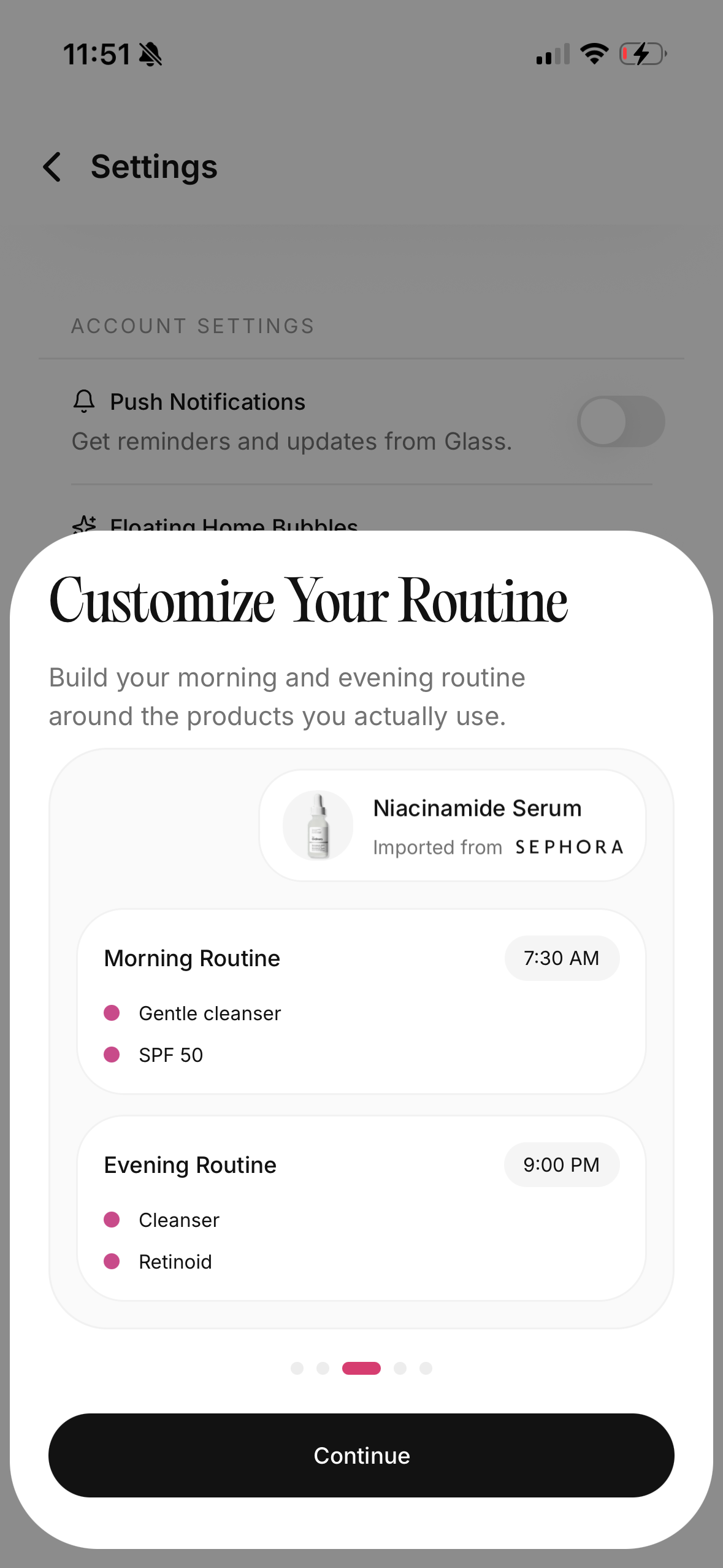
In Glass, I would separate morning and night steps clearly so benzoyl peroxide and tretinoin are not accidentally stacked.
When to see a dermatologist
See a dermatologist if:
- Acne is scarring.
- You have deep painful nodules.
- Over-the-counter routines keep failing.
- You cannot tolerate tretinoin.
- You are getting dark marks after every breakout.
- Acne is affecting your mood or confidence.
- You need pregnancy-safe treatment planning.
- You are using multiple prescriptions and feel lost.
Acne treatment should be adjusted to your skin, not endured like a punishment.
How to judge whether it is working
Judge the routine by both acne and tolerance.
Good signs include fewer new inflamed pimples, faster healing, fewer clogged pores, and skin that can tolerate moisturizer and sunscreen without burning. Bad signs include painful peeling, raw patches, swelling, worsening irritation, or feeling like every product stings.
Progress can be uneven. A routine can be effective but too irritating, and that still needs adjustment. The best acne plan is one you can keep using.
Consistency beats intensity here, especially with acne-prone skin.
The calm takeaway
Benzoyl peroxide and tretinoin can work well together when they are spaced thoughtfully and supported by moisturizer and sunscreen.
Do not stack them casually. Do not chase faster results by doubling irritation. Keep the routine simple, separate timing when appropriate, protect your barrier, and follow your clinician’s instructions.
Clearer skin is the goal.
Keeping your face comfortable enough to stay consistent is how you get there.
The margin for error is smaller
With benzoyl peroxide and tretinoin, I would leave more room for moisturizer, sunscreen, and rest nights than I think I need at first.