Itchy pimples on the body are confusing.
Acne can be sore or tender, but itch changes the question. Itchy bumps on the chest, back, shoulders, buttocks, thighs, or arms may be acne. They may also be folliculitis, heat-related irritation, contact dermatitis, insect bites, eczema-like irritation, or another rash that only looks like pimples at first glance.
That means the safest 2026 plan is not to attack everything with acne products. It is to look at the pattern, reduce sweat and friction, avoid heavy occlusion, and know when itch plus bumps needs a clinician.
Quick answer
Itchy pimples on the body may be acne-like bumps from inflamed hair follicles, sweat, heat, friction, product irritation, or true body acne. Do not keep stacking acne washes if the bumps are very itchy, uniform, spreading, blistering, crusting, painful, or not improving. Reduce friction and sweat, use gentle cleansing, avoid heavy oils, and seek medical care for infection signs, severe itch, recurrent boils, fever, or widespread rash.
Why itch matters
Itch suggests that irritation, inflammation, allergy, follicle inflammation, heat, or rash may be involved. Acne can itch sometimes, especially when skin is dry or healing, but intense itch is a reason to pause and reassess.
If you treat itchy bumps as acne and use harsh washes twice daily, you can dry and irritate the skin further. Then itch increases, scratching increases, and the bumps look worse.
Acne vs folliculitis vs irritation
| Pattern | Possible direction | Safer first step |
|---|---|---|
| Mixed blackheads, whiteheads, red bumps | Body acne | Acne wash carefully |
| Same-size itchy bumps near hairs | Folliculitis-like | Avoid occlusion and consider care |
| Rash under clothing or straps | Contact or friction irritation | Remove trigger and soothe |
| Bumps after sweating | Heat, sweat, follicle irritation | Shower/change quickly |
| Painful recurring lumps | Not simple acne | Dermatology evaluation |
You do not need to name the condition perfectly. You need to notice when the pattern is not ordinary body acne.
Common body triggers
Itchy pimple-like bumps often follow contact.
Check:
- sweaty workout clothes
- tight synthetic fabric
- sports bras
- backpacks
- compression gear
- body oils
- fragranced lotion
- sunscreen
- laundry detergent
- fabric softener
- hair conditioner on the back
- shaving or waxing
- hot tubs or pools
- helmets and pads
If the bumps show up exactly where something touches or traps sweat, start there.
What to do first
For mild itchy body bumps:
- Switch to gentle cleansing.
- Shower after sweating when practical.
- Change out of damp clothing.
- Avoid heavy oils and thick occlusive balms.
- Wear breathable fabrics.
- Stop scratching.
- Pause new fragranced body products.
If the skin is raw, cracked, or rash-like, skip acne actives and get advice if it does not calm quickly.
When body acne products can help
If the pattern looks like body acne and itch is mild, acne washes may help.
A salicylic acid cleanser can support clogged pores. A sulfur cleanser can suit some oily acne-prone body routines. Benzoyl peroxide can help inflammatory acne, but it can bleach fabrics and irritate sensitive skin.
Kate Somerville Sulfur Cleanser is one acne cleanser example. Use it as a possible lane, not as proof that every itchy bump is acne.

Start slowly. Rinse well. Moisturize if the skin feels tight.
When acne products can make it worse
Acne products can worsen itchy body bumps when the real issue is irritation or dermatitis.
Be careful if:
- skin burns in the shower
- bumps are in a sharp clothing pattern
- the area is peeling
- itch is stronger than tenderness
- bumps appeared after a new detergent or lotion
- bumps are widespread and rash-like
- scratching causes welts
In these cases, reducing triggers and getting medical advice can be better than adding stronger acne care.
Folliculitis-like bumps
Folliculitis means hair follicles are inflamed. It can create acne-like bumps that may itch or contain pus. It can happen in areas exposed to sweat, heat, friction, shaving, or occlusive products.
Do not pick or squeeze these bumps. If they are spreading, painful, recurrent, pus-filled, or not improving, see a clinician. Folliculitis can have different causes, and the treatment depends on the cause.
When itch follows a new product
If itchy body bumps appear after a new lotion, body wash, fragrance, sunscreen, detergent, or fabric softener, treat the timing as important. Stop the new product if it is not medically required, wash clothing and towels that hold the residue, and use a bland routine while the skin calms.
Do not replace the new product with three more new products. That makes the pattern harder to understand. If the reaction is widespread, blistering, swollen, or associated with breathing trouble or facial swelling, seek urgent care.
Moisturizing itchy body skin
Itchy skin is often more reactive when it is dry. A simple fragrance-free moisturizer can help some irritation patterns, especially after showering. Apply it to dry or itchy areas that are not open, infected-looking, or actively draining.
For acne-prone areas, keep the texture light and avoid heavy oils. For rash-like areas, choose bland over active. If moisturizer burns every time, the skin may need medical evaluation.
Do not ignore sleep disruption
Itch that keeps you awake is not a minor cosmetic issue. Poor sleep can make scratching more likely, and repeated scratching can break the skin. If body bumps itch enough to interrupt sleep, spread quickly, or require constant antihistamine use, ask a clinician what is actually causing the rash-like pattern.
Bring photos from daytime and nighttime if the rash changes, because some itchy patterns look calmer by appointment time.
Hot tubs, pools, and sweat
If itchy bumps appear after hot tubs, pools, shared equipment, or heavy sweating, note the timing. Water exposure and damp clothing can be part of some follicle-irritation patterns.
Shower after exposure. Wash swimsuits and workout clothing. Avoid sitting in damp fabric. If bumps are widespread, very itchy, or pustular, get medical advice rather than guessing.
Itchy bumps on the back and chest
Back and chest bumps are often blamed on acne, but itch should make you consider sweat, hair products, and follicle inflammation.
For the back:
- rinse conditioner away
- wash the back last
- change sweaty shirts quickly
- clean sports gear
- avoid heavy body oils
For the chest:
- wash sports bras often
- remove sweaty tops
- avoid fragranced body sprays on bumpy skin
- keep hair oils off the chest
For back-specific acne planning, see bacne.
Itchy bumps on buttocks or thighs
Buttocks and thigh bumps often involve friction, sitting, sweat, tight clothing, or hair follicles. They may be acne-like, folliculitis-like, ingrown hairs, or irritation.
Try breathable clothing, showering after sweat, not rewearing tight workout bottoms, and avoiding heavy oils. If bumps are painful, draining, recurring as boils, or leaving scars, see a dermatologist.
Painful recurring lumps in skin-fold areas deserve special attention because they may not be simple pimples.
Scratching and picking
Scratching turns itchy bumps into broken skin. Broken skin can sting, crust, bleed, and become more vulnerable to infection.
Keep nails short. Use cool compresses for itch. Wear soft breathable clothing. If itch is intense enough that you cannot stop scratching, that is a reason to get medical care.
Do not use exfoliating gloves on inflamed itchy bumps. Friction may feel satisfying for seconds and worsen the skin afterward.
Red flags
Seek medical care if you notice:
- fever
- rapidly spreading rash
- severe itch
- severe pain
- warmth or swelling
- pus that keeps draining
- red streaks
- blisters
- crusting or open sores
- recurrent boils
- bumps near the genitals with pain or ulcers
- shortness of breath or facial swelling after a possible allergy
- no improvement after basic trigger reduction
If you are immunocompromised, have diabetes, or have a history of serious skin infections, get medical advice sooner.
How to track it
Track:
- location
- itch level
- pain level
- sweat exposure
- clothing contact
- shaving or waxing
- new detergent or lotion
- water exposure
- pus or crusting
- how long it lasts
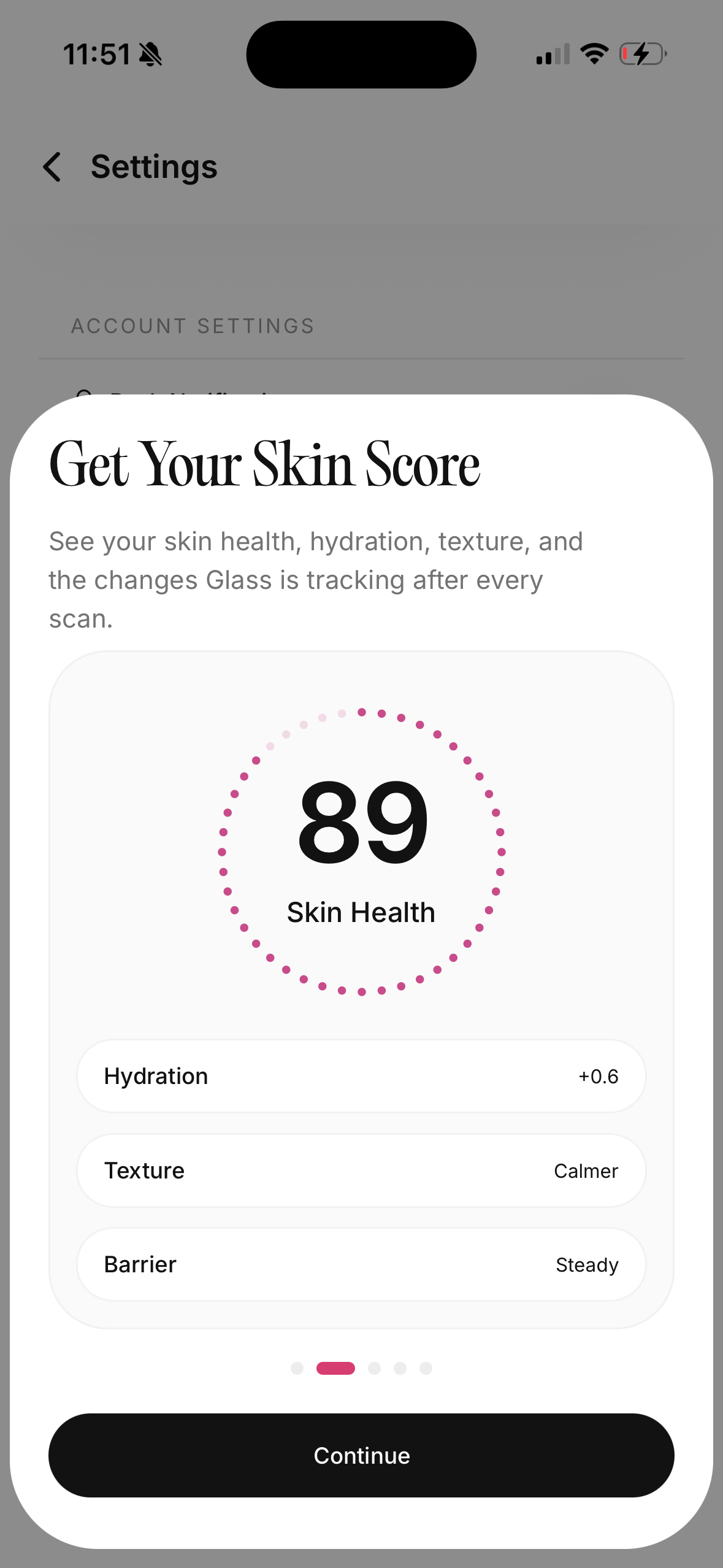
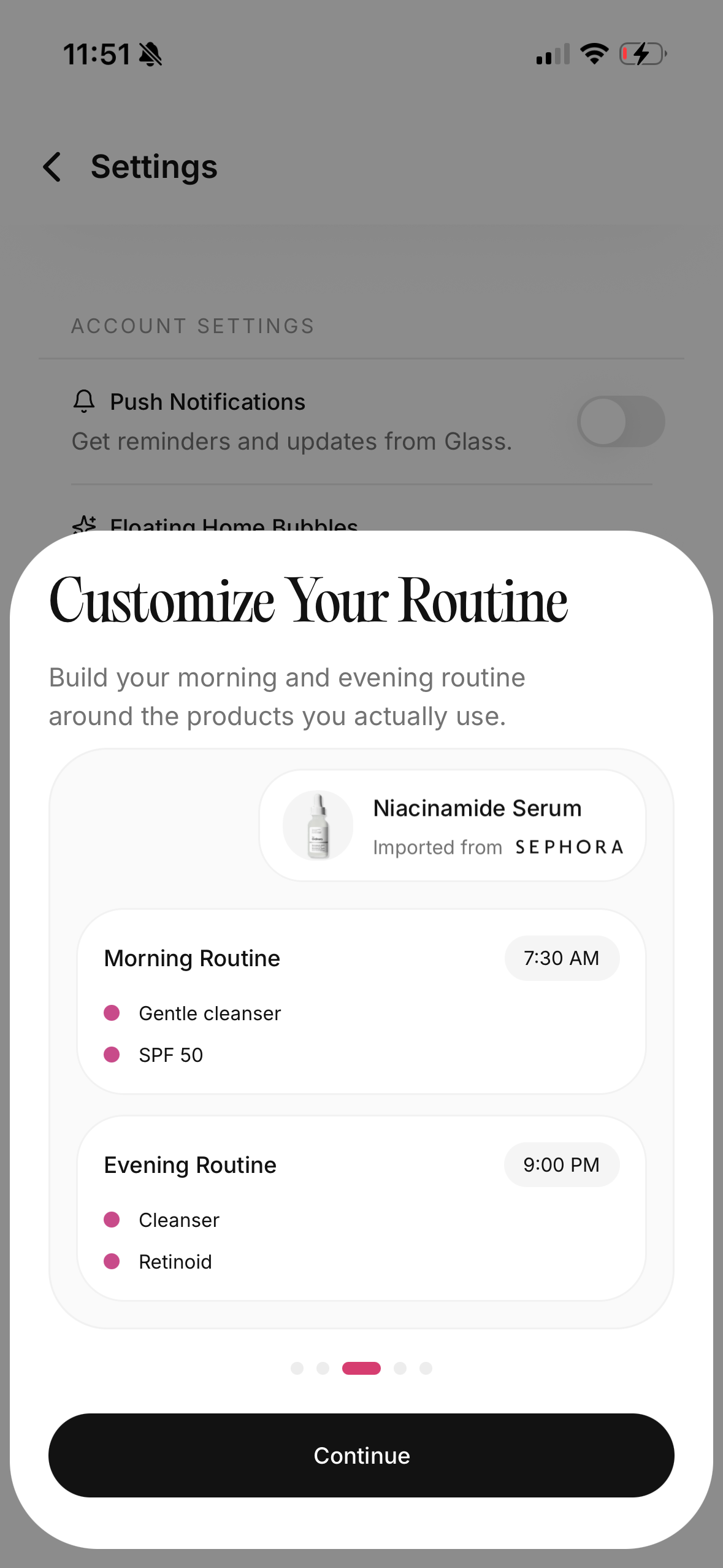
Glass can help keep these notes next to routine changes. The goal is to walk into a clinician visit with a pattern, not a vague memory.
A simple body routine
Use this baseline:
Morning:
- breathable clothing
- no heavy oils on bumpy areas
- sunscreen where exposed
After sweat:
- change clothing
- rinse or shower
- let skin dry before tight layers
Shower:
- wash hair first
- rinse conditioner fully
- cleanse body last
- use one active wash only if the pattern fits acne and skin tolerates it
Night:
- moisturize dry itchy areas with a simple product
- avoid scratching
Bottom line
Itchy pimples on the body are not automatically acne. They can be acne-like follicle bumps, sweat and friction irritation, dermatitis, or another rash that deserves a different plan.
Start by reducing heat, sweat, friction, and heavy products. Use acne treatments only when the pattern fits and the skin tolerates them. Get care when itch is severe, bumps spread, pain or pus appears, or the pattern keeps returning.