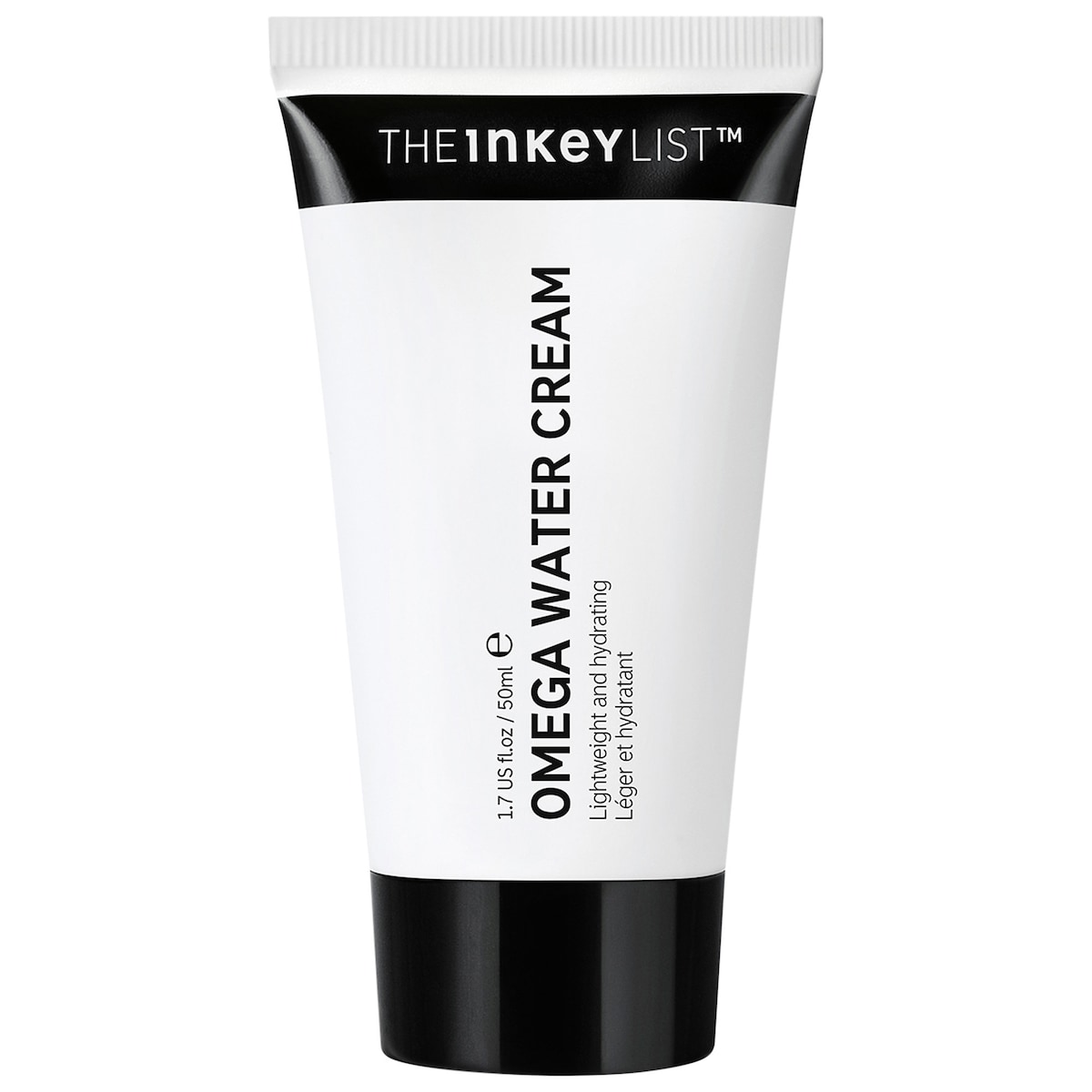
My skin did not need more ambition.
It needed fewer fights.
That took me longer to understand than I want to admit. Every time my acne got louder, I treated my night routine like a place to prove I was doing enough. A salicylic acid cleanser. A toner. A serum. A retinoid. A spot treatment. Sometimes an exfoliating pad because the texture looked rough. Sometimes a clay mask because my forehead looked oily. Then moisturizer, if I had not already convinced myself that moisturizer was the reason my pores looked congested.
The routine looked serious.
My skin looked exhausted.
The best night skincare routine for acne-prone skin is usually not the routine with the most acne products. It is the routine that removes the day, gives one treatment enough room to work, protects the skin barrier, and lets you repeat the same pattern long enough to learn what is actually helping.
That is the whole shift.
At night, I want acne-prone skin to get three things: a clean surface, a clear treatment choice, and enough moisture that the treatment does not turn into a barrier problem. Everything else has to earn its place.
The acne-prone night routine order I trust most
If I had to give the cleanest version first, I would build it like this:
| Step | What to do | Why it belongs there |
|---|---|---|
| 1 | Remove sunscreen, makeup, and heavy grime | Acne-prone skin does worse when the day sits on it overnight |
| 2 | Cleanse gently | Treatment works better on clean skin, but stripped skin gets reactive |
| 3 | Let skin dry if using a retinoid or strong active | Damp skin can make some treatments feel harsher |
| 4 | Use one acne treatment lane | Retinoid, benzoyl peroxide, salicylic acid, or azelaic acid. Not all of them at once |
| 5 | Moisturize | Oily skin can still be dehydrated, tight, and irritated |
| 6 | Spot treat only where needed | A spot treatment is not a full-face personality |
That order is boring on purpose.
When my skin is breaking out, I do not want a routine that gives me six possible suspects the next morning. I want a routine that makes the answer easier to read.
Start by removing the day, not attacking your face
Night cleansing has one job before anything else: get the day off.
Sunscreen matters. Makeup matters. Sweat matters. Pollution, hair product, workout residue, and whatever your face touched while you leaned into your hand at 3 PM all matter. If those are still sitting on the skin when you go to bed, the rest of the routine is already working uphill.
I like a first cleanse when I wore sunscreen, makeup, or a heavier moisturizer. That can be micellar water, a cleansing balm, or a cleansing oil that rinses clean. The point is not to scrub. The point is to loosen the stuff a normal water-based cleanser may not remove well in one pass.
Then I follow with a gentle cleanser.
Not the most aggressive cleanser in the cabinet. Not the one that leaves the face squeaky. Not the one that makes the skin feel tight enough to convince you it is finally "clean." That tight feeling is not proof of discipline. It is often the first sign that the routine is about to become harder to tolerate.
If your skin is acne-prone and oily, a salicylic acid cleanser can make sense. If your skin is acne-prone and sensitive, I would be much slower with medicated cleansers, especially if the treatment step already includes a retinoid or benzoyl peroxide.
The cleanser should make the treatment step possible. It should not try to be the whole treatment plan.
The treatment step is where most routines go wrong
This is the part I had to simplify the most.
Acne-prone skin does not need every proven acne ingredient every night. It needs the right ingredient at the right frequency with enough consistency to matter.
The American Academy of Dermatology's updated acne guidance gives strong recommendations for topical benzoyl peroxide and topical retinoids, and it also discusses salicylic acid and azelaic acid as useful options depending on the person and the case. That does not mean your bathroom counter should become a nightly pileup of all four.
I think of the night treatment step as choosing one lane.
Retinoid lane
This is the lane I respect most for blackheads, clogged pores, recurring texture, and long-term acne maintenance. Adapalene is available over the counter in the U.S., while tretinoin and some other retinoids are prescription options.
Mayo Clinic notes that adapalene helps unclog pores and prevent new breakouts, and that dryness, scaling, and inflammation can happen. That is why I treat moisturizer as part of the acne routine, not as a soft optional step for people with dry skin.
If I am using a retinoid, I want the routine around it to be calm:
- cleanse
- let skin dry
- pea-sized amount for the face
- moisturizer
- no exfoliating acid on top
- no panic when results are not immediate
The mistake is thinking stronger equals smarter. Often the smarter move is using the retinoid fewer nights per week at first, staying consistent, and letting the skin build tolerance.
Benzoyl peroxide lane
Benzoyl peroxide is useful when inflamed pimples are the main problem and the skin seems to need an antibacterial acne step. I am careful with it because it can be drying, irritating, and annoying around towels or pillowcases because it can bleach fabric.
I would rather use benzoyl peroxide in a controlled way than smear it everywhere just because I am frustrated. Some people do well with a leave-on gel. Some prefer a short-contact wash. Some use it in the morning and keep the retinoid at night so the routine is less irritating.
The key is not to make benzoyl peroxide compete with five other aggressive steps.
Salicylic acid lane
Salicylic acid is the lane I think about for oily congestion, blackheads, and clogged-looking pores. It can be useful, but it is also easy to overuse because it shows up in cleansers, toners, serums, pads, spot treatments, and masks.
This is where people accidentally double or triple dose.
They use a salicylic acid cleanser, then a salicylic acid toner, then a retinoid, then wonder why the skin feels raw but still breaks out.
If salicylic acid is the night treatment, I keep the rest of the routine gentler. If I am already using a retinoid, I usually do not put salicylic acid in the same night unless a dermatologist has specifically built that plan.
Azelaic acid lane
Azelaic acid is the lane I like when acne overlaps with redness, post-breakout marks, and sensitivity. It is not always the fastest-feeling option, but it can be a useful middle path for people who do not tolerate harsher routines well.
Mayo Clinic describes azelaic acid as helping prevent clogged pores and notes its role in dark spots that can linger after acne clears. That makes sense to me because many acne-prone routines are not just about active pimples. They are also about the marks that hang around long after the breakout is gone.
Again, the rule stays the same: one main lane at a time.
A simple product-lane table for acne-prone nights
I would not buy every product in this table. That would defeat the point.
Use it as a lane selector. Pick the job first, then the product.
| Image | Routine job | Product example | Best fit | Skip if |
|---|---|---|---|---|
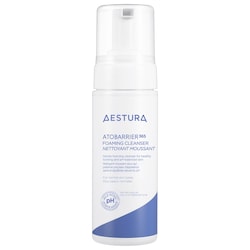 | Gentle cleanse | AESTURA ATOBARRIER365 Gentle pH-Balancing Foaming Cleanser | Skin that gets tight or reactive after washing | You need a medicated cleanser as your treatment step |
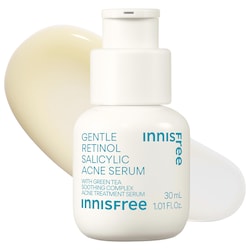 | Night treatment | innisfree Gentle Retinol + Salicylic Acid Acne Serum | Oily, breakout-prone skin that wants one clearer PM treatment lane | You already use prescription tretinoin or another strong retinoid |
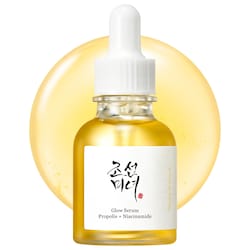 | Balance support | Beauty of Joseon Glow Serum for Oil Control with Niacinamide | Skin that gets oily, uneven, and post-breakout mark prone | You need a stronger acne treatment as the main step |
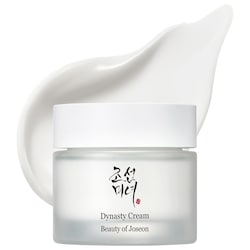 | Moisturize | Beauty of Joseon Dynasty Cream | Skin that needs more cushion after active nights | Heavy creams tend to clog or overwhelm you |
The table is not a prescription. It is a way to stop shopping by panic.
If your routine already has a treatment, the next product you buy should probably make that treatment easier to tolerate. If your routine has no treatment, buying three calming serums may make the skin feel nicer without actually addressing the acne pattern.
Moisturizer is not the enemy
I used to treat moisturizer like it was negotiable because my skin was oily.
That was a mistake.
Oily skin can still be dehydrated. Acne-prone skin can still have a damaged barrier. Skin can look shiny and still feel tight after cleansing. When that happens, skipping moisturizer does not make the routine cleaner. It often makes the treatment step harder to survive.
A good night moisturizer for acne-prone skin does not need to be fancy. I look for boring comfort:
- non-comedogenic positioning
- ceramides, glycerin, hyaluronic acid, panthenol, or niacinamide
- a texture I will actually use every night
- no heavy fragrance if my skin is already reactive
Some nights, moisturizer goes after the treatment. Some nights, if I am easing into a retinoid, I buffer by moisturizing first, then applying the retinoid, then adding a little more moisturizer only if needed.
That is not "weak." That is how you keep the routine repeatable.
Spot treatments should stay local
Spot treatments are where frustration gets expensive.
One painful pimple shows up, and suddenly the whole face gets treated like it did something wrong. I have done this. It rarely ends well.
A spot treatment is for the spot. Not the whole cheek. Not the entire chin because one bump appeared near the corner. Not the forehead because you are annoyed.
Hydrocolloid patches can help when a whitehead is at the surface and you want to stop touching it. Benzoyl peroxide can make sense for inflamed pimples if your skin tolerates it. Sulfur can be useful for some people. But spot treatment should not become the fourth active in the same night.
If I use a spot treatment, I want the rest of the routine to be even calmer.
What I would do on retinoid nights
Retinoid nights need less drama than people give them.
My preferred order:
- Remove sunscreen and makeup.
- Cleanse gently.
- Let skin dry fully.
- Apply a pea-sized amount of retinoid.
- Moisturize.
- Leave it alone.
If the skin is sensitive, I would start with fewer nights per week. Two or three nights can be plenty in the beginning. I would rather build slowly than use it nightly for five days, wreck my barrier, and then abandon it for a month.
I would also skip exfoliating acids, scrubs, and most masks on retinoid nights. The retinoid is already the active. It does not need backup from every bottle you own.
What I would do on non-retinoid nights
Non-retinoid nights are not wasted nights.
They are repair nights.
That is where I would use:
- a gentle cleanse
- a hydrating serum if the skin feels flat or tight
- a calming niacinamide step if oil and redness are part of the pattern
- moisturizer
- a spot treatment only where needed
If salicylic acid is part of the routine, I would usually put it on a non-retinoid night. Same for an exfoliating mask or stronger acne pad. The point is to separate irritation instead of stacking it into one heroic evening.
This is where a tracker helps more than people think.
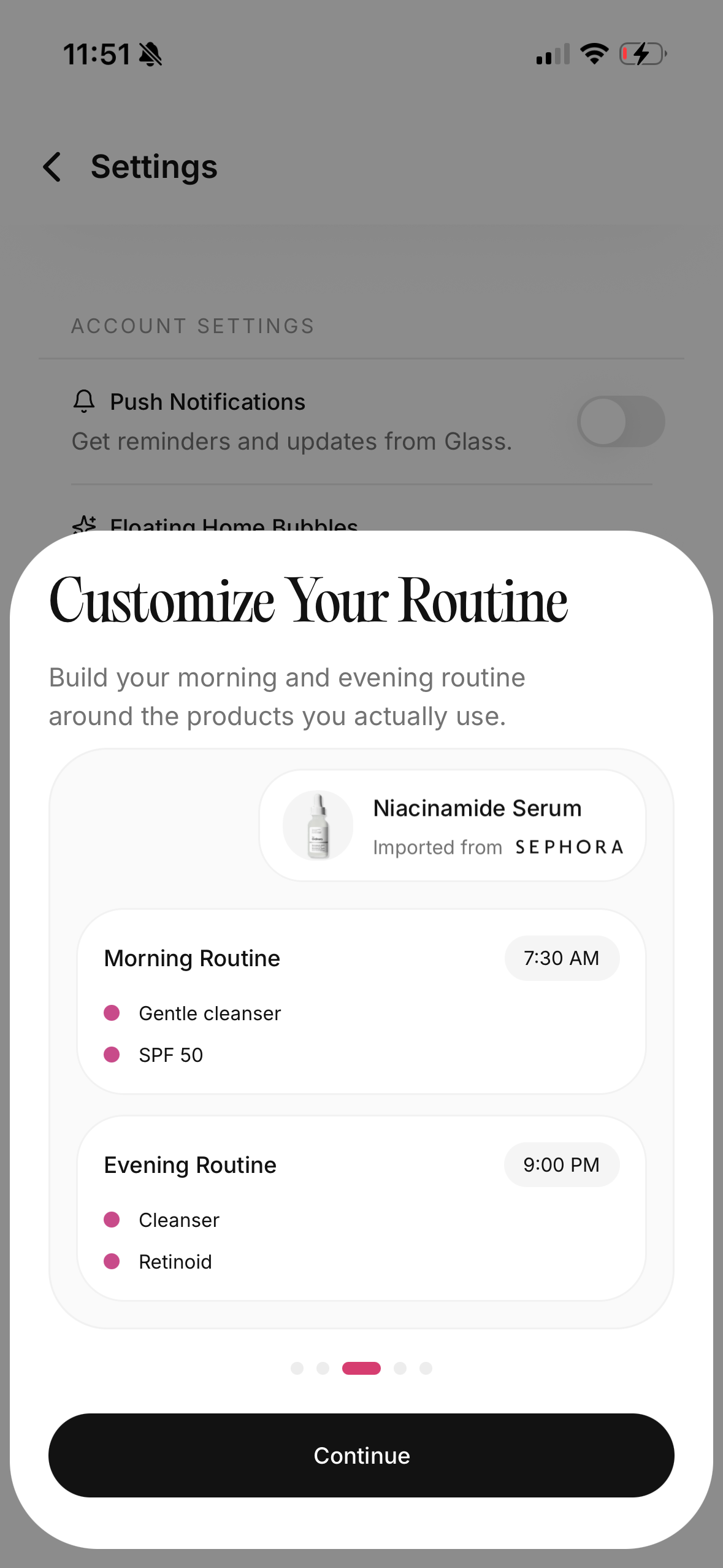
When the routine lives only in your head, it is easy to forget that Tuesday was retinoid, Wednesday was salicylic acid, Thursday was a clay mask, and Friday your skin was burning. When you log the pattern, the problem becomes less mysterious.
Glass is useful here because routine tracking, product context, reminders, and progress photos live together. The value is not that an app magically clears acne. The value is that you stop changing five things at once and then guessing.
The mistakes that keep acne-prone night routines stuck
The first mistake is changing too quickly.
Acne treatments often need weeks, not days. The American Academy of Dermatology has public guidance saying acne treatment can take at least 6 to 8 weeks before you see fewer breakouts. That does not mean you should ignore burning, swelling, or clear irritation. It does mean a calm, tolerable routine deserves enough time to prove itself.
The second mistake is treating dryness as progress.
Dry, tight, flaky skin can make you feel like the product is "doing something." Sometimes it is just irritating you. If the acne is not improving and the barrier is getting worse, the routine is not winning.
The third mistake is using the same active in too many forms.
A salicylic cleanser plus a salicylic toner plus a salicylic serum is not three times smarter. It may just be three ways to irritate the same face.
The fourth mistake is forgetting the morning.
Night routines do a lot, but the morning routine protects the work. If you use retinoids, acids, benzoyl peroxide, or anything that makes the skin more reactive, sunscreen matters. Post-breakout marks also tend to look worse when UV exposure is inconsistent.
The fifth mistake is waiting too long to get help.
If acne is painful, cystic, scarring, spreading, or affecting your life in a way that feels heavy, a dermatologist is not a last resort. It is often the most direct route. A routine can support acne-prone skin, but it is not a substitute for medical care when the acne needs more.
My April 2026 version of the routine
If I were simplifying an acne-prone night routine right now, I would start here:
Retinoid-focused version
- First cleanse if wearing sunscreen or makeup.
- Gentle cleanser.
- Retinoid on dry skin, only as often as tolerated.
- Moisturizer.
- Spot patch if needed.
Benzoyl-peroxide-focused version
- Gentle cleanse.
- Benzoyl peroxide in the format your skin tolerates.
- Moisturizer.
- Keep retinoids and exfoliating acids out of that same night unless instructed otherwise.
Sensitive, acne-prone version
- Gentle cleanse.
- Azelaic acid or niacinamide if tolerated.
- Moisturizer.
- Spot treat only when needed.
- Add stronger treatment slowly, not all at once.
None of these are glamorous.
That is why I trust them.
When to make changes
I would change the routine quickly if a product causes burning that does not settle, swelling, hives, painful irritation, or a reaction that feels clearly wrong.
I would change the routine slowly if the issue is normal adjustment, mild dryness, or impatience.
That difference matters. A lot of people quit too fast when they need patience, then push too hard when they need to back off. Acne-prone skin punishes both.
The cleaner question is not "did I wake up perfect?"
It is:
_Can I repeat this routine three nights from now without my skin feeling worse?_
If the answer is yes, you have something to work with.
If the answer is no, simplify until the answer changes.
The bottom line
The best night skincare routine for acne-prone skin is not the longest one.
It is the one you can repeat without turning your skin barrier into collateral damage.
Cleanse well. Choose one treatment lane. Moisturize like you mean it. Keep spot treatments local. Track what you actually did. Give the routine enough time to show a pattern.
That is not flashy advice.
It is better than flashy.
It is usable.
If you want the next step after this, I would read nighttime skincare routine order 2026, night skin care routine for oily skin 2026, and how to know if your skincare routine is working.
FAQ
What is the best night skincare routine order for acne-prone skin?
Start by removing sunscreen or makeup, cleanse gently, let skin dry if using a retinoid, apply one acne treatment, moisturize, and use spot treatment only where needed. The order should keep treatment effective without stacking too many irritating steps.
Should I use salicylic acid and retinol on the same night?
Most people should not start that way. Salicylic acid and retinoids can both be useful, but stacking them can increase dryness and irritation. Put them on separate nights unless a dermatologist has told you to combine them.
Do I need moisturizer if my acne-prone skin is oily?
Yes, usually. Oily skin can still be dehydrated or irritated. A lightweight, non-comedogenic moisturizer can make acne treatments easier to tolerate and keep the routine more consistent.
How long should I wait before deciding an acne routine works?
If the routine is tolerable, give acne-focused treatment several weeks before judging it. Change sooner if the skin reacts badly, but do not rewrite the whole routine every few days just because one new breakout appeared.