I used to treat oily skin like it needed punishment.
More cleanser.
Less moisturizer.
Stronger toner.
Another exfoliating night because my forehead looked shiny by dinner.
That routine felt disciplined for about three days. Then my skin would get tight, slick, bumpy, and weirdly more reactive. The shine did not disappear. It just started sitting on top of skin that felt thirsty underneath.
That is when oily skin gets confusing.
You look greasy, but your face feels dry. You break out, but your cheeks sting. You want a night routine that actually does something, but every "oil control" move seems to create another problem.
The fix was not a harsher routine.
It was a calmer one with better timing.
For oily skin at night, I now think in four jobs: remove the day, treat the pore problem without stacking every active, moisturize lightly, and leave enough alone that the skin can settle by morning. That is the whole routine. Not lazy. Not underpowered. Just cleaner.
The night routine I would start with
If my oily skin was starting over tonight, I would not build a ten-step routine.
I would build this:
| Step | What I would use | Why it belongs |
|---|---|---|
| 1 | Gentle gel cleanser, or double cleanse only if I wore heavy SPF or makeup | Removes oil, sunscreen, sweat, and residue without turning cleansing into stripping |
| 2 | One treatment lane: salicylic acid, retinoid, azelaic acid, or a dermatologist-prescribed acne step | Keeps the routine focused instead of turning every night into an irritation stack |
| 3 | Lightweight moisturizer | Keeps water in the skin so oil control does not become barrier damage |
| 4 | Optional spot care or dry-patch buffer | Handles exceptions without changing the whole routine |
That is enough for most nights.
The hard part is not knowing the steps. The hard part is resisting the urge to make every night a correction night.
Oily skin does not need to be scrubbed into submission before bed. It needs enough structure that oil, congestion, and shine are addressed without making the skin wake up angrier.
My biggest oily-skin mistake was skipping moisturizer
I skipped moisturizer because it felt logical.
My face was already oily. Why add more?
The problem is that oil and water are not the same thing. My skin could be shiny and still dehydrated. It could have excess sebum and still need barrier support. It could feel slick on top while getting tighter underneath every time I used a strong cleanser and walked away.
That is the part I wish I had understood earlier.
Moisturizer is not there to make oily skin richer. It is there to keep the routine from becoming a cycle of stripping and compensating. The right night moisturizer for oily skin should feel light, quick, and forgettable. If it makes you feel sealed in, you probably picked the wrong texture. If it disappears but your skin still feels comfortable in the morning, that is usually a better sign.
I like gel creams, water creams, and lighter lotion textures here. I avoid heavy balms across the whole face unless my skin is actually damaged or weather-beaten. A rich cream can be useful on dry patches, but oily skin usually does better when the base routine stays thin and repeatable.
The product lane I would shop first
I would not buy all of these at once.
That is the point.
This is how I would sort the lane if I wanted a simple oily-skin night routine that still has enough power to matter:
| Product | Role | Best for | I would skip if |
|---|---|---|---|
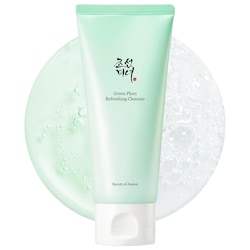 Beauty of Joseon Green Plum Refreshing Cleanser Beauty of Joseon Green Plum Refreshing Cleanser | Gentle cleanser | Oily skin that gets tight after foaming cleansers | You need a medicated acne cleanser right now |
 Dieux Baptism Hydrating + Pore Clarifying Cleanser Dieux Baptism Hydrating + Pore Clarifying Cleanser | Fresh gel cleanse | Oily or combination skin that wants a cleaner feel without harshness | Any foaming texture leaves you dry and red |
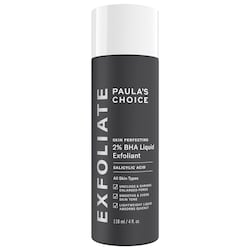 Paula's Choice Skin Perfecting 2% BHA Liquid Exfoliant Paula's Choice Skin Perfecting 2% BHA Liquid Exfoliant | Salicylic acid night | Blackheads, clogged pores, bumpy T-zone texture | You already use a strong retinoid or your barrier is irritated |
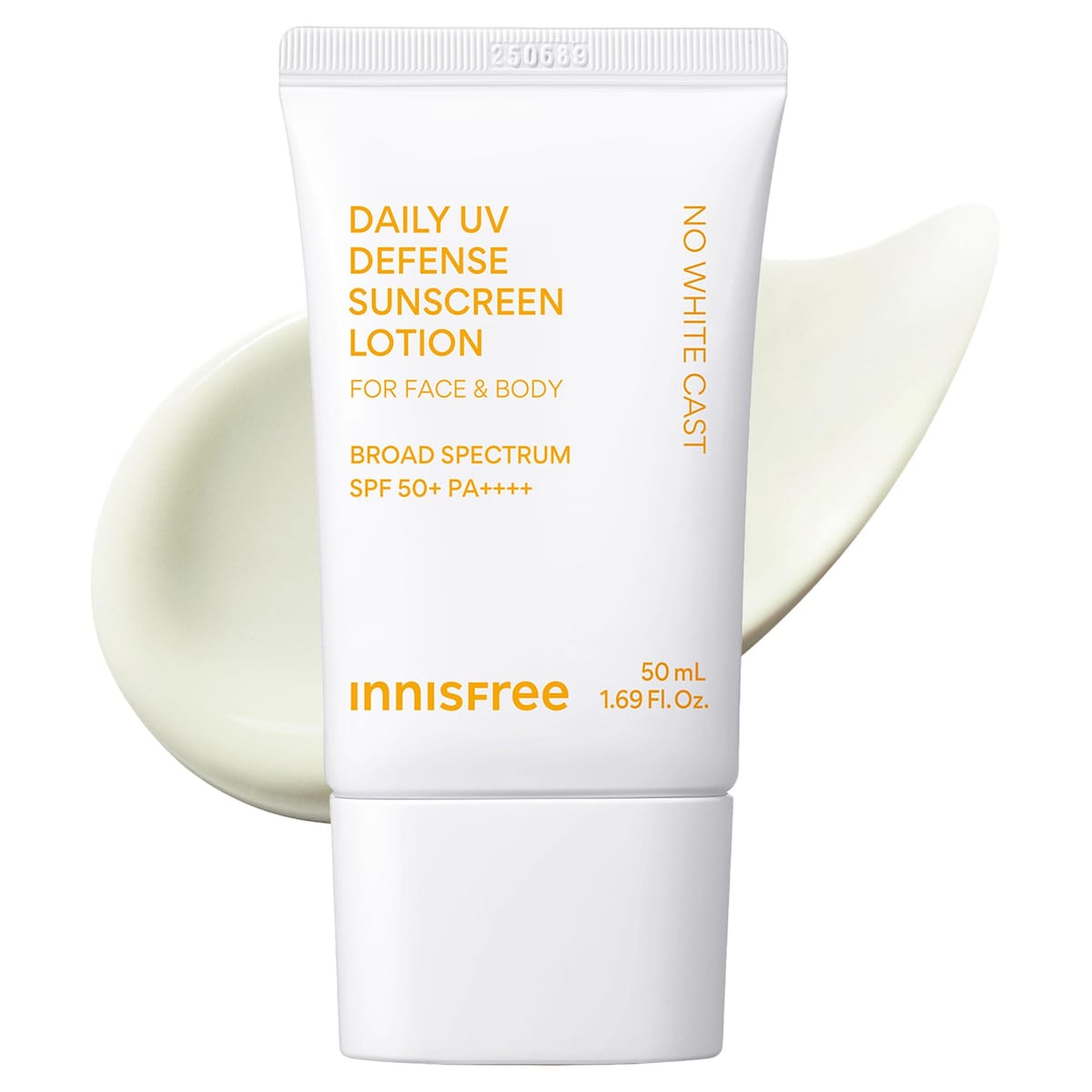
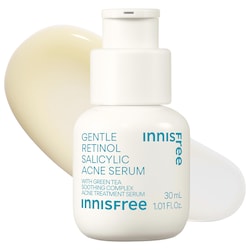 innisfree Gentle Retinol + Salicylic Acid Acne Serum innisfree Gentle Retinol + Salicylic Acid Acne Serum | Active treatment | Oily, breakout-prone skin that wants one planned PM treatment | You are already on prescription tretinoin or acne medication |
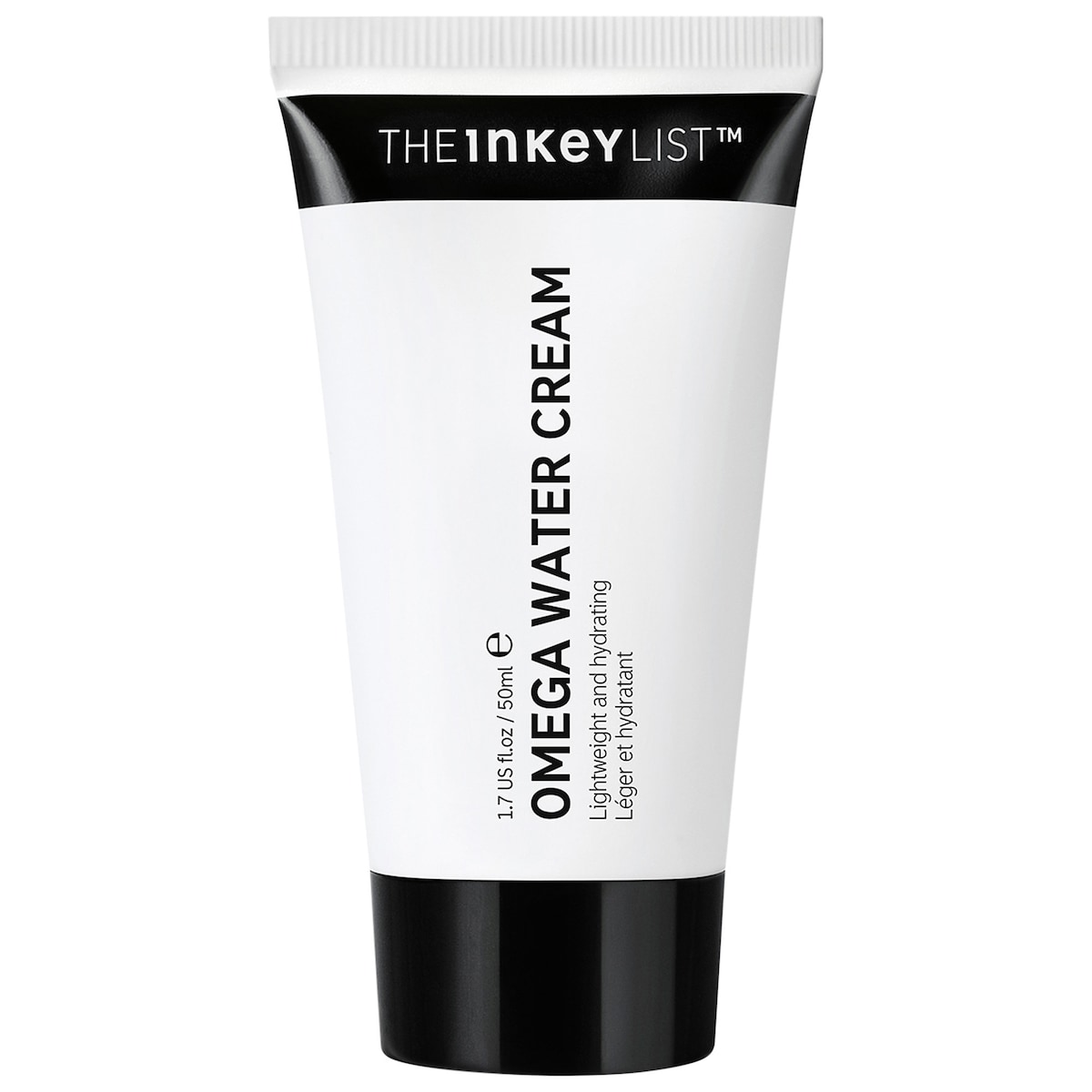
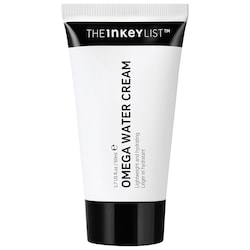 The INKEY List Omega Water Cream The INKEY List Omega Water Cream | Lightweight moisturizer | People who hate cream but need a real finishing step | You wake up dry and need more cushion |
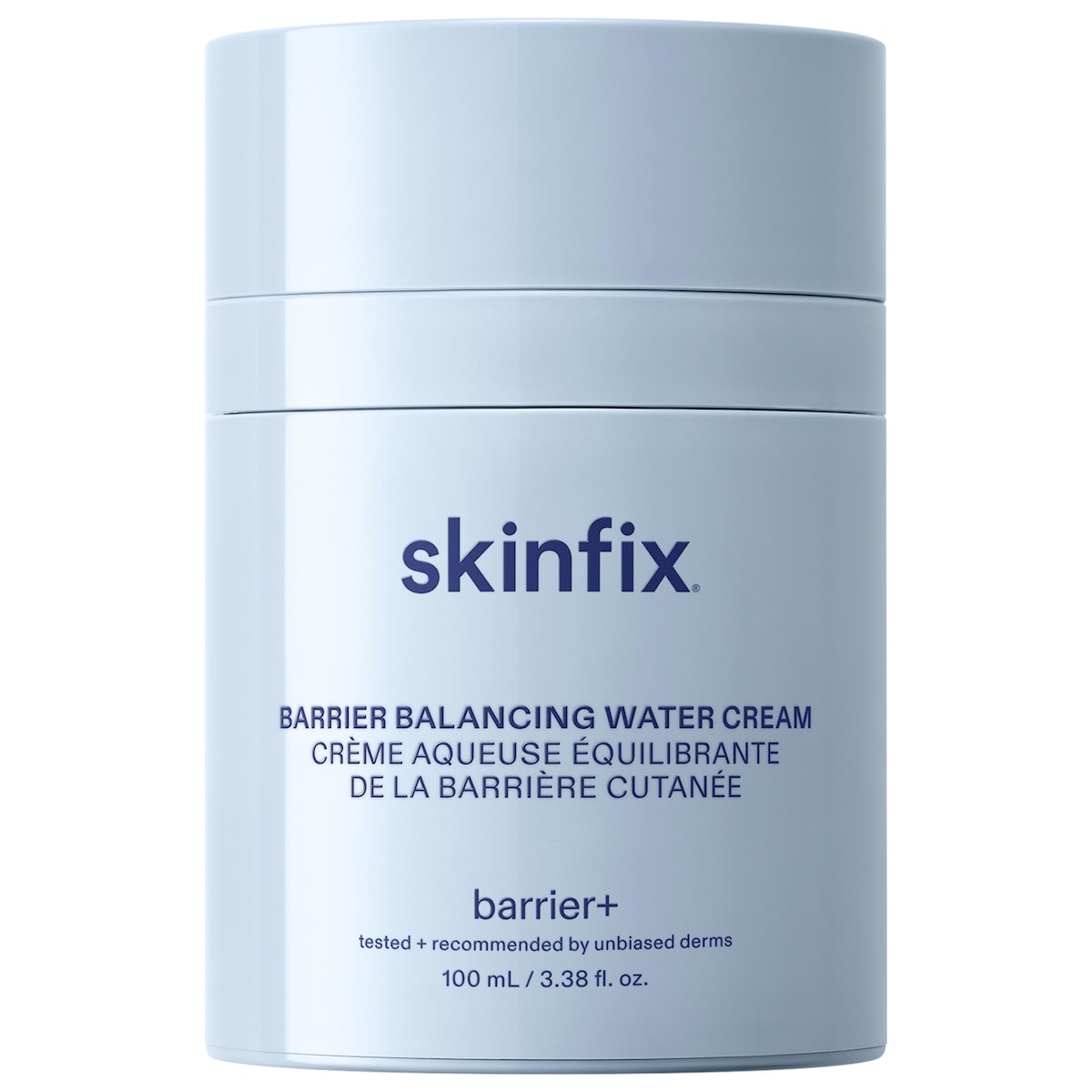
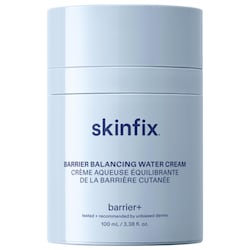 Skinfix Barrier Balancing Water Cream Skinfix Barrier Balancing Water Cream | Barrier-aware water cream | Oily or combination skin that still gets reactive | You want the cheapest possible moisturizer |
The routine does not need every lane. It needs the right lane for the current bottleneck.
If the problem is shine by noon, I start with cleanser and moisturizer texture. If the problem is clogged pores, I think about salicylic acid a few nights a week. If the problem is breakouts plus texture, I think about one treatment path and give it time. If the problem is stinging, tightness, and oiliness together, I stop treating oil like the main villain and repair the routine first.
I do not use salicylic acid every time my face looks shiny
Salicylic acid is useful.
It is not a nightly panic button.
This is where I see oily skin routines go sideways. Shine shows up, so the routine adds a salicylic acid cleanser. Then a BHA toner. Then a pore serum. Then a clay mask. Then a retinoid because texture is still there. A week later the skin feels rough, tight, red, and somehow still oily.
That is not progress. That is too many oil-control ideas fighting on the same face.
I use salicylic acid when the problem looks like congestion: blackheads, clogged pores, rough texture, or that stubborn bumpy feeling around the nose, chin, and forehead. I do not use it just because the skin is shiny. Shine can come from oil, heat, sweat, dehydration, over-cleansing, hormones, or sunscreen finish. Treating all of those with more acid is sloppy.
My safer rhythm is simple:
- Two or three salicylic acid nights a week if my skin is used to it.
- Moisturizer every time.
- No exfoliating mask on the same night.
- No casual retinoid stack unless a professional plan specifically calls for it.
- Back off if moisturizer starts stinging.
The last rule matters most.
If moisturizer burns, I do not pretend the active is "working." I take it as a warning that my routine got too aggressive.
Retinoid nights need their own lane
Retinoids can be great for oily, acne-prone, textured skin.
They also punish impatience.
If I am using a retinoid at night, I keep that night boring around it. Cleanser. Retinoid. Moisturizer. Maybe a buffer method if my skin is sensitive. I do not add a peel pad because my nose looked rough. I do not add a strong vitamin C serum because I want brightness. I do not turn one treatment night into a full chemistry drawer.
The best retinoid routine is the one you can actually repeat without needing a recovery week after every attempt.
For oily skin, that usually means accepting that the first few weeks may not look perfectly smooth. Breakouts can still happen. Texture can still look uneven. The routine is not failing just because your face did not become matte and poreless by Thursday.
I would rather use a retinoid two or three nights a week for months than use it nightly for one week and quit because my skin feels raw.
If you are already working with prescription acne medication, that plan wins. Do not let a beauty routine compete with medical directions.
Double cleansing helps only when there is something to remove
I like double cleansing at night when it has a job.
Heavy sunscreen. Water-resistant SPF. Makeup. Gym sweat layered under sunscreen. City grime. A long day where the first cleanse clearly needs help.
I do not double cleanse as a personality trait.
For oily skin, the first cleanse can feel amazing because oil dissolves oil. The danger is turning that into another way to overwork the skin. If a cleansing balm leaves residue, I need a second gentle cleanser. If an oil cleanser breaks me out, I stop forcing it. If I wore a light sunscreen and stayed indoors, one good cleanser may be enough.
The rule is practical: remove what is actually on the skin, then stop.
Clean skin should not feel squeaky. It should feel clean, comfortable, and ready for the rest of the routine.
The moisturizer texture matters more than the label
I used to look for "oil-free" and stop thinking.
Now I care more about the finish.
A night moisturizer for oily skin should not make you dread the last step. It should not sit like a mask unless that is the specific recovery job. It should not pill over your treatment. It should not make you skip moisturizer because you hate how it feels.
When I test a light moisturizer, I ask four questions:
- Does my skin feel comfortable ten minutes later?
- Do I wake up less tight, not just less shiny?
- Does it behave over a treatment step?
- Am I willing to use it every night?
That fourth question is underrated. The perfect ingredient list does not matter if you keep avoiding the product because the texture annoys you.
My oily-skin night routine by concern
The routine changes slightly depending on what my skin is doing.
Not dramatically. Slightly.
That distinction keeps me from overcorrecting.
If I am oily but mostly clear
I keep it boring:
- Gentle cleanse.
- Lightweight moisturizer.
- Salicylic acid only when texture starts building.
Clear oily skin does not need to be treated like acne-prone skin every night. Sometimes the best move is just a better cleanser, a lighter moisturizer, and less obsessing over normal shine.
If I have blackheads and clogged pores
This is where I bring in BHA.
I still do not use it as a punishment step. I use it as pore maintenance. Cleanser first, salicylic acid on dry skin if the product calls for that, then a light moisturizer. I give it a few weeks. I do not judge it after two uses unless my skin is clearly irritated.
If I am oily and breaking out
I choose one active lane.
That could be a retinoid. It could be benzoyl peroxide. It could be salicylic acid. It could be azelaic acid. It could be the plan a dermatologist already gave me.
What I avoid is the desperate stack. Breakouts make people want to do everything. Oily skin usually responds better when the treatment is consistent and the supporting steps stay calm.
If I am oily and dehydrated
This is the sneaky one.
My face can look shiny but feel tight after washing. Makeup can separate. Moisturizer can vanish fast. Fine lines can look sharper even though I am not dry in the classic flaky way.
When that happens, I do not add more acid first. I soften the cleanse, add a light hydrating layer if needed, and make sure moisturizer is actually happening every night.
The weekly rhythm that keeps me from overdoing it
I like a schedule because it saves me from negotiating with the mirror every night.
For oily skin, a reasonable week might look like this:
| Night | Routine |
|---|---|
| Monday | Cleanse, salicylic acid, lightweight moisturizer |
| Tuesday | Cleanse, moisturizer only |
| Wednesday | Cleanse, retinoid or acne treatment, moisturizer |
| Thursday | Cleanse, moisturizer only |
| Friday | Cleanse, salicylic acid, lightweight moisturizer |
| Saturday | Cleanse, moisturizer only, optional clay mask if skin is calm |
| Sunday | Cleanse, retinoid or recovery night depending on how skin feels |
That is not a prescription. It is a pattern.
The pattern matters because oily skin often gets worse when every night becomes a reaction to the mirror. A schedule creates a little distance. It gives the treatment time to work and the skin time to recover.
If the skin gets tight, I remove a treatment night before I add a new product. If breakouts get painful, cystic, or scarring, I stop trying to solve it through product rotation alone.
Where Glass helps me stay honest
This is exactly the kind of routine that benefits from tracking.
Not because skincare needs to become complicated.
Because memory is bad when skin is emotional.
I can convince myself I used salicylic acid "a couple times" when I actually used it five nights. I can forget that I skipped moisturizer twice. I can blame a cleanser when the real change was a new sunscreen, a stressful week, or a run of late nights.
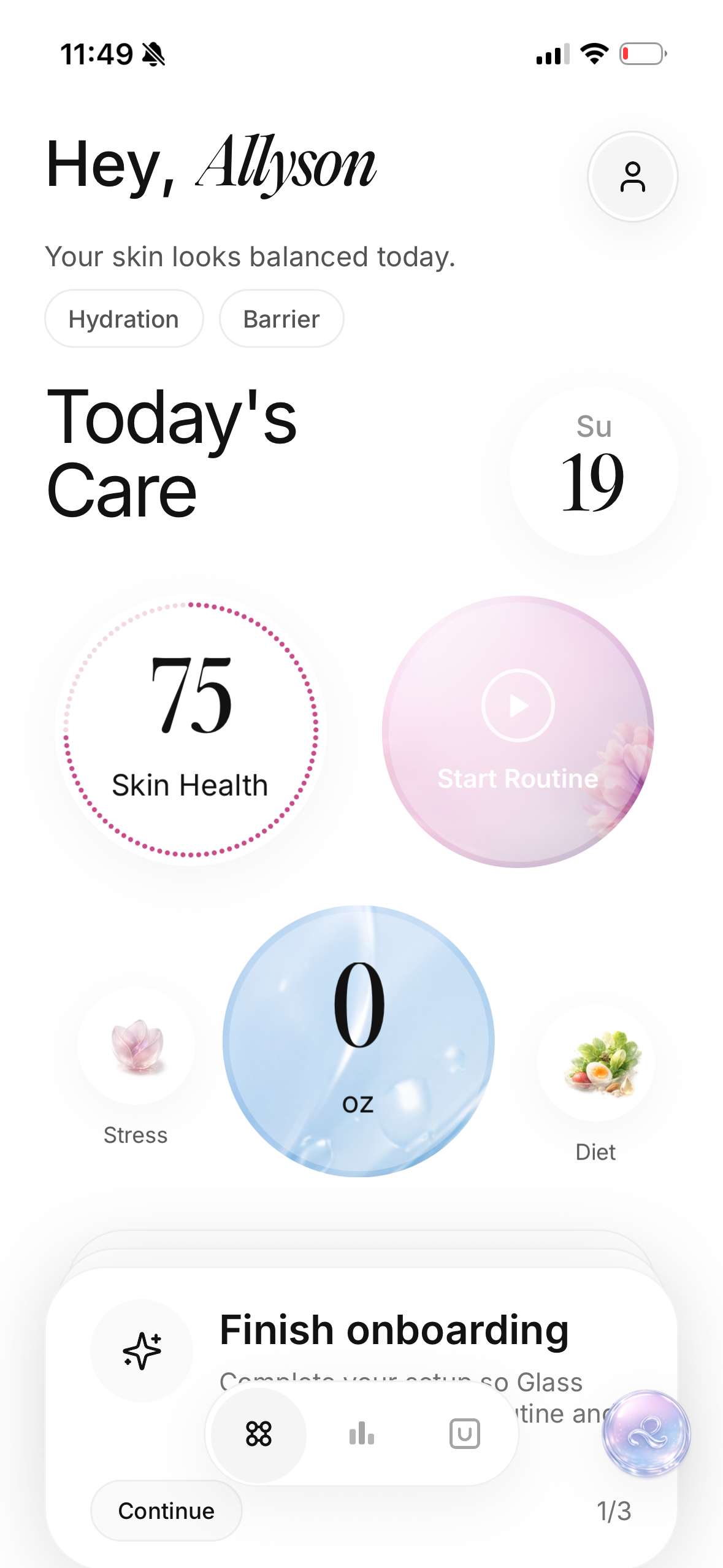
Glass helps by putting the routine, skin scans, products, reminders, and progress context in one place. For oily skin, that makes the pattern easier to see. If shine improves when I stop skipping moisturizer, that matters. If texture flares every time I stack exfoliation and retinoid nights too close together, that matters. If my skin score looks better when the routine is boring, I want to know that before I buy another bottle.
The goal is not to track forever for the sake of tracking.
The goal is to make fewer random changes.
What I ignore now
I ignore the idea that oily skin should feel matte all the time.
Skin has oil. That is not automatically a flaw.
I ignore routines that remove moisturizer from oily skin completely. I ignore advice that treats every pore like a crisis. I ignore the pressure to use every active just because oily skin can sometimes tolerate more than dry skin.
Tolerance is not the same as need.
That sentence changed how I build routines.
Just because my skin can survive a stronger cleanser does not mean it benefits from one. Just because I can use salicylic acid often does not mean every shiny night needs it. Just because a water cream feels lighter than a barrier cream does not mean I can skip it.
Oily skin works best when the routine respects both sides of the problem: excess oil and skin comfort.
The morning after tells me a lot
I judge oily-skin night routines by the next morning.
Not by whether my face looks perfectly matte.
I look for better signs:
- My skin does not feel tight when I smile.
- My T-zone is oily but not slick immediately.
- My cheeks are not stinging.
- Texture looks calmer, not polished by irritation.
- Moisturizer did not make me wake up congested.
- I am not tempted to wash my face aggressively the second I wake up.
That is a more realistic win.
The best night routine for oily skin is not the one that makes oil disappear. It is the one that helps your skin wake up steadier, less clogged, less irritated, and easier to manage the next day.
The routine I would actually keep
If I had to strip this down to the version I would keep for months, it would be:
Nightly:
- Gentle cleanse.
- Lightweight moisturizer.
Two or three nights a week:
- Salicylic acid if congestion is the main issue, or a retinoid if texture, acne, and longer-term smoothness are the bigger goals.
As needed:
- Double cleanse when sunscreen or makeup calls for it.
- Clay mask once in a while, not every time I feel shiny.
- Recovery night when moisturizer stings, skin feels tight, or actives start feeling too loud.
That routine does not look dramatic.
That is why it works.
It gives oily skin enough control without making control the whole personality of the routine. It lets moisturizer do its boring, important job. It gives active treatments enough space to actually show whether they help.
And it stops turning every night into a fight with your face.
FAQ
Should oily skin use moisturizer at night?
Yes. Oily skin can still need moisturizer at night, especially if you use cleansers, salicylic acid, retinoids, benzoyl peroxide, or acne treatments. The trick is choosing a lightweight texture that supports the skin barrier without feeling heavy.
Is salicylic acid better at night for oily skin?
Salicylic acid often fits well at night because it can be used after cleansing and before moisturizer without competing with sunscreen or makeup. I would still use it based on tolerance, not automatically every night.
Should I double cleanse oily skin every night?
Double cleanse when there is something meaningful to remove, like water-resistant sunscreen, makeup, or heavy buildup. If your face only needs one gentle cleanse, doing more is not automatically better.
What should I avoid in a night routine for oily skin?
Avoid stacking too many oil-control steps at once. A strong cleanser, exfoliating toner, salicylic serum, retinoid, clay mask, and no moisturizer is usually not a better routine. It is usually a faster way to irritation.
How long should I try a new oily-skin night routine before changing it?
If your skin is not burning, swelling, or clearly getting worse, give a simple routine a few weeks before judging it. Congestion, shine, and texture patterns are easier to read when you stop changing multiple things every few nights.