My face can glow too easily.
That sounds nice until it is 2 p.m. and the glow has moved from healthy to slippery.
For a while, I thought glass skin was just not built for oily skin. Every dewy cream made my forehead look louder. Every glowing sunscreen seemed to slide around my nose. Every routine that promised bounce and radiance made me feel like I had added shine on top of shine.
The problem was not wanting glass skin.
The problem was chasing it like I had dry skin.
Oily skin needs a different version of the look. Less glaze. More clarity. More water. Better texture. A finish that catches light on the high points of the face without making the whole T-zone look wet.
Once I understood that, the routine got smaller and the result got better.
The oily-skin version of glass skin
Glass skin for oily skin is not a greasy finish. It is skin that looks smooth, hydrated, even, and light-reflective without feeling heavy by the middle of the day.
That distinction matters.
Oil sits on top. Hydration sits in the routine differently. When my skin is just oily, it looks shiny in the wrong places and makeup separates faster. When it is hydrated and balanced, the reflection looks cleaner. The cheeks look fresh. The nose does not look like it needs constant blotting. The skin has some bounce without that coated feeling.
For oily skin, I think the goal is not "more dew."
It is controlled reflection.
That means the routine has to do four jobs:
- cleanse without stripping
- hydrate without loading the skin
- smooth texture without over-exfoliating
- protect with sunscreen that does not turn the whole routine greasy
If one step fights that job, I take it out.
The mistake that made my skin look slick
I used to treat shine like something I had to punish.
So I cleansed harder. I used stronger actives. I skipped moisturizer when my face already felt oily. Then I wondered why my skin still looked shiny but somehow felt tight underneath.
That is the oily-skin trap.
When the routine gets too harsh, skin can look oily on top and dehydrated underneath. It is a strange combination. Your forehead shines, but your cheeks feel tight. Your makeup looks greasy, but your skin still flakes around the mouth. You feel like you need mattifying products and richer cream at the same time.
That is usually not a sign that you need ten more products.
It is a sign that the routine is confused.
The shift that helped me most was simple: I stopped trying to dry my face out, and I started trying to make it behave.
My May 2026 oily-skin glass skin routine
This is the routine structure I trust most for oily skin that wants a glassy finish without the grease.
Morning
- Gentle gel cleanse or water rinse if skin does not feel dirty
- Lightweight hydrating layer
- Niacinamide or calming serum if the skin gets shiny fast
- Gel moisturizer or light lotion
- Sunscreen with a natural, non-greasy finish
Night
- Cleanse properly, especially if sunscreen or makeup was worn
- BHA or exfoliating step two to three nights a week if pores clog easily
- Hydrating serum or calming serum
- Lightweight moisturizer
- Richer recovery step only when the skin feels irritated or overworked
That is enough.
The oily-skin version gets worse when I try to make every night active and every morning glossy. I need enough hydration to keep the skin flexible, enough exfoliation to keep texture from dulling the reflection, and enough restraint that the skin does not spend the whole week recovering.
The product lane that makes the most sense
I do not think oily skin needs a shelf full of drying products. I think it needs textures that disappear cleanly.
These are the kinds of products I would look at first if I were rebuilding an oily-skin glass-skin routine in May 2026.
| Image | Step | Product | Best for | Skip if |
|---|---|---|---|---|
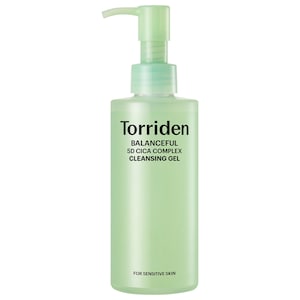 | Cleanser | Torriden BALANCEFUL 5D Cica Complex Cleansing Gel | A soft gel cleanse when oily skin also feels reactive | You want a strong acne-treatment cleanser every night |
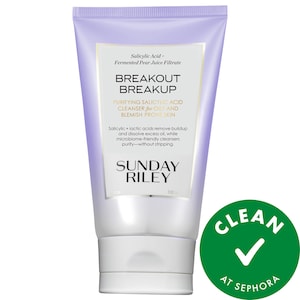 | Cleanser | Sunday Riley Breakout Breakup Salicylic Acid Cleanser | Oily, breakout-prone skin that likes a clearer wash step | Your barrier is already stinging or tight |
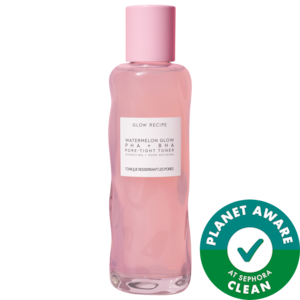 | Exfoliating toner | Glow Recipe Watermelon Glow PHA + BHA Pore-Tight Toner | Smoother texture with a glow-leaning finish | You already use several exfoliating products |
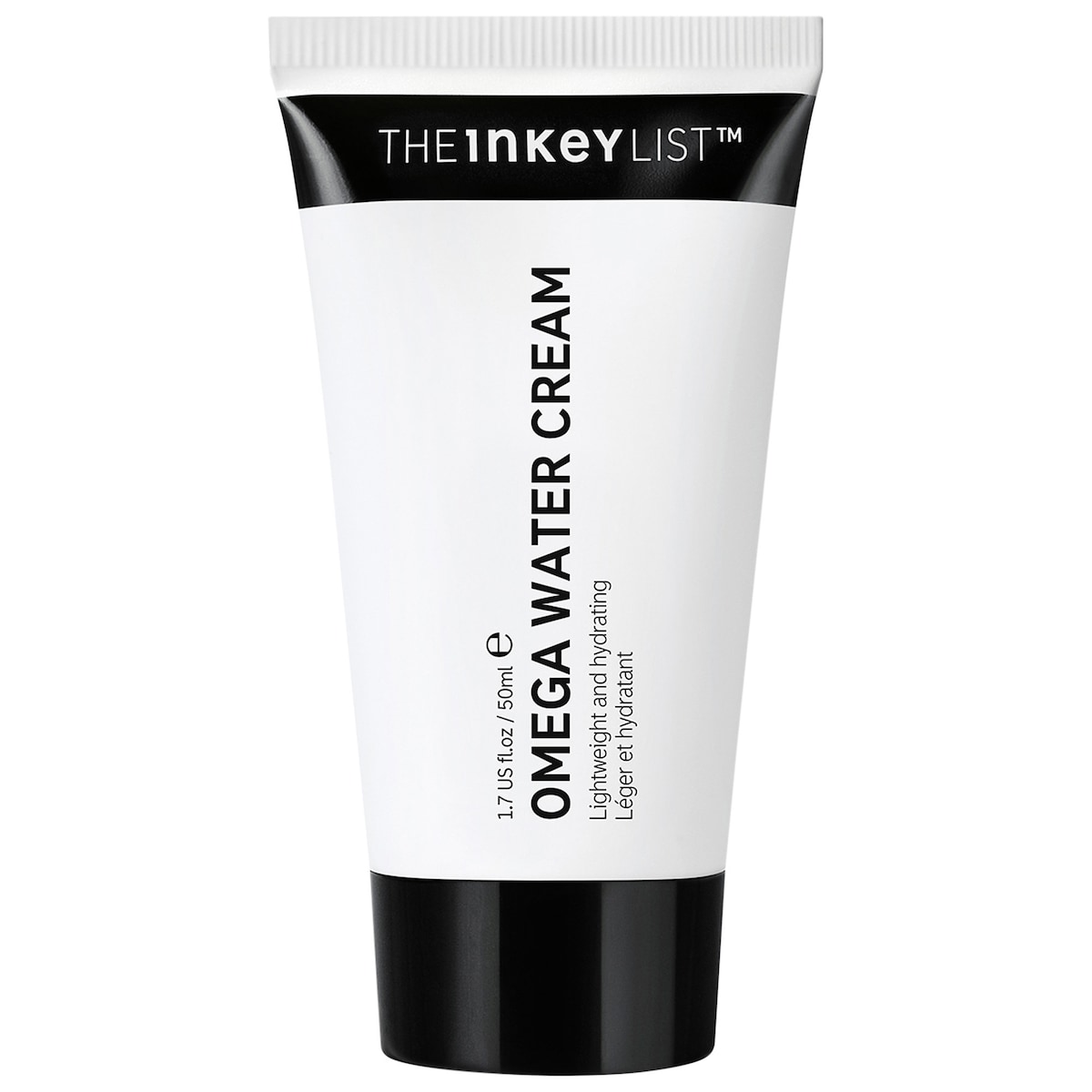
 | Hydrating serum | The INKEY List Hyaluronic Acid Hydrating Face Serum | Lightweight water support under moisturizer | Hyaluronic acid feels sticky or tight on your skin |
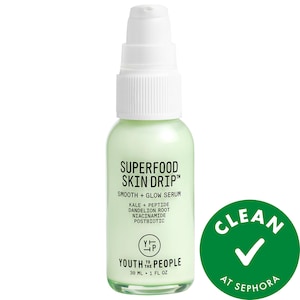 | Serum | Youth To The People Superfood Skin Drip Smooth + Glow Barrier Serum | Glow with niacinamide and barrier support | You want the most matte possible finish |
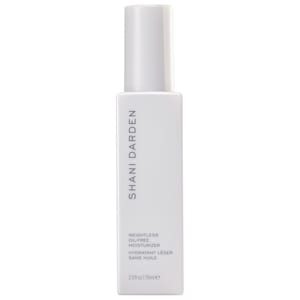 | Moisturizer | Shani Darden Weightless Oil-Free Moisturizer | Oily skin that hates heavy cream | Your skin is dry, flaky, or on a strong retinoid |
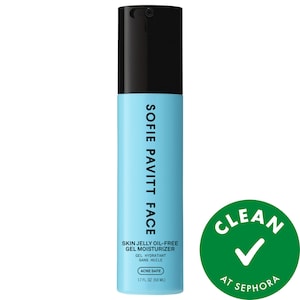 | Moisturizer | SOFIE PAVITT FACE Skin Jelly Oil-Free Gel Moisturizer | A fresh gel finish that keeps the routine light | You prefer a cushioned cream feel |
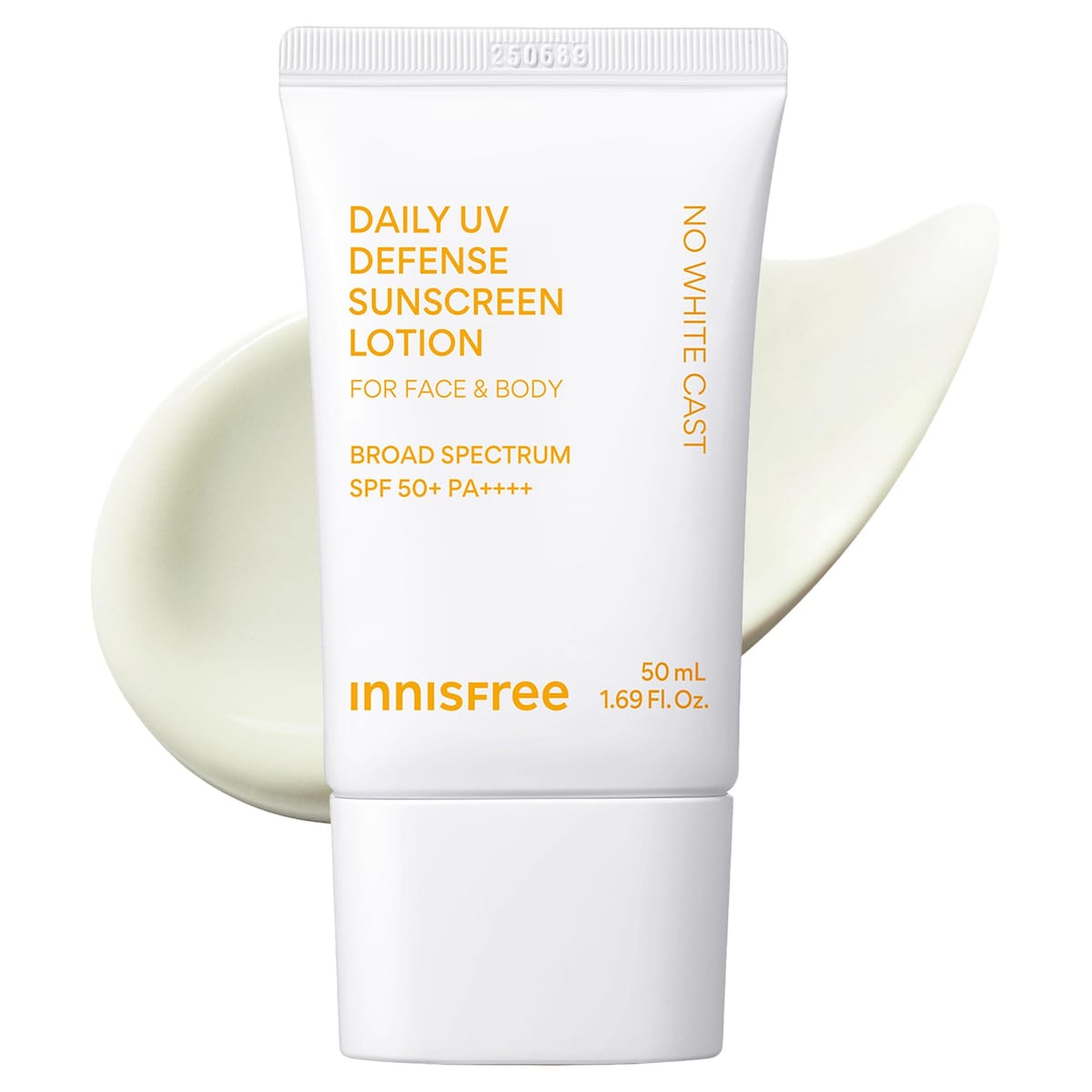
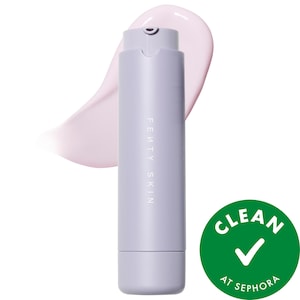 | Sunscreen | Fenty Skin Hydra Vizor Invisible Face Moisturizer SPF 30 | A moisturizer-SPF shortcut when extra layers get greasy | You need a more matte or higher-SPF dedicated sunscreen |
Cleanse like you are trying to keep the skin calm
Oily skin can handle cleansing. That does not mean it wants to be stripped.
The cleanser should leave the face clean, not squeaky. I know that sounds small, but it changes the whole routine. If I start with a cleanser that makes my cheeks tight, every hydrating product after it has to fix a problem I created five minutes earlier.
For oily skin, I like a gel or light foaming cleanser when there is real oil, sunscreen, sweat, or makeup to remove. If I wake up and my skin does not feel dirty, I do not force a dramatic morning cleanse just because a routine chart says so.
The test is simple.
After cleansing, my skin should feel reset. Not waxy. Not dry. Not like I need moisturizer in the next eight seconds or my face will crack.
If a cleanser makes the skin feel too clean, I do not call that effective anymore. I call it expensive friction.
Hydration is still non-negotiable
This is where oily skin advice gets annoying.
People say "hydrate your skin" like oily skin has never heard of water before. The useful version is more specific: oily skin usually does better with thin hydration than heavy softness.
That means I look for watery serums, light essences, and gel textures before I reach for dense creams. I want the skin to feel flexible, not coated. When hydration is right, sunscreen applies more evenly, makeup grabs less, and the face does not start producing that stressed-looking shine so quickly.
The layer has to be thin enough to disappear.
If a hydrating serum sits sticky for ten minutes, it is not helping my oily skin. If it makes sunscreen pill, it loses the morning slot. If it only looks good for the first hour and then turns into a shiny film, I move it to night or stop using it.
Oily skin does not need hydration that announces itself.
It needs hydration that behaves.
Niacinamide is useful, but it is not a personality
Niacinamide can be a great oily-skin ingredient because it sits in the middle of several needs: barrier support, visible redness, uneven tone, and the look of excess shine.
But I do not build a whole routine around seeing the word niacinamide on every bottle.
That is how the routine gets repetitive. A niacinamide cleanser, niacinamide toner, niacinamide serum, niacinamide moisturizer, and niacinamide sunscreen can sound balanced on paper and feel like too much in real life.
I like it best as one clear step.
If the serum handles it, the moisturizer does not need to. If the moisturizer handles it, I do not need a separate serum unless there is a real reason. The goal is not to collect ingredients. The goal is to make the skin more predictable.
When niacinamide works well for oily skin, the face still looks alive. It just looks less chaotic by the afternoon.
Exfoliation should polish, not punish
Glass skin needs smoothness.
Oily skin often needs help with texture, clogged pores, and uneven reflection. That is where BHA can make sense because salicylic acid is oil-soluble and fits the pore-congestion lane better than a random harsh scrub.
But this is also where people ruin the routine.
If I exfoliate too often, the shine gets sharper and less pretty. My skin stops looking hydrated and starts looking laminated. Makeup clings differently. Sunscreen stings. The whole face looks reflective, but not in the clean glass-skin way.
So I keep exfoliation boring.
Two to three nights a week is plenty for many oily routines. Some skin needs less. If there is burning, peeling, unusual redness, or that shiny tight look, I pull back before I add more.
The best exfoliation result is not "I can feel it working."
The best result is that the skin looks smoother next week and I did not have to repair damage to get there.
Sunscreen is where the routine usually breaks
Oily skin can have the best morning routine in the world and still lose if the sunscreen is wrong.
This is the step I take most seriously because it sits on top of everything. A heavy sunscreen can make a good routine look greasy. A sunscreen that pills can make every serum underneath seem guilty. A sunscreen that stings can make you avoid the one step that matters most for keeping tone even.
For oily skin, I want sunscreen to feel like the finish of the routine, not another moisturizer I have to survive.
That usually means:
- lighter gel-cream or fluid textures
- no heavy face oil underneath
- fewer morning layers
- enough dry-down time before makeup
- blotting only where I need it, not all over the face
I do not need sunscreen to make me matte forever. That is unrealistic for oily skin. I need it to look controlled enough that natural oil later does not turn the whole face into a mirror.
The afternoon shine plan
I stopped judging my routine only by how it looked right after application.
That is the easiest time to look good.
The real test is four hours later. If my forehead is slick, my nose is breaking through, and the edges around my mouth feel tight, the routine needs adjusting.
My first move is not always to buy something new. I check the basics:
- Did I use too much moisturizer?
- Did I stack a sticky serum under a dewy sunscreen?
- Did I cleanse too aggressively that morning?
- Did I skip hydration and rely on oil control alone?
- Did I use exfoliation the night before and wake up more reactive?
Most of the time, the fix is subtraction.
One less serum. A lighter moisturizer. Sunscreen on fully dry skin. BHA on fewer nights. A gel cleanser instead of a harsh one. A richer cream only on the zones that actually need it.
Oily skin responds well when the routine stops shouting.
A simple weekly schedule
If I were starting from scratch, I would not make every day different.
I would build a boring week that lets the skin settle.
Monday
Morning: cleanse, hydrating serum, gel moisturizer, sunscreen.
Night: cleanse, BHA or exfoliating toner, light moisturizer.
Tuesday
Morning: rinse or gentle cleanse, niacinamide serum, sunscreen.
Night: cleanse, hydrating serum, moisturizer.
Wednesday
Morning: cleanse, hydration, sunscreen.
Night: cleanse, BHA if skin is calm, moisturizer.
Thursday
Morning: gentle cleanse, light serum, gel moisturizer, sunscreen.
Night: cleanse, recovery night with no exfoliation.
Friday
Morning: keep it thin and wearable.
Night: exfoliate only if the skin still feels calm.
Weekend
Use the weekend to observe. If skin looks smooth but oily, lighten the morning routine. If skin looks shiny and tight, reduce exfoliation. If skin looks dull but comfortable, add one controlled polishing night instead of changing everything.
That kind of schedule sounds less exciting than a 10-step ritual, but oily skin usually rewards repeatability more than drama.
What I ignore now
I ignore any routine that acts like more shine means better skin.
I ignore product names that promise glow but feel like a film.
I ignore the idea that oily skin should skip moisturizer.
I ignore the urge to use every active in the same week just because my pores annoyed me on Monday.
I also ignore the pressure to make my whole face reflective. That is not the version that flatters oily skin. I want controlled glow on the cheeks, smoother texture, even tone, and a T-zone that can survive the day without constant emergency work.
That is a better goal.
It looks cleaner. It feels better. It lasts longer.
When oily skin needs more than a routine tweak
Skincare can help a lot, but it is not magic.
If oiliness comes with painful acne, sudden changes, irritation that will not calm down, or breakouts that keep scarring, I would rather get professional help than keep guessing with more products. Stronger acne treatments, prescription retinoids, hormonal acne support, and medical guidance are real lanes. A blog routine should not pretend to replace them.
For everyday oily skin, though, the biggest wins are usually simple:
- stop stripping the skin
- use lighter hydration
- exfoliate with restraint
- choose sunscreen carefully
- keep the routine consistent long enough to learn from it
That is the version of glass skin I actually trust for oily skin.
Not wet. Not greasy. Not overloaded.
Just clear, smooth, hydrated skin that still looks like skin by the end of the day.
FAQ
Can oily skin really get glass skin?
Yes. Oily skin can get a glassy look, but the finish has to be controlled. The goal is smooth, hydrated, even-looking skin with light reflection on the high points of the face, not a heavy all-over shine.
Should oily skin use moisturizer?
Most oily skin still needs moisturizer. The difference is texture. A gel moisturizer, oil-free lotion, or lightweight barrier-support cream usually makes more sense than a rich cream in the morning.
Is hyaluronic acid good for oily skin?
It can be. Hyaluronic acid works best for oily skin when it is layered thinly and sealed with a light moisturizer. If it feels sticky or makes the skin feel tight, try using less, applying to slightly damp skin, or switching to a different hydrating ingredient.
How often should oily skin exfoliate for a glass-skin look?
Many oily routines do well with exfoliation two to three nights a week, but sensitive or irritated skin may need less. More exfoliation is not always better. If skin looks shiny, tight, red, or stingy, pull back.
What makes glass skin look greasy on oily skin?
Too many dewy layers, heavy moisturizer, facial oil, sticky serum, rich sunscreen, and over-exfoliation can all make oily skin look greasy instead of smooth. The fix is usually lighter layers and fewer morning products.