Glass skin gets misunderstood fast.
People see shine and chase shine.
That is the trap.
The better version of Korean skin care for glass skin is not a wet-looking face at 11 p.m. after six layers of product. It is skin that looks calm, smooth, even, and hydrated when the products have settled. That is harder. It is also much more useful.
When I build a Korean skin care glass skin routine now, I start with one question: what would make the skin reflect light more evenly without making it more reactive?
That question changes the whole routine.
It keeps me from stacking every toner, essence, serum, ampoule, cream, mask, and exfoliant just because the category sounds Korean or glow-friendly. It also keeps me honest about the fact that a lot of the glass skin look online is lighting, fresh product, makeup, filters, professional treatments, or a face that was already calm before the routine started.
So the routine below is not built around fantasy.
It is built around the version I would actually trust in April 2026: gentle cleansing, watery-to-milky hydration, one targeted serum, a moisturizer that matches your skin type, sunscreen every morning, and a very restrained approach to exfoliation.
That sounds less dramatic.
It works better.
Quick answer
If I wanted the shortest possible Korean skin care glass skin routine, I would keep it to this:
Morning
- Rinse or cleanse gently.
- Use one hydrating toner or milky toner.
- Add one serum only if it has a clear job.
- Moisturize based on your skin type.
- Wear sunscreen.
Night
- Remove sunscreen and makeup properly.
- Cleanse gently.
- Add a hydrating toner or essence.
- Use one treatment step on selected nights.
- Seal with moisturizer.
That is enough structure for most people. The extra steps should earn their place. If a product does not make the routine calmer, more consistent, or easier to understand, I would not keep it just because it belongs to the glass skin aesthetic.
The product stack I would start with
This is the kind of product map I like because each item has a job. I do not want five products all pretending to be "glow." I want cleanse, hydrate, support, seal, protect, and occasionally reset.
| Image | Product | Best routine job | Who I would put it on |
|---|---|---|---|
 | AESTURA ATOBARRIER365 Gentle pH-Balancing Foaming Cleanser | Gentle second cleanse | Dry, sensitive, or barrier-tired skin that hates stripped cleansing |
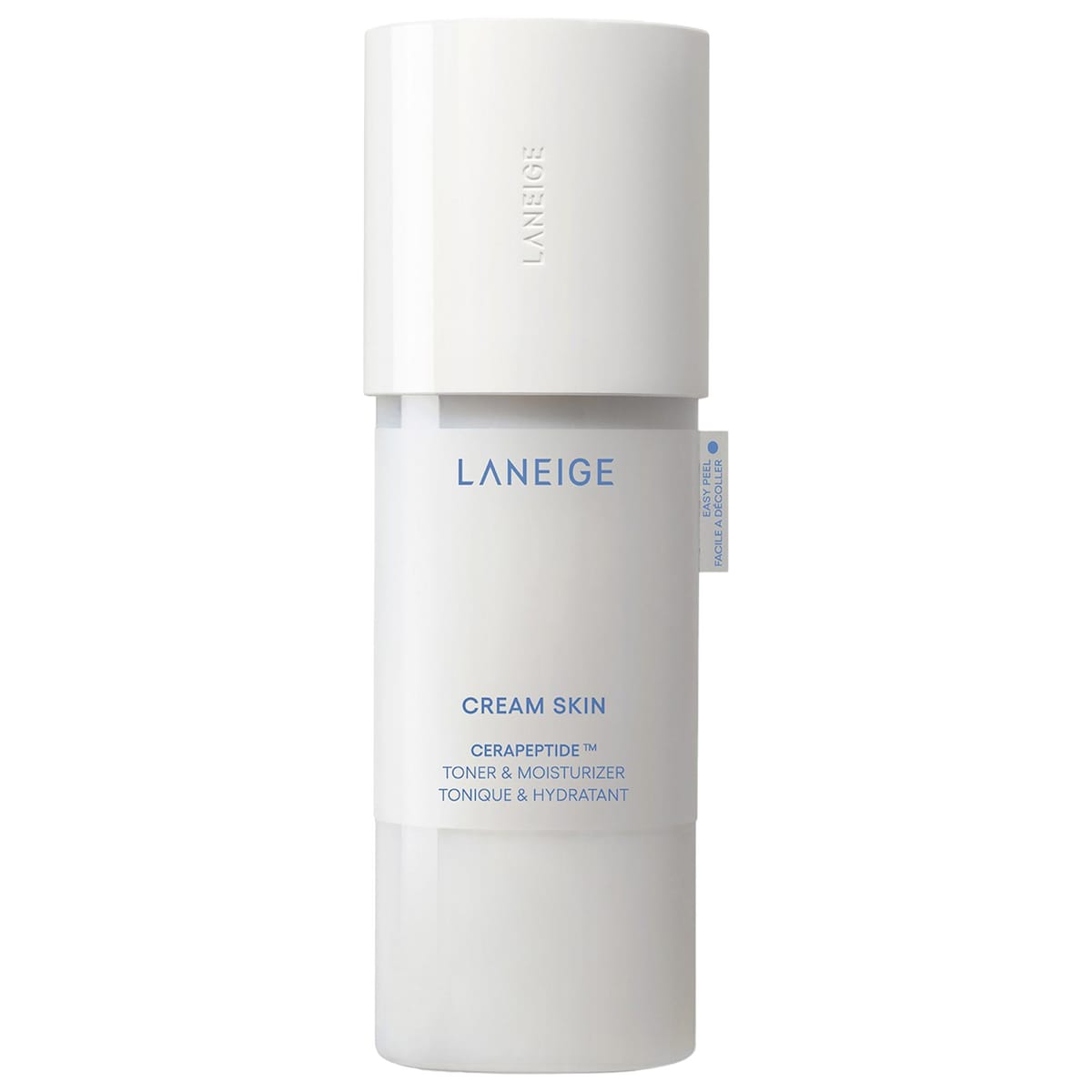
 | LANEIGE Cream Skin Milky Toner with Ceramides and Peptides | Comfort layer | Dry or normal skin that wants cushion before cream |
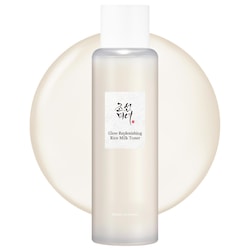 | Beauty of Joseon Glow Replenishing Rice Milk Toner | Lightweight hydration | Combination skin that wants glow without heavy creaminess |
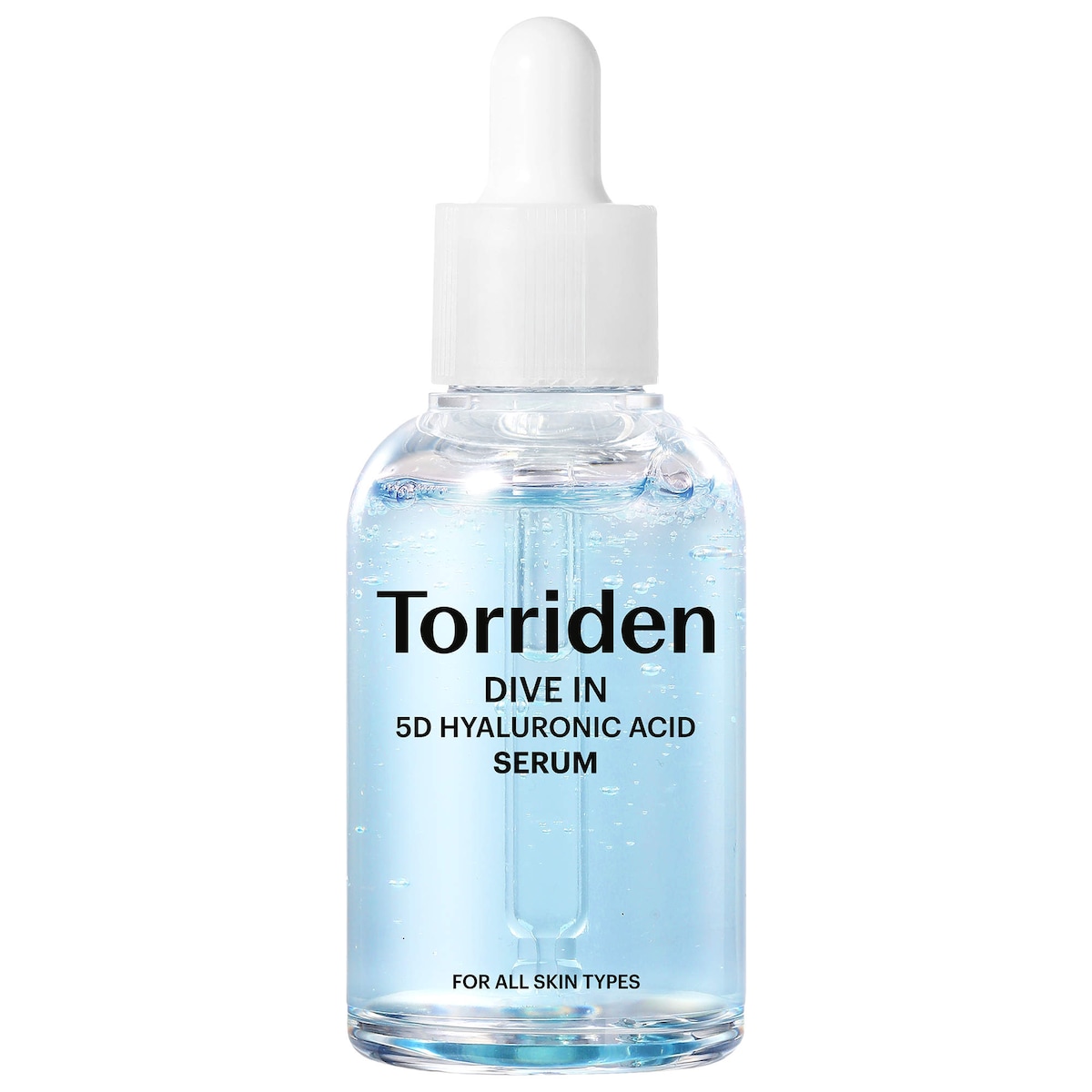
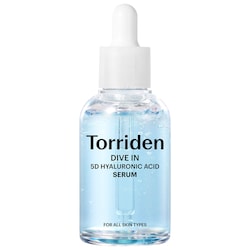 | Torriden DIVE IN 5D Hyaluronic Acid Ultra Hydrating Serum | Dehydration serum | Skin that looks flat, tight, or makeup-grabby |
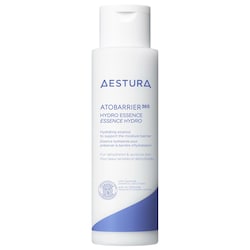 | AESTURA ATOBARRIER365 Milky Hydro Essence | Barrier-support essence | Sensitive or over-treated skin that needs a slower rebuild |
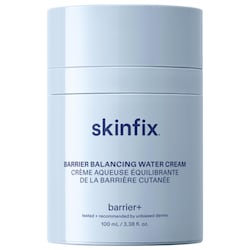 | Skinfix Barrier Balancing Water Cream | Light seal | Oily or combination skin that still needs hydration |
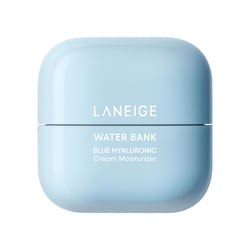 | LANEIGE Water Bank Blue Hyaluronic Cream | Cream seal | Normal to dry skin that wants comfort without a heavy ointment feel |
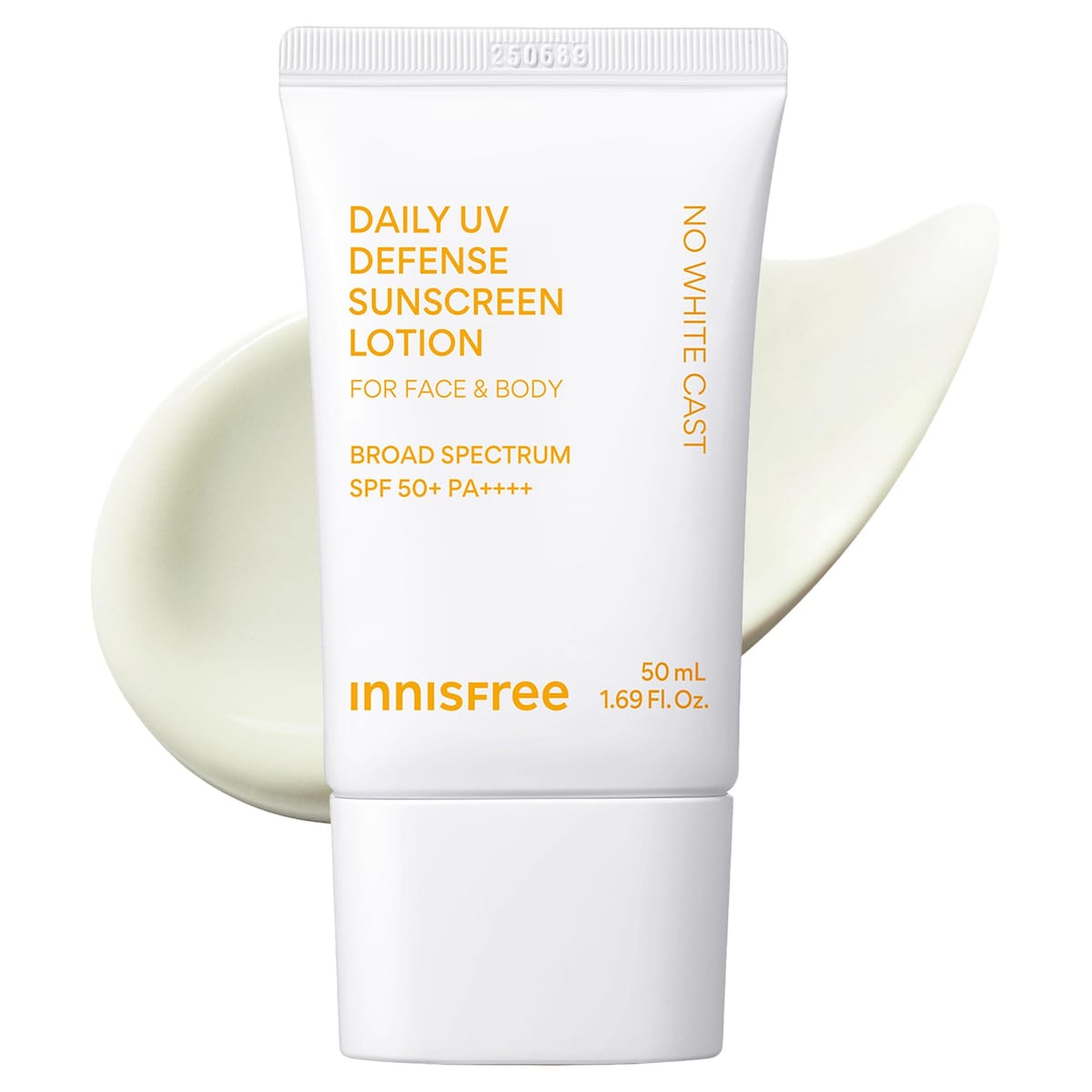
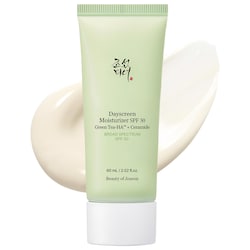 | Beauty of Joseon Dayscreen 2-in-1 SPF 30 Moisturizer | Daytime protection | People who skip SPF when it feels too separate from moisturizer |
The first rule is boring: stop damaging the surface
Glass skin is mostly a surface-quality goal.
That means the surface has to be calm enough to reflect light evenly. If your skin is burning, flaking, peeling, tight, red, or shiny in a stressed way, the next move is not another glow product. The next move is usually removing friction.
The easiest friction to remove is cleansing damage.
I do not like harsh morning cleansing for most people chasing glass skin. If your skin is dry or sensitive, rinsing with water may be enough in the morning. If your skin is oily, sweaty, or product-heavy from the night before, use a gentle cleanser and move on. The goal is not to make your skin feel squeaky. Squeaky is usually a warning sign.
At night, I care more about cleansing because sunscreen, makeup, oil, and city grime need to come off. But I still would not use that as an excuse to punish the skin. If you wear makeup or water-resistant sunscreen, start with an oil cleanser or balm, then follow with a gentle water-based cleanser. If you do not, one gentle cleanse may be enough.
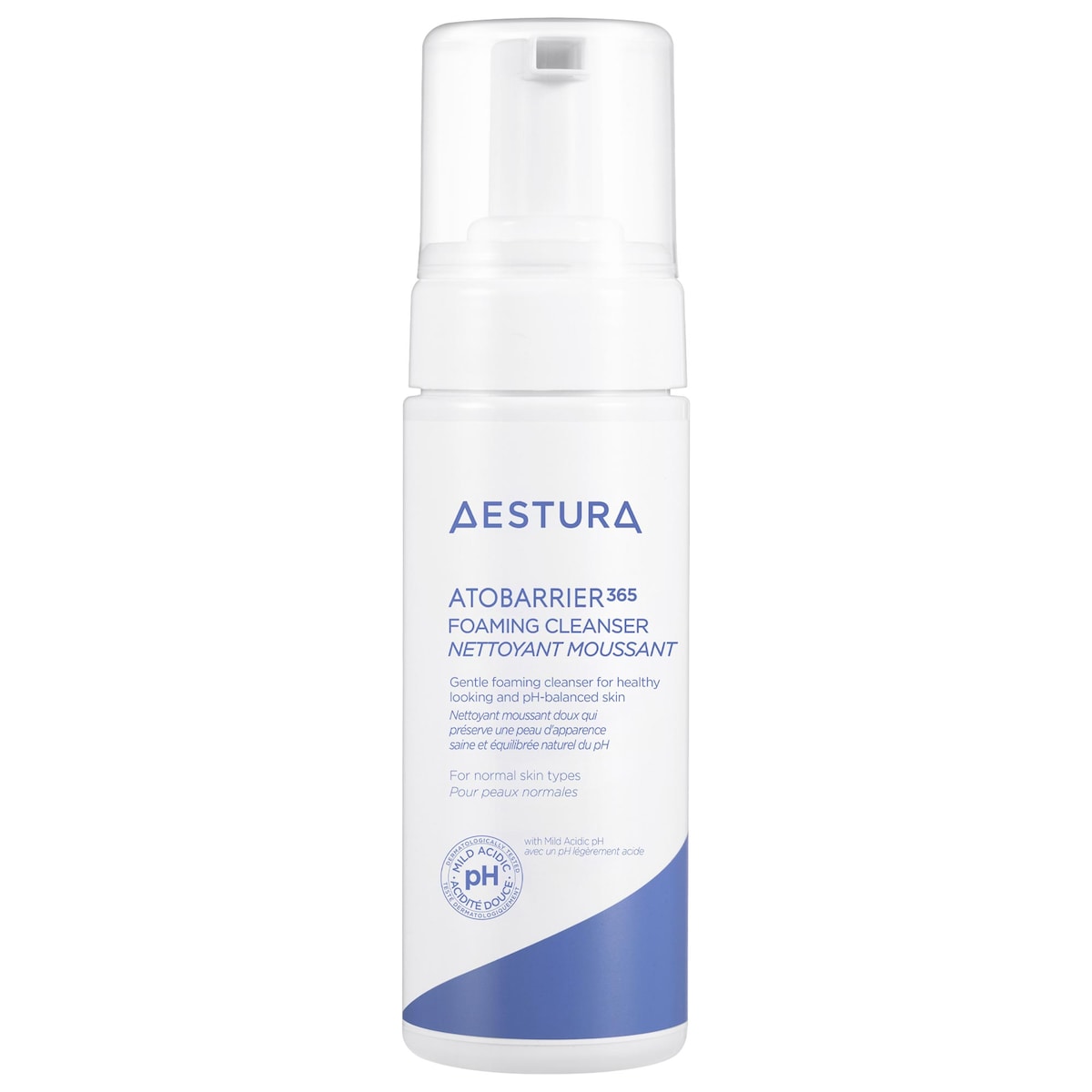
This is where a cleanser like AESTURA ATOBARRIER365 Gentle pH-Balancing Foaming Cleanser makes sense. It fits the part of the routine where I want clean skin without that dry, smaller-face feeling afterward.
If cleansing leaves your cheeks tight, your smile lines papery, or your skin begging for moisturizer within one minute, I would fix that before buying another serum.
Hydration should come in thin layers, not panic layers
The Korean routine idea that still holds up beautifully is thin hydration.
Not endless hydration.
Thin hydration.
There is a difference.
A good toner, essence, or serum should make the next step easier. It should not turn your face into a sticky stack that pills under sunscreen or makes you avoid the routine because it takes too long.
For dry skin, I like a milky layer early. That is where LANEIGE Cream Skin Milky Toner works as the comfort-first choice. It gives the routine a softer landing after cleansing. It is especially useful if your moisturizer works eventually, but your skin feels tight before the cream has a chance to settle.
For combination or oilier skin, I would be more careful. You may still want hydration, but you may not want the same creamy feeling. That is where Beauty of Joseon Glow Replenishing Rice Milk Toner is more interesting. It gives a hydration-and-glow lane without making the whole routine feel rich.
The mistake is treating these as collectible steps.
You do not need a toner, essence, ampoule, serum, mist, and sheet mask every day. You need the smallest number of layers that keeps your skin comfortable for hours after the routine is done.
The serum should solve the actual bottleneck
This is where most glass skin routines get messy.
People add a serum because the bottle says glow. Then another because it says pores. Then another because it says barrier. By the end, the routine has no center.
I would choose the serum by bottleneck:
- If skin feels tight but looks shiny, I would think dehydration.
- If skin looks rough and makeup catches, I would think texture.
- If skin gets red or stingy, I would think barrier first.
- If skin looks uneven, I would think tone support plus sunscreen consistency.
- If breakouts are active, I would not chase glass skin before calming the acne pattern.
For a hydration bottleneck, Torriden DIVE IN 5D Hyaluronic Acid Ultra Hydrating Serum is the kind of product I understand immediately. It is not trying to be everything. It is there for plumpness, comfort, and that flat-skin feeling that happens when water levels are off.
For a barrier bottleneck, I would slow down and look at something like AESTURA ATOBARRIER365 Milky Hydro Essence instead. That is the more patient choice. Less dramatic, more useful when your skin has been through too much.
The serum rule I trust is simple: one serum per routine unless you can explain exactly why the second one belongs there.
If you cannot explain it in one sentence, skip it.
Moisturizer decides whether the glow lasts
Hydration without a seal is temporary.
That is why moisturizer matters more than people think in glass skin routines. A toner or serum can make the skin look fresh for twenty minutes. A good moisturizer helps that hydration last long enough to matter.
The right texture depends on your skin.
If you are oily or combination, I would start with a lighter cream like Skinfix Barrier Balancing Water Cream. The goal is not to mattify your skin into flatness. The goal is to give it enough water and barrier support that it does not overproduce oil because it feels stripped.
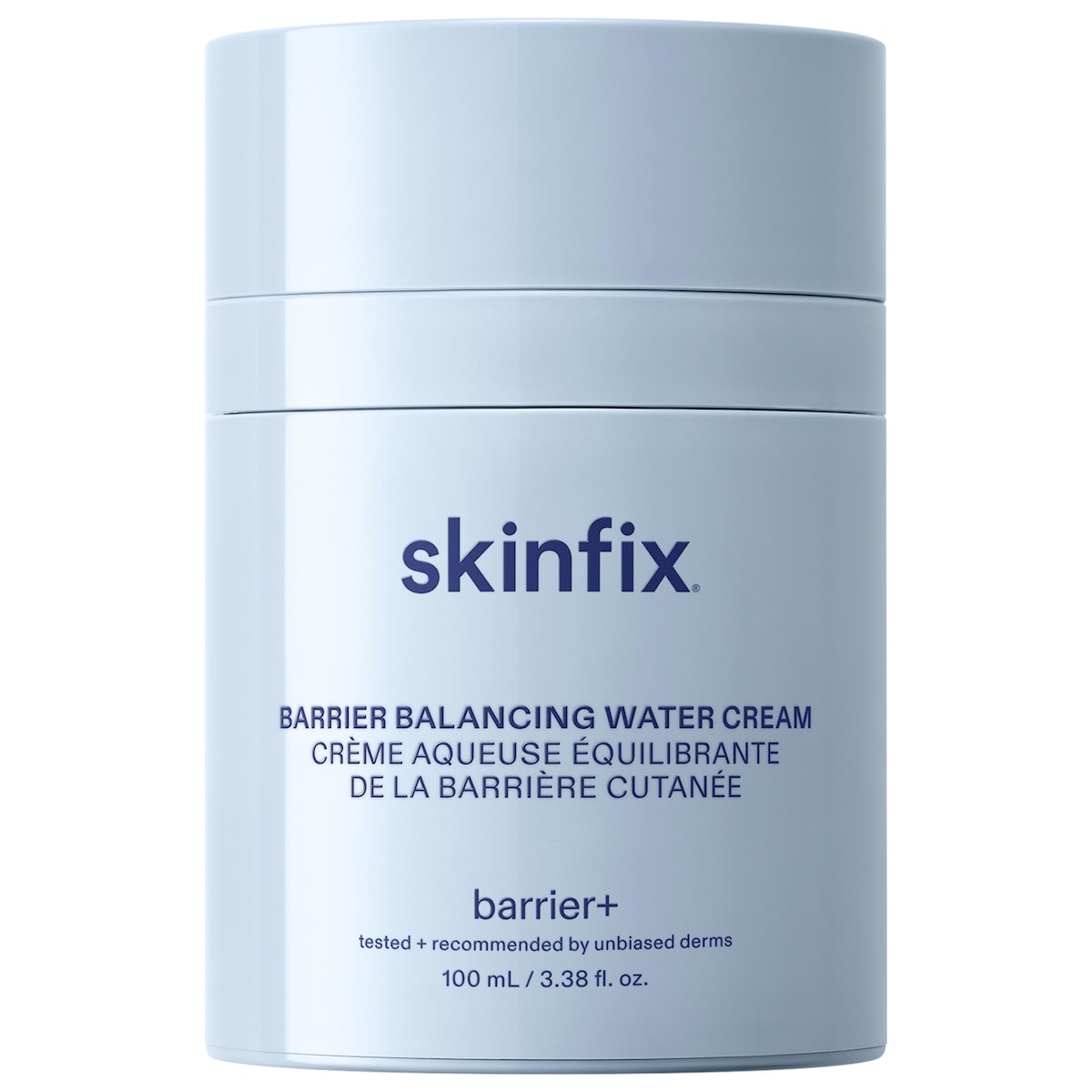
If you are normal to dry, LANEIGE Water Bank Blue Hyaluronic Cream makes more sense. It sits in that middle lane where you want visible comfort and bounce without making the morning routine feel heavy.
For very dry or reactive skin, I would go richer than a water cream at night. The problem with dry skin is rarely that it lacks a trendier serum. More often, it cannot hold on to the hydration it already received.
That is the unglamorous part of glass skin: the finish depends on the seal.
Sunscreen is not optional if you care about even tone
I do not trust a glass skin routine that treats sunscreen like an accessory.
You can buy every brightening toner and texture serum in the world, but if the morning routine does not end with sunscreen, the whole plan is unstable. Uneven tone, lingering marks, dullness, and premature texture changes all get harder to manage when UV exposure keeps interrupting progress.
This is one reason Korean and Korean-inspired sunscreen textures became so popular. People are more consistent when sunscreen feels elegant. That matters. A technically perfect sunscreen that you hate wearing loses to the one you apply every morning.
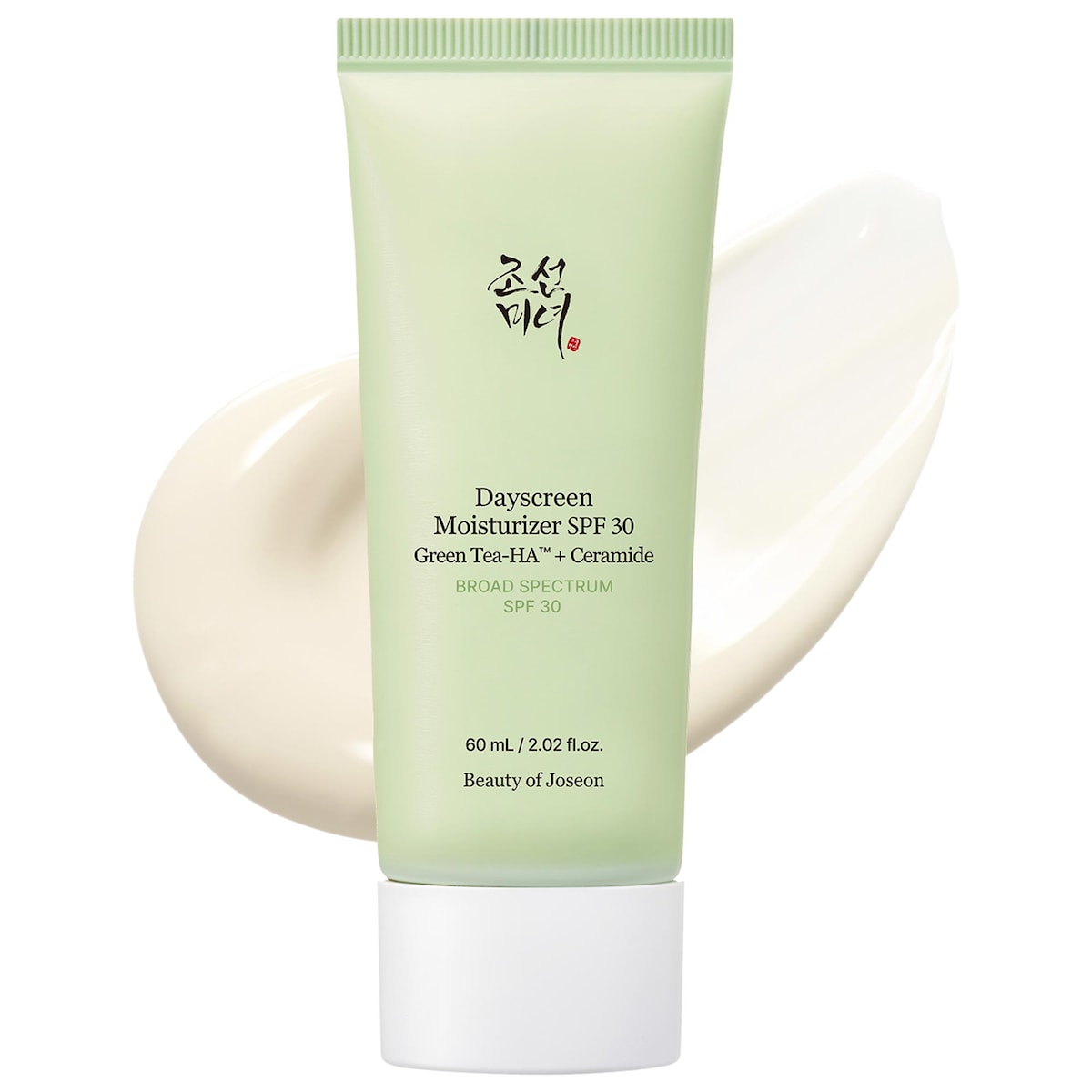
Beauty of Joseon Dayscreen 2-in-1 SPF 30 Moisturizer is interesting for the person who skips SPF because the step feels separate, sticky, or annoying. I still prefer a dedicated broad-spectrum SPF 30 or higher when someone is serious about sun exposure, reapplication, or long outdoor days, but a moisturizer-SPF format can be useful when the real problem is consistency.
The best sunscreen is the one that makes you boringly reliable.
That is not a cute line.
It is the whole point.
Exfoliation is the step I would keep on a leash
Smooth skin reflects light better.
That does not mean daily exfoliation is smart.
This is the part I wish more people would slow down on. If your skin already feels tight, stings when you apply moisturizer, burns with sunscreen, or suddenly hates products it used to tolerate, exfoliation is not your glow shortcut. It is probably the first thing I would pause.
When the skin is stable, gentle exfoliation can help. I like it most when there is a clear reason:
- rough texture that does not improve with hydration
- dullness from buildup
- clogged pores that need a BHA lane
- dry flakes that need very occasional help after the barrier is comfortable
But I would not pair exfoliation with every other strong active. I would not use an acid because I am bored. I would not exfoliate through irritation and call it purging.
For most people, one to two nights a week is plenty to start. Sensitive skin may need less. Acne-prone skin may need a different plan. If your face is already irritated, the best exfoliation plan is no exfoliation until it calms down.
Glass skin is not worth a damaged barrier.
It never is.
How I would adjust the routine by skin type
The routine only works if it respects your actual face.
For dry skin, I would keep the morning cleanse minimal, use a milky toner, add a hydrating serum if needed, and choose a cream that actually seals. At night, I would be more generous with moisturizer and less adventurous with exfoliation. Dry skin often looks better quickly when it stops losing water, but it also gets irritated quickly when you overcomplicate it.
For oily skin, I would not chase dryness. That is the mistake. Oily skin still needs hydration, but it usually prefers lighter layers, gel creams, and fewer occlusive extras. Your glass skin version may look smooth and clear rather than buttery and wet. That is fine. Trying to force a dry-skin glow onto oily skin usually ends in congestion.
For combination skin, I would stop pretending the whole face needs one texture. Use lighter layers on the T-zone and richer layers on the cheeks if needed. This is not being complicated. It is being accurate.
For sensitive skin, I would make the routine almost boring for a month. Gentle cleanser. Hydrating layer. Barrier-support moisturizer. Sunscreen. No aggressive exfoliation. No daily retinoid. No new product every three days. Sensitive skin often improves when the routine gets quieter, not smarter.
For acne-prone skin, I would separate the acne plan from the glass skin fantasy. Treat acne first. Keep the barrier intact. Do not bury breakouts under oils, masks, and ten hydrating layers because the routine looks pretty on a shelf. Clearer, calmer skin will look more luminous than irritated skin covered in glow products.
The four-week build I would actually follow
The fastest way to ruin a good Korean skin care routine is to start all of it at once.
I would build it like this.
Week 1: Cleanse, moisturize, sunscreen
Keep it painfully simple. Choose the gentlest cleanse that still gets your skin clean. Use a moisturizer that matches your skin type. Wear sunscreen every morning. Do not judge the routine yet. You are building a baseline.
Week 2: Add one hydrating layer
Add the toner, essence, or milky layer that makes the most sense for your skin. If your face feels better and nothing stings, keep going. If your skin gets sticky, congested, or itchy, the product may not be your match.
Week 3: Add one serum
Choose the serum by problem, not by trend. Hydration, tone, redness, texture, oil balance, or barrier support. One job. One product. Give it time.
Week 4: Decide whether exfoliation belongs
Only add exfoliation if the skin is calm. Start low. Start slow. Keep it away from other irritating steps. If your skin looks smoother with hydration alone, you may not need exfoliation yet.
This approach is less exciting than opening everything at once.
That is why it is better.
You can actually tell what helped.
What I would ignore
I would ignore any routine that says everyone needs ten steps.
I would ignore any product list that treats shine as proof of skin health.
I would ignore routines that make sunscreen optional.
I would ignore daily exfoliation unless a dermatologist gave you a very specific reason.
I would ignore the idea that a glass skin routine should feel expensive, complicated, or fragile.
The routine should make your skin easier to live with. If it makes you nervous, reactive, broke, or constantly confused, it is not a good routine. It is just a pretty problem.
Where Glass fits into this
The hardest part of a Korean skin care glass skin routine is not knowing the steps.
It is staying consistent long enough to understand your own patterns.
That is where Glass helps. You can build a routine, track what you actually used, log skin changes, scan your progress, and stop relying on memory when you are trying to figure out whether a product helped or just looked good on the first night.
That matters because skincare is slow. The product that looks amazing under bathroom lighting on day one may not be the product that improves your skin after six weeks. The routine that feels boring may be the one that finally lets your barrier recover.
If you want the fuller routine side, read korean glass skin routine 2026, how to get Korean glass skin 2026, and best Korean skincare products at Sephora 2026. If your main issue is consistency, best skincare routine tracker 2026 is the more practical next step.
The bottom line
The best Korean skin care glass skin routine is not the longest one.
It is the one your skin can tolerate, your schedule can repeat, and your face can improve from over time.
Start with a gentle cleanse. Add hydration in thin layers. Pick one serum that solves a real bottleneck. Seal with the right moisturizer. Wear sunscreen like it matters, because it does. Keep exfoliation controlled.
If your skin starts looking calmer, smoother, and more even, you are on the right path.
If it starts stinging, flaking, burning, or breaking out in new ways, listen sooner.
Glass skin should not feel like a dare.
It should feel like your skin finally stopped fighting you.
FAQ
What is the best Korean skin care routine for glass skin?
The best Korean skin care routine for glass skin is a consistent routine built around gentle cleansing, hydrating toner or essence, one targeted serum, moisturizer, and daily sunscreen. Most people do not need ten steps. They need the right five or six steps repeated without irritation.
Do I need Korean products to get glass skin?
No. Korean products can make the routine easier because many are built around lightweight hydration, barrier support, and elegant sunscreen textures. But the real principles are hydration, smooth texture, even tone, barrier health, and sun protection.
How long does glass skin take?
Hydration can make skin look better quickly, sometimes within days. Texture, uneven tone, post-breakout marks, and barrier repair take longer. I would think in weeks and months, not overnight.
Can oily skin get glass skin?
Yes, but oily skin should not copy a dry-skin routine. Use lighter hydration, gel creams, controlled exfoliation if tolerated, and sunscreen that does not feel heavy. Oily glass skin should look smooth and balanced, not greasy.
What ruins a glass skin routine fastest?
Too many new products, harsh cleansing, daily exfoliation, skipping sunscreen, and ignoring stinging. The routine should make skin calmer over time. If it makes your skin more reactive, simplify before adding anything else.