My skin looked shiny.
That fooled me.
For a few weeks, I kept calling it glow because that sounded better than admitting what was actually happening. My cheeks reflected light. My forehead looked slick by noon. Foundation sat on top of my face instead of blending into it. Moisturizer helped for ten minutes, then the tight feeling came back.
It was not glass skin.
It was stressed skin with good lighting.
That is the trap. Real glass skin looks hydrated, smooth, even, and calm. Barrier-damaged skin can look glossy too, but it usually feels wrong underneath. It feels tight after cleansing, warm after moisturizer, rough under makeup, and weirdly oily in places that still feel dry.
Once I understood that difference, the routine got much easier.
I stopped chasing more glow. I started building skin that could actually hold hydration again.
The fastest way to tell the difference
Glass skin feels comfortable.
Barrier shine feels tense.
That is the easiest filter I use now. If my skin looks reflective but feels tight, hot, itchy, stingy, flaky, or strangely rough, I do not treat that as progress. I treat it as a signal that my routine has gone too hard or gotten too crowded.
Here is the split I wish someone had made clearer for me:
| What you notice | Healthy glassy skin | Barrier-stressed shine |
|---|---|---|
| After cleansing | Skin feels clean but not stripped | Skin feels tight, shiny, or squeaky |
| After moisturizer | Skin settles and feels cushioned | Skin stings, heats up, or feels dry again fast |
| Under makeup | Makeup sits smoother | Makeup catches on flakes or texture |
| By midday | Glow still looks soft | Shine looks oily but skin feels dehydrated |
| With actives | Skin tolerates a steady schedule | Every active suddenly feels stronger than usual |
That table changed how I read my face.
I stopped asking, "How do I make this shinier?"
I started asking, "Why does my skin look shiny but feel irritated?"
That question is much more useful.
What usually causes the fake glow
For me, it was not one terrible product.
It was the stack.
I had a cleanser that left my face too bare. I had an exfoliating step I used whenever texture annoyed me. I had a retinoid night, but I kept sneaking in brightening products around it. I had a hydrating serum, but I was using it like a peace treaty after the rest of the routine had already picked a fight.
The skin looked glossy because it was overworked.
The most common causes are boring, which is exactly why they are easy to ignore:
- cleansing until the face feels polished
- using acids too often
- pairing exfoliation and retinoids too casually
- treating every bump like it needs an active
- skipping moisturizer because skin looks oily
- changing products every few days
- using sunscreen that stings, then avoiding sunscreen completely
None of that sounds extreme when you do it one decision at a time.
That is how the routine gets away from you.
The May 2026 reset I would use first
If my skin looked glossy but felt damaged today, I would not start with a 10-step glass skin routine.
I would start with a two-week reset.
Not forever. Not as punishment. Just long enough to quiet the skin down and see what is actually happening.
Morning
- Rinse with lukewarm water or use a gentle cleanser only if needed.
- Add one comfort layer if it does not sting.
- Moisturize with the texture your skin can actually tolerate.
- Wear sunscreen.
Night
- Remove sunscreen and makeup gently.
- Cleanse without scrubbing.
- Skip actives while the skin is still reactive.
- Moisturize.
- Add a thin seal only on dry patches if needed.
That is the whole reset.
The discipline is not in adding more. The discipline is in not adding the thing you are tempted to add when your skin looks dull on day three.
The products I would place in a barrier-first glass skin routine
I would not buy all of these at once.
That matters.
The better move is to pick one product for the slot that is failing. If cleansing is the problem, fix cleansing. If moisturizer disappears too fast, fix moisturizer. If sunscreen ruins the morning, fix sunscreen. A routine gets calmer when every product has a job and no product is trying to apologize for another one.
| Image | Routine slot | Product | Best for | Skip if |
|---|---|---|---|---|
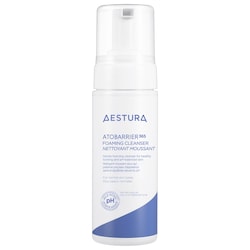 | Cleanser | AESTURA ATOBARRIER365 Gentle pH-Balancing Foaming Cleanser | Skin that feels tight after normal face wash | Any cleanser burns right now |
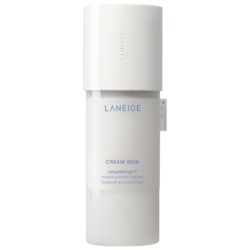 | Comfort layer | LANEIGE Cream Skin Milky Toner with Ceramides and Peptides | Papery, dehydrated skin that needs cushion | Milky toners clog you quickly |
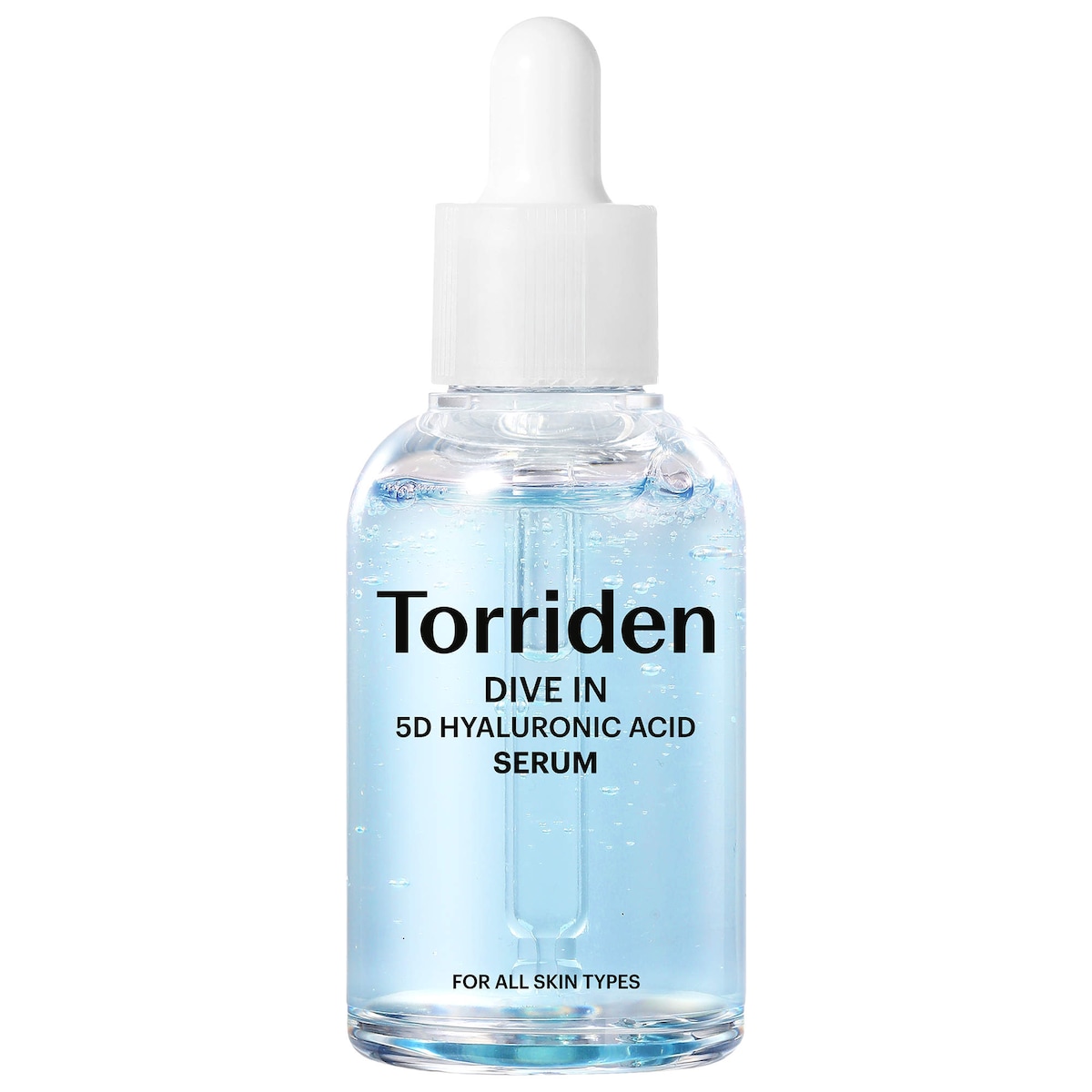
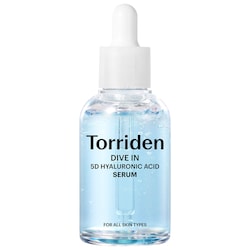 | Water support | Torriden DIVE IN 5D Hyaluronic Acid Ultra Hydrating Serum | Skin that feels flat, tight, and thirsty | Humectant serums feel sticky or hot |
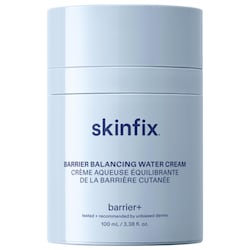 | Lightweight cream | Skinfix Barrier Balancing Water Cream Moisturizer | Oily or combination skin that still needs comfort | You need a richer night cream |
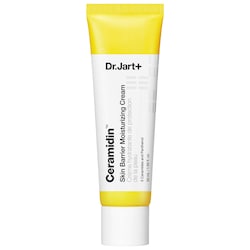 | Richer cream | Dr. Jart+ Ceramidin Skin Barrier Moisturizing Cream | Dry, flaky, tight skin at night | Rich creams trap heat or clog you |
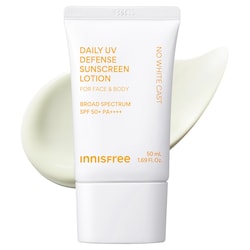 | Sunscreen | innisfree Daily UV Defense Invisible Korean Sunscreen SPF 50+ PA++++ | A daily SPF that feels easier to repeat | Chemical sunscreen stings on your current skin |
The table is not a shopping list.
It is a map.
Most people need one steadier cleanser, one moisturizer that fits their actual skin type, and one sunscreen they will not avoid. The rest is optional until the face stops acting reactive.
Cleanse like you want skin left over
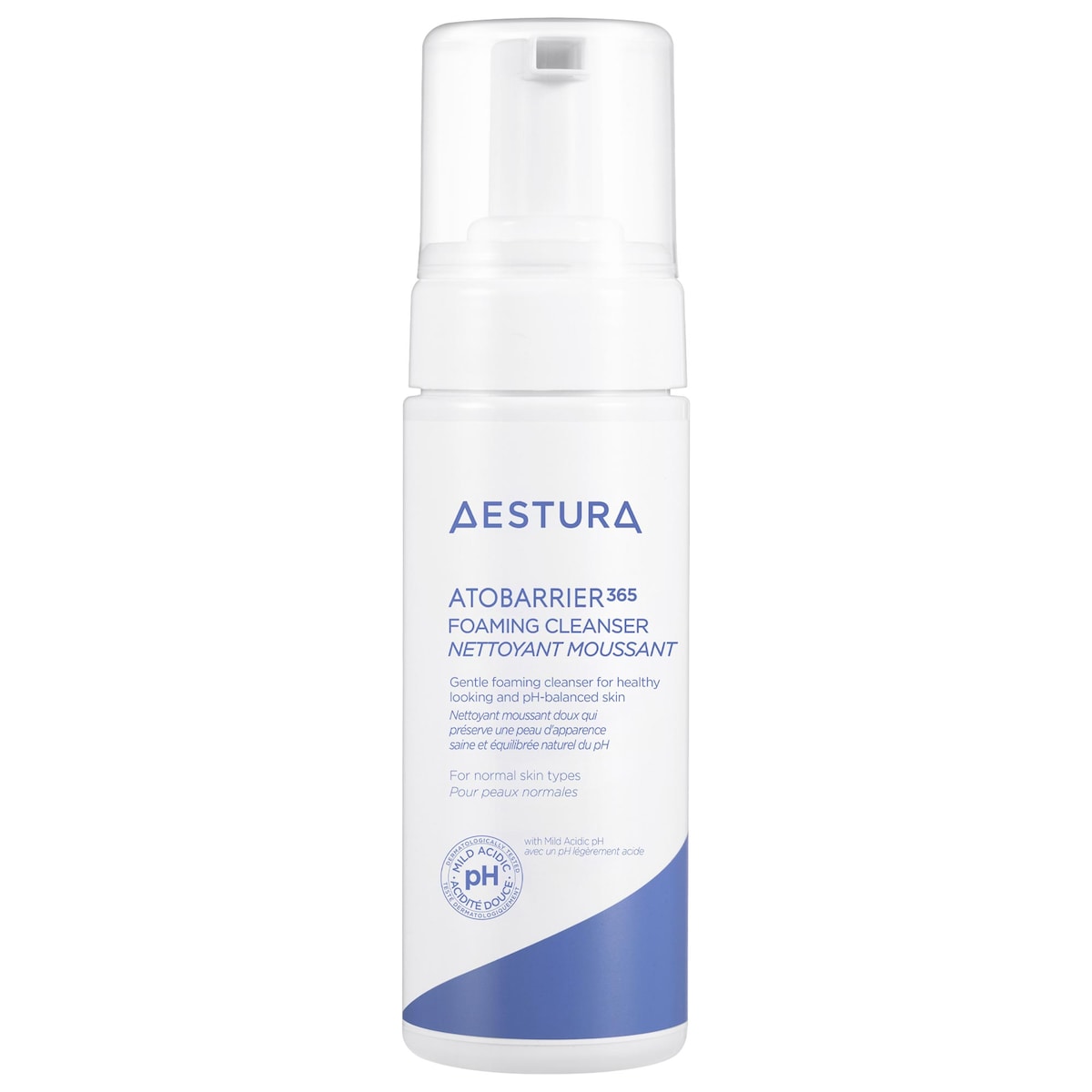
The cleanser step tells you a lot.
If your face feels tight right after washing, do not rush past that clue. That tight, shiny, squeaky feeling is not proof that your skin is finally clean. It can be a sign that the cleanser is taking more than it needs to.
When I am trying to get back to healthy glow, I want a cleanser that removes sunscreen, sweat, and makeup residue without making moisturizer do emergency work afterward.
I also stop using cleanser to solve texture.
That one took me a while.
Roughness makes you want to polish the skin. Flakes make you want to scrub them off. But if the roughness is coming from irritation, scrubbing only buys a smoother hour and a worse week.
Use lukewarm water. Keep the cleanse short. Use your fingertips, not pressure. If you wore makeup or heavy sunscreen, remove it gently first instead of rubbing harder with one cleanser.
The face should feel ready for moisturizer, not desperate for it.
Hydration should feel quiet
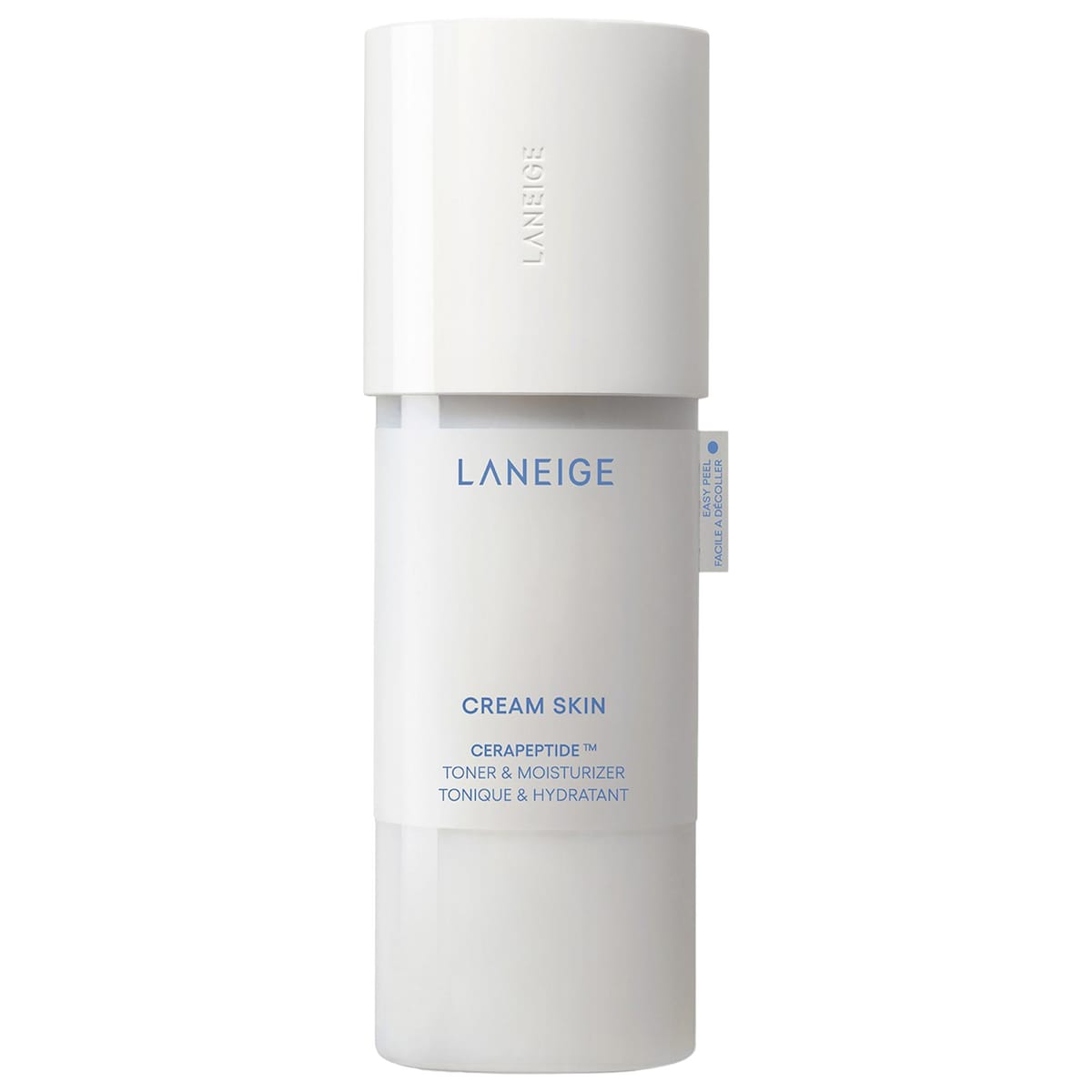
Hydration is not supposed to be dramatic.
When skin is barrier-stressed, I like thin comfort layers only if they behave. A milky toner can make dry, papery skin feel less exposed before moisturizer. A simple hydrating serum can help skin feel less flat. But neither one is mandatory if the skin is irritated enough that every extra layer feels suspicious.
That is the rule:
If it stings, pause it.
Do not spend three nights trying to convince yourself a comfort product is comfortable.
The same goes for hyaluronic acid serums. They can be useful when skin feels dehydrated, but they still need to be sealed with moisturizer. A water-binding serum without a good final cream can leave skin feeling tight again, especially in dry air.
I like hydration most when it reduces the urge to over-moisturize.
One thin layer. Then cream. Then stop.
Moisturizer is where the routine becomes real
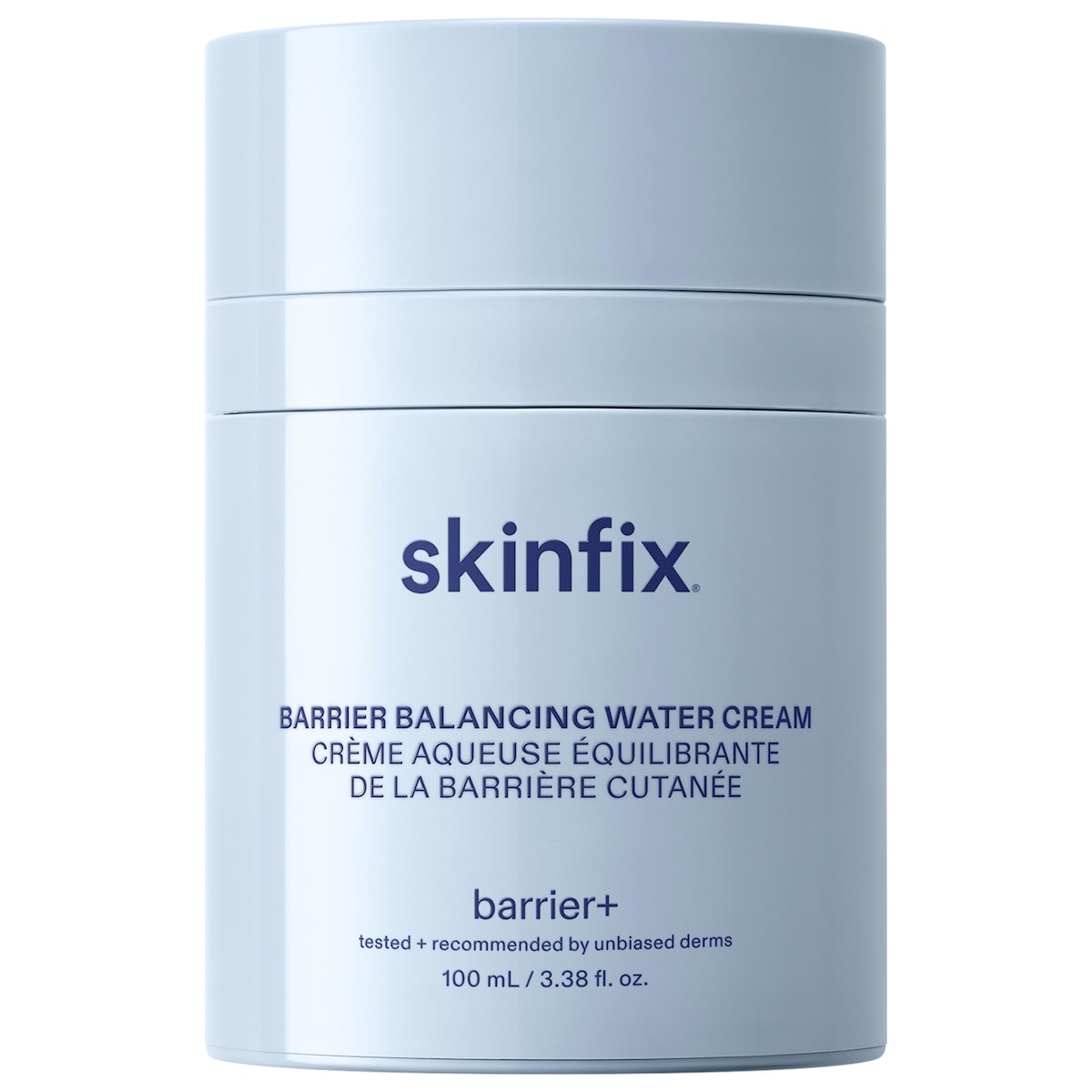
Moisturizer is the center of this whole plan.
Not because it is glamorous. Because it decides whether the routine is repeatable.
If your skin is oily and dehydrated, a heavy repair cream may make you feel trapped between two bad options: stay irritated or get clogged. That is where a lighter barrier-support cream makes sense. You still need comfort. You just do not need a blanket on every part of your face.
If your skin is dry, flaky, and tight, a water cream may disappear too fast. That is when a richer cream at night can be the better choice.
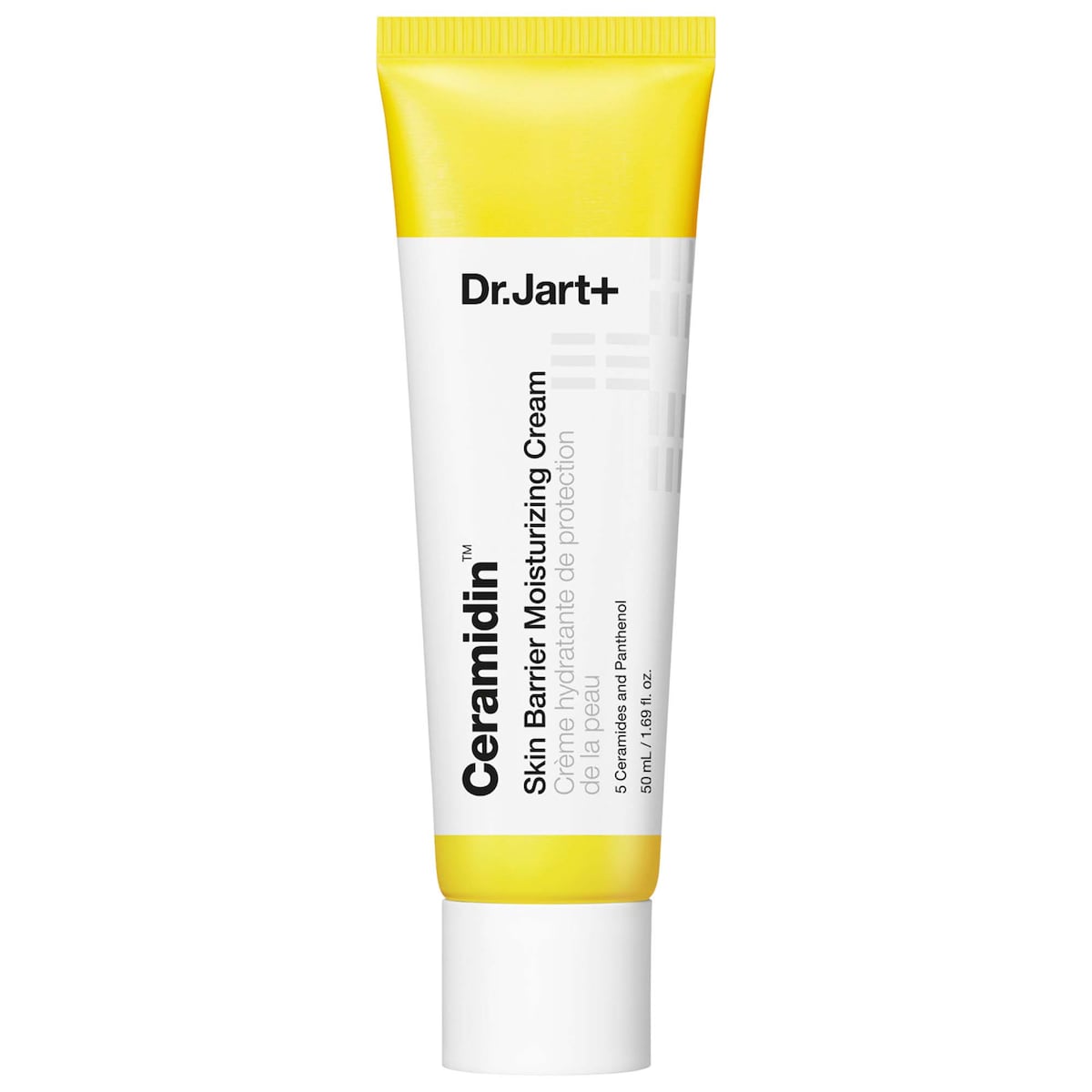
The best moisturizer is not always the richest one.
It is the one that leaves your skin calmer three hours later.
That is the test I trust now. Not how pretty it looks in the jar. Not how glossy it makes my face in the first five minutes. I care about whether my cheeks stop feeling tight, whether sunscreen layers better over it, whether makeup catches less, and whether I wake up with less irritation.
Use enough. Do not panic-layer.
If you need more seal, add it only where you need it.
Sunscreen protects the calm you are trying to build
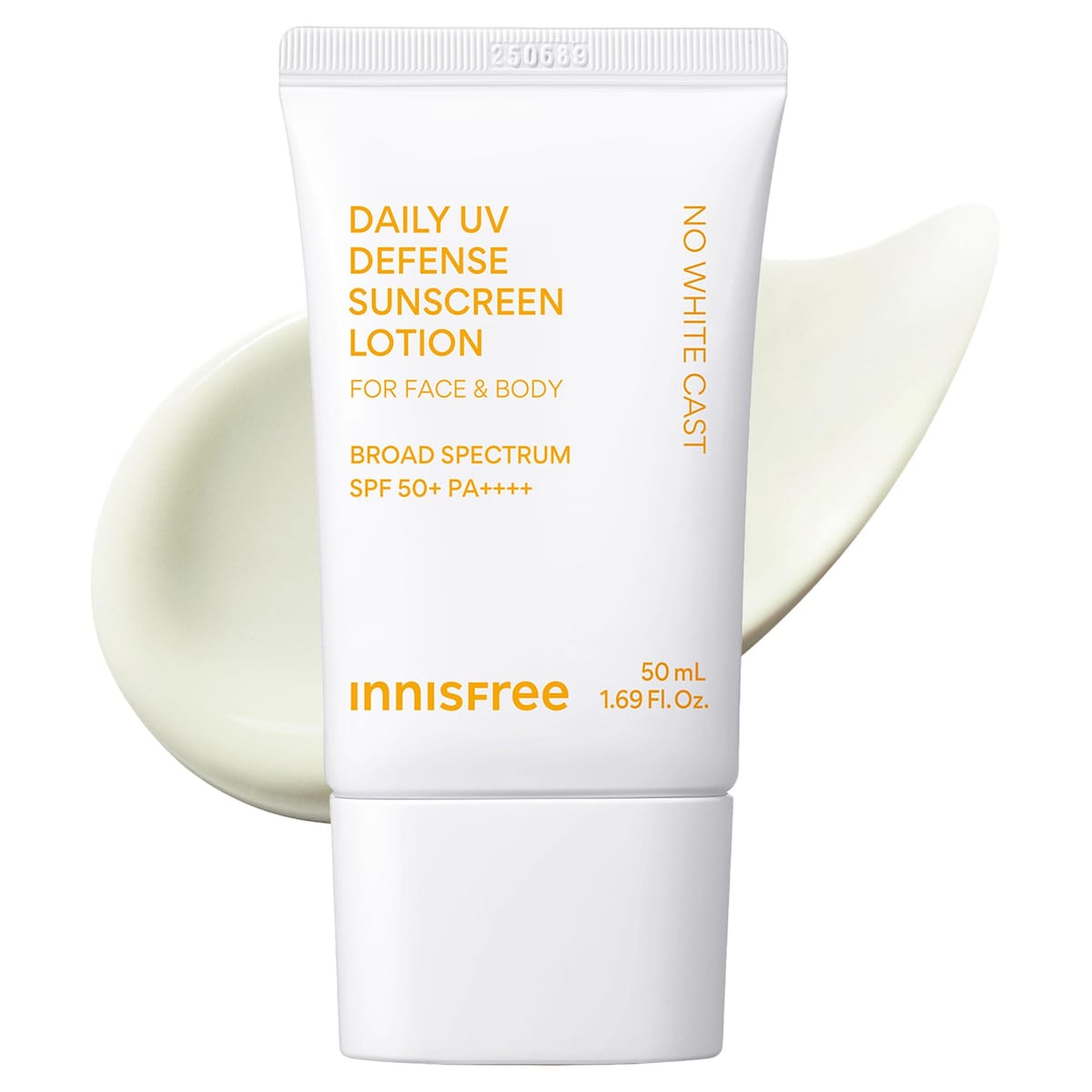
Sunscreen can be annoying when your barrier is irritated.
I know.
The same formula that felt fine last month can suddenly sting around the nose, cheeks, or mouth. That does not mean protection stops mattering. It means the routine underneath may need to be simpler, and the sunscreen may need to be easier for your current skin.
I keep the morning thin during a reset.
Rinse or gentle cleanse. One comfort layer if tolerated. Moisturizer only where needed. Sunscreen after the previous layer settles.
If sunscreen burns badly, I do not try to prove anything by suffering through it. I simplify first. Then I test a gentler texture. If every sunscreen burns, that is no longer a normal product preference problem. That is a sign the skin is asking for a more careful reset.
The glow does not matter if daylight keeps the irritation loop going.
When to bring actives back
This is where I used to ruin my own progress.
I would get three calm days, then act like my skin had signed a legal agreement to tolerate everything again.
It had not.
When the burning stops, wait. When the flakes improve, wait. When moisturizer feels normal again, wait a little longer than your impatient side wants to.
Then bring back one active category at a time.
If retinoid is the priority, bring back retinoid. Not retinoid plus acid plus a new brightening serum. Use it once or twice the first week, keep the rest of the routine boring, and watch what happens over the next few days.
If exfoliation is the priority, choose a gentle schedule and keep retinoids out of that same night.
If dark spots are the priority, do not forget that sunscreen is part of the treatment. Brightening products without daily protection are like cleaning a spill while the faucet is still running.
I like this simple rhythm:
- treatment night
- recovery night
- recovery night
- treatment night
That is not the only schedule that works. It is just easier to read. When skin reacts, you can usually tell what changed.
If you need help rebuilding the full order later, morning and night skincare routine order is the cleaner next step. If the whole goal is glow with fewer moving parts, skincare routine for glass skin keeps the routine more focused.
The signs the reset is working
Do not judge recovery by shine.
Judge it by comfort.
The reset is working when:
- cleanser no longer leaves your face feeling tight
- moisturizer stops stinging
- sunscreen feels less risky
- redness looks less hot
- flakes reduce without scrubbing
- makeup sits more evenly
- skin feels less oily and dry at the same time
- you stop needing five products to feel normal
That last one is underrated.
Healthy skin is easier to live with. It does not ask for constant negotiation.
The goal is not to make your skin look wet at all costs. The goal is skin that looks clear, hydrated, smooth, and calm because it is functioning better.
That kind of glow is slower.
It is also the one worth keeping.
What I would ignore for now
I would ignore any routine that makes you feel behind.
You do not need a new essence because someone said glass skin requires essence. You do not need a sleeping mask if your moisturizer is already doing the job. You do not need a toner, serum, ampoule, and mist just to prove you are taking hydration seriously.
If your skin is irritated, the most advanced move is restraint.
That means:
- no scrubs for flakes
- no acid toner because texture annoyed you
- no retinoid comeback after one calm morning
- no testing three barrier creams in one week
- no using a stinging product because it was expensive
I would also ignore the mirror for the first few minutes after skincare.
Everything looks glowier right after product.
Look again later. Look at how your skin feels. Look at how it behaves under sunscreen. Look at how it wakes up.
That is the real result.
The routine I would start tonight
If my face felt tight, shiny, flaky, and reactive tonight, I would do this:
- Remove sunscreen or makeup gently.
- Cleanse with a mild cleanser and lukewarm water.
- Skip exfoliation, retinoids, strong vitamin C, and masks.
- Use one hydrating layer only if it feels comfortable.
- Apply moisturizer.
- Put a small amount of balm or richer cream only on the driest patches if needed.
Then I would repeat the boring version tomorrow.
Not because boring is the end goal.
Because boring is how you hear your skin again.
Once the skin is calm, you can build. You can add brightness. You can add texture work. You can chase the smooth, hydrated finish you wanted in the first place.
But I would not try to build glass skin on top of a barrier that is still asking for help.
That was the mistake.
The shine was not the win.
The calm was.