
I wanted glow.
I kept getting shine.
That is the part nobody explains well enough. Glass skin sounds like it should be solved by adding more hydration, more dew, more essence, more glow serum, more of everything that photographs beautifully on a bathroom counter. But when I tried to build it that way, my skin did not look calm and reflective. It looked busy.
My forehead got slick. My cheeks still felt tight. Sunscreen started pilling. Makeup floated on top of my face. By lunch, I looked shiny in the places I wanted smooth, and flat in the places I wanted bounce.
The routine was doing too much.
So I rebuilt it with four steps.
Not because four is a magic number. Because four forced every product to earn its spot.
The four-step routine that finally made sense
The best skincare routine for glass skin is not the longest routine you can tolerate. It is the smallest routine that makes your skin look hydrated, smooth, even, and comfortable without pushing it into grease or irritation.
For May 2026, this is the structure I would start with:
- Cleanse without stripping.
- Add one watery hydration layer.
- Seal with the right moisturizer texture.
- Protect with sunscreen every morning.
At night, the fourth step changes. Sunscreen leaves, and treatment can come in only if your skin is calm enough for it.
That is the whole frame.
The glow comes from the routine behaving well, not from forcing the skin to look wet.
The product map I would use first
I would not buy every product in this table. I would use it like a map. Pick the step that is currently failing, fix that one, and leave the rest of your routine alone long enough to see what changes.
| Image | Step | Product | Best for | Skip if |
|---|---|---|---|---|
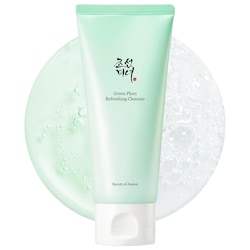 | Cleanser | Beauty of Joseon Green Plum Refreshing Cleanser for Gentle Daily Wash | A gentle daily cleanse that does not leave skin squeaky | Your skin burns with every cleanser right now |
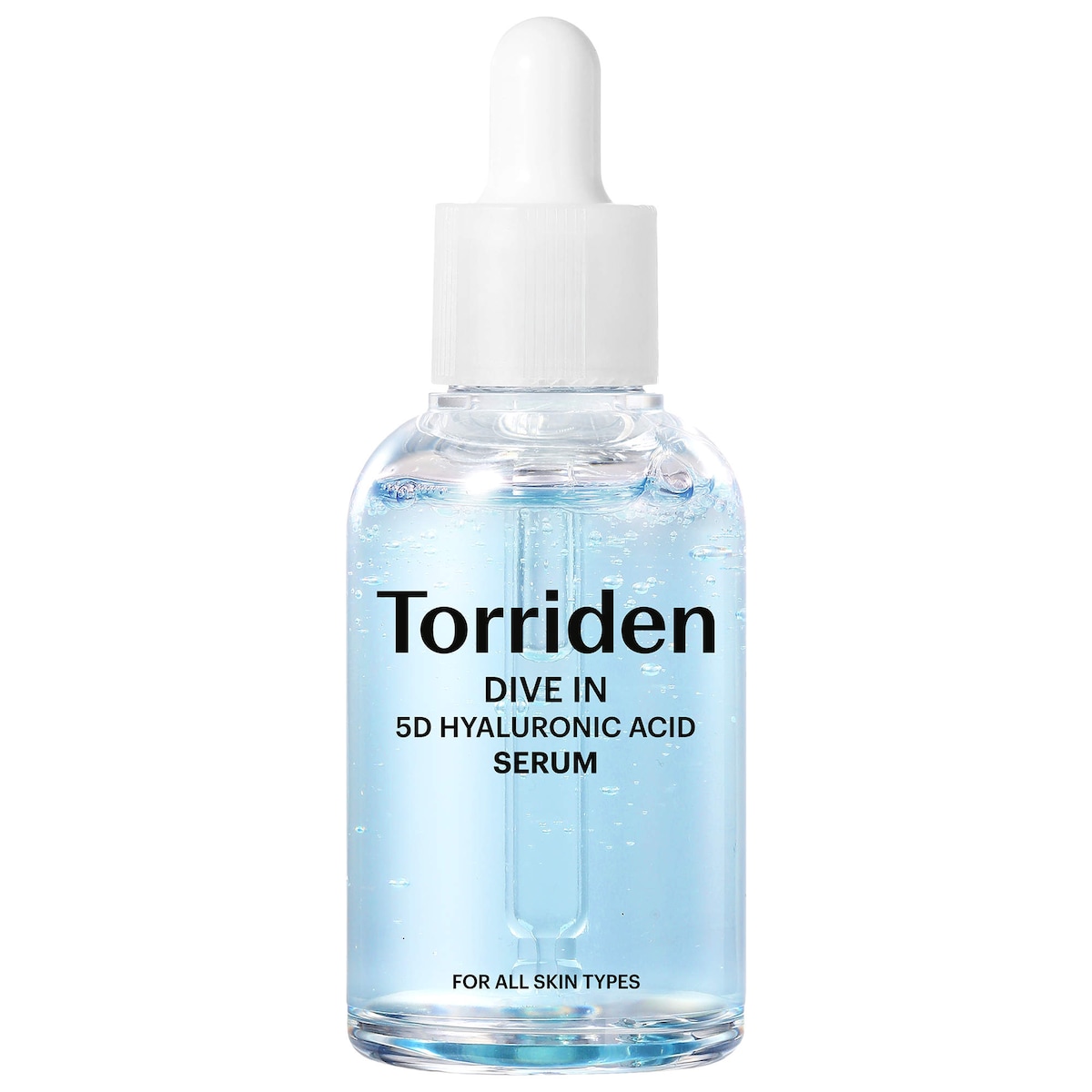
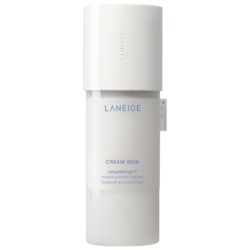 | Comfort hydration | LANEIGE Cream Skin Milky Toner with Ceramides and Peptides | Tight, papery, dry-feeling skin that needs cushion | Milky toners clog you quickly |
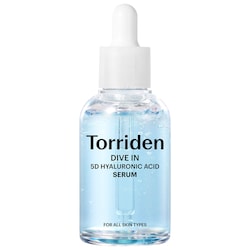 | Plump hydration | Torriden DIVE IN 5D Hyaluronic Acid Ultra Hydrating Serum | Skin that looks flat, thirsty, or dehydrated under moisturizer | Hyaluronic serums feel sticky or tight in your climate |
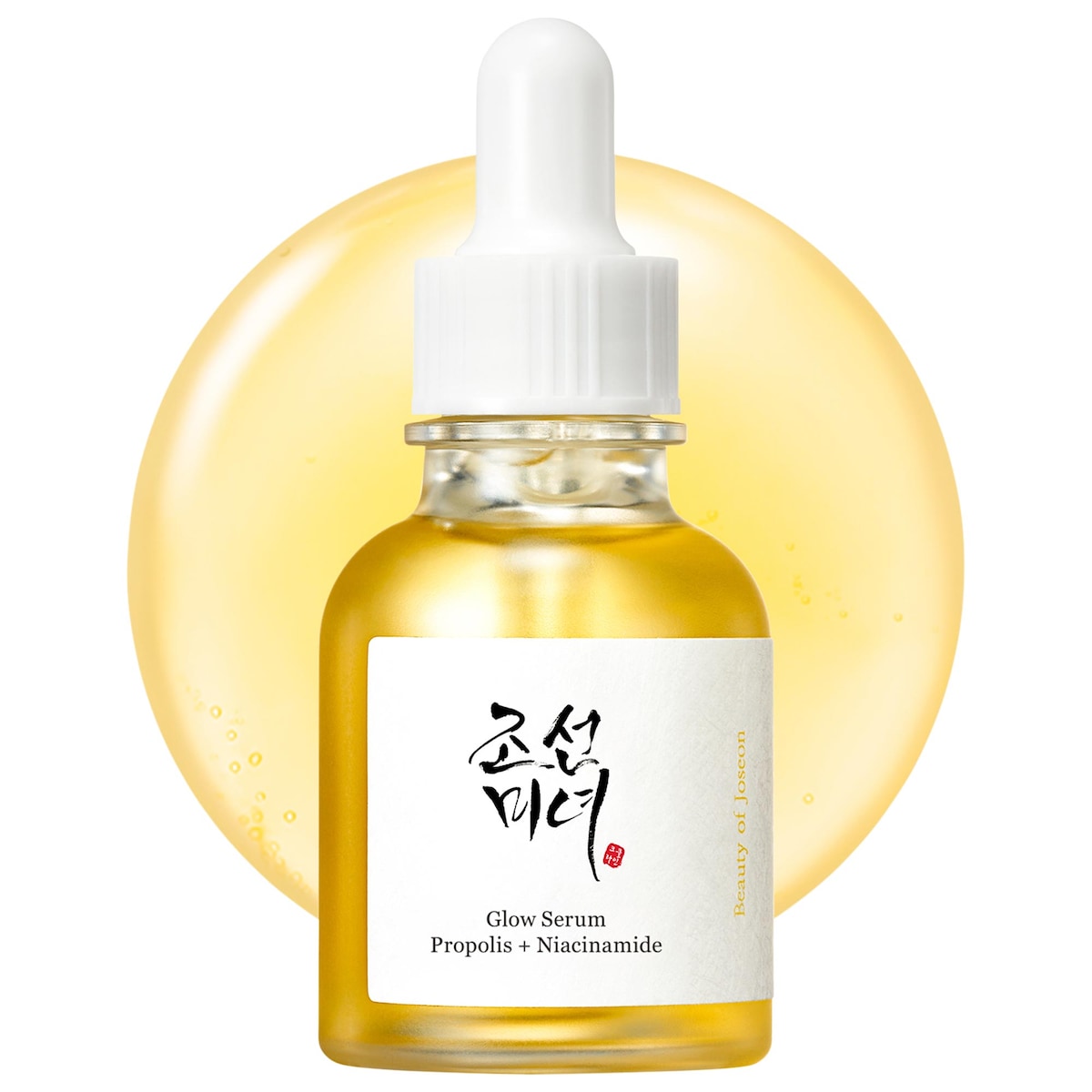
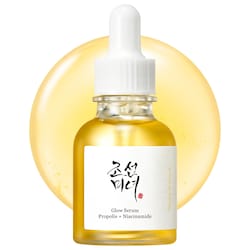 | Balance layer | Beauty of Joseon Glow Serum for Oil Control with Niacinamide | Oily, uneven, post-breakout skin that still wants glow | You already use niacinamide in several steps |
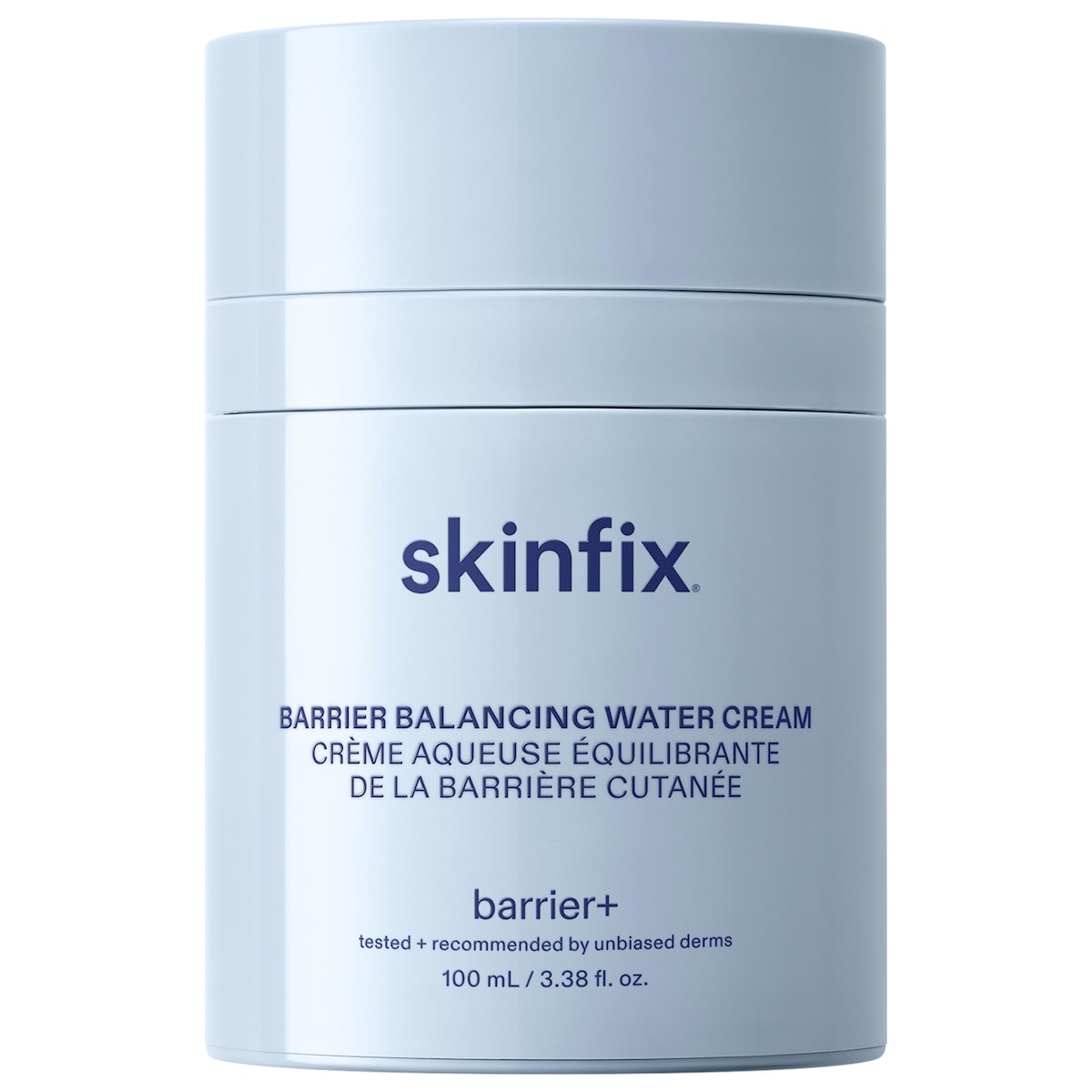
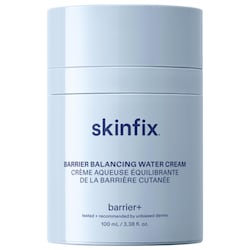 | Lightweight seal | Skinfix Barrier Balancing Water Cream Moisturizer | Oily or combination skin that needs moisture without a heavy coat | Your skin needs a richer night cream |
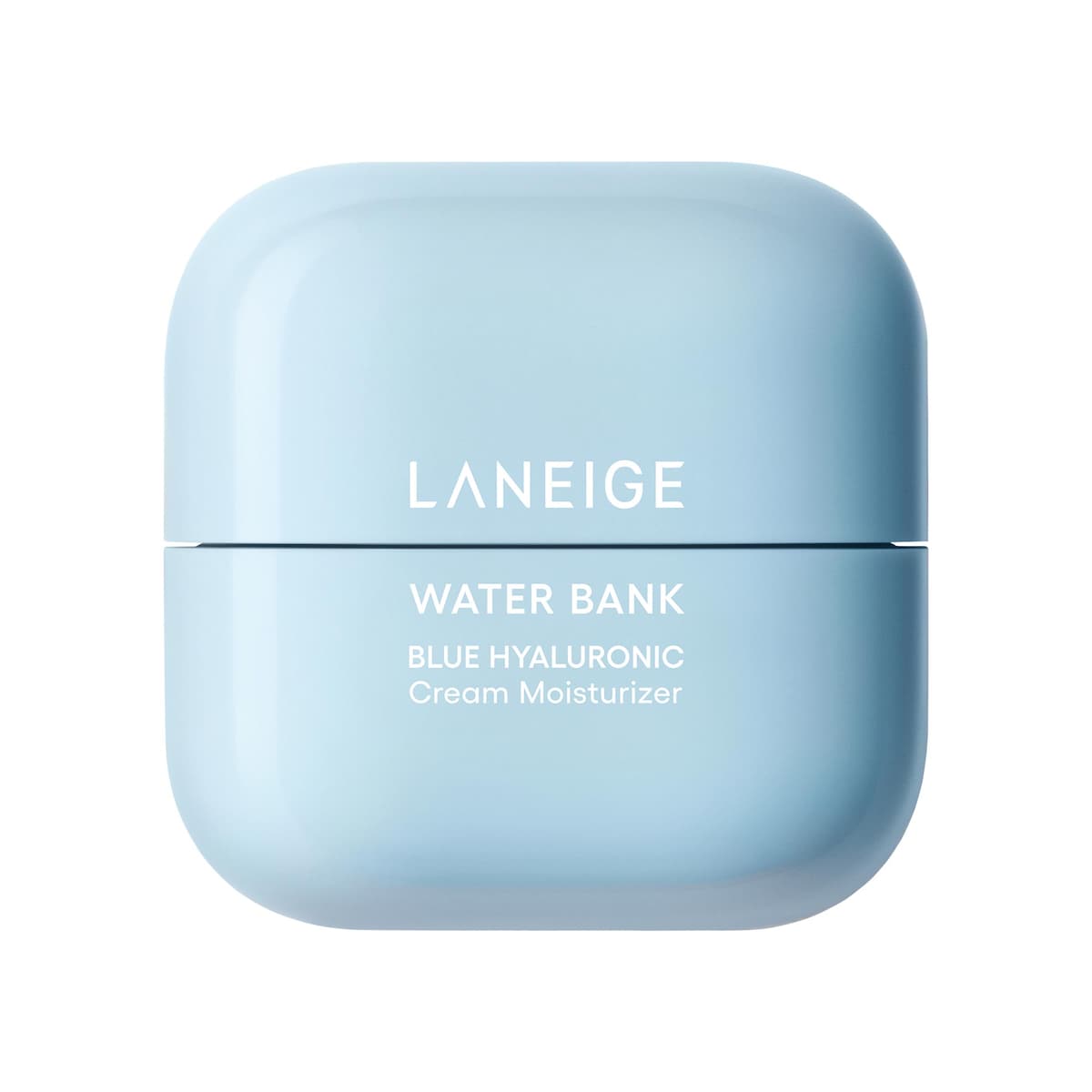
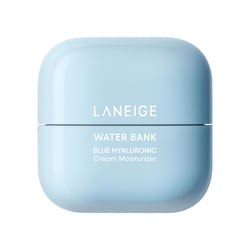 | Daily cream | LANEIGE Water Bank Blue Hyaluronic Cream Moisturizer | Normal to dry skin that wants a smoother dewy finish | Creams pill under your sunscreen |
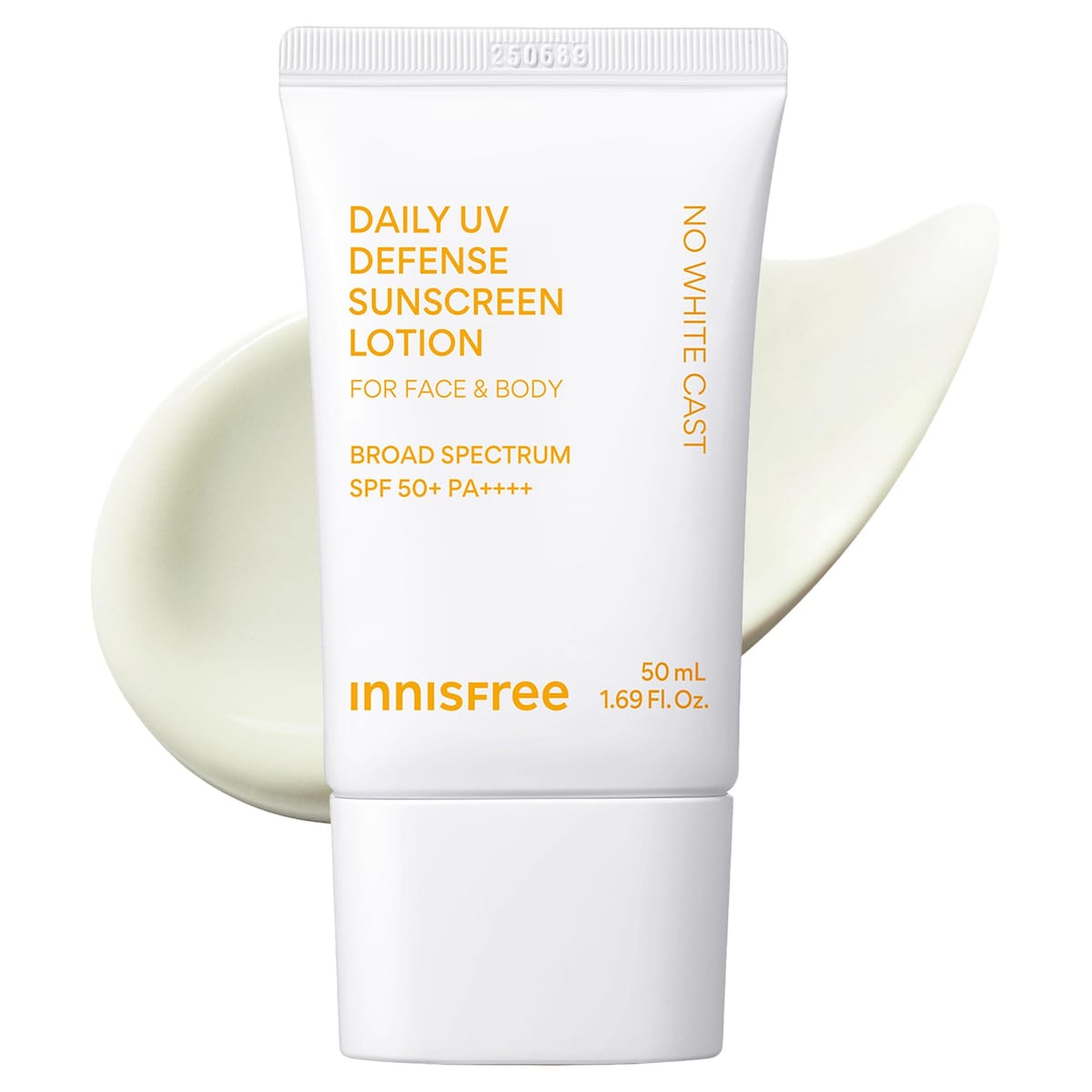
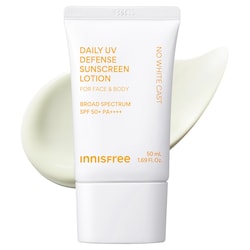 | Sunscreen | innisfree Daily UV Defense Invisible Korean Sunscreen SPF 50+ PA++++ | Everyday protection with an easier under-makeup feel | Chemical sunscreens sting on your current skin |
The most important row is not the serum.
It is the moisturizer.
That surprised me. I used to treat moisturizer like the boring step after the interesting products. Now I think of it as the step that decides whether the whole routine works. If it is too light, the skin gets tight and shiny again. If it is too heavy, the routine looks greasy and pills under sunscreen. If it is right, everything before it suddenly makes more sense.
Step 1: Cleanse like you are trying to keep your skin
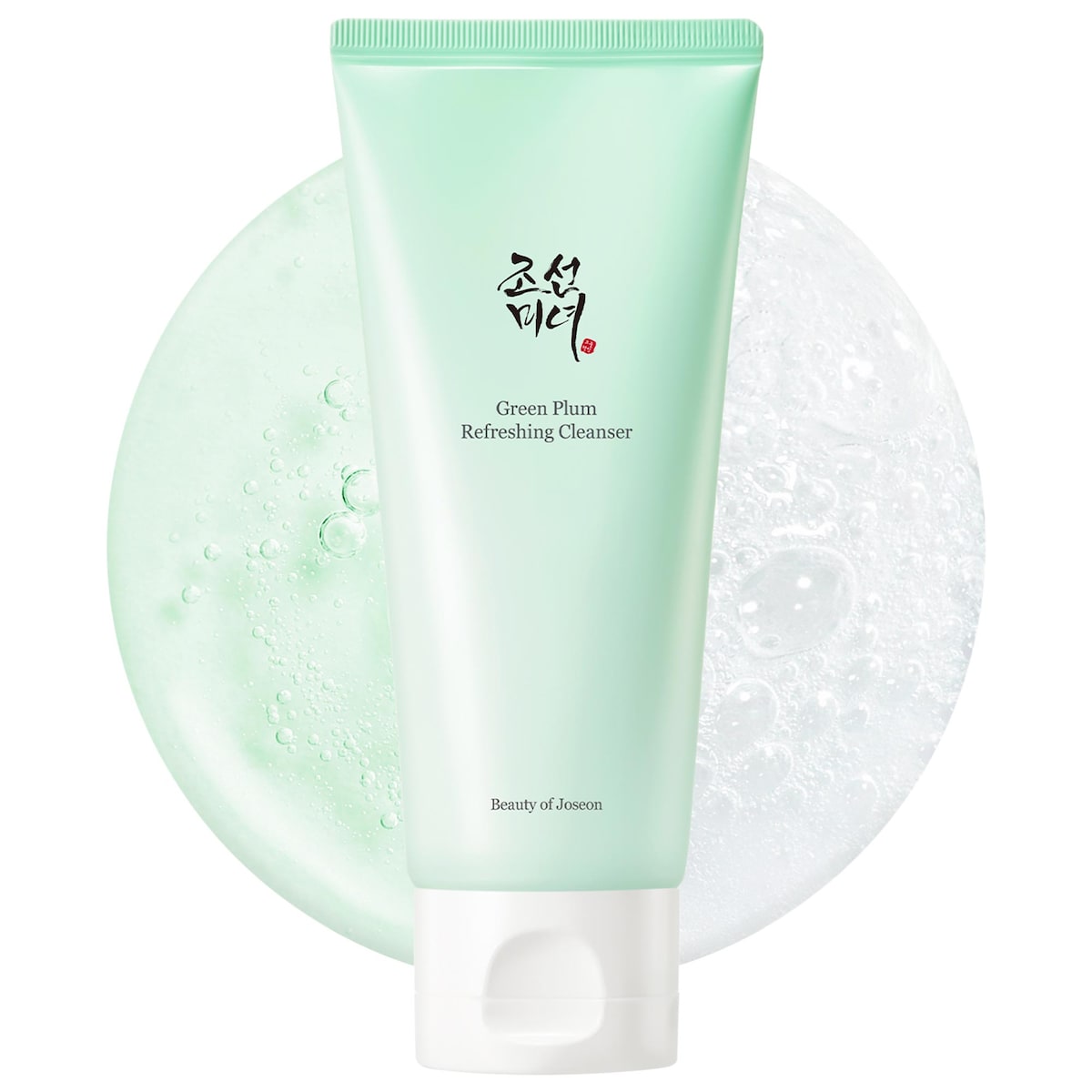
The cleanser step is where a lot of glass skin routines quietly fail.
You wash your face. It feels tight. Then you try to fix that tightness with toner, serum, cream, oil, and a sleeping mask. The later steps may help for a few hours, but the routine is already compensating for a bad beginning.
I want my cleanser to do less.
Remove sunscreen. Remove sweat. Remove makeup residue. Remove the day. Do not make my cheeks feel like they need emergency care before I can even reach for moisturizer.
That is why a gentle gel cleanser makes sense for most people chasing glow. You do not need a cleanser that makes your face feel polished. Polished can be a warning sign. If your skin looks shiny immediately after cleansing but feels tight underneath, that is not the glassy finish you want. That is skin asking for water and comfort.
I also stopped using cleanser as an exfoliation substitute.
When texture bothers me, I understand the urge to scrub harder or use a more clarifying wash. It feels decisive. But glass skin does not come from making the face feel bare. It comes from a surface that is clean enough to absorb hydration and calm enough to hold onto it.
Use lukewarm water. Keep the cleanse short. Use your fingertips. If you wore heavier sunscreen or makeup, remove it gently first instead of punishing your face with pressure.
After cleansing, your skin should feel ready.
Not rescued.
Step 2: Choose one hydration lane
This is where I used to overdo it.
I would use a toner because glass skin routines always seemed to have one. Then a serum because my skin looked flat. Then another serum because my pores looked obvious. Then a mist because my face still did not look like the photos.
That is not a hydration strategy.
That is anxiety in layers.
Now I pick one hydration lane first.
If my skin feels dry, thin, or papery, I like a comfort layer. A milky toner can make the face feel less exposed before moisturizer. It is especially useful when the skin feels tight fast after cleansing or when a regular serum does not make the routine feel cushioned enough.
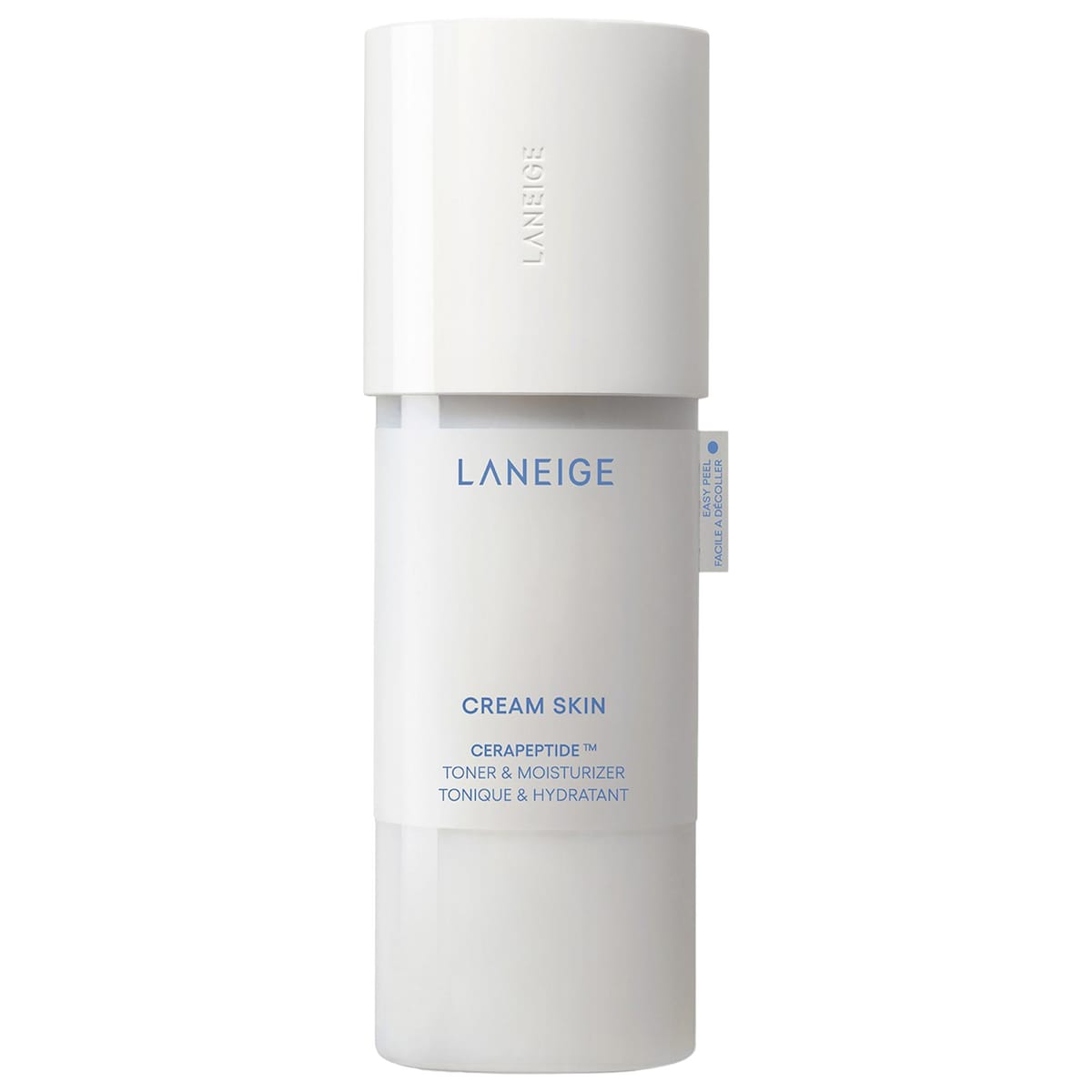
If my skin looks flat and dehydrated but does not need a milky feel, I prefer a hydrating serum. That is where a hyaluronic-acid lane makes sense. It can make skin look bouncier and smoother, especially under a moisturizer that seals it properly.
The mistake is expecting hydration to do every job.
Hydration can make skin look better fast. It can soften the look of texture. It can make makeup sit better. It can reduce that tight, shiny feeling that makes you want to keep adding products.
But hydration is not a full acne plan. It is not a full dark-spot plan. It is not a replacement for sunscreen. It is not a reason to layer six products and call the routine gentle.
Pick one water step.
Then seal it.
Step 3: Use niacinamide only if balance is the real problem
Niacinamide is useful.
It is also everywhere.
That is why I am more careful with it now. If your cleanser, toner, serum, moisturizer, and sunscreen all contain niacinamide, adding one more dedicated niacinamide serum may not make the routine smarter. It may just make your face more annoyed.
I like a niacinamide step when the problem is balance:
- oil that builds quickly
- pores that look more obvious when skin gets greasy
- uneven tone after breakouts
- a T-zone that gets shiny while the cheeks still feel dehydrated
- skin that needs glow but does not want a heavy oil or rich cream
That is a real lane.
But I would not use it just because the word "glow" is on the bottle.
If dehydration is the bigger issue, start with hydration. If barrier stress is the bigger issue, start with comfort and moisturizer. If breakouts are inflamed, painful, cystic, or scarring, do not try to solve that with a trend routine. Get help from someone who can actually evaluate your skin.
The right product is the one that answers the thing your face keeps repeating.
Not the thing your cart wants to believe.
Step 4: Match the moisturizer to the finish you actually want
This is the step that changed my routine most.
I used to think oily skin needed less moisturizer and dry skin needed more. That is partly true, but it is too blunt to be useful.
The better question is:
What finish can you repeat every day without hating it?
If your skin is oily or combination, a water cream can give you a cleaner seal without turning your morning into a slippery layer cake. You still get moisture. You just avoid the heavy finish that makes sunscreen slide around.
If your skin is normal to dry, a richer cream may make more sense, especially at night. Dry skin often needs more than a serum and a whisper of gel moisturizer. It needs enough cushion to keep the hydration from disappearing.
The trap is using the wrong moisturizer because the routine goal sounds prettier than your skin type.
Glass skin for oily skin should not feel coated.
Glass skin for dry skin should not feel underfed.
Glass skin for sensitive skin should not sting.
I judge moisturizer three hours later. Not five minutes later. A lot of creams look beautiful right after application. The better test is whether your cheeks still feel comfortable, whether your T-zone looks controlled instead of slick, whether sunscreen stayed smooth, and whether you forgot about your face for a while.
That is the standard I trust.
Step 5 in the morning: sunscreen protects the glow
Morning glass skin without sunscreen is unfinished.
I know sunscreen can be the step that ruins everything. It can sting. It can pill. It can make your face look greasier than the moisturizer did. It can make a good routine feel like it failed at the finish line.
But that usually means the routine underneath needs editing.
When sunscreen pills, I check three things first:
- Did I use too many layers underneath?
- Did I give moisturizer enough time to settle?
- Is my moisturizer too rich for daytime?
Most of the time, one of those is the problem.
For a glass skin routine, I want sunscreen to feel like protection, not another heavy skincare step. A lighter Korean sunscreen texture can be easier to repeat, especially if you wear makeup or hate the classic sunscreen feel.
If every sunscreen burns, that is different. That usually tells me the barrier is irritated enough that the routine needs to get simpler for a while. Do not keep pushing through daily burning because the bottle says it is gentle. Burning is data.
Protect the calm you are trying to build.
What I do at night instead
Night is where I used to turn a simple routine into a project.
I would cleanse, exfoliate, use a treatment serum, use a hydrating serum, add moisturizer, then wonder why my skin looked shiny and tired the next morning.
Now I split nights into two categories.
Recovery nights
Recovery nights are cleanser, hydration if needed, and moisturizer.
That is it.
These nights matter more than people think. They let your skin catch up. They also make treatment nights easier to read because you are not changing five variables at once.
Treatment nights
Treatment nights are for one active lane.
Not three.
If I exfoliate, I do not also use retinol. If I use retinol, I do not stack acids around it. If I am working on uneven tone, I keep the rest of the routine calm enough that I can tell whether the product is helping or irritating.
The rhythm I like is simple:
- treatment night
- recovery night
- recovery night
- treatment night
Some skin can handle more. Some skin needs less. The point is not the exact calendar. The point is that the routine should give you a pattern you can understand.
If you keep waking up shiny, tight, and bumpy, the answer may not be a stronger active. It may be fewer active nights and a better moisturizer.
The version for oily but dehydrated skin
This is the version I see people struggle with most.
The face gets oily fast, but it still feels tight. Moisturizer feels like it sits on top. Gel creams feel too light. Rich creams feel too heavy. Sunscreen makes everything worse. So the routine becomes a cycle of stripping, skipping moisturizer, getting oilier, then buying another product.
I would build the oily-dehydrated version like this:
Morning
- Gentle cleanse only if needed.
- Lightweight hydrating serum.
- Thin layer of water cream.
- Sunscreen.
Night
- Gentle cleanse.
- Hydrating serum or toner, not both at first.
- Water cream, with a slightly richer cream only on dry patches if needed.
- Treatment only a few nights a week.
The big move is thin layers.
Not no layers.
Oily dehydrated skin often gets worse when you starve it of moisture, but it also gets worse when you trap it under a heavy routine it cannot tolerate. Thin, boring, repeatable layers are usually the middle path.
If you are stuck there, oily dehydrated skin skincare routine, glass skin routine for oily skin, and how to get glass skin without looking greasy are the next reads I would keep open.
The version for dry skin
Dry skin usually does not need more drama.
It needs better water plus a better seal.
For dry skin, I would not be afraid of a milky toner or richer moisturizer. The mistake is assuming every glass skin routine has to feel weightless. Dry skin often needs a little more presence, especially at night.
Morning
- Rinse or use a gentle cleanser.
- Milky toner or hydrating serum.
- Cream moisturizer.
- Sunscreen.
Night
- Gentle cleanse.
- Milky toner.
- Cream moisturizer.
- Optional thin seal on dry patches.
If dry skin is already flaky or stinging, I would pause exfoliation first. Smooth skin sounds like it should come from resurfacing, but irritated dry skin often gets smoother after it gets calmer.
That is an important distinction.
Flakes do not always mean exfoliate.
Sometimes they mean repair.
The version for sensitive skin
Sensitive skin needs the least impressive routine.
I mean that as a compliment.
When skin is reactive, the goal is not to create the most beautiful product lineup. The goal is to reduce reasons for the skin to complain.
That usually means:
- no new active while the skin is burning
- no exfoliation just because texture looks uneven
- no fragrance-heavy experiment during a flare
- no five-product hydration sandwich when two steps would be easier to judge
- no sunscreen suffering if the current formula burns badly
For sensitive skin, I would start with cleanser, moisturizer, and sunscreen. Then I would add one hydration layer only if the skin clearly needs it and tolerates it.
The routine should feel boring before it feels ambitious.
If it stings, simplify.
If it keeps stinging, stop experimenting and get help.
The mistakes that made me look greasy instead of glassy
The biggest mistake was confusing reflection with progress.
Shiny skin is easy to create. Put enough layers on your face and almost anyone can look reflective for twenty minutes. That does not mean the skin is healthier, smoother, or better hydrated underneath.
The second mistake was adding products whenever the routine felt uncertain. Dull? Add a serum. Tight? Add a toner. Shiny? Add a mattifying product. Bumpy? Add an acid. The routine got louder, but the skin did not get clearer.
The third mistake was judging products too quickly.
A moisturizer can look too dewy at first and settle beautifully. A serum can feel nice on day one and get sticky by day four. A sunscreen can pill not because it is bad, but because everything underneath it is too much.
Now I give products a cleaner test:
- same cleanser
- same moisturizer
- same sunscreen
- one new variable
- at least a few consistent days unless irritation shows up
That makes the routine easier to read.
It also makes it easier to stop buying duplicates.
Where Glass fits into this
The hard part is not knowing that consistency matters.
Everyone knows that.
The hard part is remembering what you actually did when your skin changes.
That is why I like tracking the routine instead of trusting memory. If my skin looks better after two weeks, I want to know whether I actually used the routine or just imagined I was being consistent. If my skin looks worse, I want to know whether the problem started after a new product, after three skipped nights, after more exfoliation, after worse sleep, or after changing sunscreen.
Glass helps because it keeps the routine, check-ins, skin scans, products, and progress in one place. That turns the glass skin goal from a vague beauty standard into a pattern you can actually manage.
You stop asking, "What should I buy next?"
You start asking, "What is my skin responding to?"
That question is much better.
The routine I would actually run this month
If I were starting over in May 2026, I would keep it this plain for two weeks.
Morning
- Gentle cleanse or rinse.
- One hydration layer.
- Moisturizer that matches my finish.
- Sunscreen.
Night
- Gentle cleanse.
- One hydration layer if needed.
- Moisturizer.
- One treatment only on planned nights.
That routine may look too simple if you are used to glass skin content that turns every face into a ten-step ritual.
But simple is not weak.
Simple is how you find the signal.
Once the routine is stable, you can add an exfoliant once or twice a week if texture truly needs it. You can add a brightening step if dark spots are the main issue. You can adjust moisturizer by season. You can make the routine smarter after it becomes repeatable.
Just do not confuse more steps with more progress.
The version that worked for me was calmer than the version I wanted to buy.
FAQ
Can you get glass skin with only four steps?
Yes, many people can get closer to glass skin with four well-chosen steps: gentle cleansing, one hydration layer, the right moisturizer, and daily sunscreen. Treatment steps can help, but they should come after the routine is stable.
Why does my skin look shiny but still feel tight?
That usually points to dehydration, barrier stress, or a routine that is stripping and then over-layering. Healthy glow should feel comfortable. If your face looks reflective but feels tight, hot, itchy, or dry underneath, treat that as a warning sign.
Should oily skin skip moisturizer for glass skin?
No. Oily skin still needs moisture. The better move is choosing a lighter moisturizer texture and using thin layers. Skipping moisturizer can make oily dehydrated skin feel even tighter and look greasier later.
Do I need exfoliation for glass skin?
Sometimes. Exfoliation can help rough texture and dullness, but too much can make skin shiny, irritated, flaky, and more reactive. If your skin already stings or feels raw, repair the routine before adding exfoliation.
What should I add first if my routine feels too basic?
Add the step that solves your clearest bottleneck. If skin feels tight, add hydration. If it gets oily and uneven, consider a balancing serum. If it feels dry hours later, adjust moisturizer. If tone is the issue, make sunscreen consistent before chasing stronger brightening products.
The point
Glass skin is not a product count.
It is a skin behavior.
When the routine is working, your skin feels calmer. Hydration lasts longer. Sunscreen sits better. Makeup looks less separate. The glow looks softer and more even because the surface underneath is not fighting the routine.
That is what I want now.
Not the wettest face.
The most livable one.