
Dry skin can look shiny and still feel awful.
That was the part that made glass skin confusing for me.
I could make my face look glossy for a few minutes. A thick cream could do it. A face oil could do it. A layer of balm over everything could definitely do it. But the shine did not always mean my skin was comfortable, hydrated, or getting better.
Sometimes it just meant there was a film sitting on top of a thirsty face.
That is not the version of glass skin I trust.
For dry skin, glass skin should feel soft before it looks reflective. It should feel calm after cleansing. It should still look smooth once the products absorb. It should not require you to sleep under a heavy occlusive layer every night just to wake up without tightness.
Slugging can be useful for some people. I am not anti-balm. I just do not think it should be the whole strategy.
The better routine is less dramatic.
Water first. Barrier support second. Cream that actually fits your day. Sunscreen you can repeat. Then, only when your skin is calm, a little polish.
That order changed everything.
The short version
If your dry skin wants glass skin without a greasy finish, I would build the routine like this:
- Cleanse without chasing that squeaky-clean feeling.
- Apply a hydrating toner or essence while skin is still slightly damp.
- Use one serum that gives dehydration its own lane.
- Seal with a cream that matches the moment: lighter in the morning, richer at night.
- Use sunscreen every morning, because glow does not hold if UV exposure keeps pushing the skin backward.
- Save heavy balm for dry patches or recovery nights, not every square inch of your face by default.
That is the whole shift.
Dry skin does not need to be buried. It needs to be layered in the right order.
The routine I would use first
| Image | Step | Product | Best for | Why I like it here |
|---|---|---|---|---|
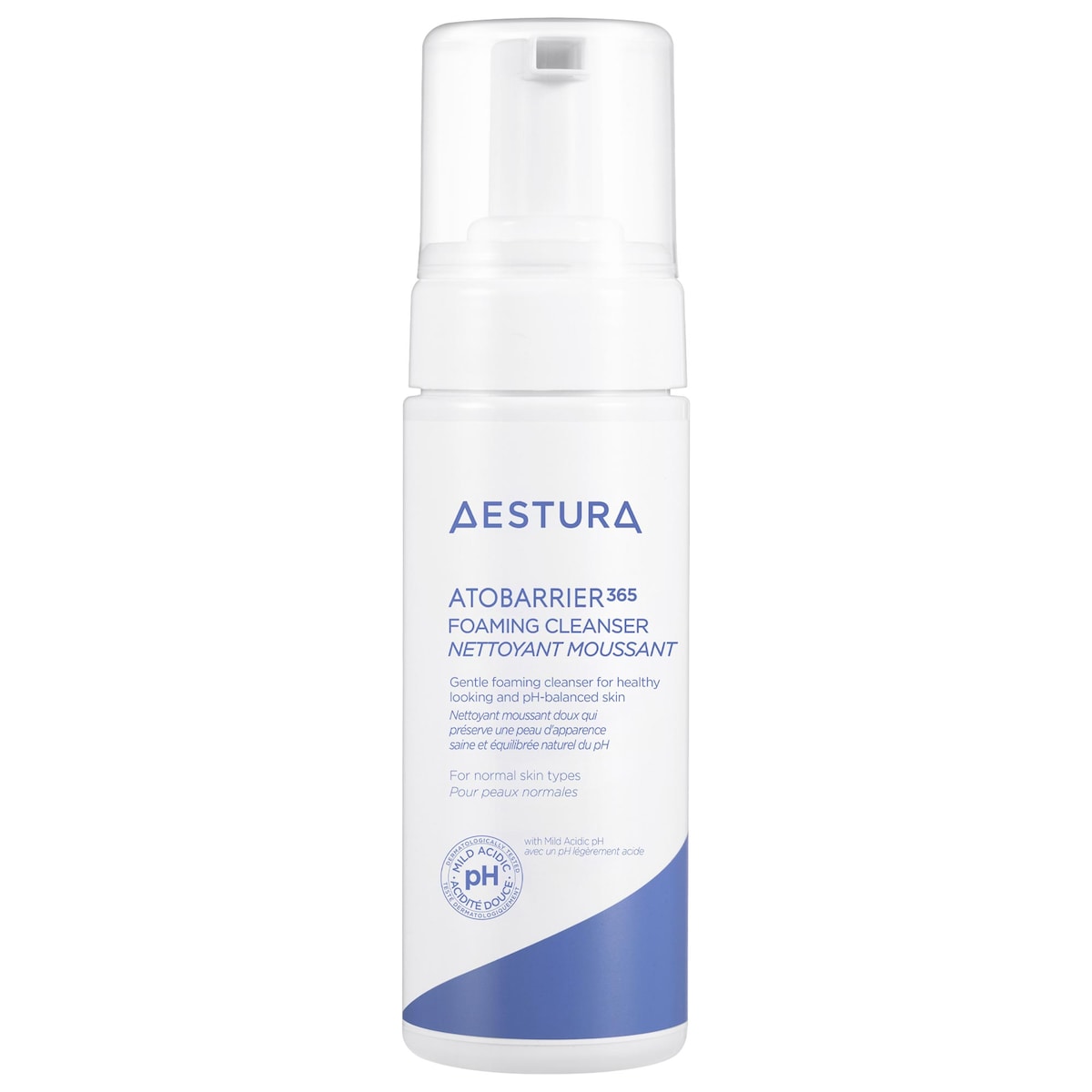
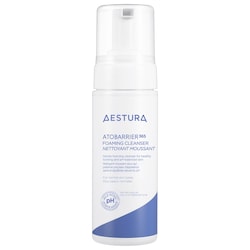 | Cleanse | AESTURA ATOBARRIER365 Gentle pH-Balancing Foaming Cleanser | Dry skin that gets tight after washing | It keeps the first step from ruining the rest of the routine |
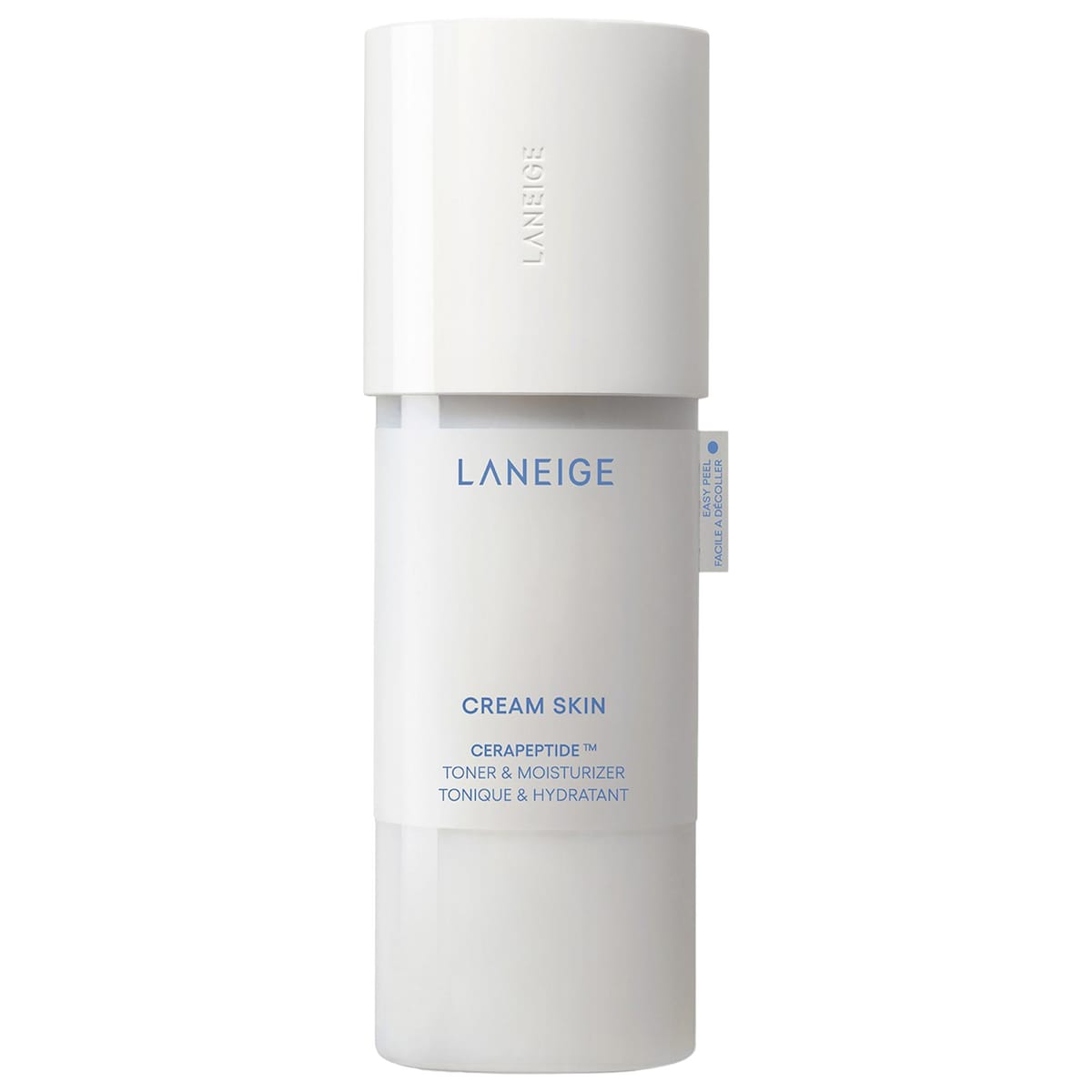
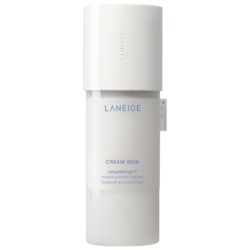 | Cushion | LANEIGE Cream Skin Milky Toner with Ceramides and Peptides | Flat, thirsty, comfort-starved skin | It makes dry skin feel less papery before serum |
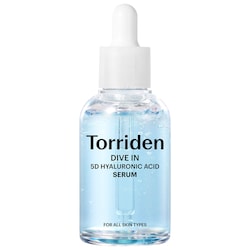 | Plump | Torriden DIVE IN 5D Hyaluronic Acid Ultra Hydrating Serum | Dehydrated dry skin | It gives the bounce step one clear owner |
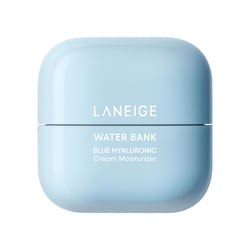 | Day cream | LANEIGE Water Bank Blue Hyaluronic Cream Moisturizer | Morning dry skin that still wants a clean finish | It gives comfort without making SPF feel like a fight |
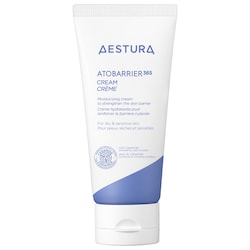 | Night cream | AESTURA ATOBARRIER365 Cream Moisturizer | Dry, fragile, treatment-tired skin | It is the recovery step when glow needs to wait |
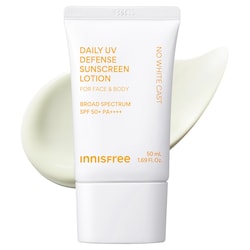 | Protect | innisfree Daily UV Defense Invisible Korean Sunscreen Lotion SPF 50+ | Daily glow maintenance | It is easier to repeat than a sunscreen that grabs every dry patch |
This is not the only routine that can work.
It is the shape I trust most: gentle cleanse, soft water layer, one serum, one cream, sunscreen. The products can change. The logic should stay.
Why dry skin needs a different glass-skin plan
Dry skin does not usually need more shine.
It needs better moisture behavior.
The American Academy of Dermatology keeps the dry-skin advice painfully simple: keep washing gentle, avoid overdoing cleanser, apply moisturizer while skin is still damp, and protect the skin from sun exposure. That sounds basic until you realize how many glass-skin routines quietly break those rules.
Hot water because it feels relaxing.
Foamy cleanser because clean feels productive.
Daily exfoliation because dullness feels like failure.
Three watery layers and no proper cream because the routine looks prettier that way.
Dry skin notices all of that.
When the barrier is already struggling, a routine can look sophisticated and still be badly designed. The goal is not to make skin wet-looking for a photo. The goal is to make the surface smoother, fuller, calmer, and more even so light reflects cleanly after the products settle.
That is why I separate glow from grease.
Grease sits on top. Hydration changes how the skin behaves. Barrier support keeps that hydration from leaving too fast. A good glass-skin routine for dry skin needs all three, but not in the same product and not always at the same time.
The first thing I stopped doing
I stopped treating tightness like a moisturizer problem.
Sometimes it is. Often it starts earlier.
If your face feels tight five minutes after washing, your moisturizer is already doing cleanup. It has to make up for a cleanser, water temperature, towel habit, or exfoliation habit that took too much from the skin before the routine even began.
That is why cleanser choice matters more than people want it to.
I like the AESTURA cleanser lane for this kind of routine because the job is restrained. It should remove sunscreen, sweat, and the day without leaving the face feeling polished, stretched, or louder than before.
The test is simple.
After cleansing, wait a few minutes.
If your skin starts begging for moisturizer, the cleanser may be too much, the water may be too hot, or you may be cleansing too often. That does not mean you never cleanse. It means the cleanse has to stop acting like the treatment step.
For a dry-skin morning, I would not automatically cleanse unless there is a reason. If you used a heavy night cream, sweat overnight, or feel genuinely oily, fine. Use a small amount of gentle cleanser. If your face just feels normal and a little dry, a water rinse may be enough.
At night, cleanse properly. In the morning, do not over-prove anything.
The water layer changed the finish more than oil did
This is where the routine started making more sense.
For a long time, I thought dry skin needed richer and richer products. Rich cream. Richer cream. Oil. Balm. Another balm.
Sometimes that helps.
But if the skin underneath still feels thirsty, the finish can become shiny on top and tight underneath. That is the exact texture I am trying to avoid.
A milky toner or hydrating essence gives dry skin a softer base before the cream arrives. It is not there to be impressive. It is there to make the next step work better.
LANEIGE Cream Skin is a good example because it has that cushiony middle ground. It is not a thin splash that disappears instantly, but it is also not a heavy cream pretending to be a toner.
Use it when the skin is slightly damp.
Press it in.
Give it a moment.
Then move on.
I would rather use one layer consistently than turn every morning into a seven-skin ceremony I secretly hate. If one layer is not enough and your skin tolerates it, add a second. If the second layer makes the routine sticky, go back to one and fix the moisturizer instead.
That is the kind of adjustment dry skin responds to: small, boring, repeatable.
Dehydration deserves one clear serum, not a pile
Dry skin and dehydrated skin get tangled together.
Dry skin lacks enough oil. Dehydrated skin lacks enough water. You can be both. A lot of people are both.
That is why a routine can feel rich but still look flat.
For this step, I like having one obvious hydration serum. Torriden DIVE IN is the kind of lane I would use when the skin looks a little crepey, tired, or deflated even after moisturizer.
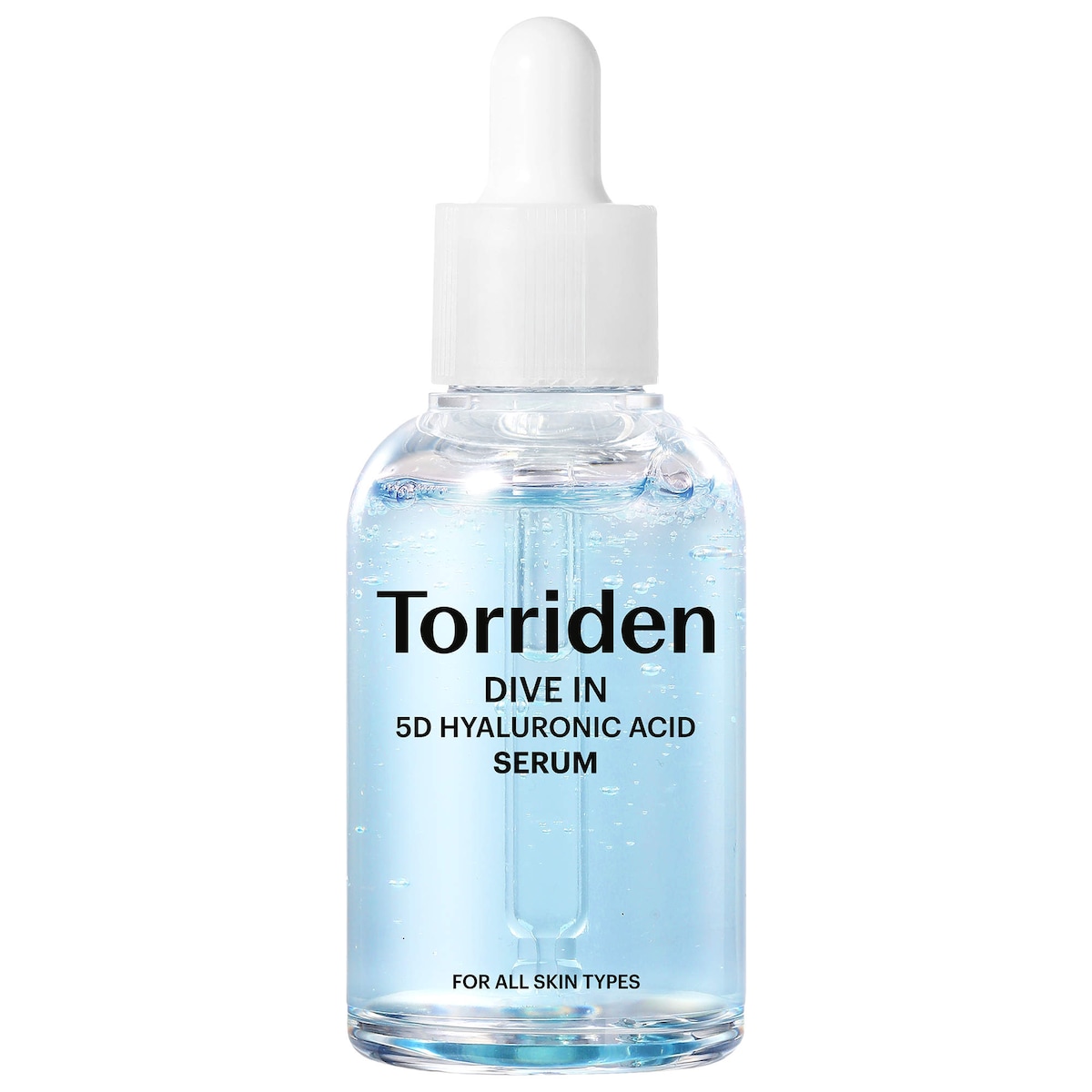
The mistake is stacking every hydrating serum because each one sounds harmless.
Hyaluronic acid here. Polyglutamic acid there. Snail mucin. Beta-glucan. Peptides. Another essence. Another ampoule.
The routine starts to feel wet, then tacky, then weird under sunscreen, and eventually you stop using it because it takes too long.
I would rather give hydration one clean slot.
If the skin still feels dry after that, I do not automatically add another serum. I check the cream. I check how often I am exfoliating. I check whether I am cleansing too much. I check the room air. I check sunscreen.
Hydration is not always solved by more hydration products.
Sometimes the water is leaving because nothing is holding it well.
Cream is where the routine becomes honest
Cleveland Clinic's dry-skin moisturizer guidance breaks ingredients into jobs: humectants pull in water, occlusives reduce water loss, emollients soften roughness, and ceramides help support the barrier. That is exactly how I think about dry-skin glass skin now.
Not "which cream is richest?"
"Which job is missing?"
If the routine already has a water layer and a hydrating serum, the cream has to seal and smooth. If the cream is too light, the glow fades. If the cream is too heavy, the routine feels greasy and you start skipping sunscreen.
That is why I split day and night.
Morning: use the cream that lets sunscreen behave
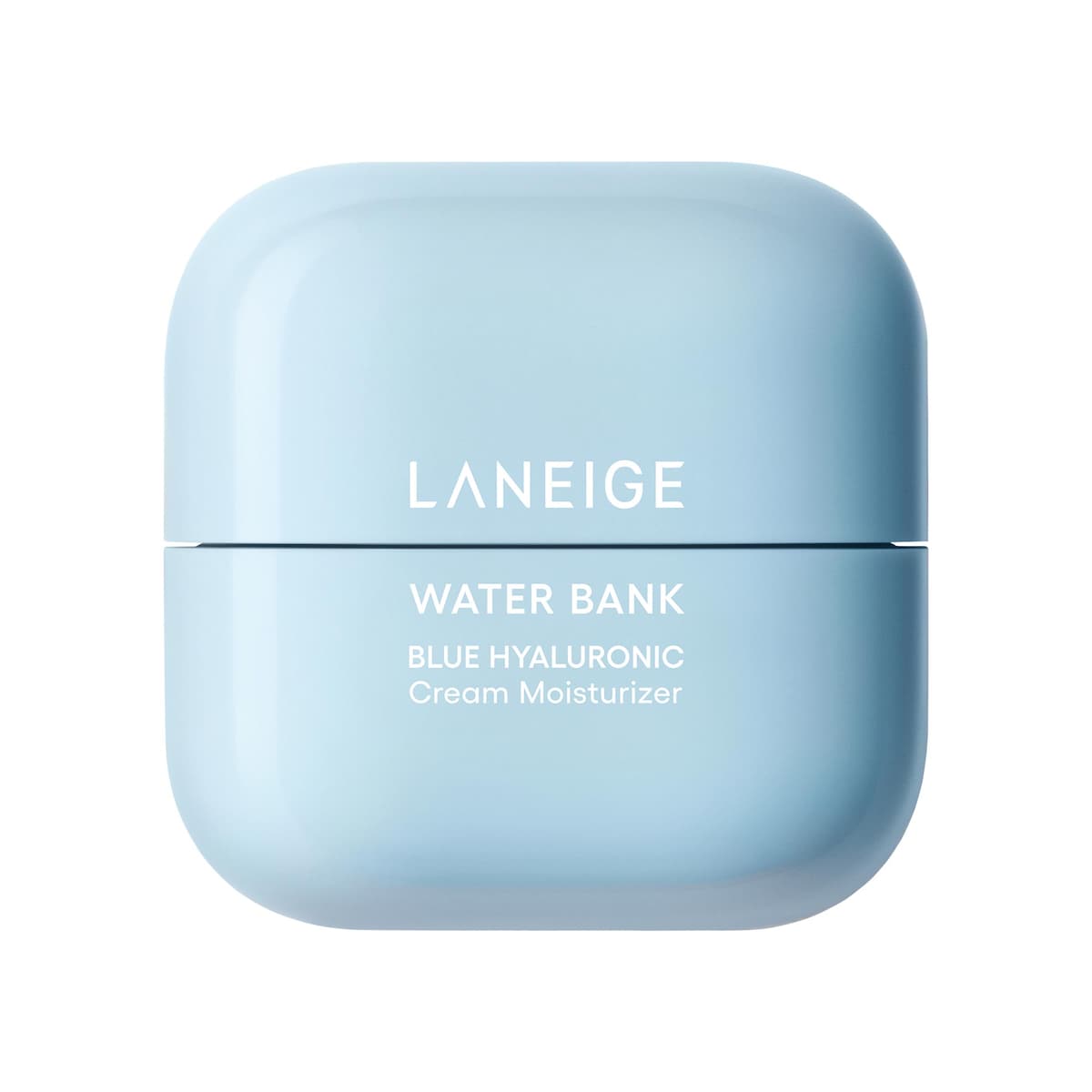
In the morning, I want dry skin to feel comfortable without turning the next step into a texture problem.
LANEIGE Water Bank Blue Hyaluronic Cream fits that role better than a very heavy recovery cream. It gives the face enough cushion, but it still lets sunscreen sit like a normal product instead of sliding around on top.
This matters if you wear makeup.
It also matters if you do not.
The morning routine has to survive heat, talking, eating, commuting, touching your face by accident, and the reality that you probably do not want to feel your skincare all day.
For dry skin, elegance is not vanity. It is adherence. If the product feels good, you repeat it.
Night: use the cream that makes your skin feel safer
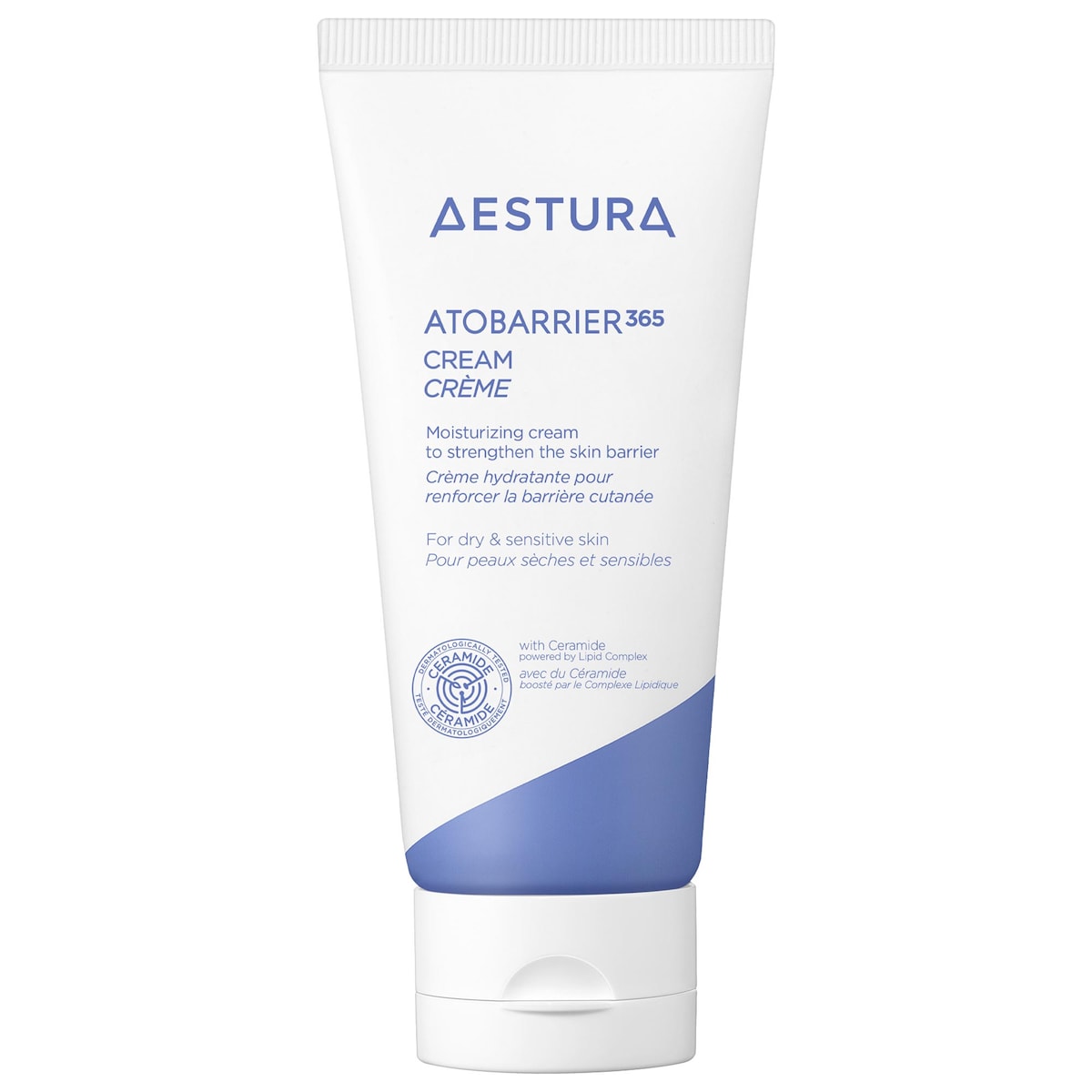
At night, I care less about elegance and more about recovery.
This is where AESTURA ATOBARRIER365 Cream makes more sense. If the skin is dry, fragile, flaky, or treatment-tired, I want the cream to feel like it is reducing friction. Not exciting. Not viral. Just protective.
This is also where I would use balm selectively.
Not as a blanket every night.
As a patch strategy.
Corners of the nose. A flaky cheek. Lips. A dry spot that keeps losing moisture by morning.
That is a much cleaner use of occlusion than covering the whole face automatically and hoping the shine means the routine worked.
Where slugging helps and where it gets in the way
Slugging is not stupid.
It can be genuinely useful when the problem is water loss and the skin tolerates petrolatum or balm well. If your face is cracked, windburned, or painfully dry in a few specific spots, a thin occlusive layer over moisturizer can help protect that area overnight.
The problem is using it as the answer to every dry-skin problem.
I would be careful with full-face slugging if:
- you clog easily
- you are acne-prone
- your routine already includes strong actives
- your skin feels hot, itchy, or rashy
- you are using it to force glow instead of fixing dryness
- you hate the feeling and keep skipping the routine because of it
The better rule is simple: seal what needs sealing.
Do not turn your whole face into a recovery project if only two patches are dry.
The glow step most people skip is sunscreen
Dry skin often hates sunscreen.
I get it.
Some formulas make flakes look worse. Some drag across the face. Some leave the skin dull and chalky after you just spent ten minutes building glow. So people skip it, then wonder why their tone, texture, and dark spots never seem to stabilize.
That is the loop I would not negotiate with.
The American Academy of Dermatology recommends broad-spectrum, water-resistant SPF 30 or higher as part of dry-skin care because sun protection is not separate from skin health. For a glass-skin goal, sunscreen is not just an anti-aging step. It is what keeps your brightening, barrier, and texture work from being constantly interrupted.
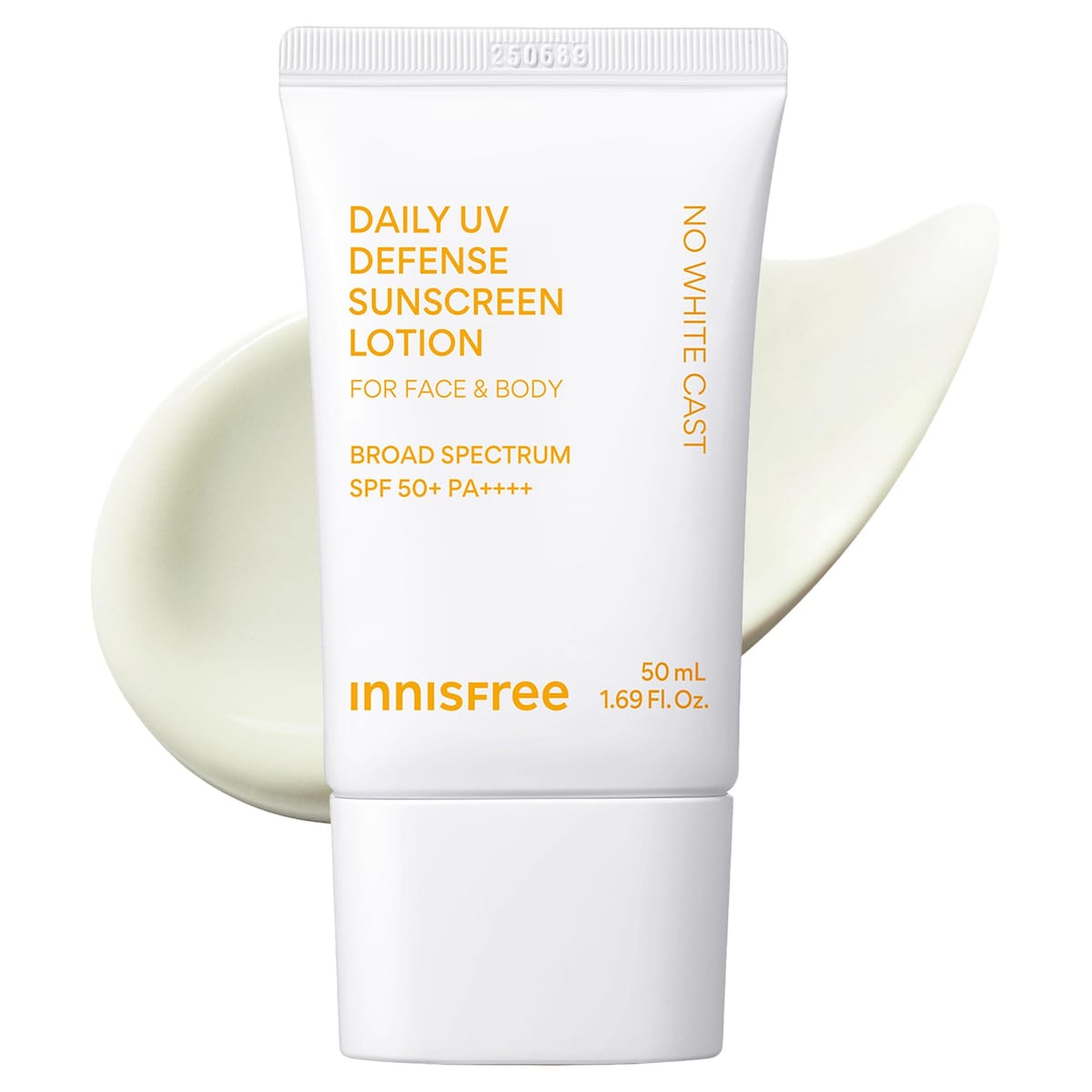
innisfree Daily UV Defense is the kind of sunscreen lane I like for dry skin because it does not make the routine feel punished at the finish line.
If your sunscreen pills, check the layers before blaming the SPF.
Too much toner. Too much serum. Cream that never settled. Rubbing instead of pressing. Applying sunscreen too soon after a tacky layer. Any of those can make a good sunscreen behave badly.
Give the routine a minute.
Then apply enough SPF.
Glow that cannot survive sunscreen is not a routine yet.
The weekly polish should be quiet
Dry skin can need exfoliation.
It just does not need constant exfoliation.
This is where a lot of glass-skin routines go sideways. Dullness shows up, so the instinct is to remove something. Flakes show up, so the instinct is to scrub something. Texture shows up, so the instinct is to add acids until the surface looks smoother.
Sometimes a gentle exfoliant helps.
But if the skin is already tight, stinging, or red, exfoliation is not polish. It is provocation.
I would use this rhythm first:
| Skin state | What I would do | What I would skip |
|---|---|---|
| Tight, stinging, hot, or unusually red | Cleanse gently, hydrate, use recovery cream | Acids, retinoids, scrubs, new products |
| Dry but calm, with dull surface texture | Gentle exfoliation once that week | Daily exfoliation because one night looked good |
| Dry and breakout-prone | Keep exfoliation targeted and infrequent | Full-face heavy balm plus multiple acne actives |
| Dry and flaky around only a few areas | Spot-seal after moisturizer | Treating the entire face like it has the same problem |
| Dry but improving | Keep the routine boring | Adding three new glow products as a reward |
I like boring routines because they make cause and effect easier to see.
If you change five things and your skin looks better, you learned almost nothing. If you change one thing and your skin looks calmer for two weeks, now you have information.
The May 2026 dry-skin glass routine
This is the actual order I would start with.
Morning
- Water rinse, or a tiny amount of gentle cleanser if you need it.
- LANEIGE Cream Skin while the skin is slightly damp.
- Torriden DIVE IN serum.
- LANEIGE Water Bank Blue Hyaluronic Cream.
- innisfree Daily UV Defense SPF 50+.
Night
- AESTURA cleanser.
- LANEIGE Cream Skin.
- Torriden DIVE IN serum.
- AESTURA ATOBARRIER365 Cream.
- Balm only on the dry spots that still need help.
Once a week, only if calm
Use one gentle exfoliating step, then go straight back to hydration and cream.
That is enough.
If the skin starts looking smoother and feeling more comfortable, do not immediately complicate it. Let the routine keep working. Dry skin often improves when you stop interrupting it.
How I would track whether it is working
I would not judge this routine by one good mirror moment.
I would give it three to four weeks and watch for quieter signs:
- skin feels less tight after washing
- moisturizer stops stinging
- flakes show up less often under sunscreen
- makeup or SPF spreads more evenly
- dry patches need less spot balm
- skin looks smoother after products absorb, not only while wet
- the morning routine feels easier to repeat
That is where Glass fits naturally.
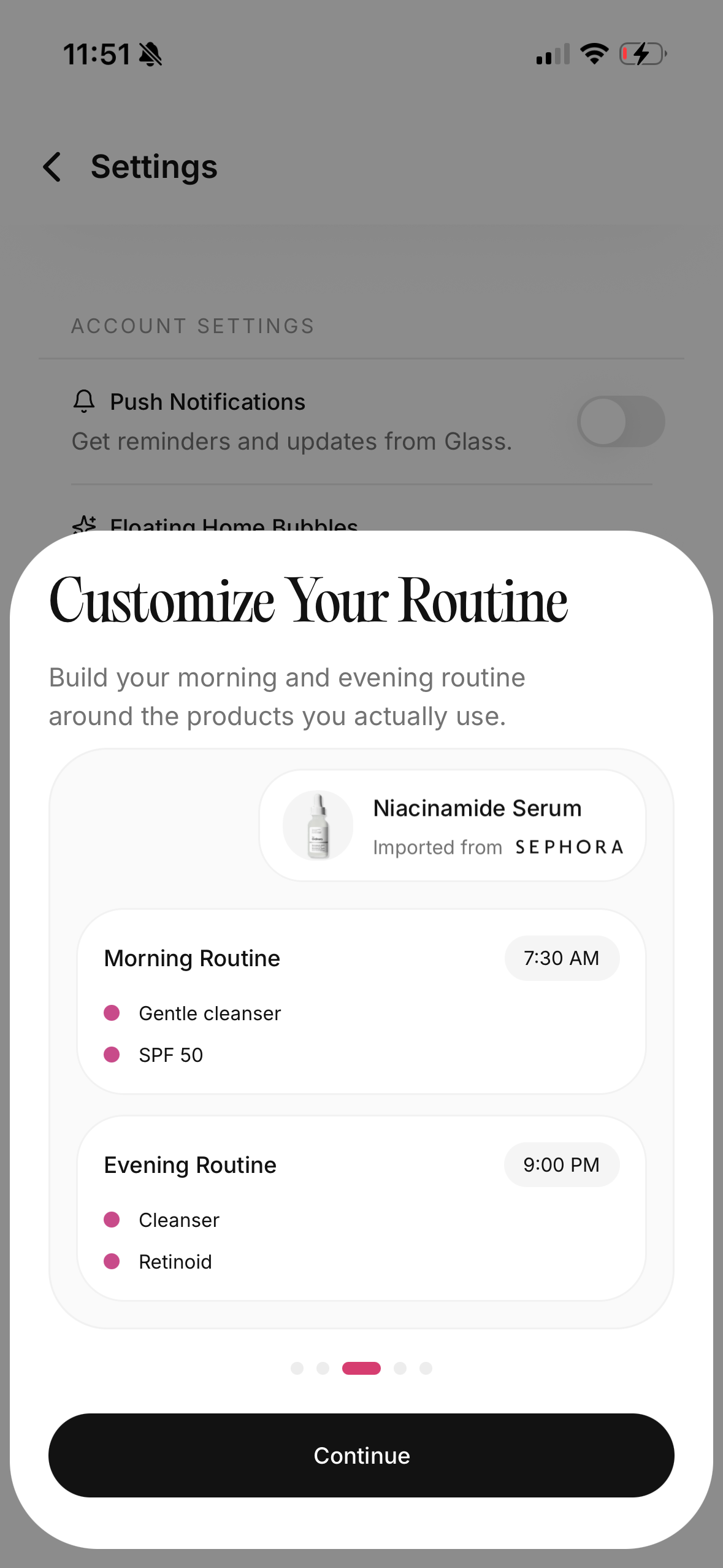
The point is not to stare at your face harder. It is to connect what you used with what changed. If the routine gets easier to repeat and your skin looks calmer across check-ins, that matters more than one dramatic before-and-after photo.
Dry skin progress is often quiet before it is obvious.
You want a record that catches the quiet part.
The mistakes I would avoid
The biggest mistake is chasing the wettest possible finish.
Wet skin is not the same as healthy skin.
The second mistake is treating every dry-skin routine like it needs ten steps. Long routines can work if you love them, but they are not automatically better. A routine that asks too much of you will eventually lose to a simpler one you actually repeat.
The third mistake is using slugging to ignore the rest of the routine. If your cleanser is too stripping, your toner is irritating, your serum is sticky, and your cream is not enough, a layer of balm may hide the problem for one night. It does not fix the system.
The fourth mistake is skipping sunscreen because your skin is dry. That one is expensive. It makes tone, texture, and discoloration harder to steady, and it undermines the whole point of building a calmer routine.
The fifth mistake is exfoliating every time your skin looks dull. Dry skin often looks dull because it is depleted, not because it is dirty. Hydrate first. Seal properly. Then decide whether exfoliation is actually needed.
FAQ
Can dry skin get glass skin without slugging?
Yes. Dry skin can look smooth and reflective without full-face slugging if the routine layers hydration properly, uses a cream that reduces moisture loss, and keeps sunscreen consistent. Balm can still help dry patches, but it does not need to be the whole routine.
What should I use first for dry glass skin: toner, serum, or cream?
Use the thinnest helpful layer first. For most dry-skin routines, that means hydrating toner or essence, then serum, then cream. The toner softens, the serum hydrates more specifically, and the cream seals the work in.
Why does my dry skin look shiny but still feel tight?
That usually means the surface has product shine, but the skin underneath still lacks water, barrier comfort, or both. A face oil or balm can create shine quickly, but dry skin often needs a water layer and a better sealing cream before the glow feels comfortable.
How often should dry skin exfoliate for glass skin?
Start with once a week, only when the skin feels calm. If your face is stinging, burning, flaky, or unusually red, skip exfoliation and focus on recovery. Smooth reflection comes from calm skin, not irritated skin that has been polished too hard.
The part that actually matters
I do not think dry skin needs to give up on glass skin.
I think it needs a less theatrical version.
The version that still feels good after the product absorbs. The version that does not punish you with tightness after cleansing. The version that lets sunscreen sit well. The version that uses balm like a tool, not a personality.
That is the routine I trust now.
Not the shiniest one.
The one my skin can actually live in.
If you want the closer next steps, read glass skin routine for dry skin, best hydrating serums at Sephora for dry skin, and skin barrier repair routine. If you want the routine to stay organized while you test it, Glass is the easiest place to keep the morning and night pattern from turning back into guesswork.