Getting dry skin to look clear, smooth, and reflective is rarely about piling on more products. Most people with dry skin already know what overloading feels like: one thick cream after another, a face that still feels tight by noon, and a routine that becomes hard to repeat because it never feels clean or predictable.
The version of glass skin that actually lasts comes from consistency, not chaos. That means a routine that keeps water in the skin, reduces irritation, and makes room for daily sunscreen without turning the morning into a 12-step project.
What dry skin usually needs first
Dry skin tends to need three things before it needs anything trendy:
- A cleanser that does not strip.
- A hydration layer that brings water back in.
- A moisturizer that slows water loss long enough for the skin barrier to calm down.
If those three pieces are weak, it does not matter how expensive the serum is. Skin will still feel dull, tight, or flaky because the base of the routine is unstable.
Morning routine
Step 1: Use a gentle cleanse
In the morning, dry skin often does best with a light cleanse instead of an aggressive one. If your skin is very dry, a rinse with lukewarm water may be enough on some days. If you wake up oily around the nose or you layered heavy products the night before, use a cream or balm cleanser that leaves skin comfortable after rinsing.
If you are choosing between popular cleanser options, Fresh Soy Cleanser vs Youth to the People Superfood Cleanser is a useful side-by-side for finding the gentler fit.
The right outcome is simple: your skin should feel clean, not squeaky.
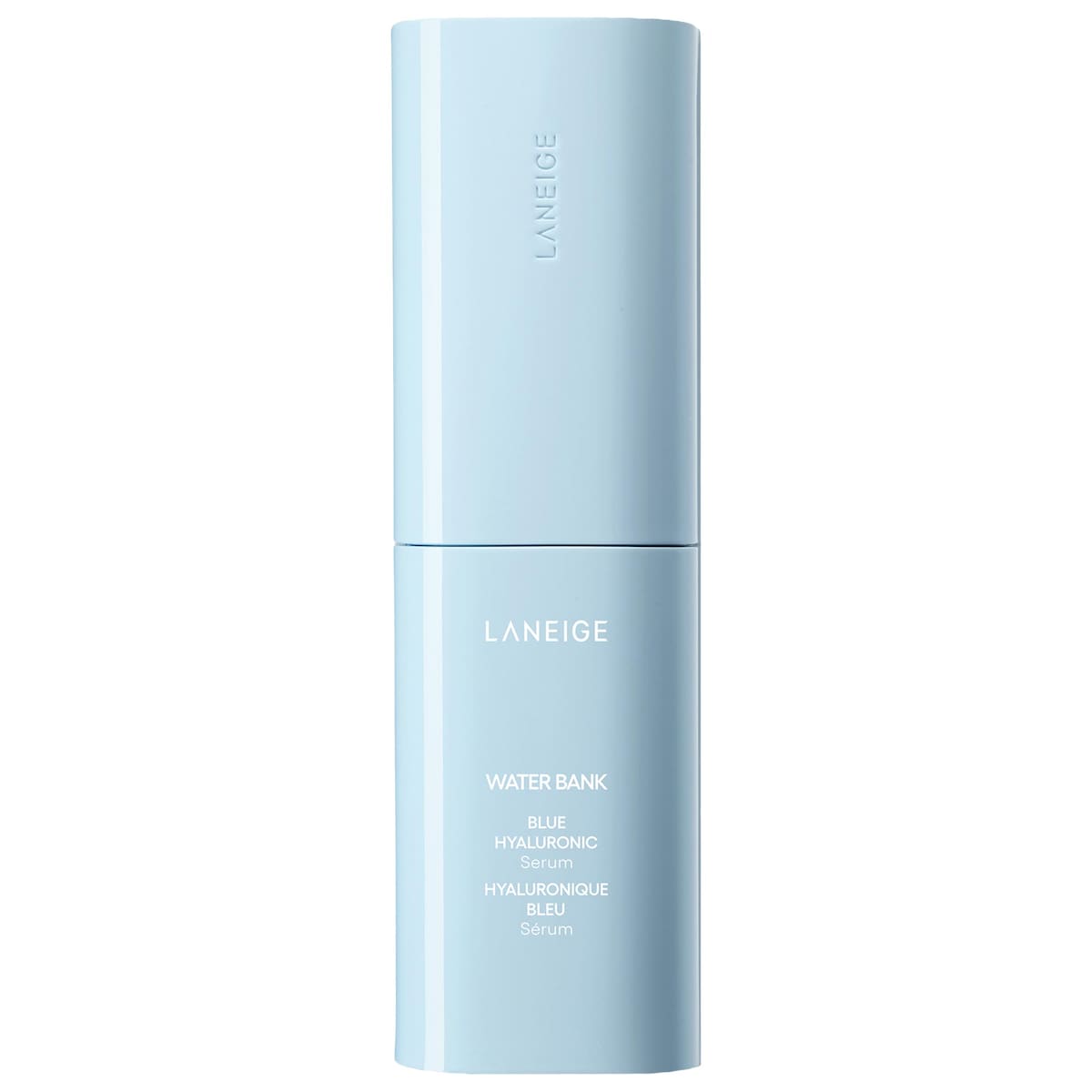
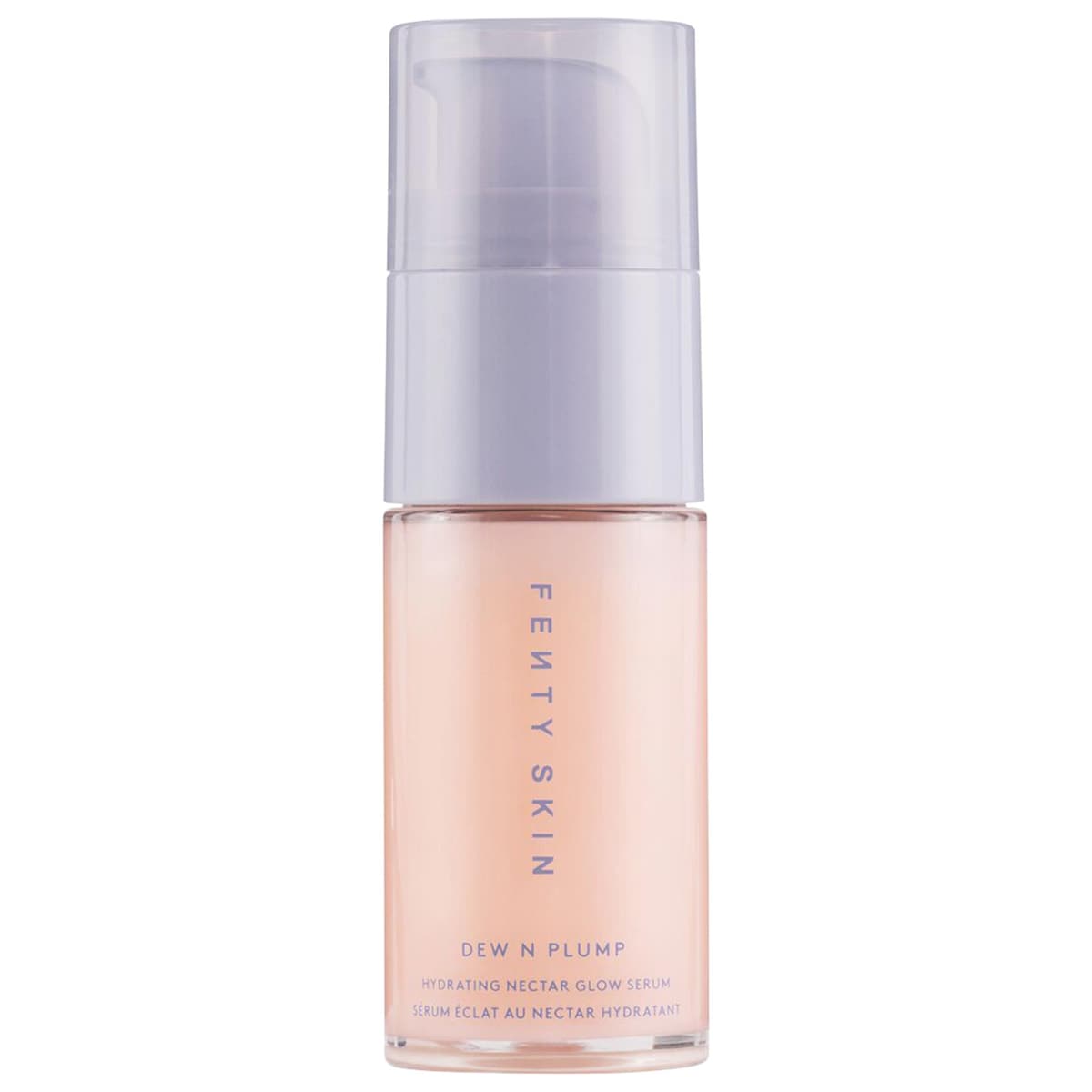
Step 2: Add a hydration serum
This is where humectants do the heavy lifting. Hyaluronic acid, glycerin, panthenol, and aloe all help pull water toward the surface. Apply this layer while skin is still slightly damp so it has moisture to work with.
If your skin is reactive, choose one hydrating serum and keep it boring. Dry skin usually improves faster when you reduce unnecessary variables.
Step 3: Seal with a barrier-support moisturizer
Look for moisturizers with ceramides, fatty acids, squalane, or cholesterol-supporting ingredients. The goal is not a greasy finish. The goal is to reduce transepidermal water loss so the skin holds onto hydration longer.
If you want a clearer read on lighter versus richer moisturizer textures, Drunk Elephant Protini vs Tatcha Water Cream is the kind of comparison that helps before you buy.
People often skip this step because the serum feels good for five minutes. That is exactly why the routine falls apart by the afternoon.
Step 4: Finish with sunscreen
Daily sun protection matters even more when you are trying to improve tone, redness, or rough texture. Dry skin usually tolerates creamier SPF formulas better than matte, oil-control formulas.
If sunscreen pills, that usually means one of two things:
- The layer underneath is too heavy.
- You are not giving each step enough time to settle.
Evening routine
Step 1: Remove sunscreen and makeup fully
If you wear sunscreen every day, your night routine should start with full removal. A cleansing balm or oil cleanser is often the easiest way to get there without rubbing too hard.
Step 2: Follow with a gentle second cleanse if needed
This second step should be short and calm. You are trying to remove residue, not scrub the face into feeling “extra clean.”
Step 3: Use one focused treatment
For dry skin, this is where restraint matters. Instead of rotating three or four actives at once, use one treatment based on the actual problem:
- For dullness: a low-irritation brightening serum.
- For fine lines: a tolerable retinoid schedule, started slowly.
- For rough texture: a gentle exfoliant used sparingly, not nightly.
If your skin is tight, flaky, or stinging, stop adding more actives and fix hydration first.
Step 4: End with recovery
At night, moisturizer can be a little richer than in the morning. If you still wake up dry, add a thin occlusive layer in the driest areas only instead of coating the entire face in something heavy.
The mistakes that keep dry skin from looking better
The biggest mistake is assuming more product equals more progress. Dry skin usually improves when the routine gets more intentional, not more crowded.
The next mistake is over-exfoliation. If the skin barrier is already compromised, exfoliating harder will not make skin smoother. It usually creates more redness, more flaking, and more sensitivity to everything else in the routine.
The third mistake is inconsistency. A strong routine used twice a week will usually lose to a simple routine done every morning and every night.
How Glass fits into this
The reason Glass works well for dry skin routines is that it reduces guessing. Instead of trying to remember what changed your skin this week, you can keep the routine fixed, track how your skin responds, and tighten one variable at a time.
That matters because dry skin does not respond well to random experimentation. It responds to steady inputs, a clean order of operations, and enough time for the barrier to recover.
A simple version to start with
If you want the shortest version possible, start here:
- Morning: gentle cleanse, hydrating serum, moisturizer, sunscreen.
- Night: balm cleanse, gentle cleanse, hydrating or treatment serum, moisturizer.
Stay there long enough to see what your skin actually does. Once the routine feels easy to repeat, then you can decide what deserves to be optimized next.