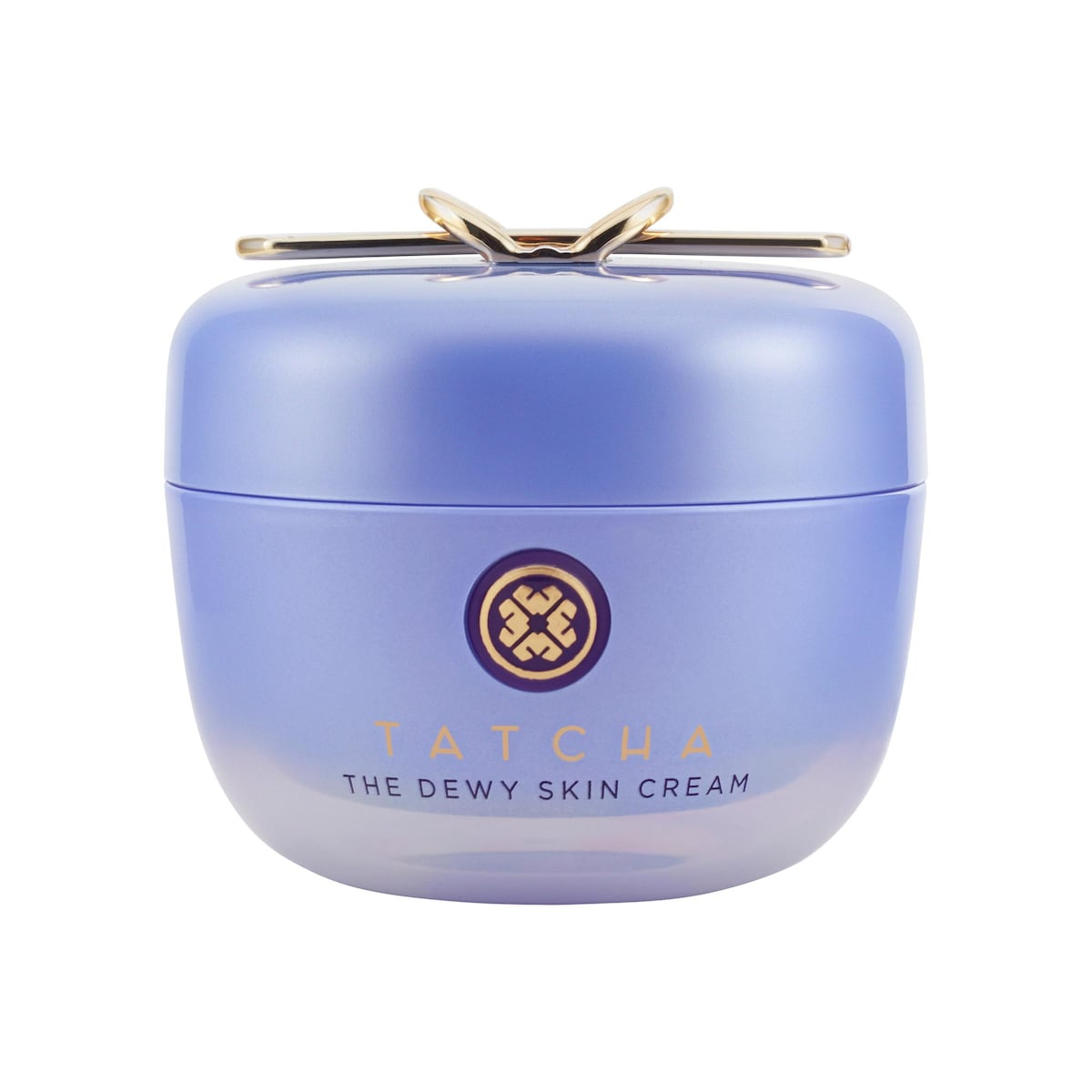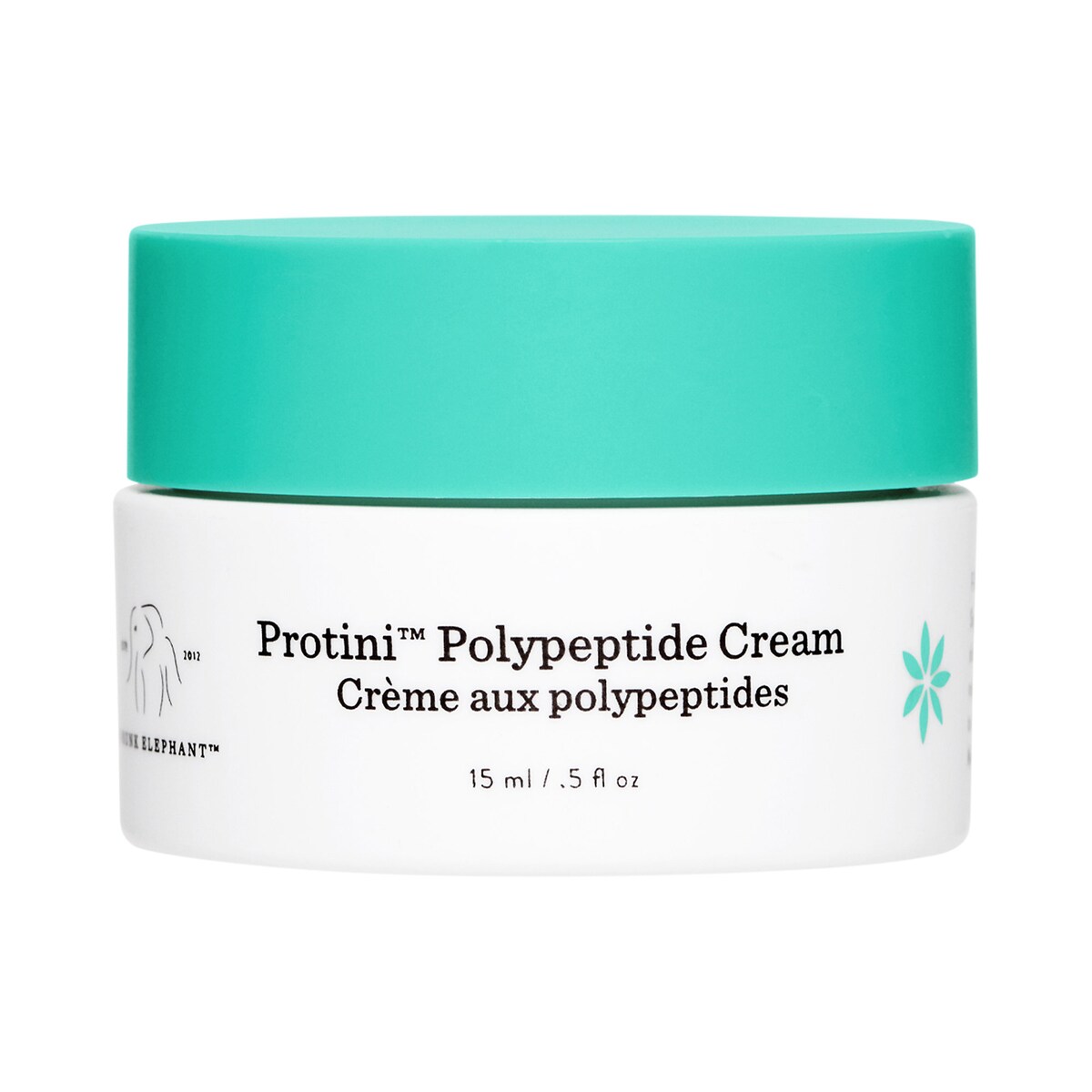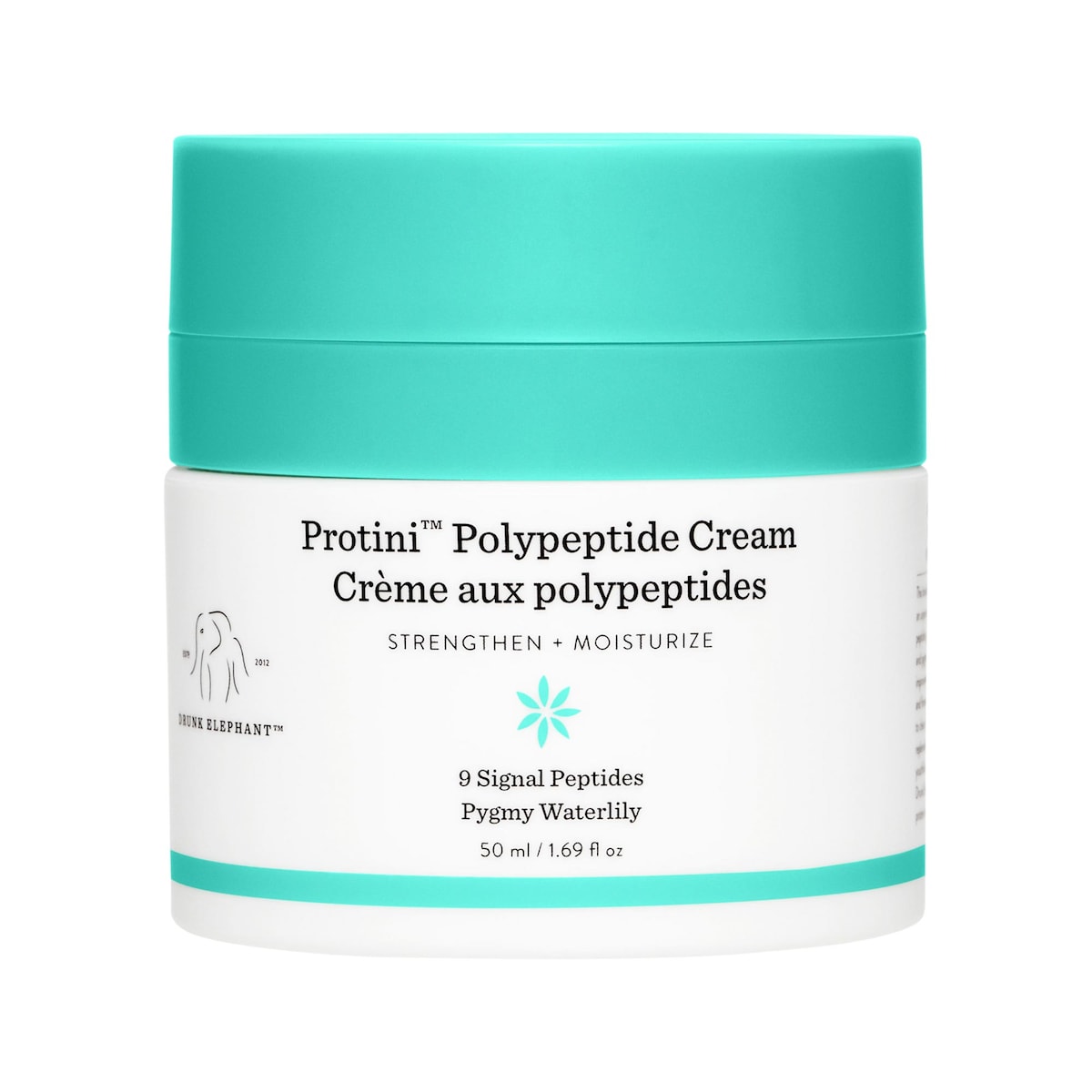
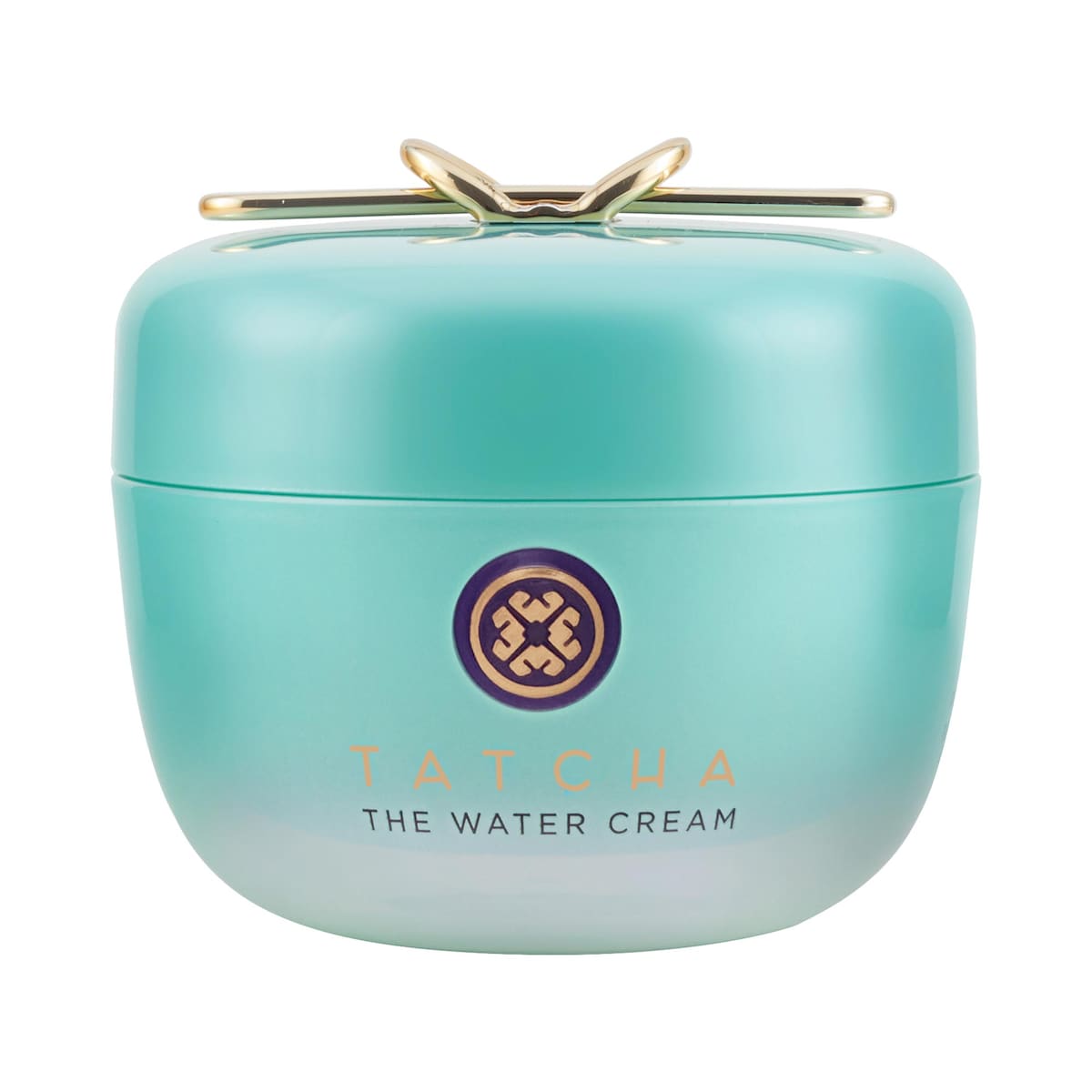
Drunk Elephant Protini vs Tatcha Water Cream is a useful Sephora comparison because these two moisturizers solve different problems even though they both sit in the same lightweight category. One is built around peptide-led moisture support. The other is built around a lighter oil-control finish and a more pore-refining water-burst feel.
If your skin is combination or dehydrated, the real question is not which one is more popular. It is which one will give you the right balance of hydration, comfort, and finish without making the rest of your routine harder to keep consistent.
| Product | Price | Size | Texture | Key actives | Best for |
|---|---|---|---|---|---|
| Drunk Elephant Protini Polypeptide Cream | $72 regular, currently $57.60 on sale | 1.69 oz / 50 mL, refill, mini, 3.33 oz value | Peptide-led gel-cream | Nine signal peptides, amino acids, glycerin, sodium hyaluronate | Combination skin that is dehydrated, dull, or needs more balanced moisture support |
| Tatcha The Water Cream | $74 | 1.7 oz / 50 mL, 2.5 oz / 75 mL, refill, mini | Lightweight water-burst gel | Multi-weight glycerin, rice ferment, green tea, wild rose, heartleaf | Combination skin that gets shiny fast and wants a lighter, more pore-minimizing finish |
Drunk Elephant Protini vs Tatcha Water Cream: the quick answer
If your skin is combination but leans dehydrated, Protini is usually the better starting point. It gives a more balanced moisture feel, and it is better suited to skin that wants hydration support without a heavy cream finish.
If your skin is combination but leans oily, Tatcha Water Cream is the cleaner fit. It feels lighter, dries down faster, and is better when the main issue is shine control rather than moisture loss.
For most people trying to choose once and move on, the rule is simple: pick Protini for dehydration, pick Water Cream for oil control.
Formula and ingredient differences
Protini is a peptide-led gel-cream. Drunk Elephant positions it around nine signal peptides and moisture-support ingredients that are meant to help skin look plumper and more even over time. The formula is less about a matte finish and more about making skin feel supported and stable. You can see that positioning in Drunk Elephant's Protini page and in ingredient roundups that call out the peptide complex.
Water Cream is built differently. Tatcha describes it as a lightweight, pore-refining moisturizer with multi-weight glycerin, plus wild rose and heartleaf for a lighter, more oil-friendly finish. It is designed to feel airy and keep the skin surface from looking greasy too quickly.
That difference matters because combination skin is not one thing. If your face gets tight and shiny at the same time, Protini usually covers the hydration side better. If your face gets shiny first and dehydration is secondary, Water Cream usually feels easier to live with.
For routine context, it helps to think about moisturizer the same way the American Academy of Dermatology does: the job is to keep water in the skin and slow what leaves it. That is why a more balanced cream can beat a lighter one when dehydration is the real issue.
Price and value math
The standard-size pricing is close enough that the decision should not be based on sticker shock alone. Protini is listed at $72 for 1.69 oz, which works out to about $42.60 per ounce. Water Cream is listed at $74 for 1.7 oz, which works out to about $43.53 per ounce.
That means the regular-size value difference is real, but not dramatic. Protini is slightly cheaper per ounce, and that gap gets more relevant if you actually finish moisturizers on a normal schedule instead of just comparing the shelf price.
If you catch Protini on sale at the current Sephora price shown above, the math changes more sharply. At $57.60 for 1.69 oz, it drops to about $34.08 per ounce, which is a much stronger value than Water Cream at full price.
The useful rule is this:
- If you buy at full price, the products are in the same premium tier and the formula fit matters more than the cost.
- If you buy Protini on sale, it becomes the better value pick.
- If you tend to abandon moisturizers before finishing them, do not overthink ounce math. Pick the formula you will use consistently.
The other thing to factor in is size selection. Tatcha gives Water Cream more size flexibility, while Protini also has a value size. That matters more for buyers who want to test texture before committing to a full jar.
Texture and finish
Protini feels like a smooth gel-cream that sits in the middle between a serum and a traditional cream. It is not greasy, but it is not trying to disappear instantly either. On dehydrated skin, that middle ground is often the point.
Water Cream feels lighter and more burst-like. It spreads fast, sinks in quickly, and is more likely to leave a fresh finish that suits people who dislike the feeling of moisturizer sitting on top of the skin.
If you wear makeup, both can work, but the finish changes the outcome:
- Protini is better when you want more cushion under base makeup.
- Water Cream is better when you want less slip and less shine through the day.
If you want a general rule, Water Cream is the more minimal feel and Protini is the more noticeable moisture feel.
Finish under sunscreen or makeup
This is where a lot of people make the wrong call. A moisturizer can be great on bare skin and still be annoying under SPF or foundation if the finish is too slick, too emollient, or too slow to settle.
Water Cream is the safer choice if your routine includes a sunscreen that already feels rich. Its lighter, faster-drying finish usually creates less movement under SPF, especially if you use a classic cream sunscreen or a tinted base on top.
Protini is better when your sunscreen or foundation tends to cling to dry patches. The extra cushion can help the face look smoother, but it can also add more slip if you overapply or layer it under a dewy base.
The practical rule:
- Choose Water Cream if your base products already run dewy or you are trying to keep makeup from sliding.
- Choose Protini if your skin looks dry or textured under makeup and you need a little more buffering.
If a product pills, the first thing to check is amount and order, not just the moisturizer itself. Most pilling comes from overlayering or mixing finishes that do not match.
Day vs night fit
Protini and Water Cream can both be used morning or night, but they do not fit equally well in both places.
For daytime, Water Cream usually makes the cleaner case. It feels lighter, gives a fresher finish under SPF, and stays out of the way if you are trying to keep shine down during the day. It is the better pick for people who want their moisturizer to behave like a background step.
Protini is still fine in the morning, but it makes more sense when your daytime skin feels underhydrated or when your routine has a retinoid, exfoliant, or drying cleanse earlier in the day. In that case, the extra support is worth more than the lighter finish.
For nighttime, Protini usually has the edge. Night routines can tolerate a little more comfort, and skin that feels depleted at the end of the day usually benefits more from the balanced moisture feel. Water Cream can work at night too, but it is more likely to feel underbuilt if your skin is dry rather than oily.
If you want the simplest version:
- Daytime: Water Cream for lighter finish, Protini for dehydration.
- Nighttime: Protini for more support, Water Cream for a lighter feel.
Which skin type each one fits
Protini is usually the better choice if your skin:
- Feels tight after cleansing
- Looks dull but still has some oil in the T-zone
- Needs hydration support more than matte control
- Gets dehydrated from actives like retinoids or exfoliating acids
Water Cream is usually the better choice if your skin:
- Gets oily quickly in the center of the face
- Wants a lighter morning moisturizer
- Breaks down under richer creams
- Feels congested when products are too heavy
If you are deciding between the two for combination skin specifically, the real test is where the discomfort is coming from. Dry-feeling combination skin usually wants Protini. Shiny combination skin usually wants Water Cream.
If you are still unsure, compare it to a broader routine plan like how to build a skincare routine that you will actually follow or a glass skin routine for dry skin. Those posts make it easier to tell whether your routine problem is hydration, consistency, or texture overload.
Who should skip it
Not every buyer should choose one of these just because they are popular Sephora moisturizers.
Skip Protini if:
- You mainly want a very matte finish.
- Your skin is already oily and comfortable without extra moisture support.
- You are trying to keep every step as light and invisible as possible.
- You do not want to pay premium pricing for a formula that is more supportive than essential.
Skip Water Cream if:
- Your skin is dehydrated first and oily second.
- You want more comfort than control.
- You are hoping a lightweight gel will replace the need for a more balanced moisturizer.
- You prefer a formula that feels more cushioned at night.
If your skin is very sensitive or very reactive, neither is automatically the right first stop. In that case, a simpler moisturizer from Sephora may be a better starting point, especially if fragrance or texture are recurring issues.
What kind of buyer each one fits
Protini fits the buyer who wants one moisturizer to solve a real routine problem instead of just chasing a texture preference. That buyer usually has combination skin, some dehydration, and a willingness to spend more if the formula actually makes the skin easier to manage. It is also a better fit for people who like a more balanced, slightly more substantial gel-cream and do not want their moisturizer to disappear completely.
Water Cream fits the buyer who values finish more than richness. That buyer usually runs oily in the T-zone, wants something that sits neatly under sunscreen or makeup, and does not want a moisturizer to be the most noticeable part of the routine. It is the more obvious choice for people who buy lightweight skincare because they dislike residue, shine, or heaviness.
Put differently:
- Buy Protini if you are solving dehydration.
- Buy Water Cream if you are solving shine.
- Buy neither if your real need is a richer barrier cream or a simpler basic moisturizer.
Where each moisturizer fits in a routine
Moisturizer should sit after treatment steps and before sunscreen in the morning, or as the final step in the evening after serums. The order matters less than keeping the routine predictable.
If your skin is dehydrated, use Protini after a hydrating serum or simple treatment step. It works best when the rest of the routine is not stripping the skin first. The AAD also recommends applying moisturizer to damp skin for better moisture retention, which is a useful rule for both products.
If your skin is combination and oilier, Water Cream makes more sense in a shorter morning stack. It is easier to pair with sunscreen because it stays out of the way and helps the face feel less coated.
One useful comparison if you are debating ingredient roles is niacinamide vs hyaluronic acid for glass skin. That article helps separate hydration support from balance and oil control, which is exactly the choice here.
Similar Sephora alternatives and related products
If neither Protini nor Water Cream is the right fit, the useful comparison is not to chase a random best-seller. It is to pick the moisturizer that matches the same job more closely.
| Product | Price | What it is better for | Why it belongs in this conversation |
|---|---|---|---|
| belif The True Cream Aqua Bomb with Hyaluronic Acid and Niacinamide | $40 for 1.69 oz | A lighter, makeup-friendly gel cream | Similar light feel to Water Cream, but at a lower price |
| LANEIGE Water Bank Blue Hyaluronic Cream Moisturizer | $38 for 1.6 oz | Barrier support on a tighter budget | A good alternative if you want hydration without jumping to luxury pricing |
| First Aid Beauty Ultra Repair Cream Intense Hydration | $42 for 6 oz | A richer, more basic moisture option | Better if you need more comfort than either lightweight cream gives you |
| First Aid Beauty Ultra Repair Firming Night Cream | $49 for 1.7 oz | A night-only support cream | Better if you want a more night-focused moisturizer with niacinamide |
These are not perfect substitutes. They just help narrow the lane:
- belif is the closer low-friction alternative if you like the water-gel idea.
- LANEIGE is the cleaner budget comparison if you want hydration and barrier support.
- First Aid Beauty is better if you need more substance and less branding premium.
- The night cream is the obvious next stop if Protini feels underbuilt at bedtime.
Final verdict and FAQ
The better moisturizer for combination or dehydrated skin is Protini if dehydration is the main issue. The better moisturizer is Water Cream if oil control is the main issue.
That is the shortest honest answer. Protini is the better all-around fit for combination skin that feels underhydrated, because its peptide-led gel-cream texture gives more balanced moisture support. Water Cream is the better fit for combination skin that wants a lighter, more pore-minimizing finish and does not need much richness.
If you want the buying logic in one line: Protini is the more useful moisturizer, Water Cream is the more finish-focused moisturizer.
Is Protini better than Water Cream for dehydrated skin?
Usually yes. If your skin is genuinely dehydrated, Protini is the stronger pick because it gives more cushion and moisture support without needing a thick cream texture.
Is Water Cream better for oily combination skin?
Usually yes. Water Cream is lighter, faster to dry down, and more likely to suit skin that hates rich moisturizers.
Which one is better for daytime?
Water Cream is often easier for daytime if you want a lighter finish under sunscreen. Protini is better if daytime dehydration is the issue and you want more support through the day.
Which one is better for nighttime?
Protini usually wins at night because the skin can tolerate a little more moisture support and does not need the same level of oil control.
Should you choose based on price?
Price should be secondary here. Protini is currently the better deal at $57.60 on sale versus its $72 regular price, but the better buy is still the one that matches your skin’s actual problem.
Which one is better for makeup days?
Water Cream is usually the safer morning pick under makeup because it dries down lighter. Protini is better if your base is catching on dry patches and you need a little more cushion first.
Which one is better if I only buy one moisturizer for the whole year?
Protini is the more versatile single-bottle choice for most combination-to-dehydrated skin. Water Cream is better if your routine priority is keeping the face light and controlled all day.
If you want one moisturizer to cover combination skin with dehydration, choose Protini. If you want the lightest finish for combination skin that runs oily, choose Water Cream.