Niacinamide and hyaluronic acid get grouped together so often that people start treating them like substitutes. They are not. They solve different problems, and the fastest way to waste money is to expect one to behave like the other.
If your goal is smooth, hydrated, reflective skin, both can be useful. The right choice depends on what your skin is missing right now.
What hyaluronic acid does well
Hyaluronic acid is mainly about hydration support. It helps attract and hold water, which is why it shows up so often in routines built around dryness, tightness, and a flat-looking complexion.
When it works well, skin looks:
- More comfortable
- Less tight
- Slightly plumper
- Better prepped for moisturizer
That is why it shows up early in glass skin routines. Hydration changes how the whole face reads.
What niacinamide does well
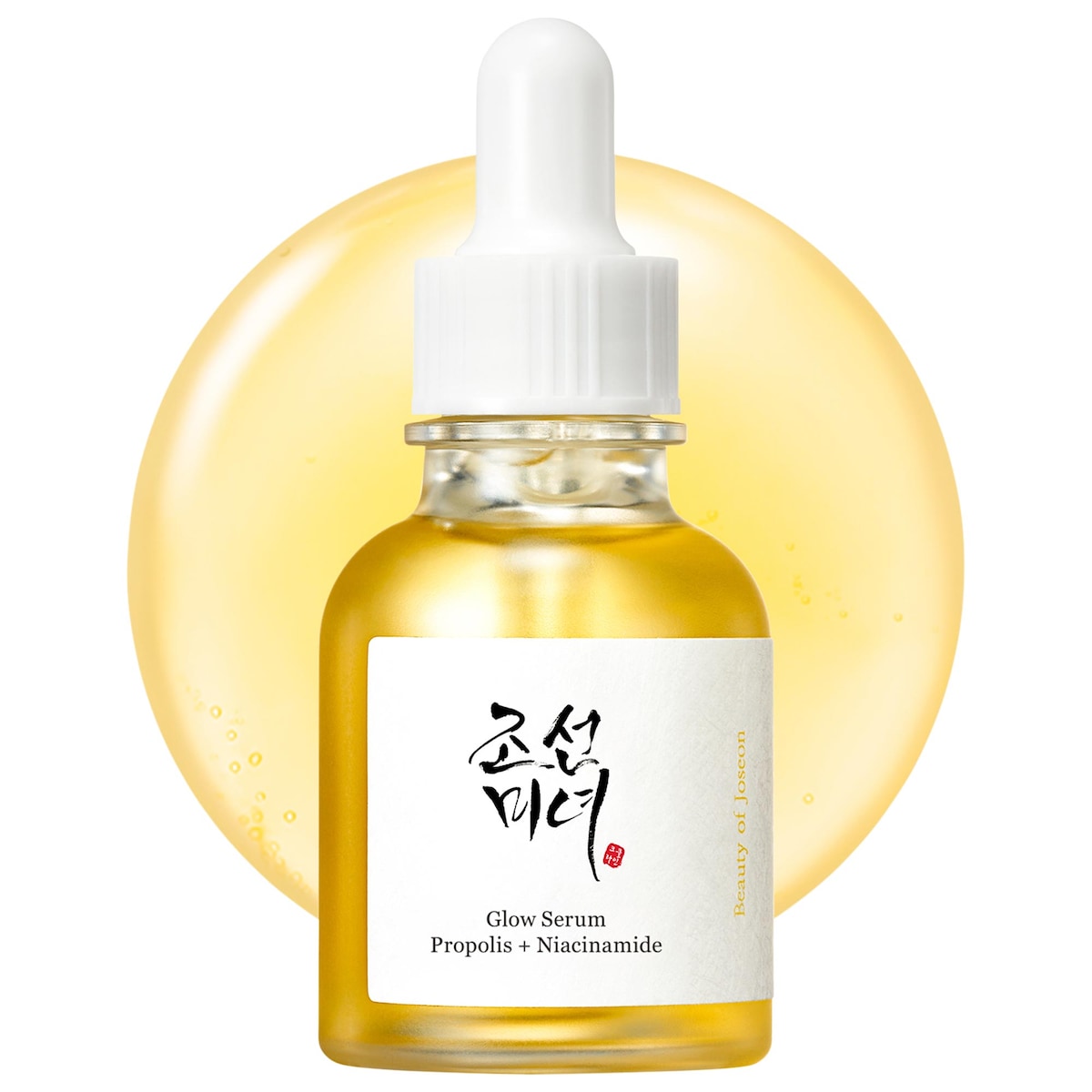
Niacinamide is more versatile. It often shows up in routines targeting:
- Oil control
- Visible pores
- Redness
- Uneven tone
- Barrier support
It is not a miracle fix, but it is one of the more flexible ingredients in a routine because it can support multiple goals at once without automatically making the routine harsh.
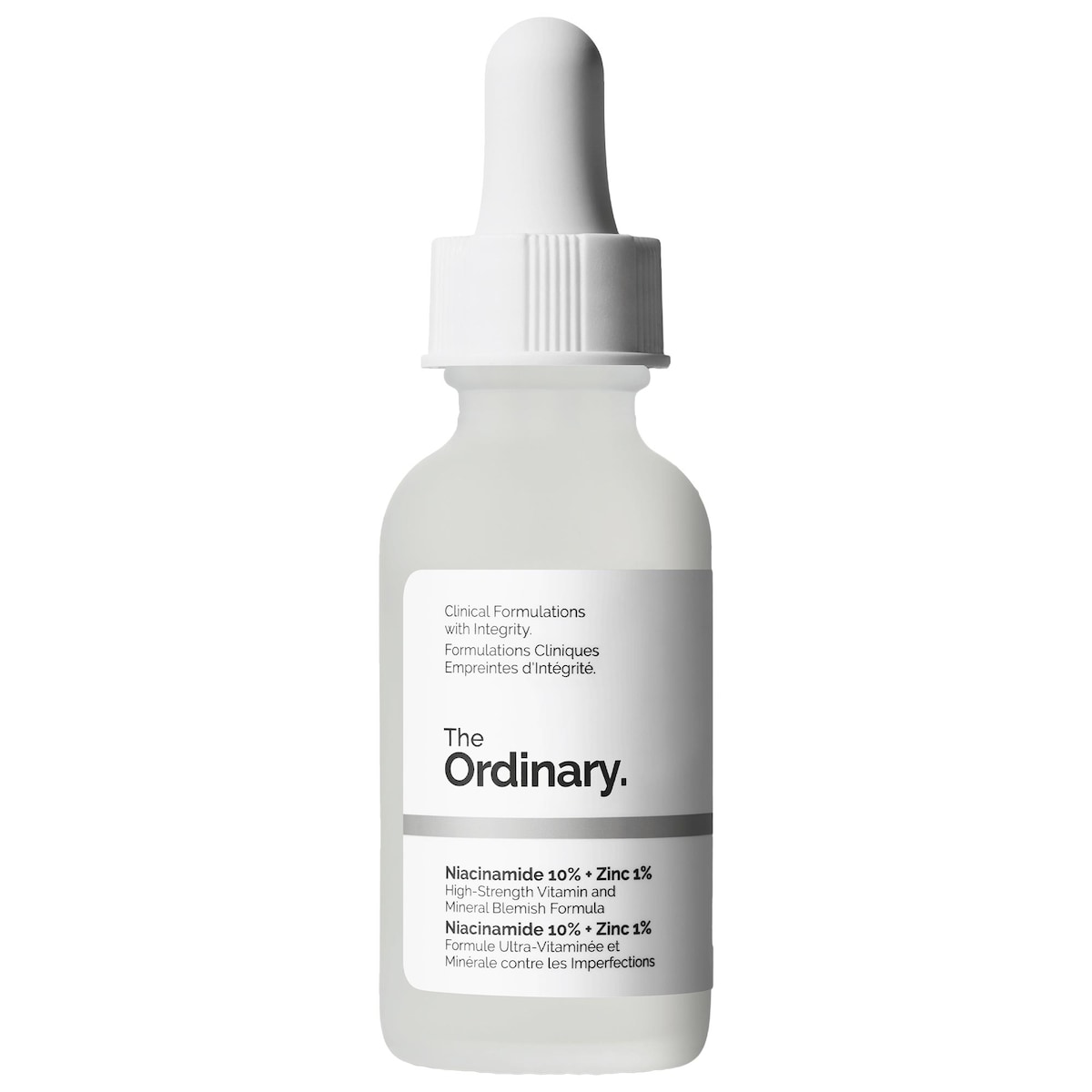
If you are comparing specific niacinamide products, The Ordinary Niacinamide 10% + Zinc 1% vs Paula's Choice 10% Niacinamide Booster is a useful next read.
If your skin feels dry, start with hydration
If the skin feels tight after cleansing, looks dull by midday, or gets flaky under makeup, hyaluronic-acid-first logic usually makes more sense.
That does not mean niacinamide is wrong. It means hydration is the bottleneck. If skin does not hold water well, the rest of the routine tends to perform worse.
If your skin gets shiny fast, start with niacinamide
If the main complaint is excess oil, pore visibility, or skin that looks congested rather than dry, niacinamide is often the better first move.
That is especially true if you want a routine that feels lighter in the morning. Niacinamide can support a cleaner, more balanced feel without making the routine feel heavy.
Can you use both?
Yes. In many routines, both make sense together.
The cleaner way to think about it is:
- Hyaluronic acid helps bring water in.
- Niacinamide helps support balance and barrier behavior.
You are not choosing a winner for all skin types. You are choosing which job matters more right now.
Which one goes first?
If you are layering both, the one with the lighter texture usually goes first. In practice, many hyaluronic acid serums are thinner, so they go on first. But texture matters more than ingredient loyalty.
What matters most is not the exact ingredient order. It is whether the routine still feels stable after you layer everything.
If products pill, sting, or feel heavy, simplify before assuming the ingredients are incompatible.
Common mistakes
Mistake 1: expecting hydration from niacinamide alone
Niacinamide can support the skin barrier, but it is not the same as giving the skin a hydration layer. If the face feels dehydrated, niacinamide alone may not solve the problem.
Mistake 2: using hyaluronic acid without sealing it in
Hydration steps usually work best when followed by moisturizer. Otherwise, the routine can feel temporarily good and still leave skin dry later.
Mistake 3: adding both while also adding strong actives
If you are also introducing exfoliants, retinoids, or other treatments, it becomes harder to know what is helping and what is irritating. Add gradually.
A simple decision rule
Use this if you want the fastest starting point:
- Choose hyaluronic acid first if your skin feels tight, dry, dull, or thirsty.
- Choose niacinamide first if your skin feels oily, uneven, pore-heavy, or easily congested.
- Use both when you want hydration plus balance, but keep the rest of the routine simple.
Why this matters for Glass
Glass is strongest when it turns ingredient confusion into a routine decision. Instead of endlessly comparing products, you can map an ingredient to a skin concern, keep the stack stable, and watch whether the skin responds over time.
That is what makes ingredient education useful: it should make the routine easier to run, not more complicated.
For most people, the answer is not niacinamide versus hyaluronic acid forever. The better answer is knowing which one your skin needs first, then building the rest of the routine around that priority.