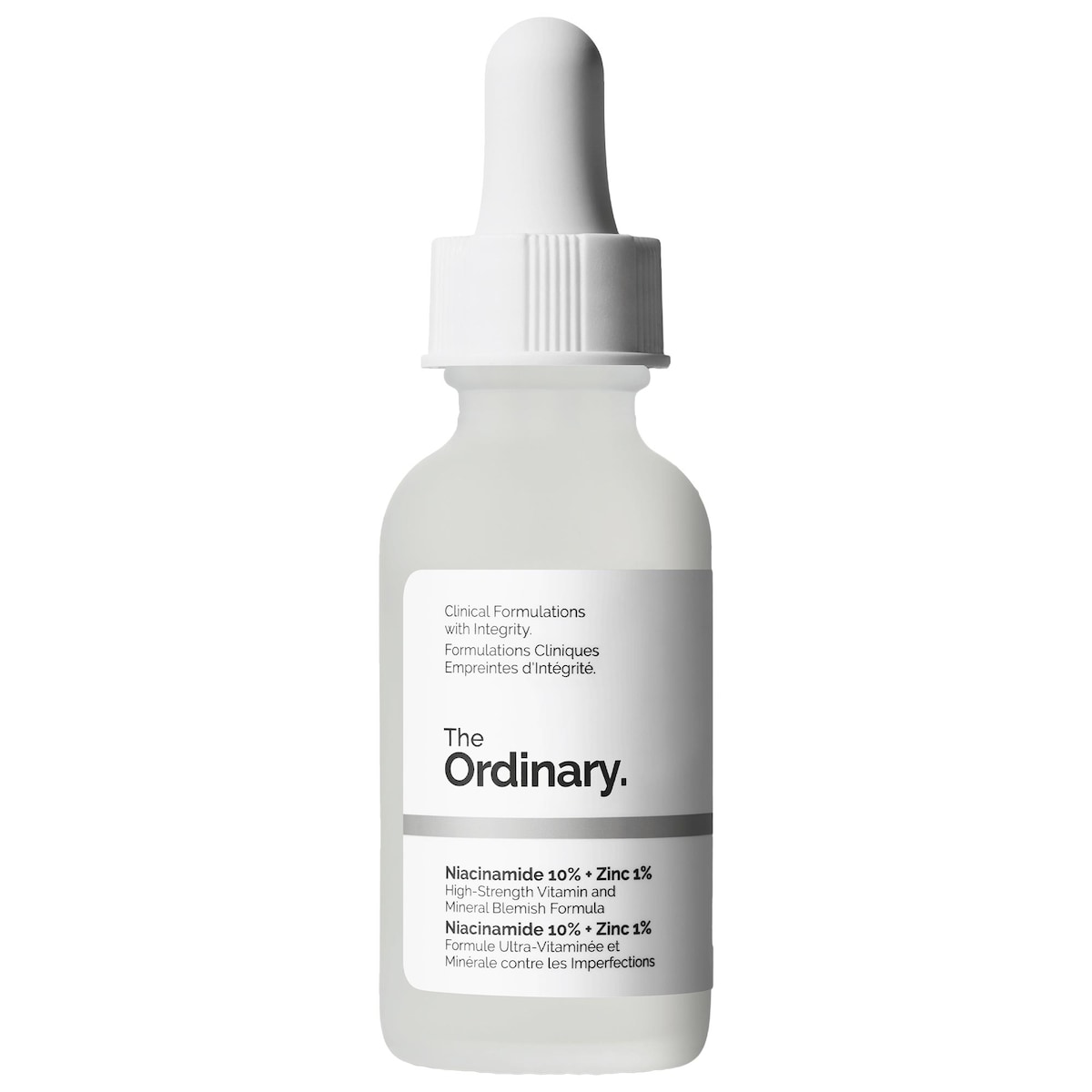
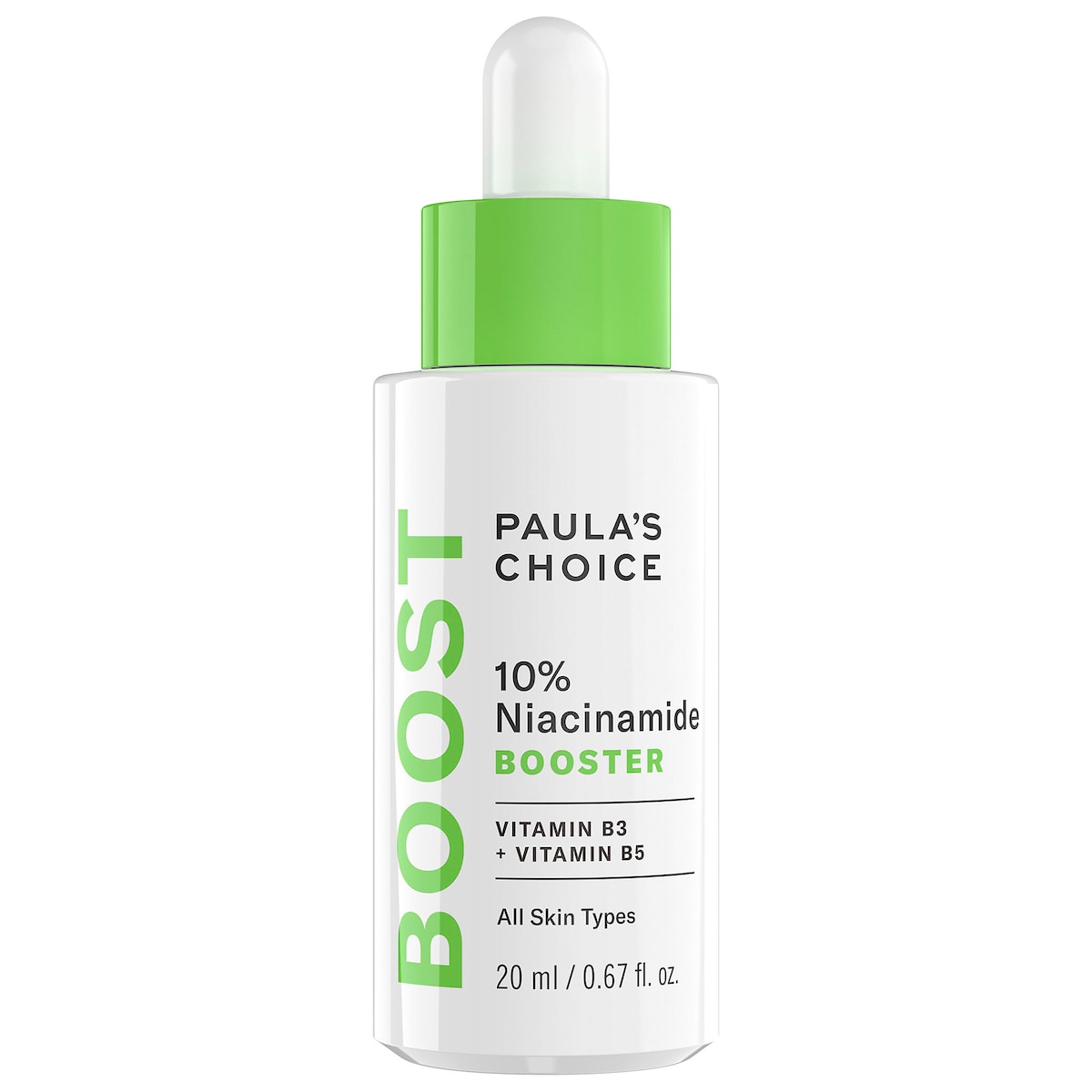
The Ordinary Niacinamide 10% + Zinc 1% vs Paula’s Choice 10% Niacinamide Booster is a straightforward Sephora comparison if your goal is pores and oil. Both use niacinamide, but they are built for different kinds of routines. One is the cheaper, stripped-down oil-control option. The other is the more buffered booster with extra support ingredients.
If you want the cleanest answer up front, here it is: The Ordinary wins on price and simplicity, while Paula’s Choice wins if you want a more rounded formula that does more than just chase shine. For most people who are mainly oily, The Ordinary is the better buy. For skin that is oily but also dehydrated, or for anyone who wants more cushion in the formula, Paula’s Choice makes more sense.
Quick verdict
Use The Ordinary if you want the lowest-cost, most direct niacinamide serum for oil, visible pores, and simple routines. Use Paula’s Choice if you want a more premium-feeling booster that is easier to layer into a routine built around hydration, tone, and barrier support.
The decision is not really about whether 10% niacinamide “works.” Both products put a useful amount of niacinamide on skin. The real question is whether you want the simplest formula at the best price or a more buffered formula with a higher spend.
Comparison table
| Product | Price | Size | Texture | Actives | Best for |
|---|---|---|---|---|---|
| The Ordinary Niacinamide 10% + Zinc 1% | $6 | 1 oz / 30 mL | Water-based serum | Niacinamide, zinc PCA | Oily skin, visible shine, simple routines |
| Paula’s Choice 10% Niacinamide Booster | $49 | 0.67 oz / 20 mL | Light-as-water fluid | Niacinamide plus hydrating and soothing support ingredients | Pores plus tone, barrier support, dry or combination skin |
Price and value math
The price gap is the easiest part of the comparison. The Ordinary is $6 for 30 mL on Sephora, which works out to about $0.20 per mL. Paula’s Choice is $49 for 20 mL, which works out to about $2.45 per mL.
That means Paula’s Choice costs a little over 12 times more per milliliter. Even if you use the Auto-Replenish price of $46.55, it is still far more expensive per mL than The Ordinary.
That does not automatically make The Ordinary the smarter buy for everyone. It does mean you should be honest about what you are paying for. The Ordinary is a value serum. Paula’s Choice is a premium booster. If you only want niacinamide for oil control and pores, the cheaper formula is hard to beat. If you want a product that behaves more like a support step inside a broader routine, the extra cost makes more sense.
What 10% niacinamide means in practice
Ten percent sounds precise, but it is not magic. It means niacinamide is a major part of the formula, not a decorative add-on. In practice, that usually puts the product in “treatment serum” territory rather than “supportive moisturizer” territory.
For most shoppers, 10% means three things. First, the product is strong enough to be taken seriously for oil and the look of pores. Second, it may feel more noticeable on skin than a lower-strength niacinamide formula. Third, the formula around it matters more, because a high-strength active can feel great in one base and annoying in another.
That is why the two products in this comparison behave differently even though they both say 10%. The Ordinary is built like a blunt tool. Paula’s Choice is built like a buffered tool. The percentage is the same; the user experience is not.
If you want a broader ingredient primer before choosing a serum, Sephora’s own niacinamide guide is useful, and Cleveland Clinic’s overview of niacinamide covers the basic skin roles without turning it into marketing copy.
Formula and ingredient differences
The main difference is not the niacinamide percentage. It is everything around it.
The Ordinary keeps the formula minimal, with niacinamide and zinc PCA doing the heavy lifting in a water-based serum. That makes it easy to understand and easy to price, and it is a good fit if your goal is mostly oil control and less visible congestion.
Paula’s Choice takes the opposite approach. The booster still centers niacinamide, but it adds ingredients like acetyl glucosamine, licorice, green tea, glycerin, hyaluronic acid, panthenol, and beta-glucan. In practice, that means more hydration support, more soothing, and more of a “treatment plus buffer” feel.
That fits with what dermatology sources generally say about niacinamide itself. Cleveland Clinic notes that niacinamide can support barrier function, help regulate oil, and reduce the appearance of pores. Paula’s Choice also frames niacinamide as a multitasking ingredient that pairs well with humectants and soothing ingredients in layered routines, which lines up with the booster format.
Texture and finish
The Ordinary feels like the more utilitarian product. It is a straightforward water-based serum, and that shows in the way it behaves. It is the kind of formula you use when you want the ingredient to do its job without much extra texture or cushion.
Paula’s Choice is still lightweight, but it reads more like a booster than a classic serum. The finish is usually easier to fold into moisturizer or layer under other steps, which matters if you do not want a treatment step to feel harsh or overly stripped.
If you like routines that stay very lean and disappear fast, The Ordinary fits better. If you prefer a serum that feels a little more polished and less bare-bones, Paula’s Choice is the better texture match.
Which skin type each one fits
Choose The Ordinary if your skin is oily, your T-zone gets shiny fast, or your main complaint is visible pores and congestion. It is the better value serum for people who want a direct niacinamide product and do not need a long ingredient list to justify it.
Choose Paula’s Choice if your skin is combination, dehydrated, or a little reactive and you want niacinamide with more support around it. The added glycerin, hyaluronic acid, panthenol, beta-glucan, and botanical support make it the stronger option when you want pore help without making the routine feel dry or stripped.
If your skin is already dry, this comparison probably points you toward a different lane entirely. In that case, it is worth reading a glass skin routine for dry skin first, because the best niacinamide serum is still the one that fits the rest of the routine.
Who should skip it
Not every skin type needs a 10% niacinamide serum.
Skip The Ordinary if your skin is very dry, easily irritated, or already feels tight before you even wash your face. It can work for some dry skin types, but it is the riskier of the two if your barrier is already stressed.
Skip Paula’s Choice if you want the cheapest possible niacinamide fix, if you do not need extra hydration, or if you already use several niacinamide products elsewhere in the routine. Paying for a booster makes less sense when the rest of your regimen is already doing the same job.
Skip both if you want niacinamide to replace the rest of a routine. It does not replace cleanser, moisturizer, sunscreen, or a real acne treatment plan. If your main issue is clogged pores that need salicylic acid, or breakouts that need something stronger, niacinamide is a helper, not the whole solution.
Layering with other routine steps
Both products fit after cleansing and before moisturizer. That part is simple. The practical question is how they behave next to the rest of your routine.
In a basic routine, use cleanser, then niacinamide, then moisturizer, then sunscreen in the morning. At night, the same structure works with a richer moisturizer if your skin needs it. If you use a toner or essence, those usually go before the serum.
If your routine already has an acid exfoliant or a retinoid, keep the rest of the schedule calm. You do not need to stack every active in the same minute. The point is to reduce oil, improve the look of pores, and keep skin usable day after day.
The Ordinary is the easier product to keep in a stripped-down routine because it is so direct. Paula’s Choice is easier to layer into a routine that already has hydration steps because it brings more cushion with it.
If you are building a routine from scratch, read how to build a skincare routine you’ll actually follow. If you are choosing between niacinamide and hydration, niacinamide vs hyaluronic acid for glass skin is the better follow-up.
If your skin is already dry, this comparison probably points you toward a different lane entirely. In that case, it is worth reading a glass skin routine for dry skin first, because the best niacinamide serum is still the one that fits the rest of the routine.
What to expect over time
Neither serum should be judged after one use.
With consistent use, niacinamide is the kind of ingredient people usually buy for gradual changes: less obvious oil, a calmer look to pores, and a more even feel to the skin surface. That is also why this comparison is really about routine fit. If you cannot stick with it, even a good serum is a bad purchase.
Use The Ordinary when you want a straightforward daily treatment and you are okay with the formula feeling utilitarian. Use Paula’s Choice when you want a formula that feels more forgiving and easier to mix into a longer routine.
Similar Sephora alternatives and related products
If neither of these is a perfect fit, Sephora has a few useful neighboring options.
The nearest budget alternative is The INKEY List Niacinamide Oil Control Serum. It is another direct, affordable niacinamide option and makes sense if you want the same general job with a different texture or brand preference.
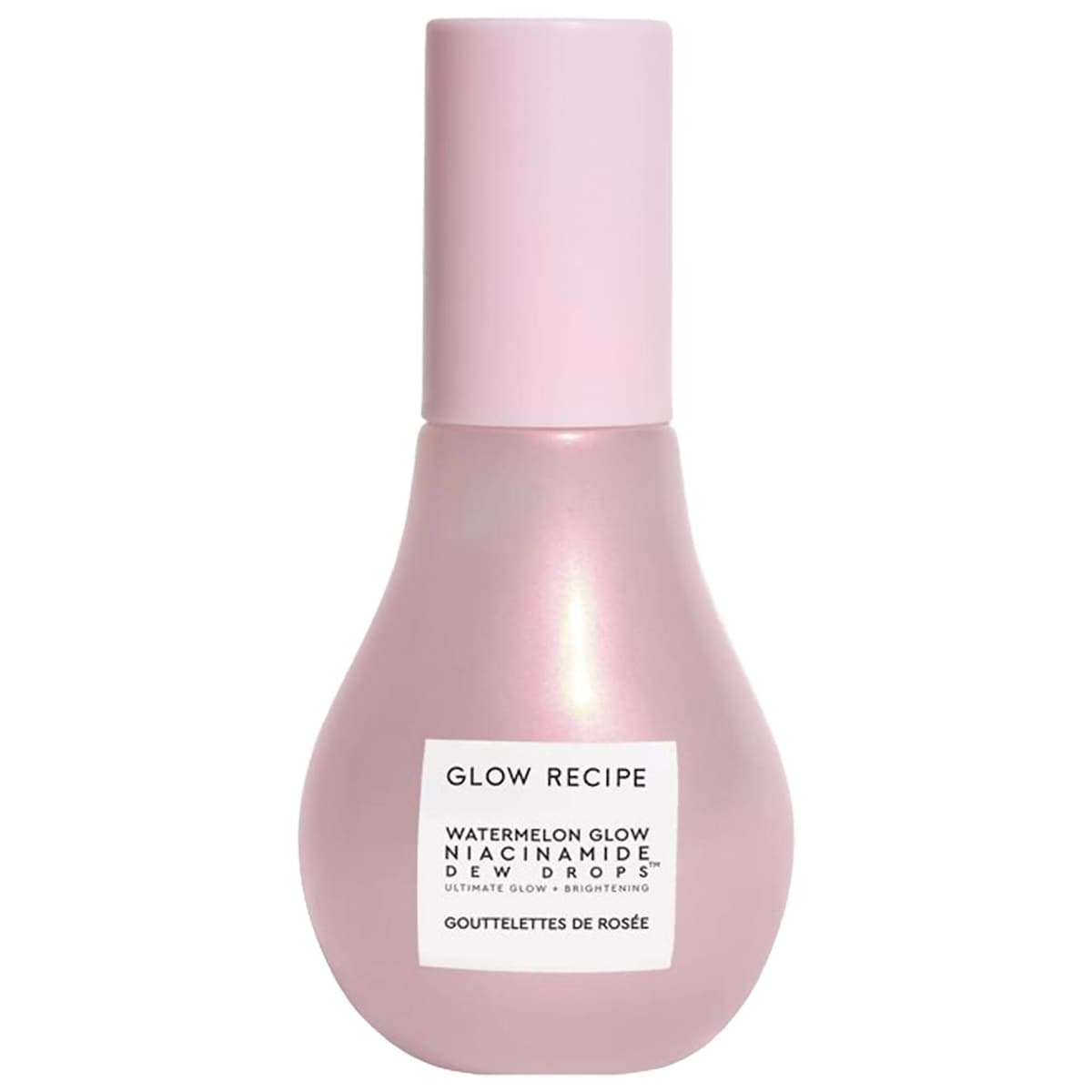
If you want a more glow-focused niacinamide product, look at Glow Recipe Watermelon Glow Niacinamide Dew Drops Serum. It is a different category of product, so the point is not to compare it one-for-one on oil control. The point is that it makes more sense for someone who wants radiance and a lighter cosmetic finish.
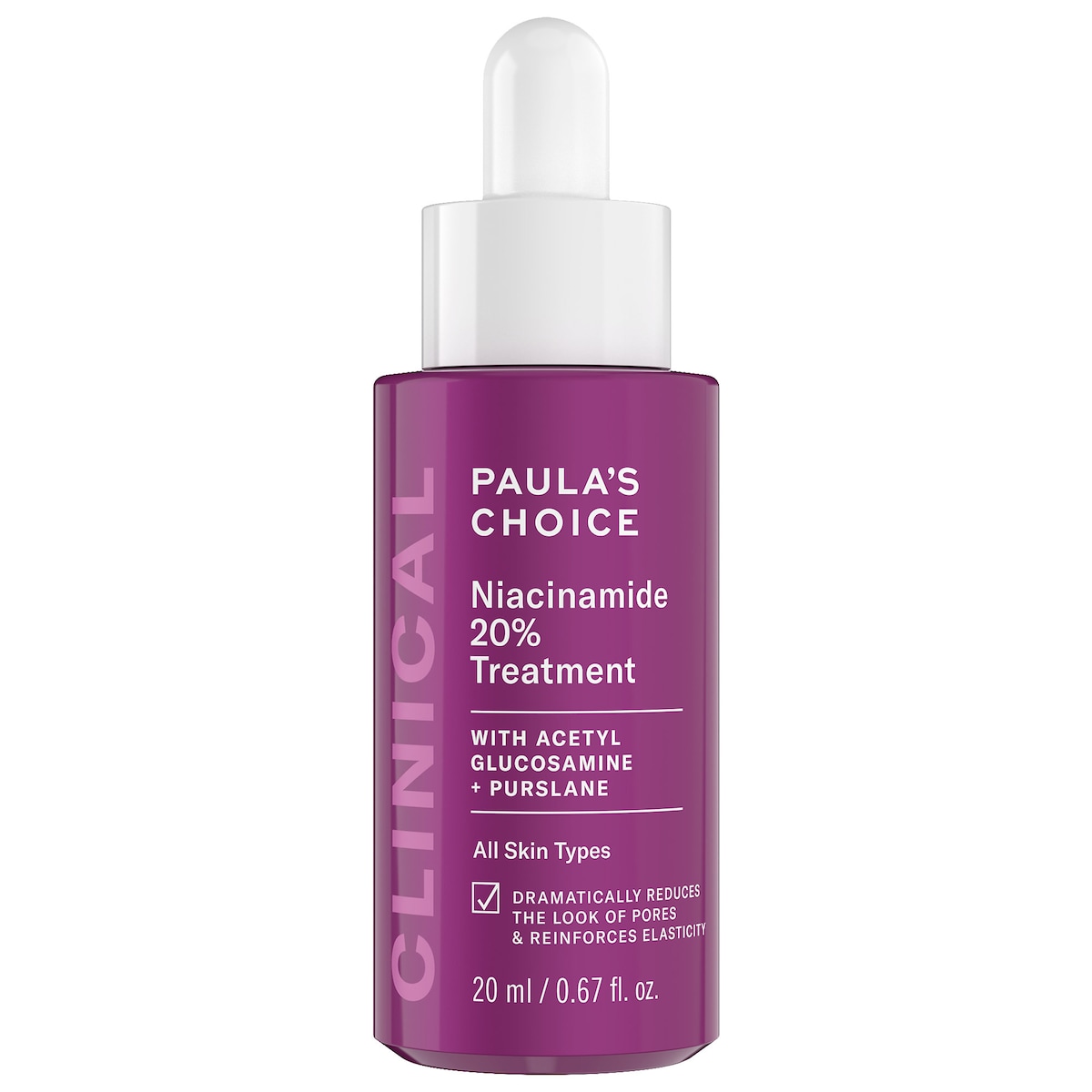
If you want to stay in the Paula’s Choice lane but go stronger, CLINICAL Niacinamide 20% Treatment is the more aggressive version. That is not automatically the better first purchase. It is just the one to compare if you already know you want a higher-strength niacinamide treatment.
If your real issue is discoloration more than oil, Topicals Faded Serum for Dark Spots & Discoloration is worth comparing too. That is a different problem and a different product, but it often enters the same shopping cart.
Which buyer each product fits
Buy The Ordinary if you are price-sensitive, prefer minimalist formulas, or want the most direct way to test whether niacinamide helps your skin. This is the product for the shopper who wants less explanation and less spend.
Buy Paula’s Choice if you are willing to pay more for a more comfortable formula, want something that feels easier to slot into a layered routine, or need hydration support alongside pore care. This is the product for the shopper who wants the niacinamide step to feel more complete.
If you are still unsure, use your skin type as the shortcut. Oily and simple: The Ordinary. Oily but dehydrated: Paula’s Choice. Dry and reactive: consider skipping both and choosing a gentler lane.
Final verdict and FAQ
The cleanest answer is this: The Ordinary Niacinamide 10% + Zinc 1% is better for most oily skin and anyone who wants the cheapest effective niacinamide serum for pores and shine. Paula’s Choice 10% Niacinamide Booster is better if you want a more complete formula, are willing to pay for the extra support ingredients, or need something that fits a drier or more layered routine.
In other words, The Ordinary is the value pick. Paula’s Choice is the comfort pick.
Which one is better for pores?
If pores are the main problem, The Ordinary is usually enough. It is the more direct oil-control product, and that is the concern most closely tied to visible pores.
Which one is better for oily skin?
The Ordinary. It is cheaper, simpler, and easier to keep in a routine that is built around reducing shine.
Which one is better for dry or combination skin?
Paula’s Choice. The extra hydrating support makes it easier to use when you want niacinamide without a stripped finish.
Can you use niacinamide every day?
Yes, most people can. Cleveland Clinic describes niacinamide as generally gentle, and Sephora’s niacinamide guide says it can be used daily, morning or night. The practical rule is still the same: start with the routine you can repeat, then see whether your skin actually gets calmer, smoother, and less shiny over time.