
Dry skin is not subtle at night.
It pulls.
It flakes.
It makes moisturizer feel like a negotiation.
Sometimes it even tricks you. Your face can look shiny after skincare and still feel tight twenty minutes later. That used to make me think I needed more glow products. I do not think that anymore. When dry skin keeps waking up tight, the routine usually needs fewer dramatic steps and a better moisture plan.
A good night skincare routine for dry skin in April 2026 should do four things well: remove the day without stripping, add water-binding hydration, replace comfort with a real cream, and seal the vulnerable areas when the air or your barrier is working against you.
That is it.
Not ten steps.
Not a shelf full of actives.
Just a routine that lets your face wake up softer than it went to bed.
Quick answer
If my skin felt dry tonight, I would build the routine like this:
- Remove makeup or sunscreen gently with a balm, oil cleanser, cleansing milk, or micellar layer if needed.
- Cleanse once with a non-stripping cleanser and lukewarm water.
- Apply a hydrating layer while the skin is still slightly damp.
- Use a cream moisturizer, not a thin lotion, if your skin keeps waking up tight.
- Press a small amount of balm or facial oil over dry patches only if the moisturizer disappears too fast.
- Keep retinol, exfoliating acids, and strong brightening serums out of the routine until the skin feels comfortable again.
The routine is simple on purpose. Dry skin usually does not need a more impressive night routine. It needs one that stops leaking comfort by morning.
The routine I would use tonight
When my face feels tight before bed, I do not want to decode ten products. I want a routine that tells every product what job it has.
| Step | Product lane | What it should do | What I would avoid |
|---|---|---|---|
| Remove the day | Cleansing balm, oil, milk, or micellar water | Break down sunscreen and makeup without scrubbing | Harsh wiping, hot water, or pretending one strong cleanser is gentler than two soft steps |
| Cleanse | Cream, milk, gel, or low-foam cleanser | Leave skin clean but not squeaky | Thick lather, tightness, menthol, fragrance-heavy formulas |
| Hydrate | Milky toner, hydrating serum, or essence | Make the skin feel less thirsty before cream | Five watery layers that pill or irritate |
| Moisturize | Cream with glycerin, ceramides, squalane, shea butter, panthenol, or colloidal oatmeal | Replace comfort and reduce overnight water loss | Thin gels if you already know they vanish by midnight |
| Seal, optional | Balm, ointment, or facial oil | Protect dry patches and corners | Slugging the whole face if you break out easily or hate occlusive finishes |
The order matters less than the result: skin should feel comfortable after the moisturizer settles. Not greasy for the sake of being greasy. Not tight under a shiny layer. Comfortable.
That word is the entire standard.
The part I stopped getting wrong
I used to treat dry skin like a hydration problem only.
So I would add a serum.
Then another serum.
Then a mist.
Then a toner that promised bounce.
Sometimes that helped for an hour. It did not always help by morning, because dry skin is not only about adding water. It is also about keeping enough of that water in the skin and not irritating the barrier while you try to fix it.
That is why a hydrating serum without a good moisturizer can feel disappointing. It gives the routine a nice first ten minutes, then the skin still wakes up tight. The cream is not the boring step. For dry skin, the cream is often the step that decides whether the whole routine works.
Tight after cleansing means the routine started wrong
I take tightness after cleansing seriously now.
Not panic-seriously.
Information-seriously.
If my face feels stretched after washing, I do not assume I need a better serum. I assume the cleansing step is taking too much. Dry skin can tolerate cleansing, but it does not tolerate being stripped every night and then asked to recover with a cute moisturizer afterward.
I like a cleanser that leaves my face feeling boring. No squeak. No glassy tight shine. No "deep clean" feeling that turns into flakes around my nose.
If you wear heavy sunscreen or makeup, a first cleanse can be kinder than forcing your regular cleanser to do all the work. The trick is to keep both steps soft. A balm or oil can dissolve the stubborn layer. A gentle second cleanser can remove residue. Neither step should feel like punishment.
If you do not wear much makeup and your sunscreen comes off easily, one gentle cleanse may be enough.
The dry-skin mistake is not cleansing. It is over-cleansing and calling the tight feeling clean.
Product lanes I would actually consider
I would not buy everything here.
That would miss the point.
I would choose one cleanser, one hydration layer if needed, one moisturizer, and one optional seal only if my skin keeps losing comfort overnight.
| Product | Image | Best night role | Who it makes sense for | Who should skip it |
|---|---|---|---|---|
| First Aid Beauty Ultra Gentle Pure Skin Cream-to-Foam Face Cleanser | 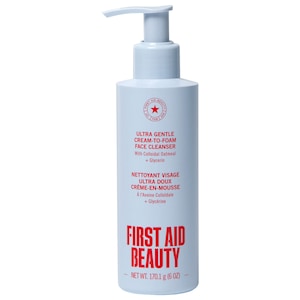 | Gentle cleanse | Dry skin that wants a cushiony cleanser with a simple feel | Anyone who dislikes cream-to-foam textures |
| AESTURA ATOBARRIER365 Gentle pH-Balancing Foaming Cleanser | 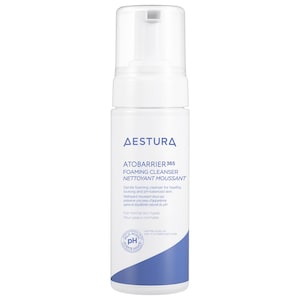 | Gentle second cleanse | Dry or barrier-tired skin that still prefers a soft foam | Skin that feels tight from any foam at all |
| LANEIGE Cream Skin Milky Toner | 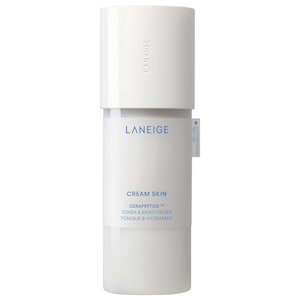 | Prep hydration | Skin that feels one layer short even after moisturizer | Anyone who hates a milky, dewy prep layer |
| Torriden DIVE IN 5D Hyaluronic Acid Ultra Hydrating Serum | 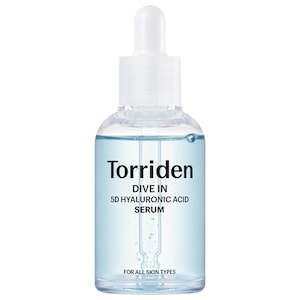 | Hydrating serum | Dehydrated dry skin that looks flat or crepey | Skin that needs richer comfort more than serum hydration |
| Kiehl's Ultra Facial Refillable Moisturizing Cream | 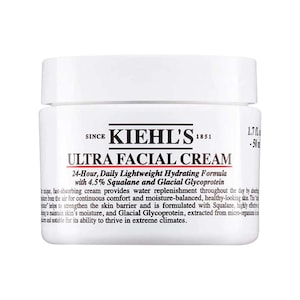 | Daily cream | Dry skin that wants a dependable cream without a heavy recovery feel | Very reactive skin that needs the shortest ingredient list possible |
| Skinfix Triple Lipid-Peptide Cream | 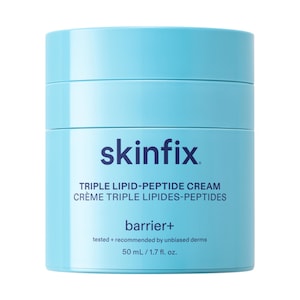 | Barrier cream | Dry, tight, treatment-tired skin that needs more cushion | Oily skin that breaks out from richer creams |
| Topicals Like Butter Moisturizer | 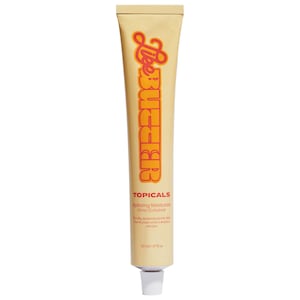 | Comfort cream | Dry, sensitive, itchy-feeling skin that wants softness | Anyone who wants a barely-there finish |
| Farmacy Honey Grail Ultra-Hydrating Face Oil | 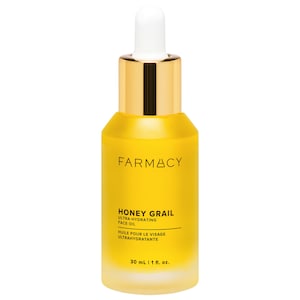 | Optional seal | Dry patches that need a final flexible layer | Acne-prone skin that dislikes oils |
The real decision is not which product looks best in a cart. It is which role your routine is missing.
If your cleanser already feels good, do not replace it just because a new one looks calmer. If your moisturizer works until 2 a.m. and then your face wakes up tight, look at the cream or the seal. If your moisturizer is rich but the skin still looks crepey, add hydration underneath instead of buying an even heavier cream immediately.
A closer look at the products I would place first
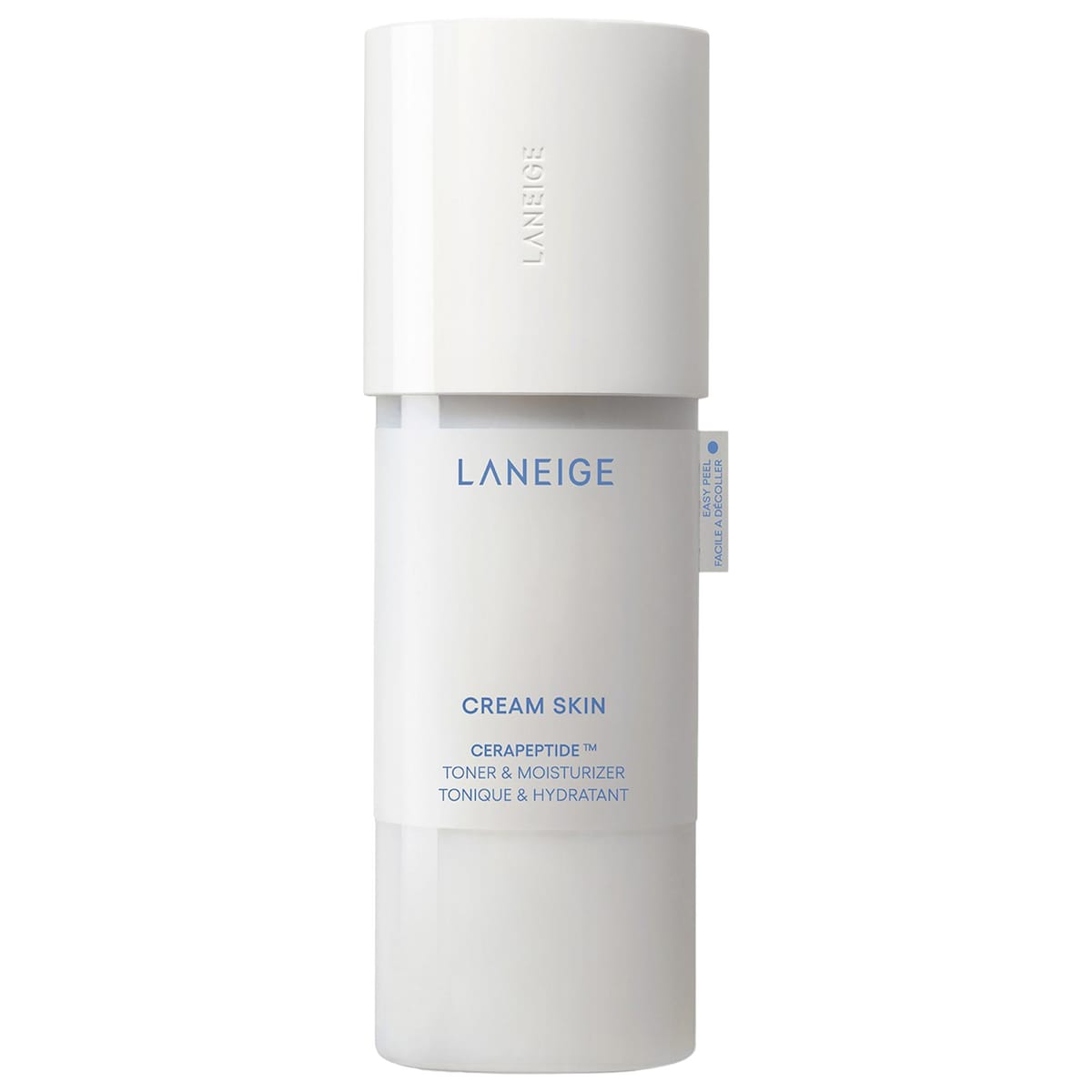
LANEIGE Cream Skin is the kind of step I would use when dry skin feels thirsty before it feels irritated. It makes the most sense after cleansing and before cream, especially if your moisturizer always seems to sink in too fast.
I would not use it as an excuse to skip moisturizer. That is the common mistake with milky toners and hydrating essences. They feel comforting enough that you start treating them like the whole plan. For dry skin, they are usually the prep layer, not the lock.
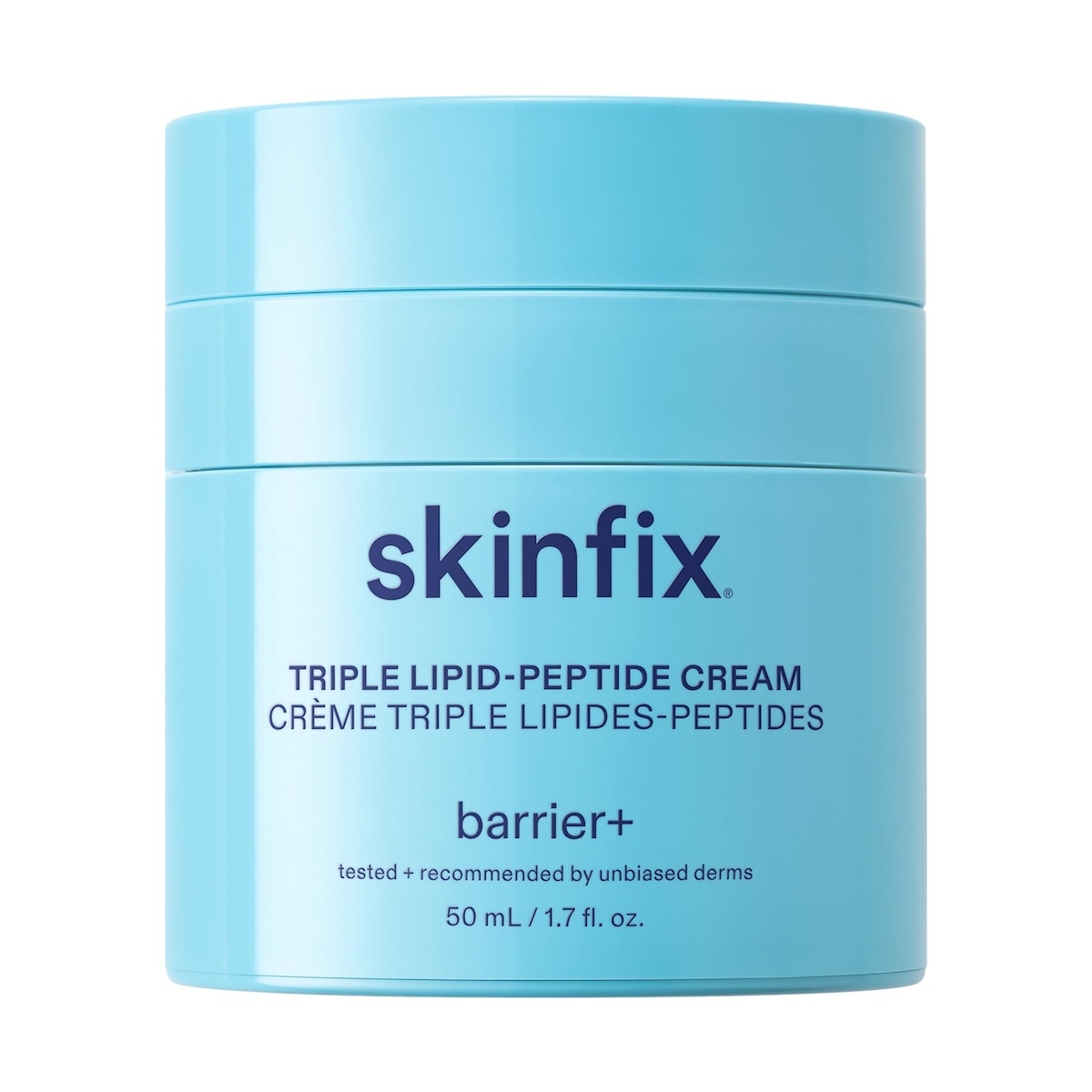
Skinfix Triple Lipid-Peptide Cream is more of a barrier-cream lane. This is where I would look if the skin feels depleted, over-treated, or too tight for lightweight moisturizers. It is not the most invisible finish. That is the point. Dry skin at night often benefits from a cream that stays present long enough to matter.
The person who should skip it is the person who already knows rich creams clog them. If that is you, do not force the heaviest answer. Use a lighter cream, then seal only the driest areas.
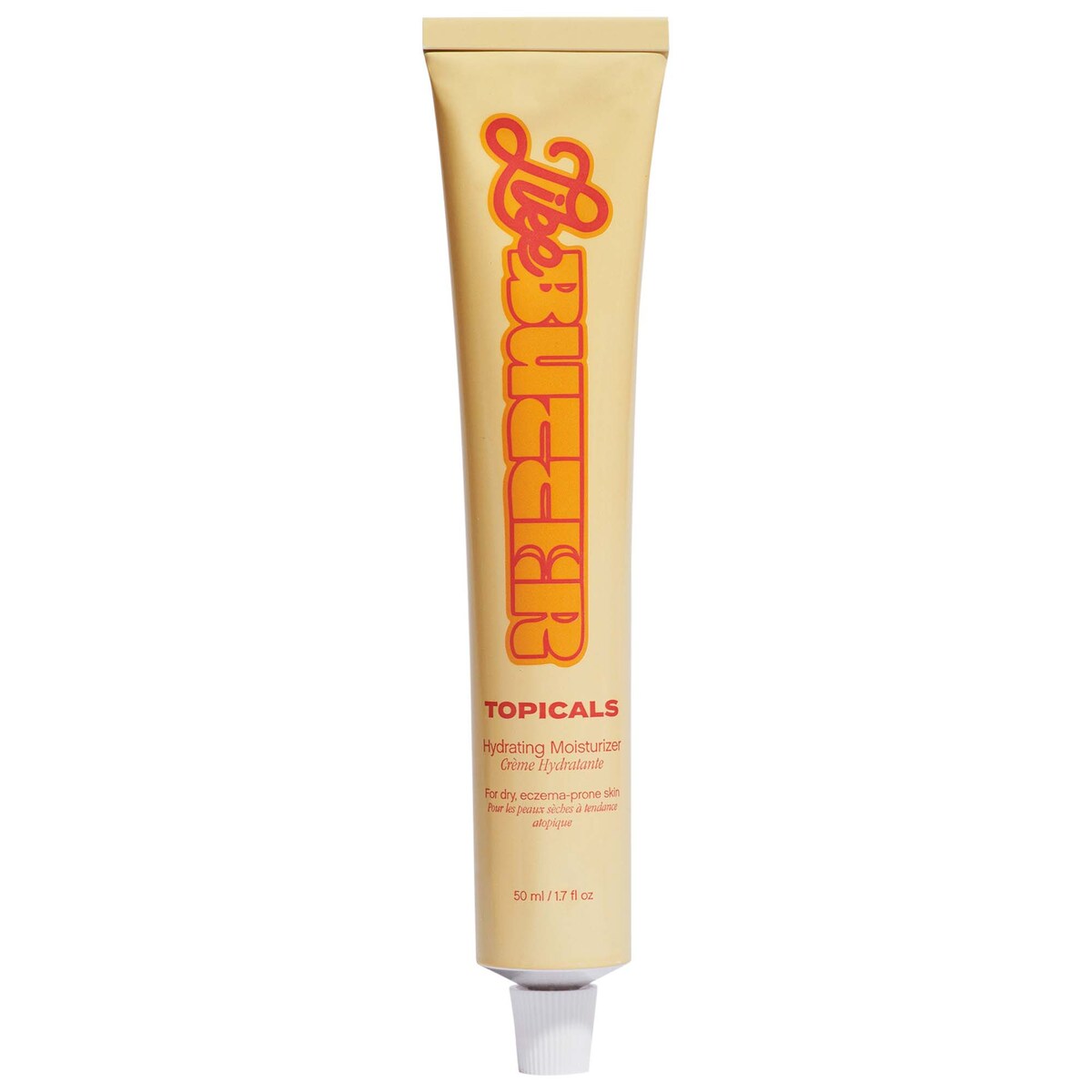
Topicals Like Butter makes sense when dryness and sensitivity overlap. I think of it less as a glamorous night cream and more as a comfort product. That is exactly why it can be useful. Some nights, dry skin does not need glow. It needs to stop feeling annoyed.
If your skin burns with almost every product, though, I would not keep adding new moisturizers forever. Burning can be a sign that your barrier is irritated enough to need a real pause, and sometimes professional help. More shopping is not always the responsible next step.
If moisturizer burns, stop trying to power through
Moisturizer should not feel like a test of character.
If one product stings for a few seconds, it may be the formula. If every moisturizer burns, the skin may be too irritated, too dry, or too freshly over-exfoliated to tolerate much of anything. That is when I would stop chasing glow and do a reset.
My dry-skin reset would be:
- cleanse gently at night only
- moisturize while the skin is slightly damp
- use a plain balm only on cracked or flaky patches
- skip exfoliating acids
- skip retinol
- skip vitamin C
- skip scrubs, peels, masks, and new fragrance-heavy products
- keep sunscreen in the morning
I would run that for several nights before judging anything. The point is not to make the routine pretty. The point is to get clean feedback. If the skin calms down, the old routine was probably doing too much. If it does not, or if there is swelling, painful burning, rash-like patches, oozing, or symptoms around the eyes, I would stop guessing and get help from a clinician.
Where retinol fits when your skin is dry
Retinol is not banned from dry skin.
It just has to earn its place.
If my skin is already tight, flaky, or burning, I would not start retinol that week. I would get the moisturizer step working first. Retinol on top of a broken-feeling routine is how people end up blaming the ingredient when the real issue was timing.
When the skin is calm, I would start slowly:
- one night a week at first
- pea-sized amount for the face
- no exfoliating acid the same night
- moisturizer close by
- dry corners protected before application
The sandwich method can be useful for dry skin: moisturizer first, retinol, then moisturizer again. It can soften the hit. I do not treat it like a moral law, but I do like it when dryness is the reason someone keeps quitting retinol.
If the skin starts flaking, stinging, or feeling raw, I would reduce frequency before replacing the whole routine. Dry skin usually rewards patience more than intensity.
Where exfoliation fits when your skin is dry
Dry skin can exfoliate.
It just should not be exfoliated because it is dry.
That distinction matters. Flakes can make you want to scrub. But flakes are not always dead skin that needs to be removed. Sometimes they are a sign the barrier is already struggling. If you exfoliate that, you may get one smooth night and three irritated mornings.
If my dry skin was calm but dull or rough, I would choose one exfoliation lane and use it rarely. Maybe once a week. Maybe less. I would not pair it with retinol the same night, and I would not use it on skin that is already burning under moisturizer.
For dry skin, the better first move is often moisturizer consistency, not exfoliation bravery.
The overnight seal is useful, but only when it solves the right problem
Slugging got popular because it works for some people.
It also gets overused.
A balm or ointment can help when dry patches lose moisture fast, especially around the nose, mouth, cheeks, or any area that flakes in the morning. I like the idea of sealing those spots after moisturizer. I do not always like coating the entire face if the person is acne-prone, hates the texture, or already uses a rich cream.
My rule is simple: seal where the skin leaks comfort.
Not everywhere by default.
If your cheeks wake up soft but the corners of your mouth crack, seal the corners. If your whole face wakes up tight, the moisturizer may need to be richer before you blame the lack of balm. If your forehead breaks out from occlusive products, do not force a full-face slugging routine because it looked good on someone else.
The best night routine is not the heaviest one. It is the one that leaves your skin comfortable and your pores calm.
Morning is where you find out if the night routine worked
I judge a dry-skin night routine by the morning.
Not by how glossy it looks at 10 p.m.
The next morning should tell you something:
- Does your face still feel tight before cleansing?
- Are flakes softer or worse?
- Does makeup catch less?
- Does sunscreen sit better?
- Are your cheeks calmer?
- Did the moisturizer actually last?
If the answer is yes, do not keep changing things. Repeat the routine. Let boring work.
If your skin still wakes up tight, I would adjust one lever at a time:
- Use less cleanser or switch to a softer one.
- Apply moisturizer while skin is slightly damp.
- Add a hydrating layer under cream.
- Switch from lotion to cream.
- Seal only the driest patches.
- Remove actives for a week.
Changing all six at once feels productive, but it makes the routine harder to read. Dry skin needs consistency before it gives useful feedback.
The routine by dryness level
If your skin is a little dry
Keep it simple.
Cleanser, hydrating layer if needed, moisturizer. That may be enough. Do not add a heavy balm just because it sounds protective.
If your skin is tight every morning
Look at cleansing first, then moisturizer texture. A lightweight gel may be elegant, but elegance does not matter if your face feels stretched at breakfast.
If your skin is flaky around the nose and mouth
Use your normal moisturizer, then add a tiny amount of balm or oil only around the flaky areas. Protect the corners before retinol or exfoliation nights if you use actives.
If your skin burns with moisturizer
Pause actives. Go bland. Use fewer products. If burning keeps happening or the skin looks inflamed, do not turn the bathroom shelf into a guessing game.
If your skin is dry but acne-prone
Avoid making the whole routine heavy. Use a comfortable moisturizer, then spot-seal only dry areas. A full occlusive layer may be too much.
How Glass makes the boring part easier
The hard part of a dry-skin routine is not knowing that moisturizer matters.
Most people know that.
The hard part is remembering what actually happened after you changed one thing.
That is where Glass helps. You can build the routine, track morning and night consistency, log skin scans, and watch whether changes like a gentler cleanser, a richer cream, or fewer actives actually show up over time. That matters because dry skin can improve slowly enough that memory gets unreliable.
One week you think the cream is helping.
The next week you are not sure.
Then the weather changes, you exfoliate twice, sleep badly, and suddenly every product gets blamed.
Tracking keeps the routine honest. It turns "my skin is always dry" into better questions: Did tightness drop when I stopped morning cleansing? Did flakes improve after I added a cream? Did retinol nights undo the progress? Did sunscreen sit better once the night routine got calmer?
That is the kind of information that saves money.
One last thing before you buy another night cream
Dry skin does not need you to panic-buy a whole new routine.
It needs you to find the weak link.
Sometimes the weak link is the cleanser. Sometimes it is a moisturizer that is too light. Sometimes it is retinol too often, acids too soon, hot water, dry bedroom air, or a routine that looks hydrating but does not actually seal anything in.
Start smaller than you want to.
Cleanse softly.
Hydrate if the skin feels thirsty.
Use a cream that stays with you.
Seal only where you need it.
Then give the routine enough nights to prove itself.
Dry skin gets easier when the routine stops trying to impress you and starts doing the quiet work.
FAQ
What is the best night skincare routine for dry skin?
The best night routine for dry skin is gentle removal, non-stripping cleansing, hydration on slightly damp skin, a cream moisturizer, and an optional balm on dry patches. Keep strong actives out of the routine while the skin feels tight, flaky, or irritated.
Should dry skin use moisturizer before or after serum at night?
Use hydrating serum before moisturizer. The serum adds water-binding support, and the moisturizer helps keep that comfort from disappearing. If your skin is very dry, apply both while the skin is still slightly damp.
Is slugging good for dry skin?
Slugging can help dry skin when moisture disappears overnight, but it does not need to be full-face. I would seal dry patches first, especially around the nose, mouth, and cheeks. Acne-prone skin should be more selective.
Should I use retinol if my skin is dry?
Only when your skin is calm. If your face is tight, burning, or flaky, fix the moisturizer and barrier-support steps first. When you restart, use retinol slowly and avoid exfoliating acids on the same night.
Why does my skin feel dry after skincare?
Your cleanser may be too stripping, your moisturizer may be too light, you may be applying products to fully dry skin, or your actives may be irritating the barrier. Change one variable at a time so you can tell what actually helps.