Oily skin is not dirty skin.
That took me too long to learn.
For a while, I treated shine like a discipline problem. If my forehead looked greasy by lunch, I cleansed harder at night. If my nose felt slick two hours after washing, I added another acid. If my cheeks looked dull and my T-zone looked wet, I assumed the answer was more oil control.
That routine never made my skin calmer.
It made it louder.
The better night skin care routine for oily skin is not the harshest one. It is the one that removes sunscreen, makeup, sweat, and buildup without leaving your face tight. Then it gives oil-prone skin just enough treatment, just enough hydration, and just enough structure that you do not wake up feeling like your routine either did nothing or did too much.
As of April 2026, this is the routine I would build first.
Quick answer
If your skin is oily at night, keep the routine small:
- Cleanse well, but do not chase a squeaky finish.
- Use a pore-focused treatment only a few nights a week.
- Add a lightweight balancing serum if oil and uneven tone are both issues.
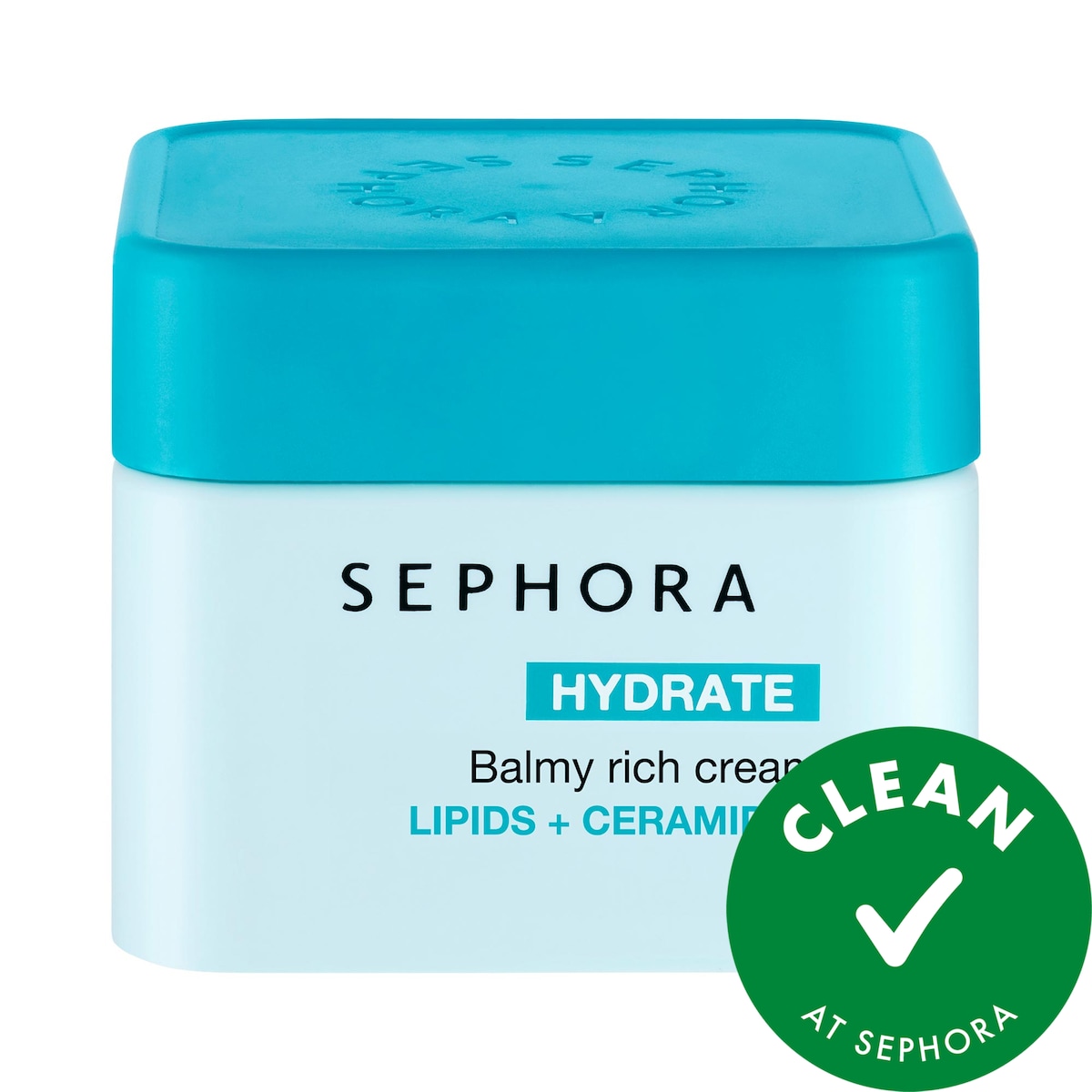
- Moisturize with a gel cream or water cream.
- Use a weekly reset mask only when your pores feel congested.
That is enough for most people.
If your skin feels oily and tight at the same time, pause the strong actives for a few nights and read oily dehydrated skin skincare routine. If your bigger issue is building a whole day-and-night plan, morning and night skincare routine order is the better companion.
The April 2026 routine I would start with
| Image | Step | Product | Best for | How I would use it |
|---|---|---|---|---|
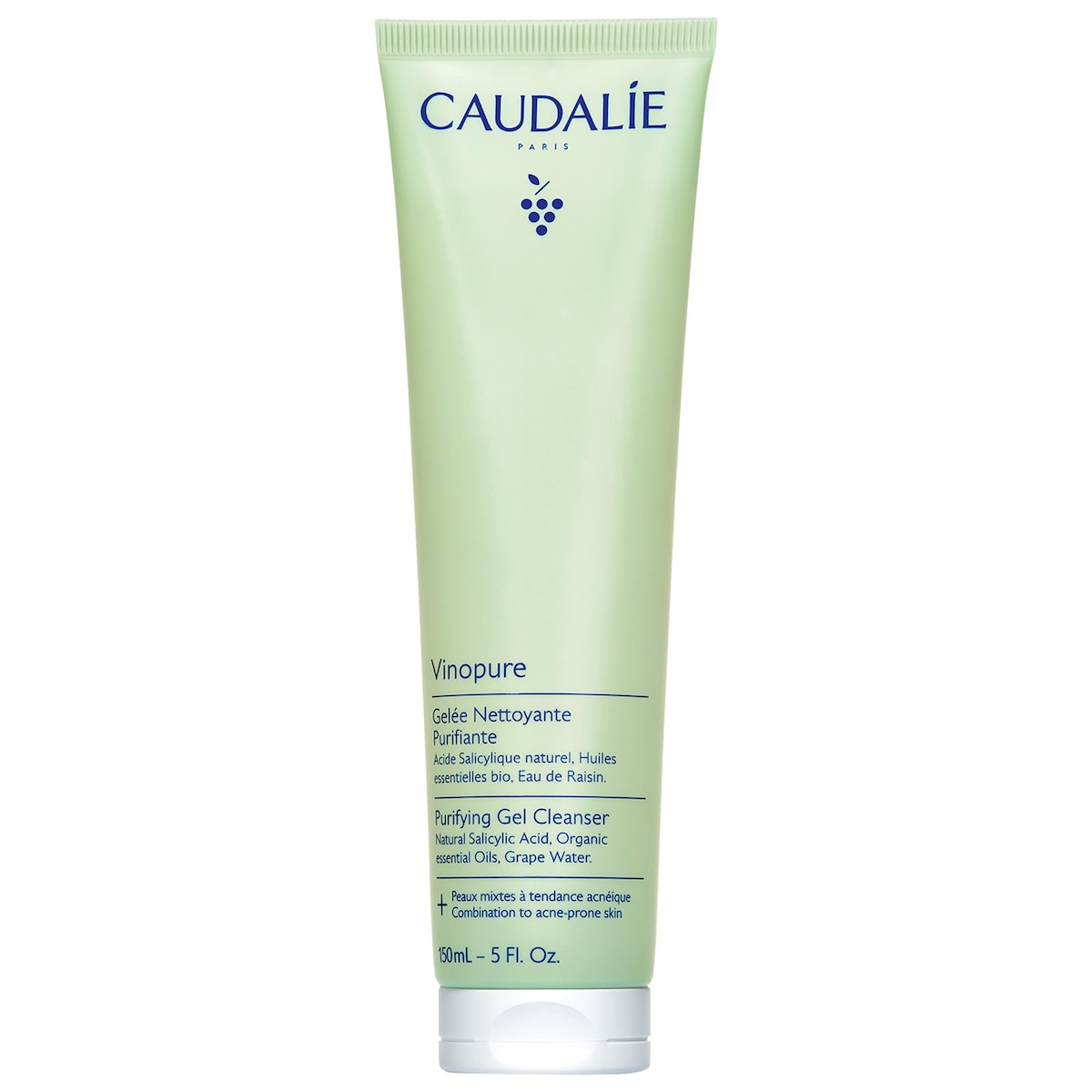
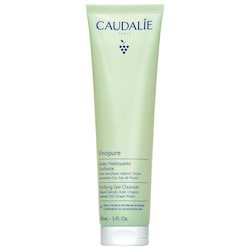 | Cleanse | Caudalie Vinopure Pore Purifying Gel Cleanser | Oily skin that wants a fresher cleanse without a stripped finish | Nightly if it does not leave you tight |
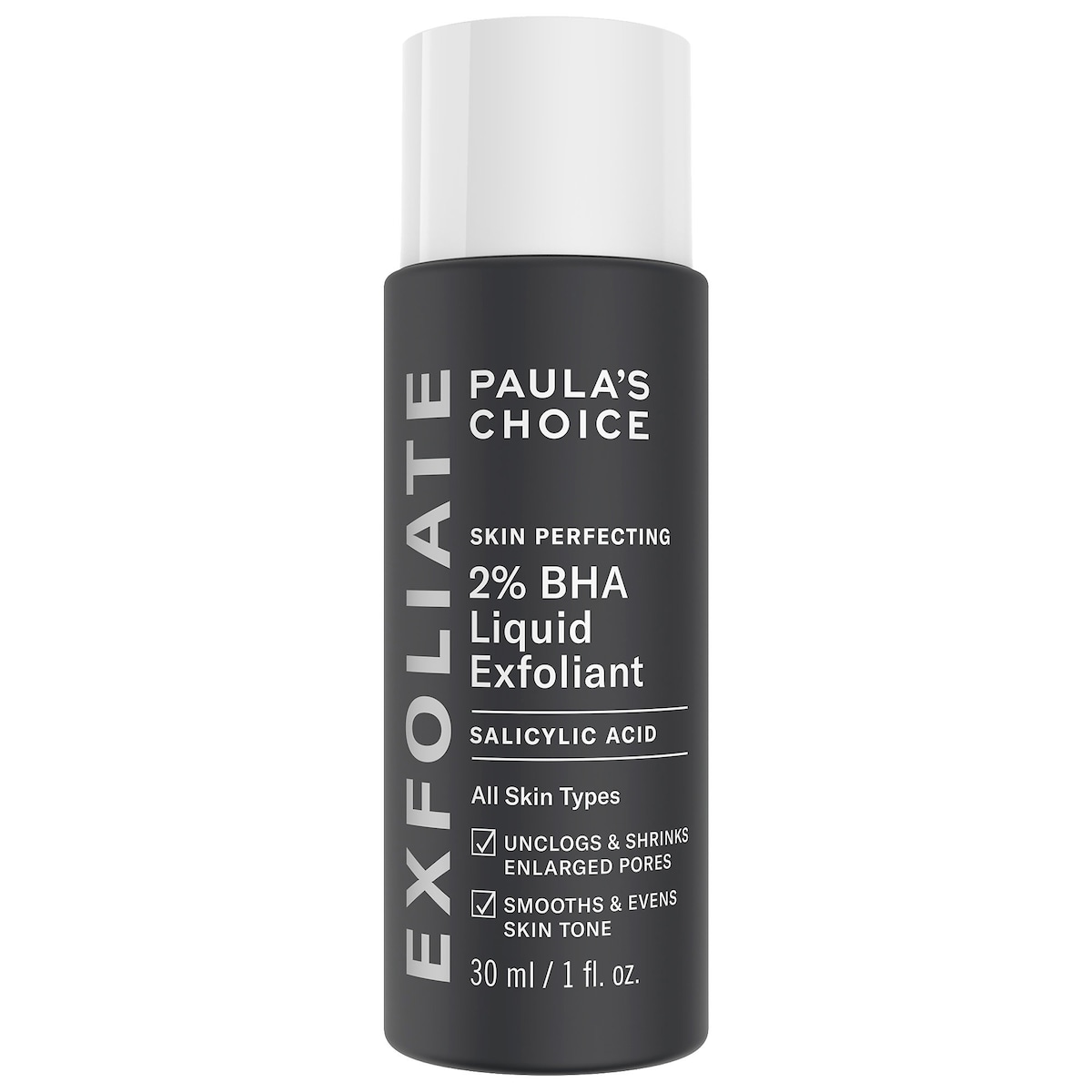
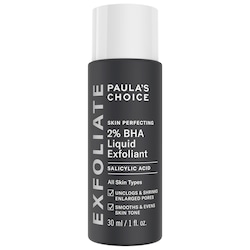 | Treat | Paula's Choice Skin Perfecting 2% BHA Exfoliating Toner | Blackheads, clogged pores, bumpy texture, oily T-zones | Two or three nights a week at first |
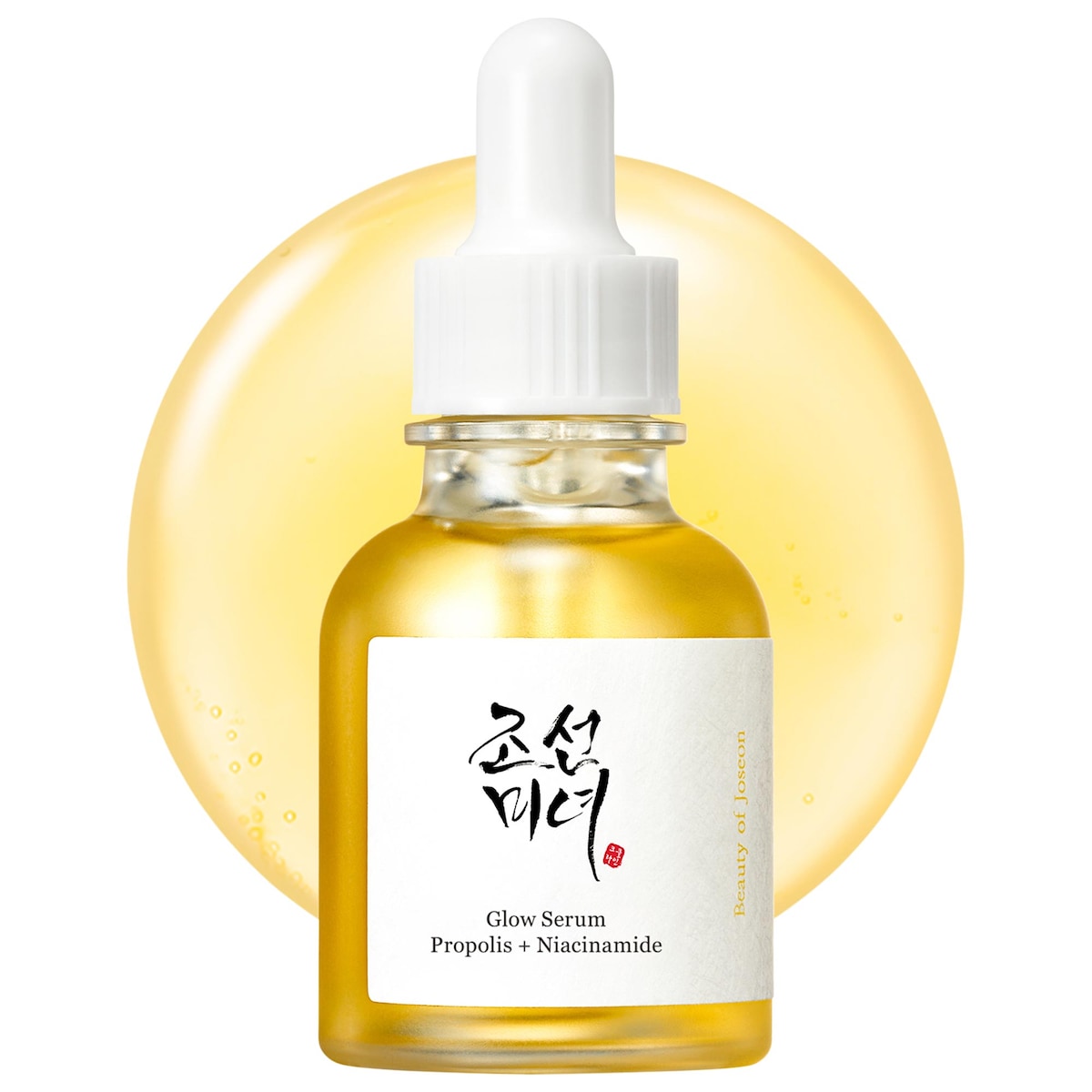
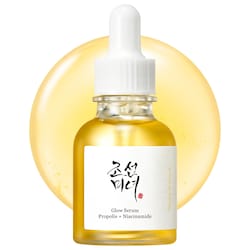 | Balance | Beauty of Joseon Glow Serum for Oil Control with Niacinamide | Oily skin that also looks dull or uneven after breakouts | On non-BHA nights or under moisturizer |
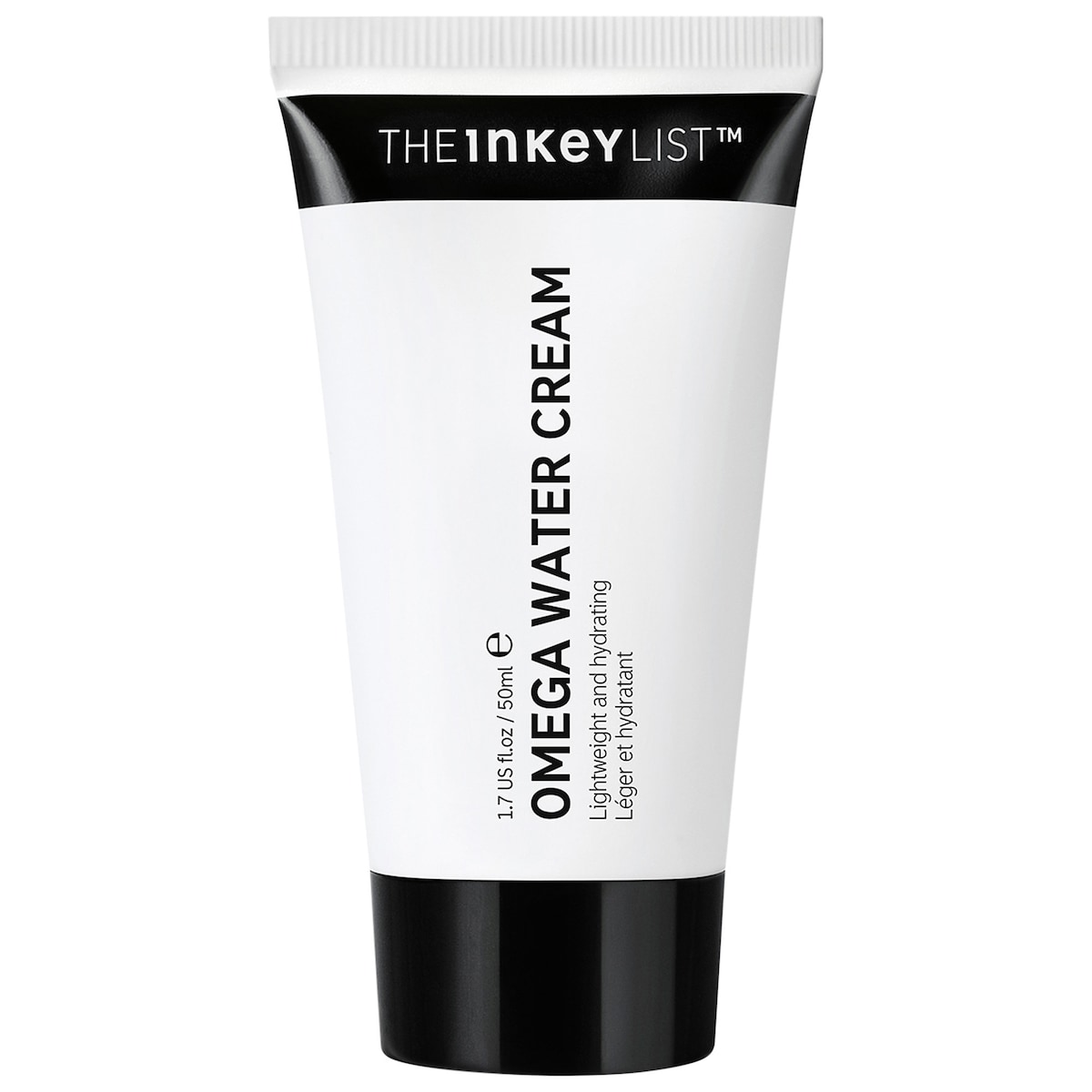
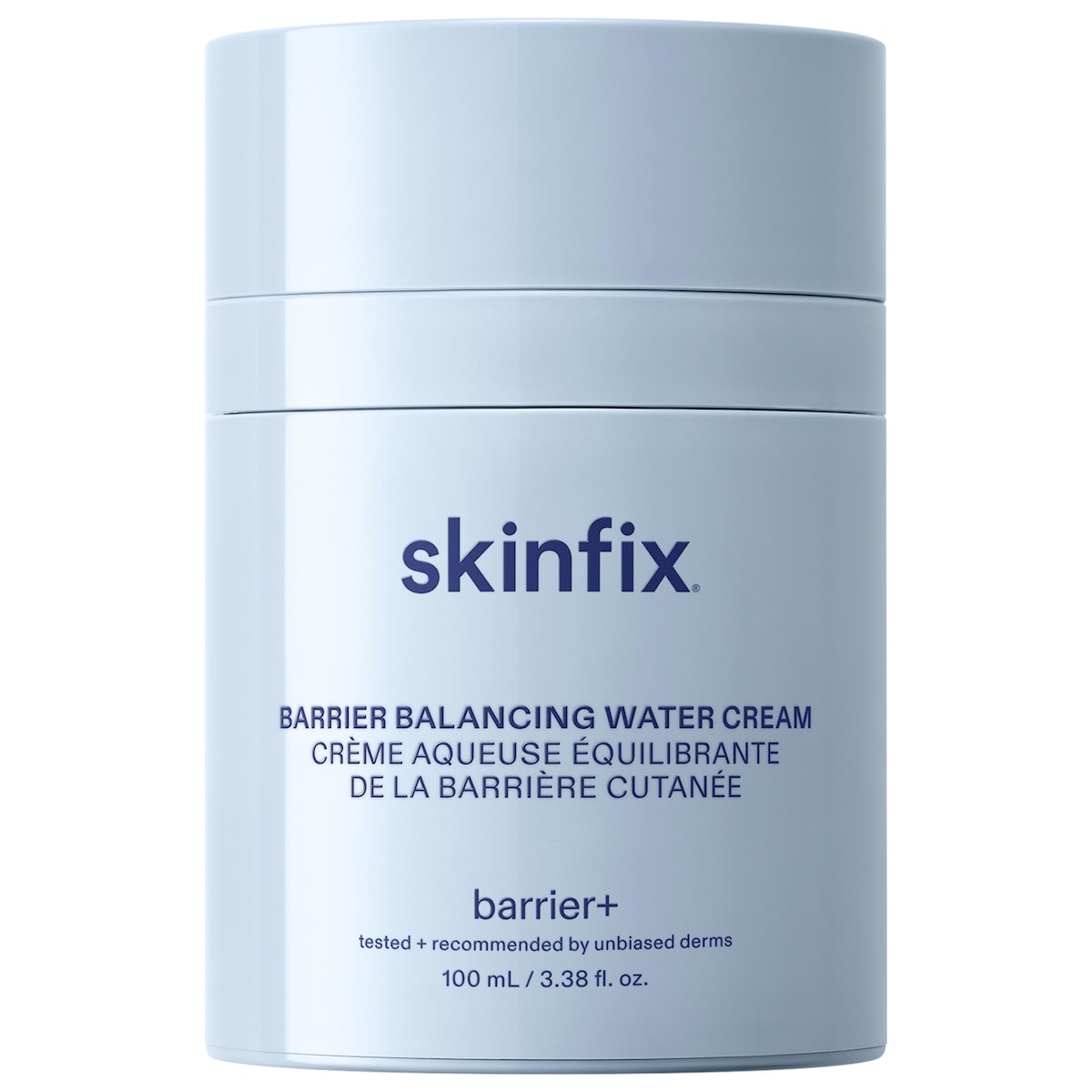
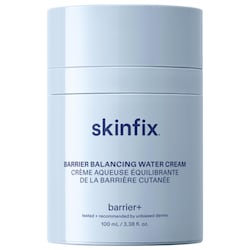 | Moisturize | Skinfix Barrier Balancing Water Cream Moisturizer with Hyaluronic Acid | People who skip moisturizer because every cream feels too heavy | Every night, thin layer |
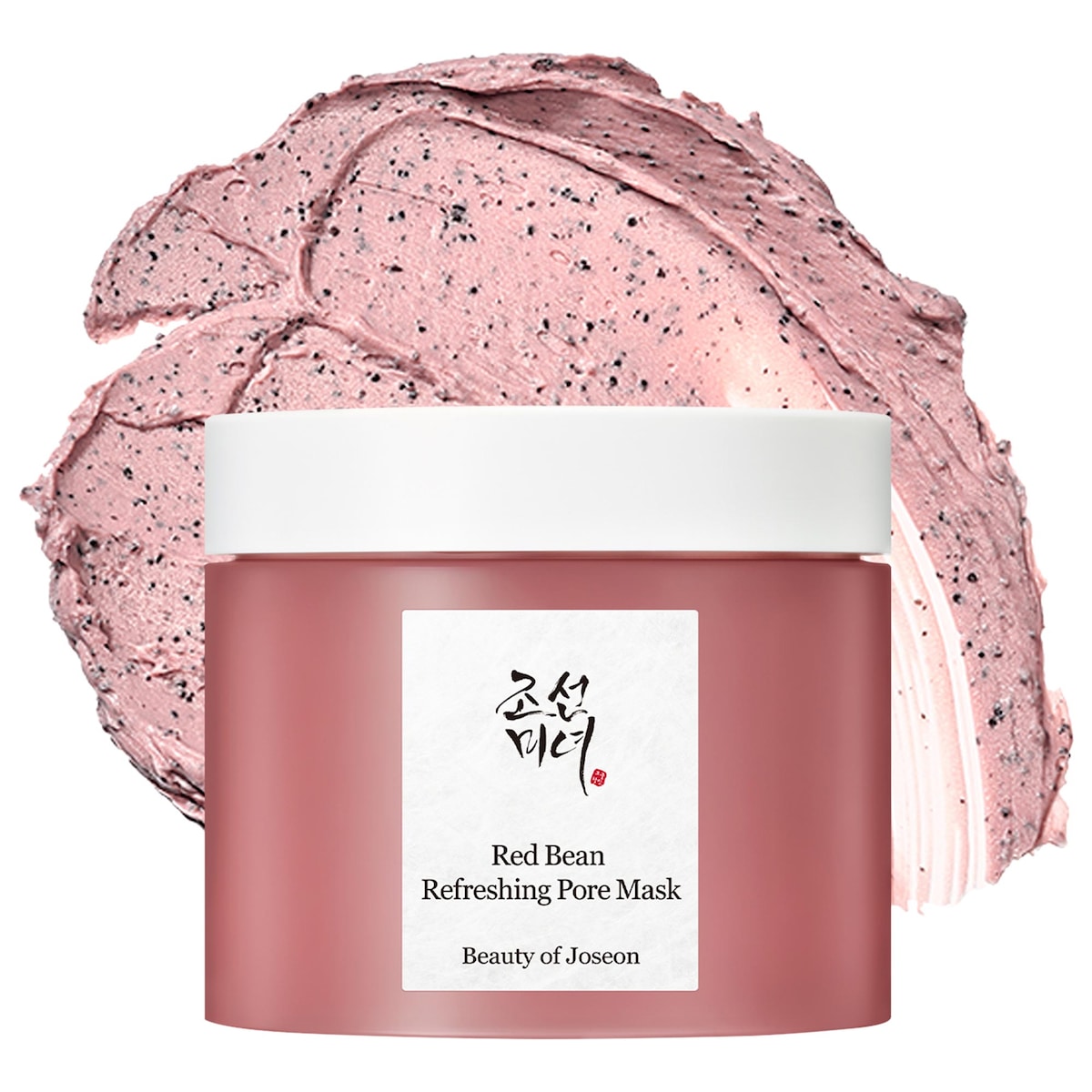
 | Weekly reset | Beauty of Joseon Red Bean Refreshing Pore Mask for Purifying Pore Care | Pores that feel heavy, clogged, or product-loaded by the weekend | Once weekly, not on the same night as BHA |
This is not the only possible oily-skin routine.
It is the one I trust most for someone who wants fewer clogged pores, less morning grease, and a routine that does not punish the skin for producing oil.
The mistake that keeps oily skin greasy
The biggest mistake is over-cleansing.
It feels logical. Your face is oily, so you remove more oil. Your face gets oily again, so you cleanse harder. Then the skin starts feeling tight after washing and slick later, which is the most annoying combination because it makes you feel like you are both dry and greasy.
That is usually when people start layering more products.
I would go the other way.
The American Academy of Dermatology still keeps face washing simple: use a gentle, non-abrasive cleanser, avoid scrubbing, and wash with lukewarm water. That advice sounds basic, but it matters more for oily skin than people think. Oily skin often gets treated like it can tolerate anything. It cannot.
If a cleanser leaves your face tight, shiny, hot, or weirdly smooth in that plastic-wrap way, it is probably too much for nightly use.
Clean skin should feel clean.
Not corrected.
Step 1: Cleanse like you want the rest of the routine to work
Night cleansing matters more for oily skin because the day leaves more on your face than oil.
There is sunscreen. There is sweat. There is pollution. There is makeup if you wear it. There is that film that shows up when SPF, sebum, and the weather all decide to become one texture.
That is why I like a gel cleanser in this routine. Caudalie Vinopure Pore Purifying Gel Cleanser makes sense as the first step because it sits in the pore-purifying lane without turning the whole routine into an acne-treatment routine.
Use it for 30 to 60 seconds. Work it around the nose, chin, hairline, and anywhere sunscreen tends to cling. Then rinse completely.
If you wear heavy sunscreen or makeup, use a gentle first cleanse before this. If you do not, do not force double cleansing just because someone made it sound mandatory. A routine only works if the steps match the day you actually had.
The test is simple: after cleansing, your skin should not beg for moisturizer in the next ten seconds.
Step 2: Use salicylic acid like a tool, not a personality
Salicylic acid is one of the most useful ingredients for oily skin because it is oil-soluble. That means it is especially relevant when the problem is not just surface dullness, but pores that keep feeling full.
But useful does not mean nightly.
This is where people get into trouble. They find something that finally makes the pores look clearer, then they use it every night, then the face starts getting tight, then the shine comes back even louder.
I would start Paula's Choice Skin Perfecting 2% BHA Exfoliating Toner two nights a week.
Not seven.
Two.
If your skin handles that for two weeks, move to three nights. If you get stinging, flaking, burning, unusual redness, or that polished-but-angry look, back down. The goal is clearer pores over time, not a dramatic first week that you spend the next month repairing.
Use BHA on clean, dry skin. Then wait a minute before moisturizer. You do not need to wait half the night. You just need to avoid immediately diluting the step with a wet face and three other serums.
I would skip BHA on the same night as retinoids, strong exfoliating masks, or anything that already makes your skin feel active.
Step 3: Use niacinamide when oil comes with uneven tone
Not every oily-skin routine needs a dedicated serum.
That is worth saying because serums are where routines get crowded fast.
I would add Beauty of Joseon Glow Serum for Oil Control with Niacinamide when the skin is oily and also dealing with one of these:
- post-breakout marks
- dullness
- uneven tone
- pores that look more obvious when the skin is dehydrated
- a T-zone that looks greasy while the rest of the face looks flat
Niacinamide is not a pore eraser. It is not a miracle oil switch. I think of it as a balancing ingredient. It can make sense when the skin feels out of sync rather than simply greasy.
The important part is not stacking niacinamide everywhere.
If your cleanser, serum, moisturizer, and sunscreen all contain niacinamide, your skin may not love one more high-strength layer. More of the same ingredient is not always more progress. Sometimes it is just more chances to get irritated.
Use this serum on non-BHA nights if you are easily irritated. If your skin is resilient, you can use it after BHA, but I would still keep the routine boring around it: treatment, moisturizer, done.
Step 4: Moisturize even if the word makes you suspicious
I understand why oily-skin people skip moisturizer.
Some creams feel like a punishment. They sit on the face. They make the pillowcase feel questionable. They turn an already shiny forehead into a mirror.
But skipping moisturizer at night usually makes the routine less stable.
The better move is to choose a moisturizer that does not fight your skin type. Skinfix Barrier Balancing Water Cream Moisturizer with Hyaluronic Acid is the kind of texture I would look for here: lighter, water-cream style, more compatible with oil-prone skin, and still serious enough to finish the routine.
Use less than you think.
One thin layer is usually better than a thick coat. Press it over the cheeks first, then the forehead and nose last. Oily areas do not always need the same amount of product as the rest of the face.
The job of moisturizer is not to make oily skin feel rich.
The job is to keep the barrier steady enough that your treatment step can work without turning the whole routine into irritation management.
Step 5: Use a weekly pore reset instead of exfoliating every night
Oily skin often wants a reset night.
Not every night.
One night.
That is where Beauty of Joseon Red Bean Refreshing Pore Mask fits. It gives the routine a weekly pore-care outlet without making daily exfoliation carry the entire job.
Use it when:
- your nose and chin feel congested
- your skin looks dull but not irritated
- moisturizer is sitting on top instead of sinking in
- your routine feels product-heavy by the end of the week
Do not use it the same night as your BHA. Do not use it as an apology for wearing heavy makeup. Do not use it because you are bored and want the routine to feel more productive.
That last one is real.
Skincare boredom causes a lot of bad decisions.
My exact oily-skin night routine order
Here is the order I would use most nights:
- Cleanser
- BHA on treatment nights
- Niacinamide serum on balancing nights
- Lightweight moisturizer
And here is the weekly structure I would start with:
| Night | Routine |
|---|---|
| Monday | Cleanser, BHA, moisturizer |
| Tuesday | Cleanser, niacinamide serum, moisturizer |
| Wednesday | Cleanser, moisturizer only |
| Thursday | Cleanser, BHA, moisturizer |
| Friday | Cleanser, niacinamide serum, moisturizer |
| Saturday | Cleanser, weekly pore mask, moisturizer |
| Sunday | Cleanser, moisturizer only |
That schedule looks almost too simple.
That is why I like it.
It gives oily skin treatment without making every night a treatment night. It also gives you two boring nights, which are underrated. Boring nights are when you find out whether your skin is actually improving or just reacting to constant stimulation.
What I would not do with oily skin at night
I would not use a harsh cleanser and then call the tight feeling "clean."
I would not use salicylic acid twice a day just because the skin is very oily.
I would not skip moisturizer and then wonder why every active feels too strong.
I would not add a clay mask, BHA, retinoid, and acne spot treatment on the same night unless a dermatologist specifically told me to.
I would not keep changing the routine every three days. Oily skin can be frustrating because the feedback feels immediate. You see shine and want to react. But constant reacting makes it nearly impossible to know what helped.
Give a routine two to four weeks unless it is clearly irritating you.
If it burns, flakes, or makes your skin feel raw, stop sooner. Consistency is not the same thing as ignoring your face.
If you also get breakouts
Oily skin and acne-prone skin overlap, but they are not the same thing.
If you mostly have shine and occasional clogged pores, this routine may be enough. If you have inflamed acne, painful breakouts, cystic spots, or acne that is leaving marks quickly, treat that as a bigger problem than "oil control."
That might mean benzoyl peroxide, adapalene, prescription treatment, or a dermatologist's plan. It may also mean simplifying the rest of your routine so the treatment has room to work.
The mistake is trying to solve acne by making the entire routine harsh.
Acne treatment should be targeted. The supporting routine should stay calm.
That distinction saves skin.
If you wake up greasy anyway
Do not panic.
Some people simply produce more oil. Hormones, genetics, climate, stress, and medication can all affect how oily your skin feels. A night routine can help, but it cannot turn oily skin into dry skin, and I would not want it to.
If you wake up greasy after building a sane routine, check these before buying another product:
- Are you using too much moisturizer on the T-zone?
- Are you using a cleanser that leaves your skin tight?
- Are you using BHA too often?
- Are you sleeping in a warm room?
- Are you changing pillowcases often enough?
- Are you using heavy hair products that migrate onto your forehead?
The answer is not always another active.
Sometimes it is less product. Sometimes it is better spacing. Sometimes it is accepting that a little oil is normal and focusing on clogged pores, texture, and comfort instead of trying to make skin matte around the clock.
Where Glass helps
This is the part that made routines easier for me conceptually: oily skin needs pattern tracking more than panic tracking.
If you change products every time your face gets shiny, you never get a clean read. Glass helps you keep the routine, products, reminders, and skin scans in one place so you can see whether the same routine is actually improving texture, congestion, and consistency over time.
That matters because oily skin can trick you into short-term thinking.
You see shine tonight. You add something stronger. You wake up tight. You add something richer. You break out. You start over.
A tracker gives you a calmer way to ask what changed, when it changed, and whether the routine is actually getting easier to repeat.
That is the real win.
FAQ
What is the best night skin care routine for oily skin?
The best night skin care routine for oily skin is cleanser, targeted pore treatment a few nights a week, lightweight balancing serum if needed, and a gel or water-cream moisturizer. Keep the routine consistent before adding more products.
Should oily skin use moisturizer at night?
Yes, most oily skin still benefits from moisturizer at night. The key is choosing a lightweight, non-heavy texture and using a thin layer, especially on the T-zone.
Can I use salicylic acid every night?
Some people can, but I would not start there. Begin with two or three nights a week. Increase only if your skin stays comfortable, not tight, flaky, or irritated.
Should I double cleanse oily skin every night?
Double cleanse when you wear heavy sunscreen, makeup, or water-resistant products. If your day was light and your cleanser removes everything comfortably, a single cleanse may be enough.
Why is my oily skin still dehydrated?
Oily skin can lack water while still producing plenty of oil. If your face feels tight after cleansing but shiny later, reduce stripping steps and add lightweight hydration before judging your oil control.
What should I do if my oily skin gets irritated?
Stop exfoliating for a few nights. Use cleanser, a simple moisturizer, and sunscreen in the morning. Restart actives slowly only after the skin feels calm again.