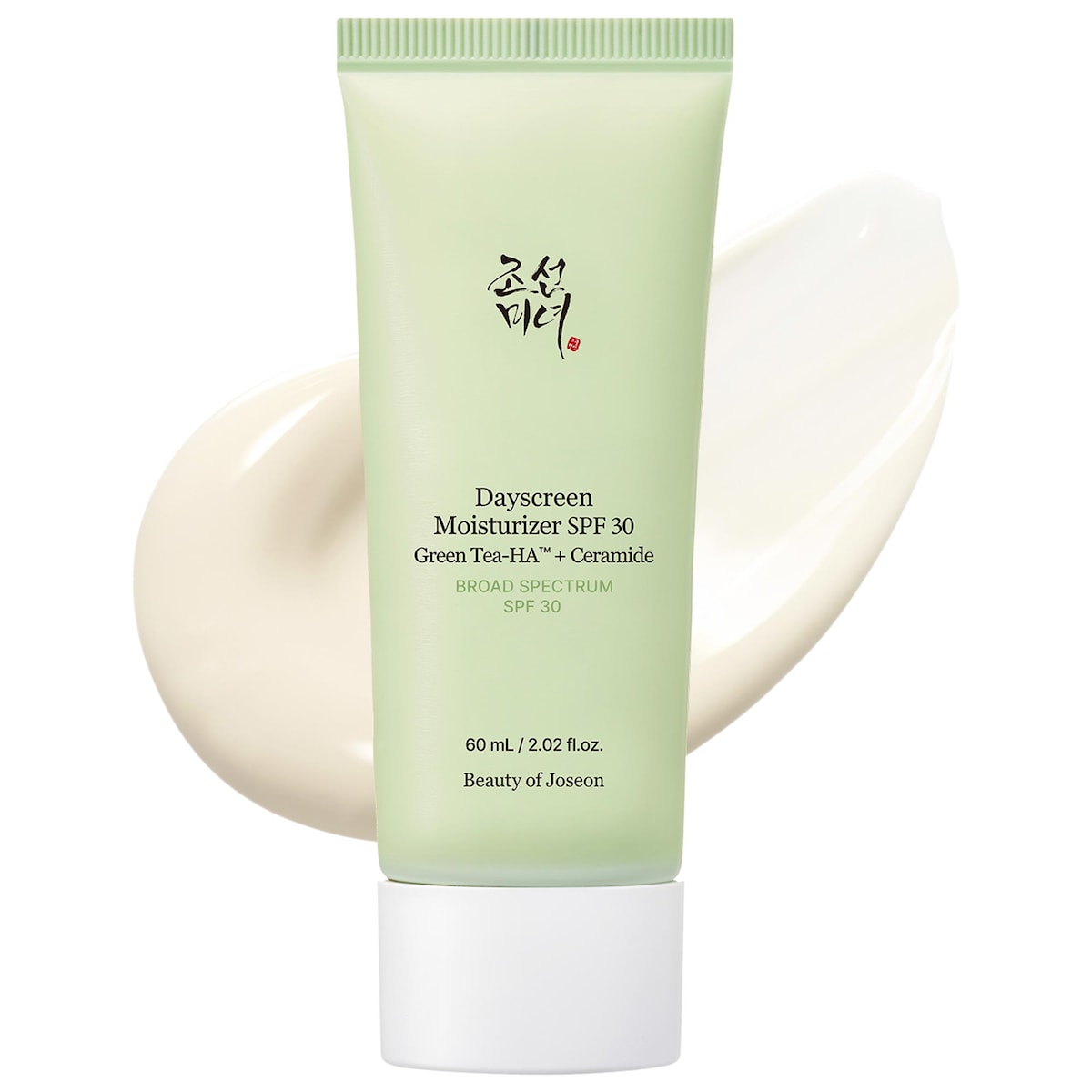
If you search nighttime skincare routine order right now, the current results all circle the same basic advice: cleanse well, use treatment products at night, and finish with moisturizer. That part is right. The problem is that many guides still leave people with the exact pain point they came in with: they know the broad idea, but they still do not know what goes where when their skin is dry, reactive, oily, acne-prone, or new to retinol.
On April 18, 2026, I reviewed the pages currently ranking around this topic, including Doctor Rogers' Dermatologist Nighttime Skincare Routine, Prevention's The Best Nighttime Skincare Routine, According to Dermatologists, Healthline's What Order Should I Follow for My Skin Care Routine?, Clinique's Night Skincare Routine, and Layered Skincare's Complete Skincare Layering Order.
Those pages get a few important things right:
- Night is the best time to focus on removing the day, supporting repair, and using stronger treatments.
- Double cleansing helps if you wear makeup, long-wear sunscreen, or heavier complexion products.
- Retinoids and exfoliating acids work better when they are not stacked carelessly.
- Moisturizer is still necessary, even if your skin gets oily.
What they still tend to miss is routine fit. They usually tell you the textbook order, but not what to do if your retinol keeps irritating you, if your hydrating serum pills under your moisturizer, or if your skin looks shiny but still feels dehydrated. They also rarely separate the core steps from the optional steps, which is how people end up with routines that sound impressive and feel terrible.
This guide is built to be more useful than that. It gives you the cleanest nighttime order, shows where five Sephora-available products actually fit, and explains when to simplify, when to sandwich retinol, and when to stop adding products entirely.
Quick answer
If you want the shortest version first, this is the best default nighttime skincare routine order for most people:
- Remove makeup or water-resistant sunscreen if needed.
- Cleanse with a gentle face wash.
- Apply a hydrating toner or essence.
- Add a hydrating serum if your skin needs one.
- Apply your treatment step, like retinol, on dry skin.
- Finish with moisturizer.
- Add an occlusive only if your skin is dry, irritated, or barrier-damaged.
That is the version most people can actually repeat.
If your skin is currently stinging, peeling, or suddenly angry, do not force yourself through the full lineup. Read skin barrier repair routine: what to do when everything suddenly stings first. The best nighttime routine for irritated skin is usually the one with fewer active steps, not more.
What this guide focuses on
After reviewing the top pages, five problems kept repeating:
- Most pages give one generic order without explaining how to adjust the order for retinol beginners.
- They list every possible step without separating must-have steps from nice-to-have steps.
- They often say "apply from thinnest to thickest" without explaining the real exceptions, especially around retinoids and moisturizer sandwiching.
- They do not spend enough time on the most common pain point of all: a routine that becomes too irritating to keep doing.
- They rarely give specific examples of products that make the routine easier to visualize.
That is why this page keeps the structure tighter, uses real product examples, and includes the "if this happens, do this instead" guidance most people actually need.
Quick product table
| Image | Step | Product | Best for | Why it earns a place |
|---|---|---|---|---|
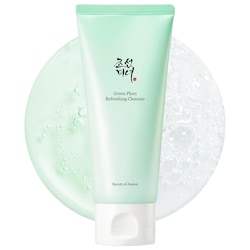 | Cleanse | Beauty of Joseon Green Plum Refreshing Cleanser for Gentle Daily Wash | Anyone whose face feels tight after washing | A clean, non-dramatic first step that does not make the rest of the routine work harder |
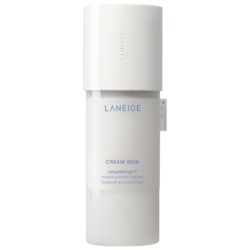 | Hydration prep | LANEIGE Cream Skin Milky Toner with Ceramides & Peptides for Nourishing Hydration | Tight, dehydrated, or easily irritated skin | Adds slip and hydration fast so treatment steps feel less punishing |
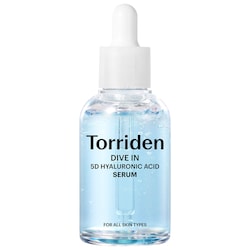 | Hydrating serum | Torriden DIVE IN 5D Hyaluronic Acid Ultra Hydrating Serum for Plump & Glow Skin | People whose skin feels dull from dehydration | Gives you a clear hydration step without turning the routine heavy |
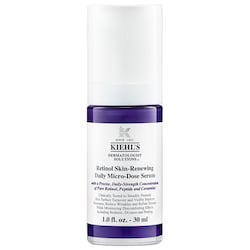 | Treatment | Kiehl's Since 1851 Micro-Dose Anti-Aging Retinol Serum with Ceramides & Peptide | Beginners who want a clearer retinol lane | A good example of a night-only treatment that still fits inside a barrier-aware routine |
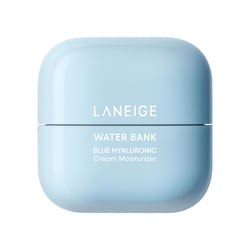 | Moisturize | LANEIGE Water Bank Blue Hyaluronic Cream Moisturizer for Moisture Barrier Repair | Anyone who wants hydration without a suffocating finish | The sealing step that makes the whole routine feel complete instead of sticky |
The nighttime skincare routine order that actually makes sense
The easiest way to understand nighttime order is to stop thinking in terms of "How many products can I fit?" and start thinking in terms of jobs:
- Remove buildup.
- Clean the skin without stripping it.
- Add water back in.
- Use one treatment step with a clear job.
- Seal the routine in.
That is the entire system.
You do not need every optional step every single night. You need the routine to stay calm enough that you can actually keep doing it.
1. Remove makeup and hard-to-break-down sunscreen if needed
This step is not mandatory every night, but it is mandatory on nights when you wore:
- long-wear sunscreen
- foundation or concealer
- waterproof eye makeup
- heavier balm or oil products
If you skip removal on those nights, your cleanser has to do more work, which often leads people to over-cleanse. That is how a routine starts feeling dry before the treatment step even shows up.
If you wore almost nothing all day, you usually do not need to force an oil cleanse. One gentle cleanse is enough.
2. Cleanse with a gentle face wash
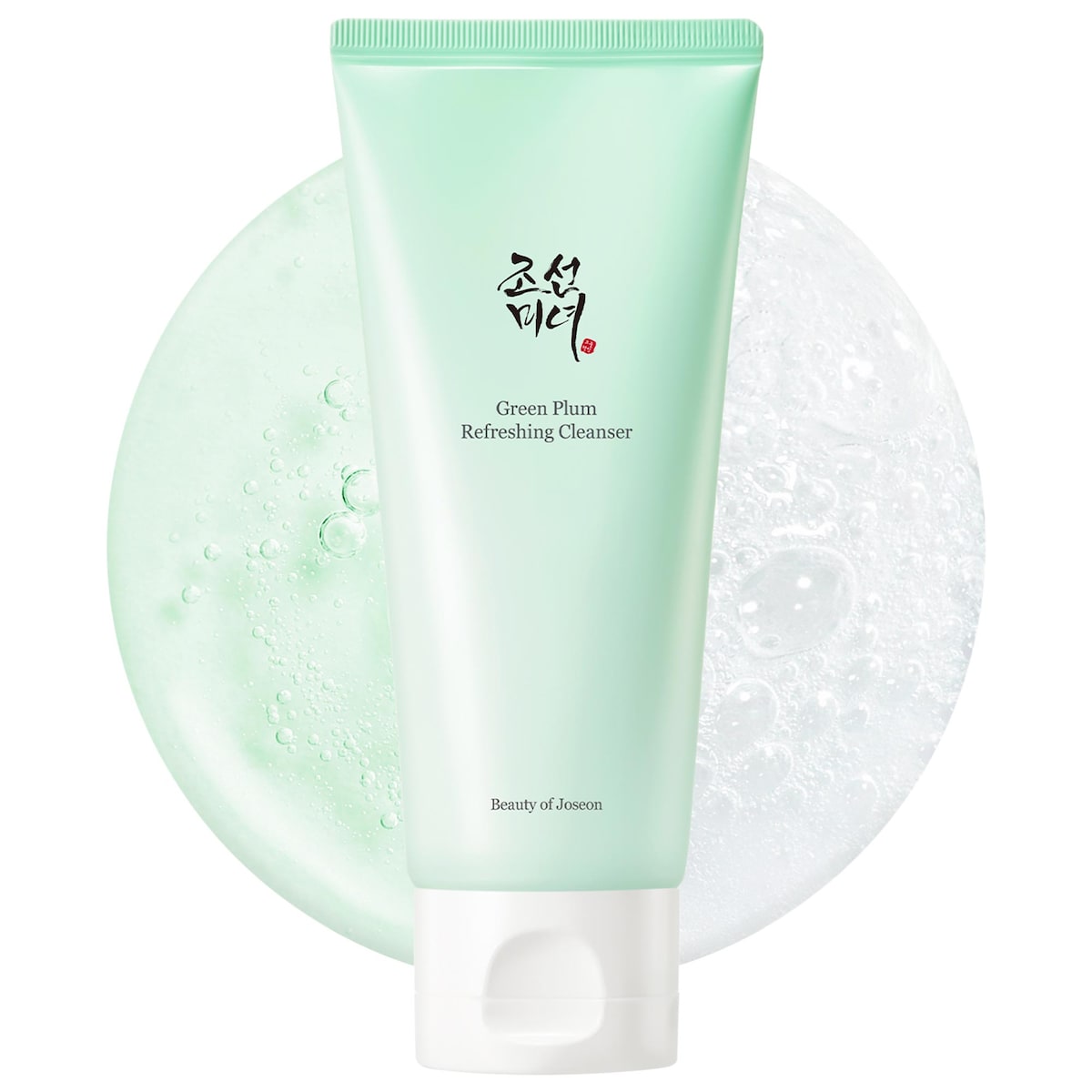
The cleanser step decides whether the rest of the routine feels supportive or punishing.
Beauty of Joseon Green Plum Refreshing Cleanser is the right kind of example here because a nighttime cleanser should not leave your face feeling squeaky, raw, or over-corrected. Your goal is not to erase your skin. Your goal is to give the next steps a clean surface without damaging the barrier.
This is especially important if your nighttime routine includes retinol. A stripped barrier plus retinol is how people end up saying "retinol just does not work for me" when the actual problem was the cleanser-treatment combination.
Use a gentler cleanser lane if:
- your skin feels tight right after rinsing
- you get flaking around the mouth or nose
- your retinol or acids always seem harsher than expected
- your face is oily but still somehow uncomfortable
3. Add a hydrating toner or essence
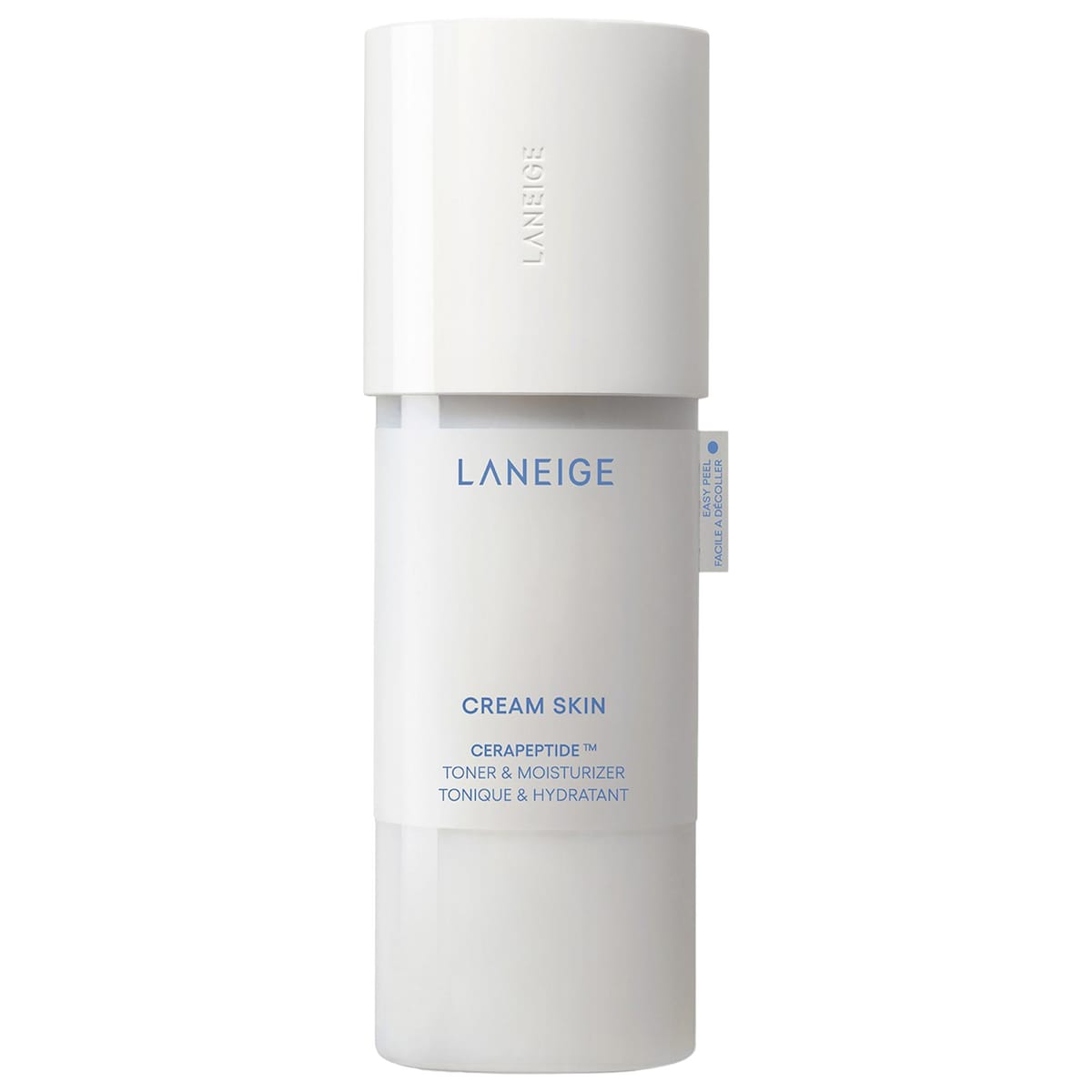
This is the step many people skip, then quietly try to replace with two extra serums and a heavier cream. That usually makes the routine more expensive and less elegant.
LANEIGE Cream Skin Milky Toner makes sense in this slot because it helps the routine feel more hydrated without turning it into a 9-step performance. It is a practical fix for the person whose nighttime routine is technically correct but still leaves their skin looking flat by morning.
Use this step when:
- your skin feels dehydrated even though you already moisturize
- you want treatment products to feel less harsh
- you like a bouncier finish but hate sticky layering
- your skin gets reactive when the routine feels too active
One thin layer is enough for oily skin. Two thin layers can make sense for dry or dehydrated skin.
4. Add a hydrating serum only if your skin needs extra water support
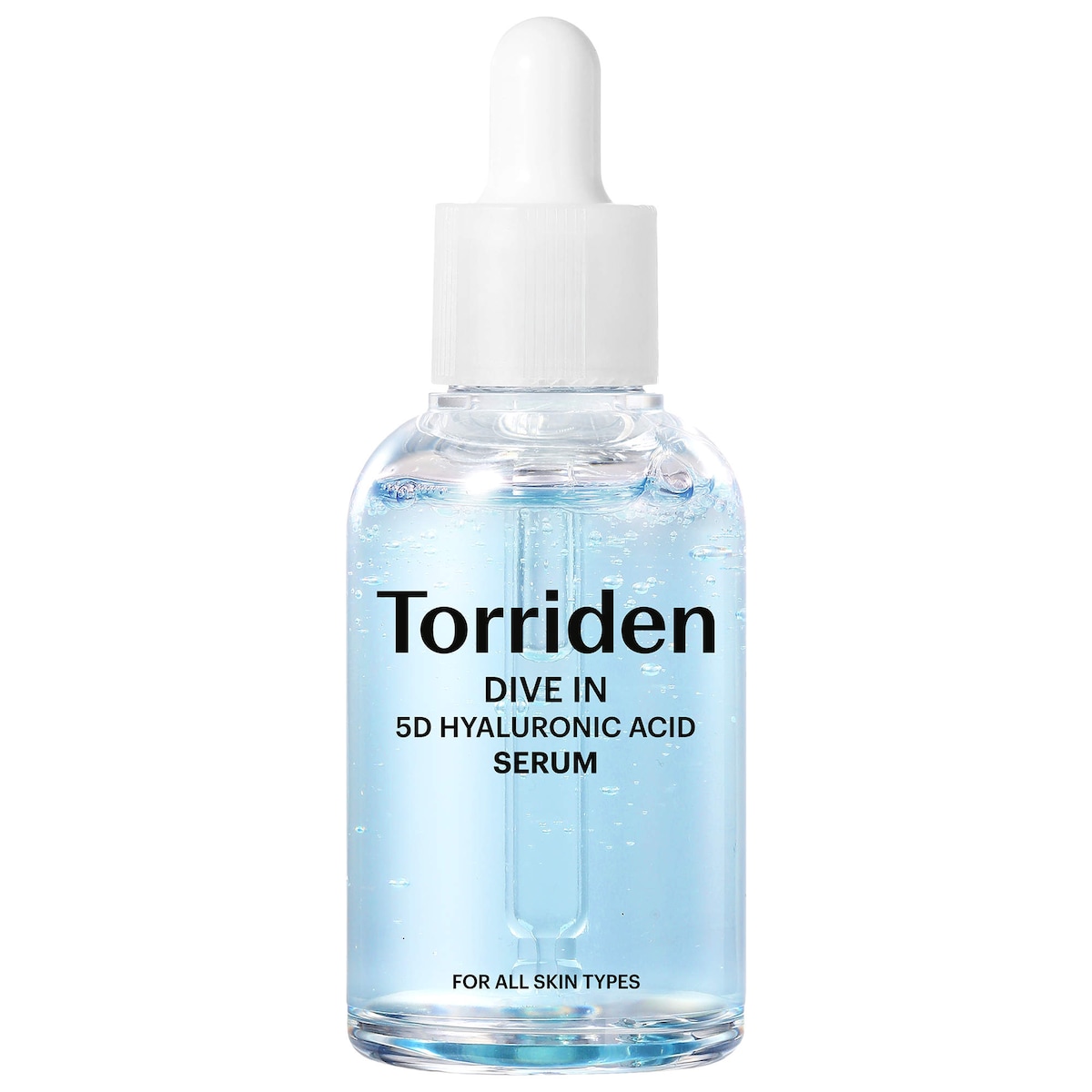
The right way to think about hydrating serum is not "everyone needs this." It is "this step helps when the skin is thirsty enough that toner and moisturizer alone are not getting the job done."
Torriden DIVE IN 5D Hyaluronic Acid Ultra Hydrating Serum is useful because it is a clean example of a hydration-first product. It is not trying to exfoliate, brighten, decongest, and firm all at once. In a nighttime routine, that restraint is helpful.
This is the step to keep if:
- your skin looks dull from dehydration
- you are using retinol and need more cushion in the routine
- your moisturizer feels fine but not quite sufficient
- you want plumper-looking skin by morning
This is the step to skip if:
- your routine already feels sticky or crowded
- your toner and moisturizer already cover hydration well
- your main issue is irritation from too many steps, not lack of moisture
If your whole routine feels cluttered, step back into how to build a skincare routine you will actually follow. Most nighttime routines improve when each step has one obvious job.
5. Apply your treatment step on dry skin
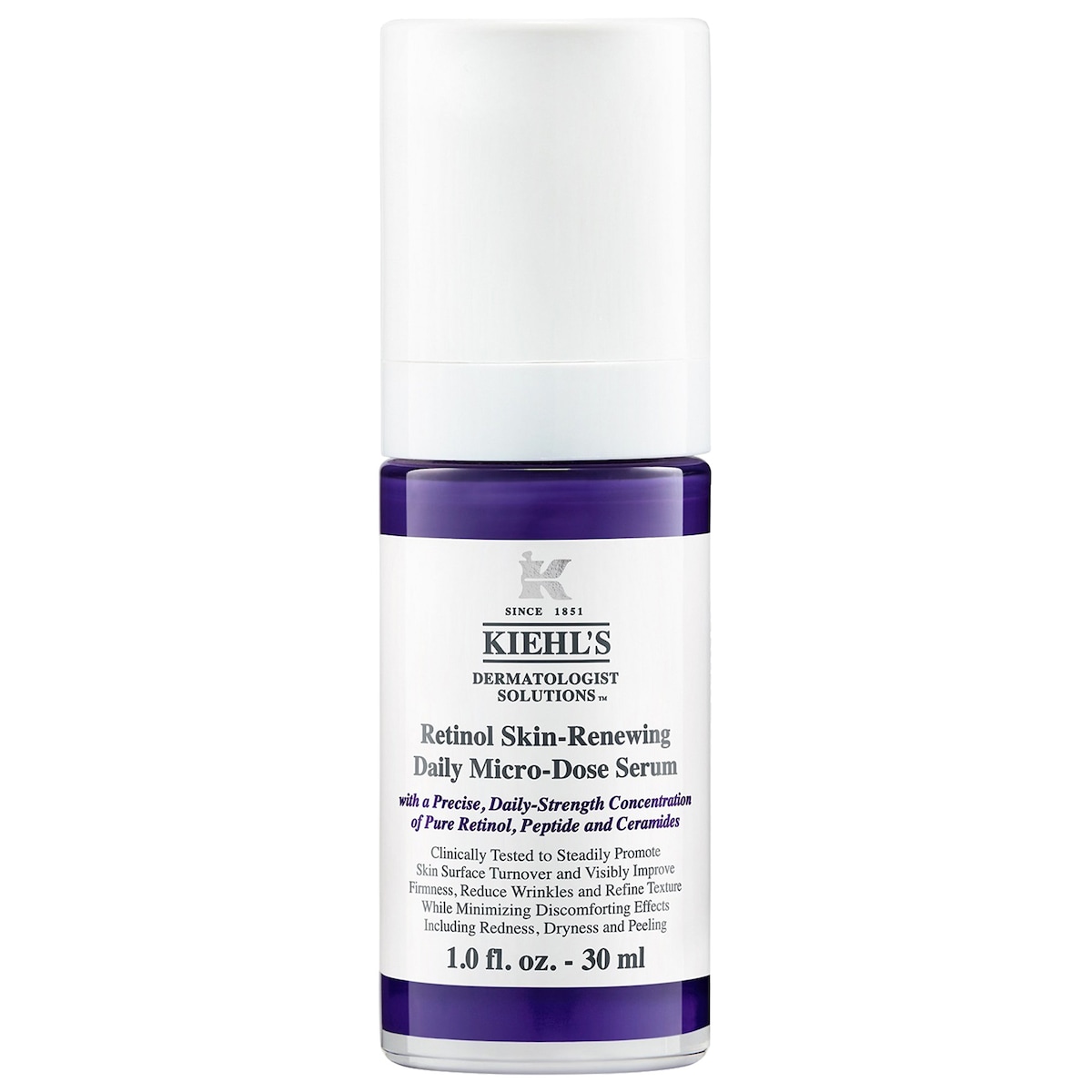
This is the step people care about most, and it is also the step most likely to go wrong.
The cleanest default rule is this: hydration steps first, treatment next, moisturizer last.
That means if you are using retinol, the usual order is:
- cleanse
- hydrating toner or essence
- optional hydrating serum
- retinol
- moisturizer
Kiehl's Micro-Dose Anti-Aging Retinol Serum is a good example of the kind of retinol product that fits into this structure because it is built for a more barrier-aware lane than the old-school "stronger is automatically better" mindset.
Here is where most nighttime routine guides stop, but they should not:
If retinol keeps irritating you, use the sandwich method
Use this order instead:
- cleanse
- hydrating toner or essence
- a thin layer of moisturizer
- retinol
- another layer of moisturizer
That version is slower, but for sensitive skin it is often the difference between "I can stay on this" and "my face hates me."
Do not stack your entire active wardrobe at night
Common mistake:
- retinol
- acid toner
- exfoliating serum
- spot treatment
- peel pad
That is not a better routine. That is just a faster route to irritation.
If retinol is your treatment step tonight, let it be the main character. Save acids for a different night. If you need help spacing those decisions out, the Skincare Routine Order Calculator and Retinol Frequency Calculator are better next steps than buying another serum.
6. Finish with moisturizer
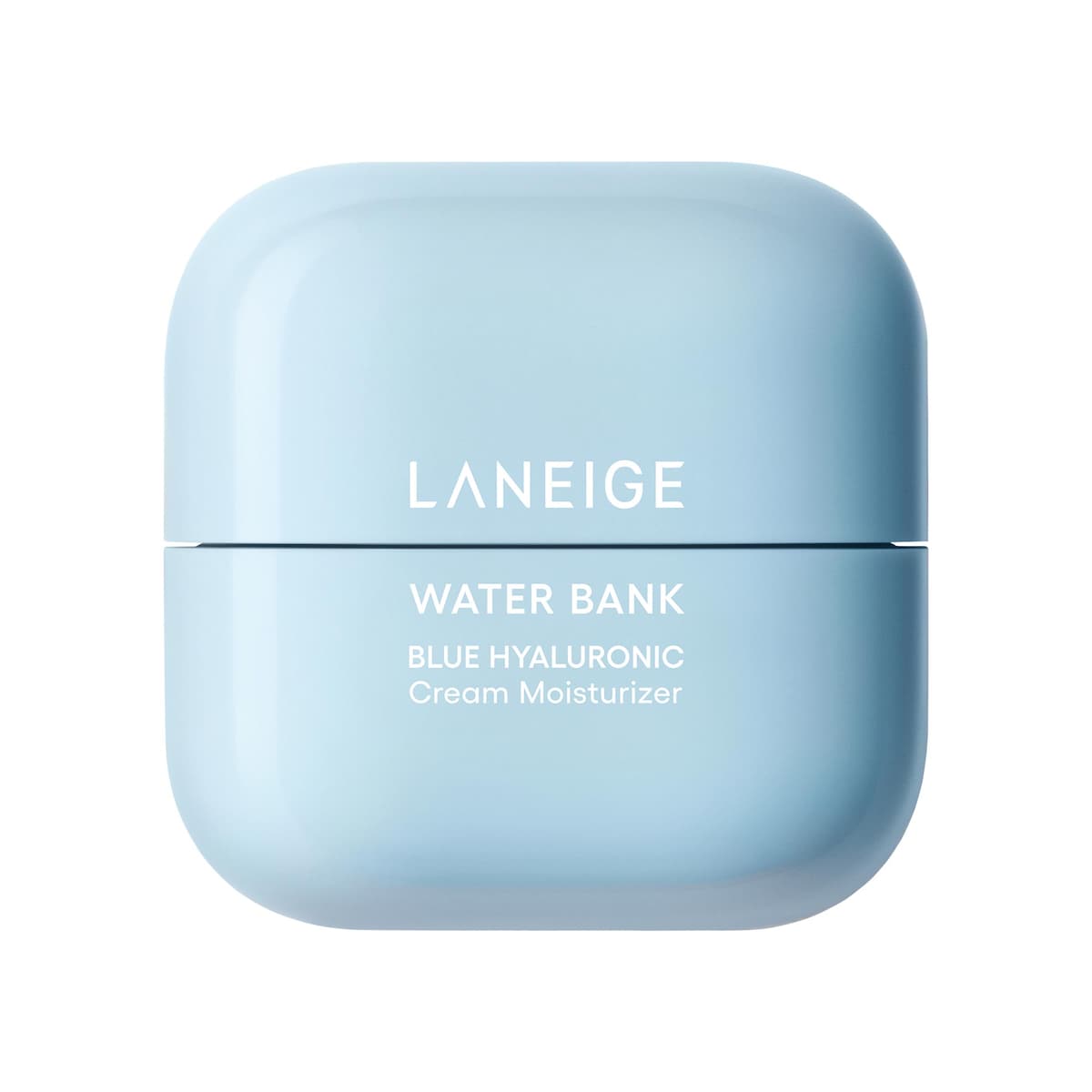
Moisturizer is the step that makes the whole nighttime routine feel finished.
LANEIGE Water Bank Blue Hyaluronic Cream Moisturizer works here because it lands in the middle: hydrating enough to feel like a real final step, but not so heavy that every night turns into slugging by accident.
Moisturizer matters at night because:
- water leaves the skin while you sleep
- retinol and acids can increase the risk of irritation
- a good final layer helps the routine feel calmer by morning
If your skin is oily, you still need a moisturizer. The question is not whether to use one. The question is whether you need a gel-cream, cream, or richer occlusive finish.
If moisturizer choice is still muddy, a glass skin routine for dry skin and niacinamide vs hyaluronic acid for glass skin help clarify whether your skin needs more water, more barrier support, or less activity overall.
The best nighttime order by skin type
| Skin type | Best order adjustment | Biggest mistake to avoid |
|---|---|---|
| Dry or dehydrated | Keep the toner and hydrating serum, then treatment, then moisturizer | Going straight from cleanser to retinol on a compromised barrier |
| Oily | Keep the routine light and consistent instead of skipping moisturizer | Over-cleansing and over-exfoliating because skin looks shiny |
| Sensitive | Use fewer steps and consider the moisturizer sandwich with retinol | Copying an aggressive routine that works for someone else |
| Acne-prone | Keep cleansing solid, use one treatment lane, and avoid stacking too many actives | Treating every breakout with more layers instead of a calmer routine |
The simplest nighttime routine for beginners
If all of this still feels like too much, use this stripped-down version:
- Gentle cleanser
- One treatment or hydrating step
- Moisturizer
That is enough to start.
The people who get the best long-term results are usually not the ones doing the most. They are the ones doing a realistic routine often enough to learn what their skin actually likes.
Common nighttime routine mistakes
Using too many actives in one sitting
More treatment does not automatically mean better treatment.
Confusing dehydration with oiliness
A shiny face can still be dehydrated. If skin feels tight, papery, or suddenly more reactive, the fix is often hydration and barrier support, not more stripping products.
Applying retinol to damp skin when your face is already sensitive
Some people tolerate this. A lot of people do not.
Skipping moisturizer because your skin gets oily
That usually makes the routine less comfortable, not more effective.
Buying products before fixing the routine order
Sometimes the issue is not the serum. It is where you are putting it.
Bottom line
The best nighttime skincare routine order in April 2026 is still the simplest one that matches your skin:
- remove buildup if needed
- cleanse gently
- add hydration
- use one treatment step
- moisturize
If your routine is working, you do not need to complicate it. If your routine keeps failing, the answer is usually not another active. It is usually a calmer order, fewer overlapping steps, and a better match between the routine and your actual skin behavior.
FAQ
What is the correct nighttime skincare routine order?
For most people, the right order is makeup remover if needed, cleanser, hydrating toner or essence, hydrating serum if needed, treatment step such as retinol, and moisturizer.
Does retinol go before or after moisturizer?
Usually retinol goes before moisturizer. If your skin is sensitive or you are new to retinol, using a moisturizer sandwich can make more sense.
Do I need both a toner and a serum at night?
Not always. If your toner already gives enough hydration and your skin feels comfortable, you may not need a separate hydrating serum.
Should I exfoliate and use retinol in the same nighttime routine?
Usually no, especially if your skin is sensitive or you are still building tolerance. Most people do better spacing those steps onto different nights.
Do I need moisturizer at night if I have oily skin?
Yes. Oily skin still needs hydration and barrier support. The better question is which moisturizer texture fits your skin best.