
My skin did not need more products.
It needed a schedule.
For a long time, I treated my morning and night skincare routine like the same routine wearing different clothes. Cleanse, serum, cream, done. Maybe sunscreen in the morning. Maybe retinol at night. Maybe an exfoliant whenever my face looked dull enough to annoy me.
That is how a routine starts feeling messy without looking messy on the shelf.
The products are not always the problem. The order is. The timing is. The fact that one serum is trying to protect your skin at 8 a.m. while another one is trying to resurface it at 10 p.m. matters more than people make it sound.
Once I separated the jobs clearly, my skin felt less irritated, my sunscreen sat better, and my nighttime routine stopped turning into a science project.
The quick split
Morning is for protection.
Night is for repair.
That one sentence fixes most routine confusion. In the morning, I want skin to feel clean, hydrated, comfortable, and protected from the day. At night, I want to remove sunscreen and makeup properly, give treatment products a clean lane, and rebuild comfort before bed.
The basic morning order:
- Cleanse or rinse
- Hydrating toner or essence, if you use one
- Antioxidant or lightweight serum
- Moisturizer
- Sunscreen
The basic night order:
- Cleanse, double cleanse if needed
- Hydrating toner or essence, if you use one
- Treatment serum or retinoid
- Moisturizer
- Balm or oil only if your skin needs sealing
That is the spine. Everything else has to earn its place.
The mistake that kept making my routine feel wrong
I used to ask, "What order do I apply these products?"
That is not a bad question, but it is incomplete. The better question is, "Which products belong in the morning, which belong at night, and which ones are making the whole routine harder to tolerate?"
Vitamin C, niacinamide, hydrating serums, retinoids, exfoliating acids, thick creams, face oils, sunscreen, spot treatments, essences, masks. They can all sound useful. They can also crowd each other out.
The routine got easier when I stopped trying to use everything every day.
If a product made my sunscreen pill, it lost its morning spot. If a product made retinol sting more, it stopped sharing the same night. If a serum only felt good for ten minutes and left my face tight by lunch, I stopped pretending it was enough hydration.
Good skincare order is not just thin to thick. That rule helps, but it is not the whole thing. Good order means every product gets the right time of day, the right neighbors, and enough space to work without turning your face into a negotiation.
A simple May 2026 routine shelf
These are not the only products that can work. They are examples of the kinds of textures and jobs I like when a routine needs to feel clear.
| Image | Time | Product | Job | Why it makes sense |
|---|---|---|---|---|
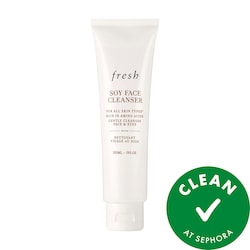 | Morning or night | fresh Soy Hydrating Gentle Face Cleanser | Gentle cleanse | A soft start when your face does not need to feel squeaky to feel clean |
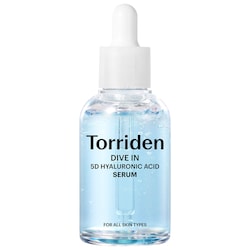 | Morning or night | Torriden DIVE IN 5D Hyaluronic Acid Ultra Hydrating Serum | Hydration | Helps skin look less flat without making the routine greasy |
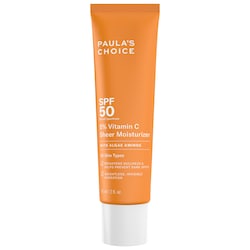 | Morning | Paula's Choice 5% Vitamin C Sheer Facial Moisturizer SPF 50 | Brightening SPF step | Useful when you want the morning routine to do more with fewer layers |
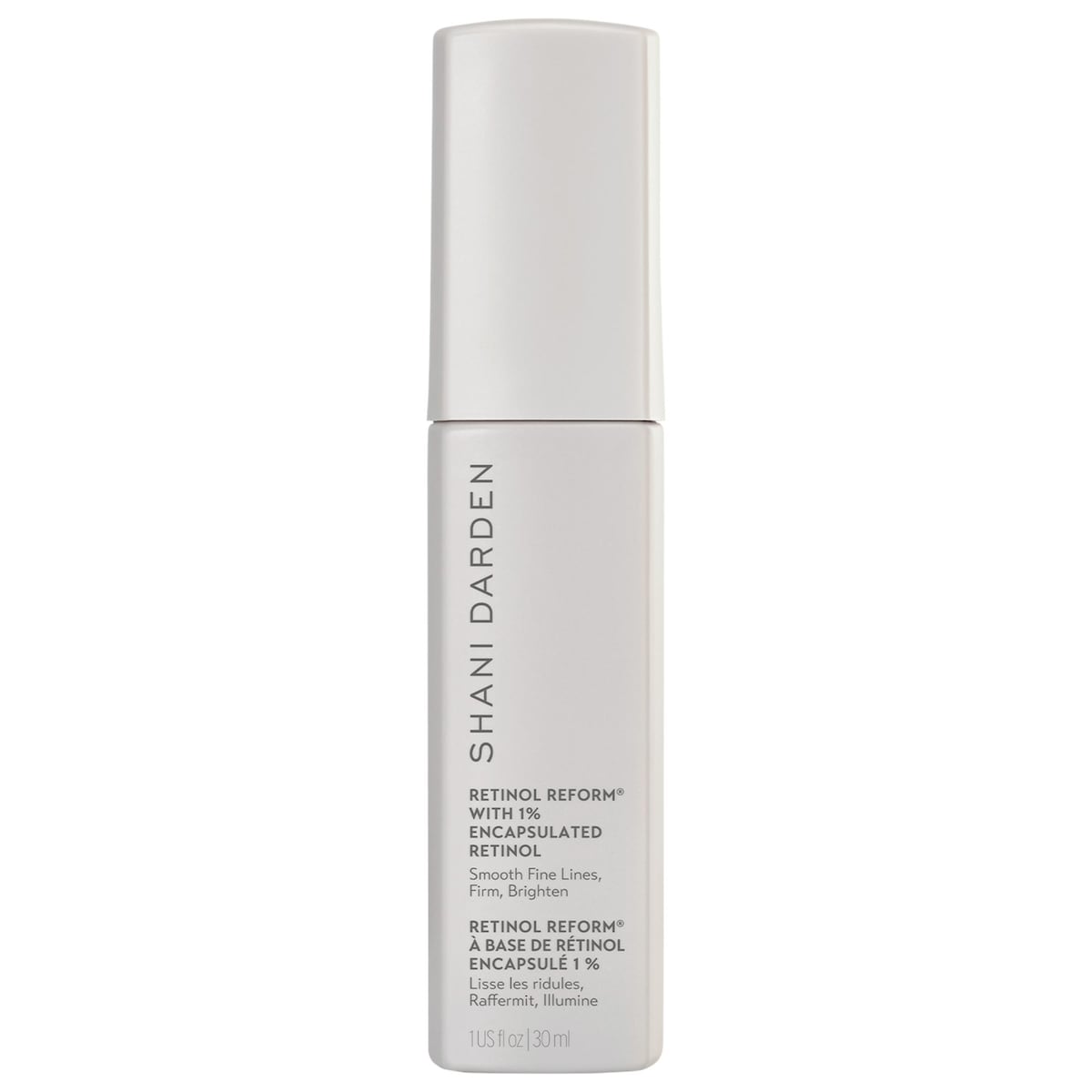
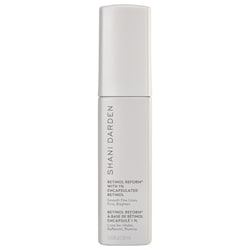 | Night | Shani Darden Retinol Reform with 1% Encapsulated Retinol | Retinol treatment | Better treated as a dedicated night step, not something to squeeze into a crowded routine |
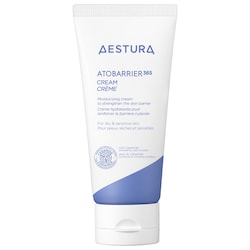 | Night | AESTURA ATOBARRIER365 Cream Moisturizer | Barrier support | The kind of cream that makes active nights feel less reckless |
Morning routine order: keep it wearable
Morning skincare has to survive real life.
It has to sit under sunscreen. It has to sit under makeup if you wear it. It has to get you out the door without leaving your face sticky, shiny in the wrong way, or covered in little product crumbs by 10 a.m.
That is why I keep the morning routine lighter than the night routine.
Step 1: cleanse only if your skin actually needs it
Some skin loves a morning cleanse. Some skin does better with a rinse.
If you wake up oily, sweaty, or coated from a heavy night cream, use a gentle cleanser. If your skin is dry, reactive, or tight in the morning, a water rinse can be enough. The goal is not to prove discipline. The goal is to start the routine without stripping the skin before the day begins.
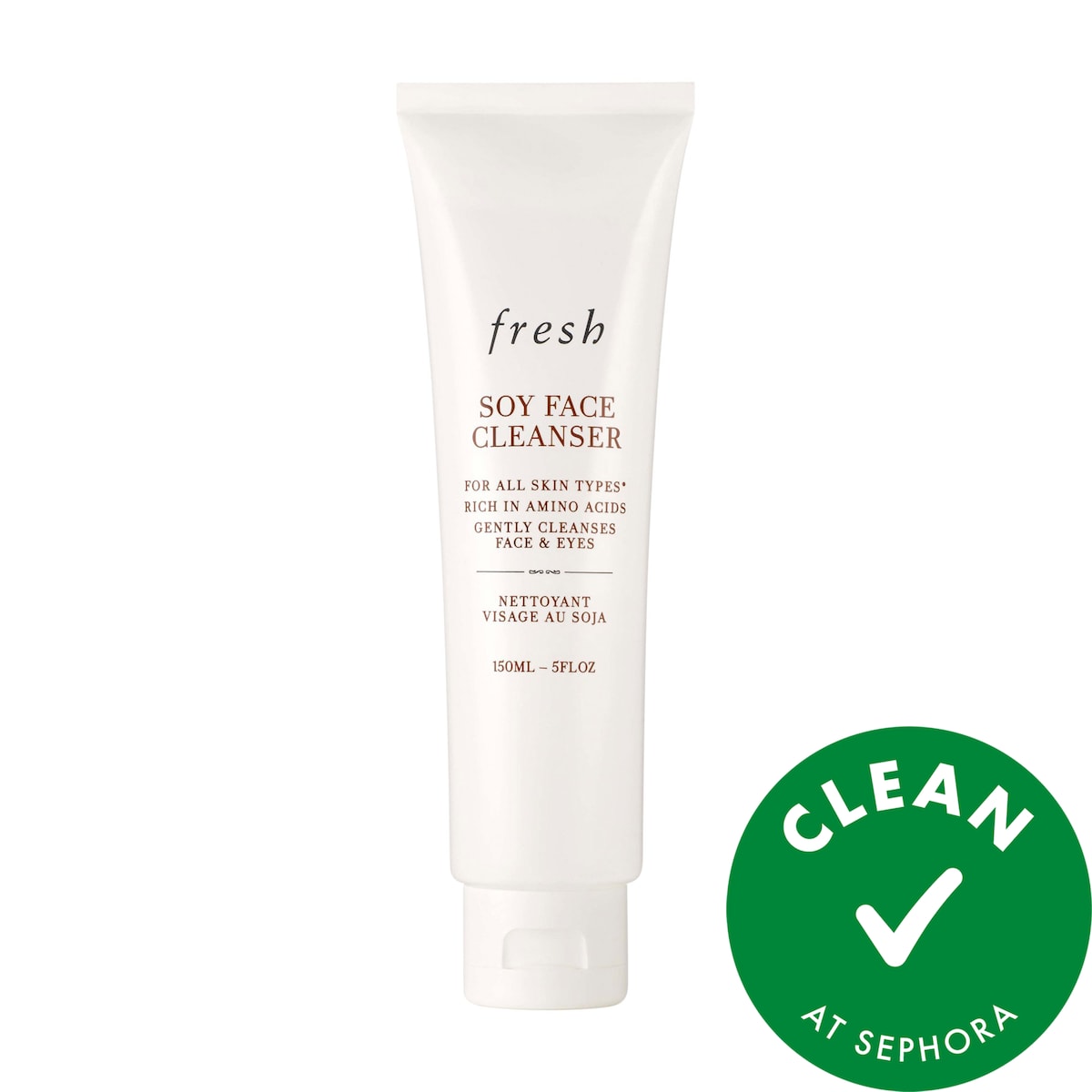
I like a cleanser in this lane to feel boring in the best way. It should remove what needs removing and then get out of the room. If your cleanser leaves your skin tight, your moisturizer and sunscreen have to spend the rest of the morning apologizing for it.
For oily skin, a light gel cleanse can make sunscreen apply more evenly. For dry skin, over-cleansing can make sunscreen cling to patches. That is why the first step is not automatic. It is a read of your face that morning.
Step 2: use hydration before treatment if your skin feels flat
Hydration is the step people skip when they are in a hurry, then they wonder why every active feels sharper than it should.
A thin hydrating serum or essence can make the rest of the routine behave better. It gives moisturizer something to seal in. It helps dry areas look less creased. It can also keep a morning vitamin C or niacinamide step from feeling like it landed on bare, thirsty skin.
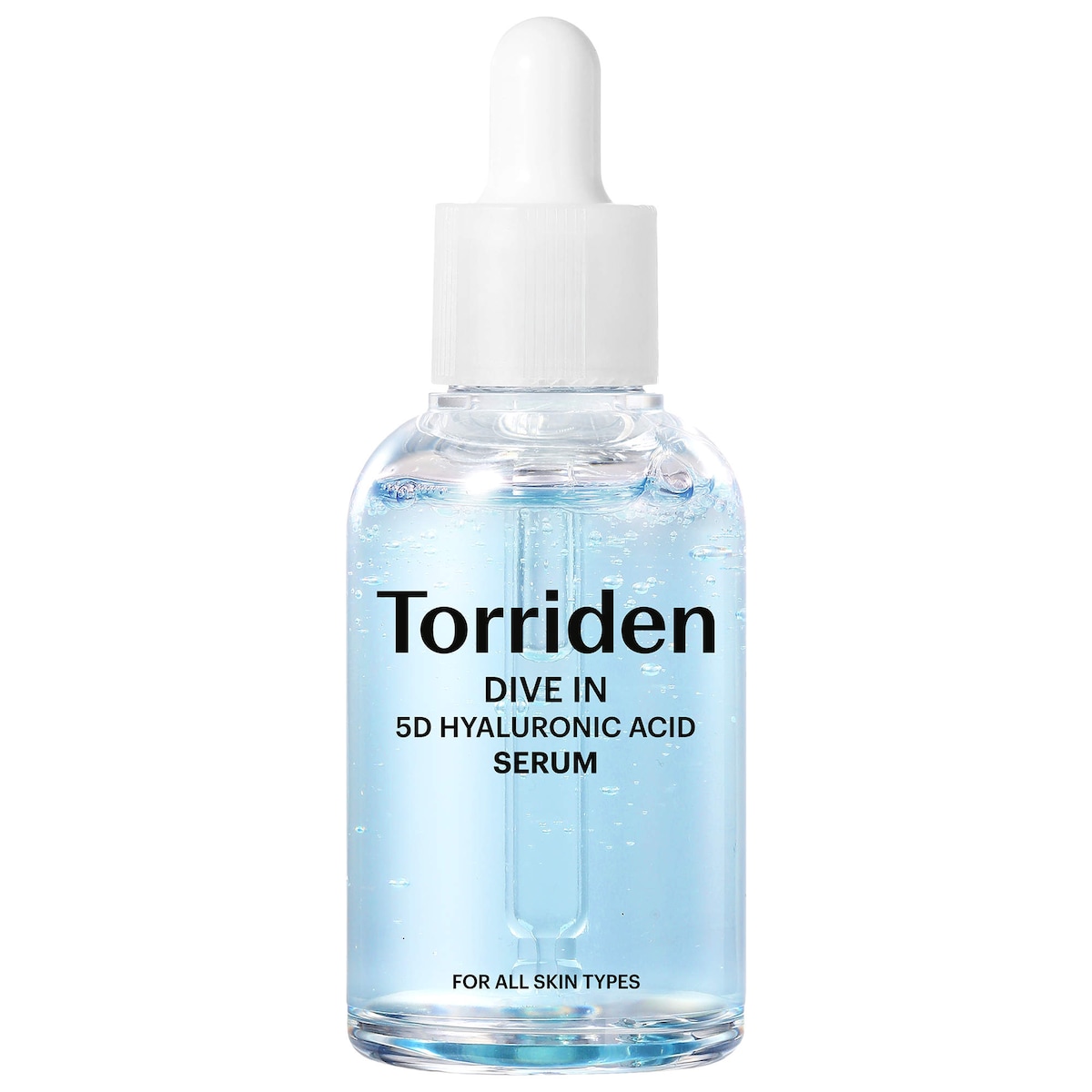
I do not think everyone needs toner, essence, mist, serum, and ampoule. That is where routines become expensive fog. Pick one hydration layer if your skin benefits from it. Use it while skin is slightly damp. Then move on.
If your face feels tight even after moisturizer, this step is often more useful than buying a heavier cream immediately. Sometimes the skin does not need more weight. It needs water first.
Step 3: choose one morning active
This is where most morning routines get crowded.
Vitamin C, niacinamide, peptides, azelaic acid, hyaluronic acid, brightening serums, pore serums. They all sound reasonable. Together, they can make sunscreen roll, sting, or look uneven.
My rule is simple: one main morning active.
If your concern is dullness or uneven tone, vitamin C makes sense. If your concern is oil and visible pores, niacinamide may be the easier daily step. If your skin is reactive, skip the performance serum and keep hydration plus sunscreen consistent for a few weeks.
The morning active should not make you dread sunscreen. If it does, it is failing the morning routine even if it looks good on paper.
Step 4: moisturize based on skin type, not habit
Moisturizer is not always the same size step for everyone in the morning.
Dry skin usually needs it. Sensitive skin often needs it. Oily skin might need a light layer, or it might get enough comfort from a hydrating sunscreen. Combination skin may need moisturizer only on the cheeks and not through the center of the face.
That last point changed a lot for me. I used to apply every product everywhere because it felt tidy. My skin is not tidy. Most faces are not. If your cheeks feel tight and your T-zone gets greasy, you do not need to treat both zones like they have the same complaint.
Use moisturizer where it helps. Use less where it causes problems.
Step 5: sunscreen goes last
Sunscreen is the final skincare step in the morning.
Not first. Not mixed into moisturizer in your palm. Not applied before a serum because you forgot the order and hoped it would all settle.
It goes last because it needs to form an even protective layer. If you put a serum, oil, primer, or heavy cream on top afterward, you can disturb the finish and make the sunscreen less even on the face.
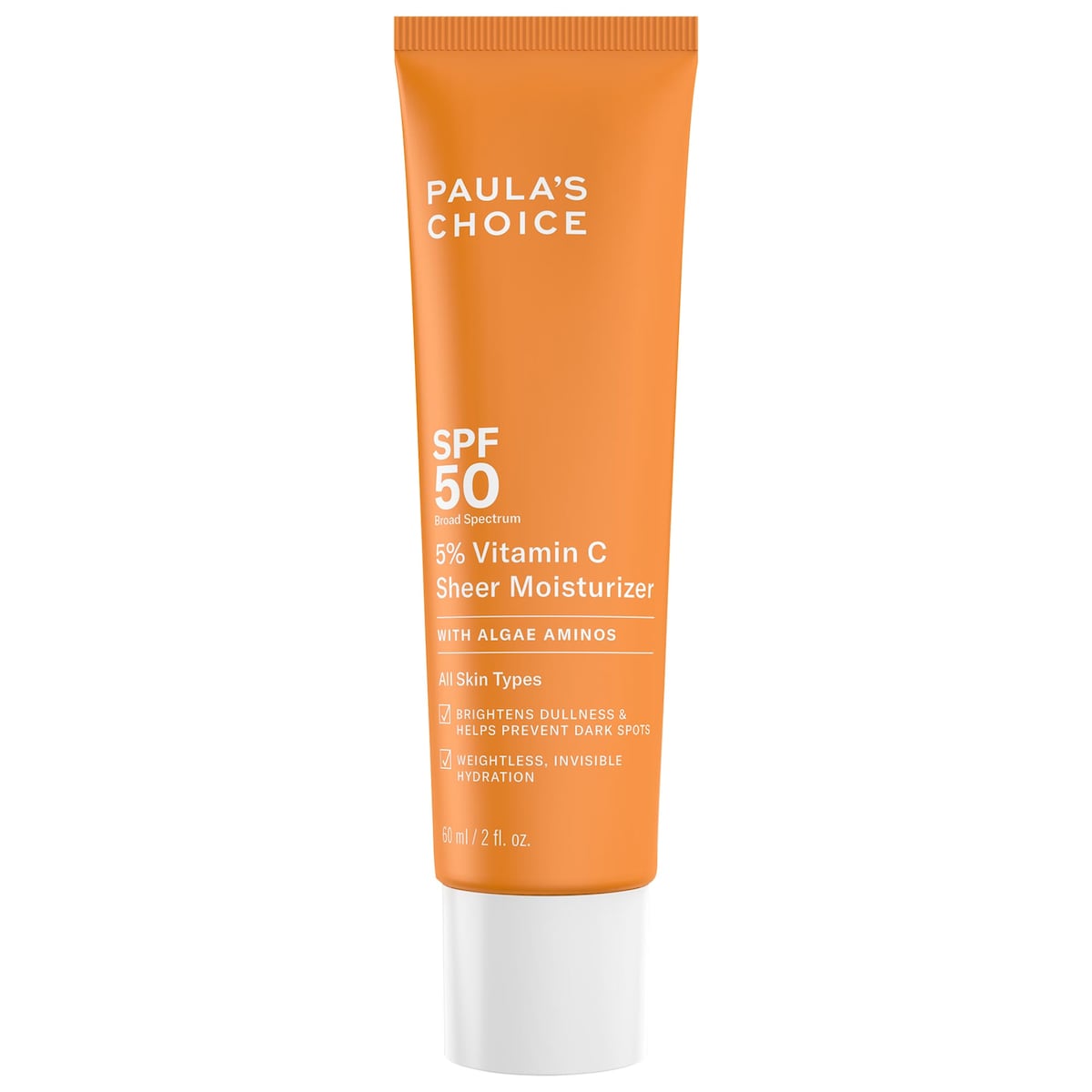
The best sunscreen is the one you can apply generously and repeat. If a sunscreen is technically elegant but you use half the amount because it feels awful, it is not elegant for your life.
I prefer morning routines that leave enough room for SPF to feel good. That usually means fewer layers underneath, a moisturizer that is not too slick, and a few minutes before makeup when possible.
If sunscreen keeps pilling, do not blame your face first. Look at the stack underneath it.
Night routine order: remove, treat, rebuild
Night is where the routine can do more work.
But more work does not mean more chaos.
The best night routine is the one that removes the day cleanly, uses treatment products deliberately, and gives your skin enough support to wake up calm. If you wake up shiny, tight, flaky, and annoyed, the night routine is not working just because it had strong ingredients in it.
Step 1: cleanse like you actually wore sunscreen
If you wore sunscreen, makeup, or a water-resistant product, your night cleanse matters.
Some nights a single cleanser is enough. Other nights, especially with makeup or heavy SPF, double cleansing makes more sense: balm or oil first, gentle cleanser second. The first cleanse breaks down the film. The second cleanse clears the skin without making it feel punished.
This is not about making cleansing dramatic. It is about giving your treatment step a clean surface. Retinol over half-removed sunscreen and makeup is not a flex. It is just messy.
If your skin is dry, keep both cleanse steps gentle. If your skin is oily, do not turn the second cleanse into a stripping event. Oiliness and dehydration can exist together, and a harsh cleanse can make both feel worse.
Step 2: decide whether tonight is a treatment night
Every night does not need to be an active night.
That is probably the biggest thing I wish I had accepted earlier. I used to treat off nights like wasted nights. Now I think of them as maintenance nights. Skin needs those.
A treatment night might include retinol, an exfoliating acid, a pigment-focused serum, or an acne treatment. A recovery night might include hydration, moisturizer, and nothing impressive.
Both can be productive.
The mistake is stacking strong products because they all sound good separately. Retinol plus exfoliating acid plus spot treatment plus a strong brightening serum is how a routine turns from helpful to hostile.
Pick the job for the night.
Step 3: use retinol like a step, not a dare
Retinol belongs at night for most routines.
It also deserves patience. Start slowly. Use a small amount. Do not apply it to irritated skin just because the calendar says tonight is retinol night. If your moisturizer stings, your skin is already telling you something.
The cleaner retinol order is:
- Cleanse
- Let skin dry if your retinol tends to irritate
- Apply retinol
- Moisturize
If you are sensitive, use the sandwich method:
- Moisturizer
- Retinol
- Moisturizer again
That is not cheating. It is making the routine livable. A routine that irritates you into quitting is not stronger than one you can repeat.
Step 4: moisturize more seriously at night
Night moisturizer has a different job than morning moisturizer.
Morning moisturizer has to sit well under sunscreen. Night moisturizer can be more generous. It can be richer, calmer, and less concerned with whether foundation will glide over it.
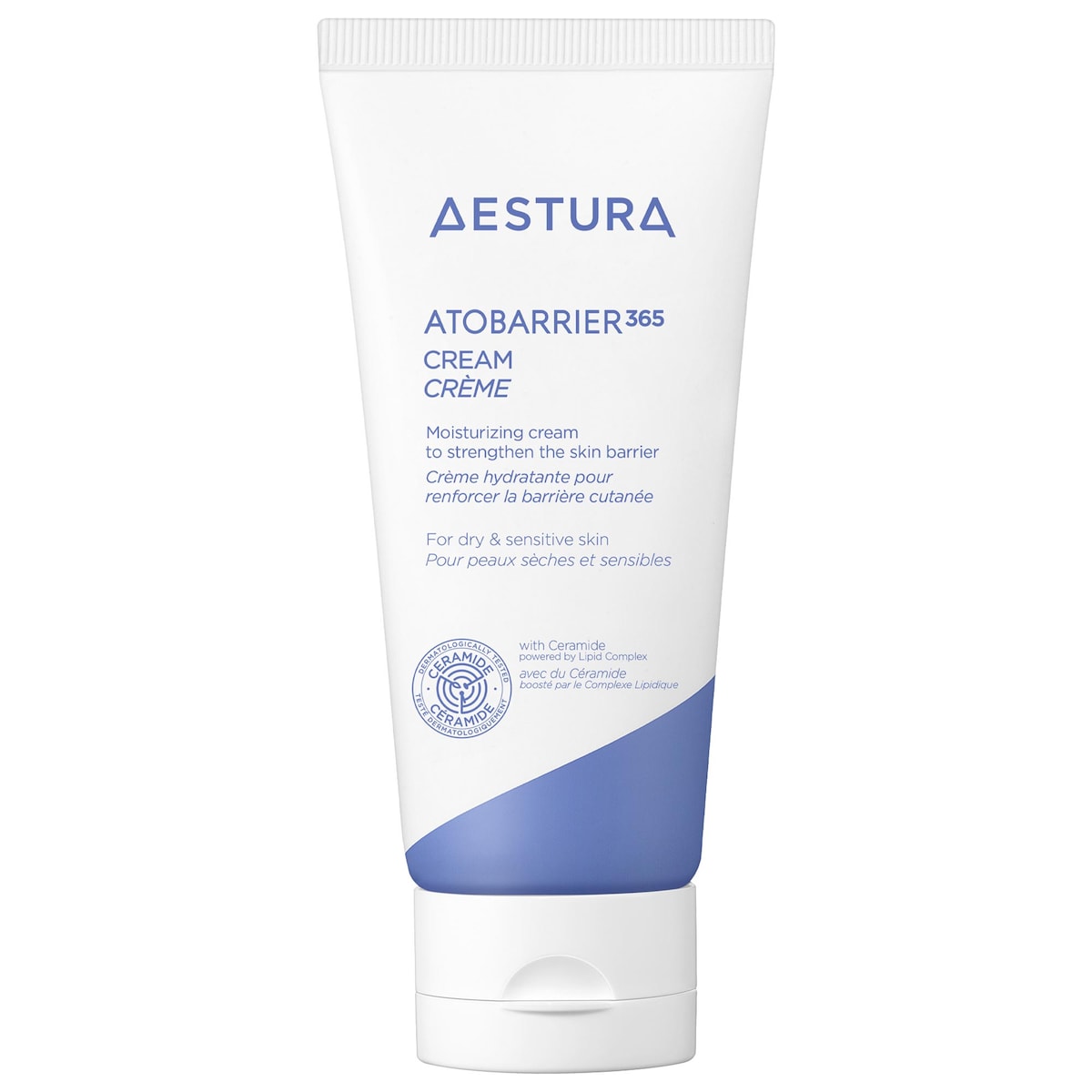
This is where barrier support matters. If your night routine includes retinol, exfoliation, acne medication, or anything that can dry you out, the moisturizer is not decoration. It is what keeps the routine from becoming a cycle of progress and damage.
I like a night cream to do three things:
- reduce tightness before bed
- leave skin comfortable in the morning
- make active nights easier to tolerate over time
If it only feels good for five minutes, it is not enough. If it makes you wake up congested, it is too much or not right for your skin. Comfort is important, but so is the morning after.
The weekly rhythm that keeps things calm
Daily order matters. Weekly rhythm matters more.
Here is a simple rhythm I would use if my skin felt normal but a little inconsistent:
| Night | Focus | Routine |
|---|---|---|
| Monday | Retinol | Cleanse, hydration if needed, retinol, moisturizer |
| Tuesday | Recovery | Cleanse, hydration, moisturizer |
| Wednesday | Retinol | Cleanse, hydration if needed, retinol, moisturizer |
| Thursday | Recovery | Cleanse, hydration, moisturizer |
| Friday | Gentle exfoliation | Cleanse, exfoliant, moisturizer |
| Saturday | Recovery | Cleanse, hydration, moisturizer |
| Sunday | Reset | Cleanse, moisturizer, early bedtime if possible |
That schedule is not magic. It is just readable. It gives your skin treatment, then space. If you are new to retinol, make it one night a week first. If your skin is already irritated, make every night a recovery night until moisturizer feels normal again.
The point is not to win the week with the most actives. The point is to wake up with skin that is moving in the right direction.
Where people usually layer things wrong
The first mistake is putting oil too early.
Face oil should usually sit near the end because it can make it harder for water-based products to settle underneath. Cleansing oil is different because you rinse it off. Leave-on oil is a finishing step, not a serum replacement.
The second mistake is using exfoliation whenever skin looks dull.
Dullness can come from buildup, but it can also come from dryness, irritation, lack of sleep, or a damaged barrier. If skin is stinging, peeling, hot, or suddenly reactive, exfoliation is usually not the answer that night.
The third mistake is making sunscreen fight too many layers.
If your SPF pills, try removing one morning layer before buying a new sunscreen. Let moisturizer settle. Use less product underneath. Check whether a silicone-heavy primer is clashing with the sunscreen texture.
The fourth mistake is treating every breakout like it needs every acne product.
Spot treatment has a place. So does salicylic acid. So do retinoids. But if you throw them all at one breakout and your skin barrier gets angry, the breakout is no longer the only problem.
A routine for dry skin
Dry skin usually needs fewer harsh steps and better support.
Morning:
- Rinse or use a gentle cleanser
- Hydrating serum or essence
- Moisturizer
- Sunscreen
Night:
- Gentle cleanse
- Hydrating serum or essence
- Retinol one or two nights a week, only if tolerated
- Richer moisturizer
Dry skin often looks better when you stop chasing constant exfoliation. If flakes are sitting on the surface, gentle exfoliation can help eventually. But if the face feels tight and sensitive, rebuild comfort first.
For a fuller dry-skin routine, I rebuilt my dry skin routine after it kept feeling tight is the next place I would go.
A routine for oily skin
Oily skin needs control without punishment.
Morning:
- Gentle gel cleanser
- Lightweight serum, often niacinamide or hydration
- Light moisturizer only where needed
- Sunscreen that does not feel greasy
Night:
- Cleanse well
- Treatment step, such as retinol or salicylic acid on separate nights
- Lightweight moisturizer
The trap with oily skin is over-cleansing. It feels good for twenty minutes, then the skin rebounds into shine and tightness at the same time. If that sounds familiar, you may be dealing with dehydration under the oil.
For that specific problem, oily dehydrated skin skincare routine is a better match than a generic oily-skin routine.
A routine for sensitive skin
Sensitive skin needs fewer experiments.
Morning:
- Rinse or cleanse gently
- One calming or hydrating layer
- Moisturizer
- Sunscreen
Night:
- Gentle cleanse
- Moisturizer
- Treatment only when the skin is calm
The more reactive your skin is, the more your routine should look almost too simple. That is not a failure. That is how you figure out what your skin actually tolerates.
If you are adding retinol, acids, vitamin C, or acne treatments, add one at a time. Give it a few weeks. Watch for patterns. Do not introduce three new products and then try to guess which one caused the burning.
The order I would use if I had to start over
If I had to rebuild from zero, I would not start with the fancy serum.
I would start with:
- A cleanser I do not hate
- A moisturizer that makes my skin comfortable
- A sunscreen I can wear every day
Then I would add one morning active if I needed brightening, oil control, or tone support.
Then I would add one night active if I needed texture, breakouts, fine lines, or stubborn uneven tone.
That is it.
The best routine is not the one with the most steps. It is the one where every step has a reason and every product knows what time of day it belongs to.
When I separated morning from night, I stopped asking my skin to handle everything at once. Morning became lighter. Night became more deliberate. My products stopped fighting each other. My face felt calmer because the routine finally had rules that made sense.
That is the version worth keeping.