
My face was clean.
Too clean.
That was the part I kept missing. I had a real routine. I owned the gentle cleanser, the hydrating toner, the serum that promised balance, the moisturizer that looked sensible, and the sunscreen I kept trying to like. On paper, nothing looked extreme.
But my skin kept acting like it was being interrupted.
It felt tight after washing. It got shiny by lunch. It looked dull under makeup. At night, moisturizer sometimes stung for a few seconds, and I would tell myself that was just skincare doing skincare things.
It was not.
The routine was asking my skin to reset twice a day when it only needed one proper reset at night.
Once I stopped treating morning and night like twins, everything got easier to understand. Morning became protection. Night became removal and repair. The products did not have to change all at once. The rhythm did.
The AM/PM order I trust now
If your skin feels tight, shiny, irritated, or weirdly dry and oily at the same time, I would start with this order before buying anything new.
| Time | Step | What it should do | What I would avoid |
|---|---|---|---|
| Morning | Water rinse or gentle cleanse | Refresh without stripping | Automatically using cleanser because it feels more serious |
| Morning | Hydrating layer, optional | Add comfort if skin feels flat or dry | Stacking three watery steps because one helped |
| Morning | Moisturizer | Keep the skin comfortable under SPF | Skipping cream because skin is oily |
| Morning | Sunscreen | Protect the work the rest of the routine is doing | Relying on brightening serums while skipping SPF |
| Night | Makeup or SPF removal | Break down sunscreen, makeup, and the day | Scrubbing harder instead of dissolving first |
| Night | Gentle cleanser | Clean without leaving skin tight | Chasing a squeaky-clean finish |
| Night | One treatment lane | Work on one real priority | Retinol, acid, acne treatment, and brightening serum in one night |
| Night | Moisturizer or recovery cream | Seal comfort back in | Using actives as a substitute for barrier support |
That is the entire shift.
Morning is not where I try to prove how disciplined I am. Morning is where I protect my skin and keep the day easy.
Night is where I clean properly, use one meaningful treatment if my skin can handle it, and give my barrier enough support to wake up calmer.
Why washing twice a day can backfire
Some people need a morning cleanse. If you sweat overnight, use a heavy overnight balm, wake up very oily, or have a clinician telling you to cleanse twice daily, that can make sense.
But a lot of people cleanse in the morning because the routine feels incomplete without it.
That is different.
The American Academy of Dermatology's basic face-washing advice is still the boring truth I come back to: use lukewarm water, be gentle, avoid scrubbing, and moisturize after cleansing. The point is not to under-cleanse. The point is to stop making the first step so aggressive that the rest of the routine has to apologize for it.
When I see someone say their skin is oily by noon but tight after washing, I do not immediately think they need a stronger cleanser. I think the routine may be removing too much, too often.
Skin can feel oily and dehydrated at the same time. That combination is annoying because it tricks you into doing the exact thing that makes it worse. You feel shiny, so you cleanse more. You cleanse more, so the skin feels tighter. The tightness makes you layer heavier products. The heavier products make you feel greasy. Then you go back to cleansing more.
That loop can run for months.
The first way out is not glamorous. Use less force in the morning.
My morning routine when skin feels over-cleansed
On a normal morning, I want the routine to feel almost too simple.
- Rinse with water or cleanse only if there is a real reason.
- Add a thin hydrating layer if the skin feels dry, tight, or flat.
- Moisturize enough that sunscreen does not drag.
- Apply sunscreen generously.
That is it.
The water-rinse step is not laziness. It is a test. If your skin feels better after a week of not fully cleansing every morning, you learned something useful. If your skin feels congested, greasy, or uncomfortable, you can bring back a gentle morning cleanse and keep the rest of the routine calm.
The test works because it changes one variable instead of rewriting the whole shelf.
Product lanes that make sense for this routine
I would not buy all of these at once. That would turn a simplification article into a cart problem.
I would choose the lane that matches the bottleneck: gentler cleansing, more comfortable hydration, a moisturizer that does not feel suffocating, or a recovery cream for nights when the skin feels overworked.
| Product | Image | Best role | Who it makes sense for | Who should skip it |
|---|---|---|---|---|
| Tower 28 SOS Gentle Hydrating Gel Cleanser + Makeup Remover | 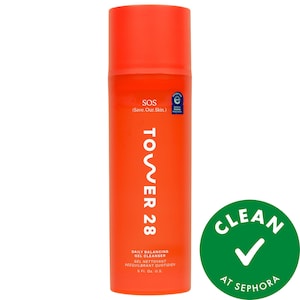 | Gentle night cleanse | Skin that gets tight from stronger foams but still needs a real wash | Anyone who loves a very rich balm-style cleanse |
| LANEIGE Cream Skin Milky Toner |  | Soft morning hydration | Dry, tight, or barrier-tired skin that wants comfort before cream | Oily skin that hates a milky feel |
| Tower 28 SOS Daily Skin Barrier Redness Recovery Moisturizer |  | Everyday barrier moisturizer | Redness-prone or sensitive skin that wants one steady cream | Very dry skin that needs a richer final layer |
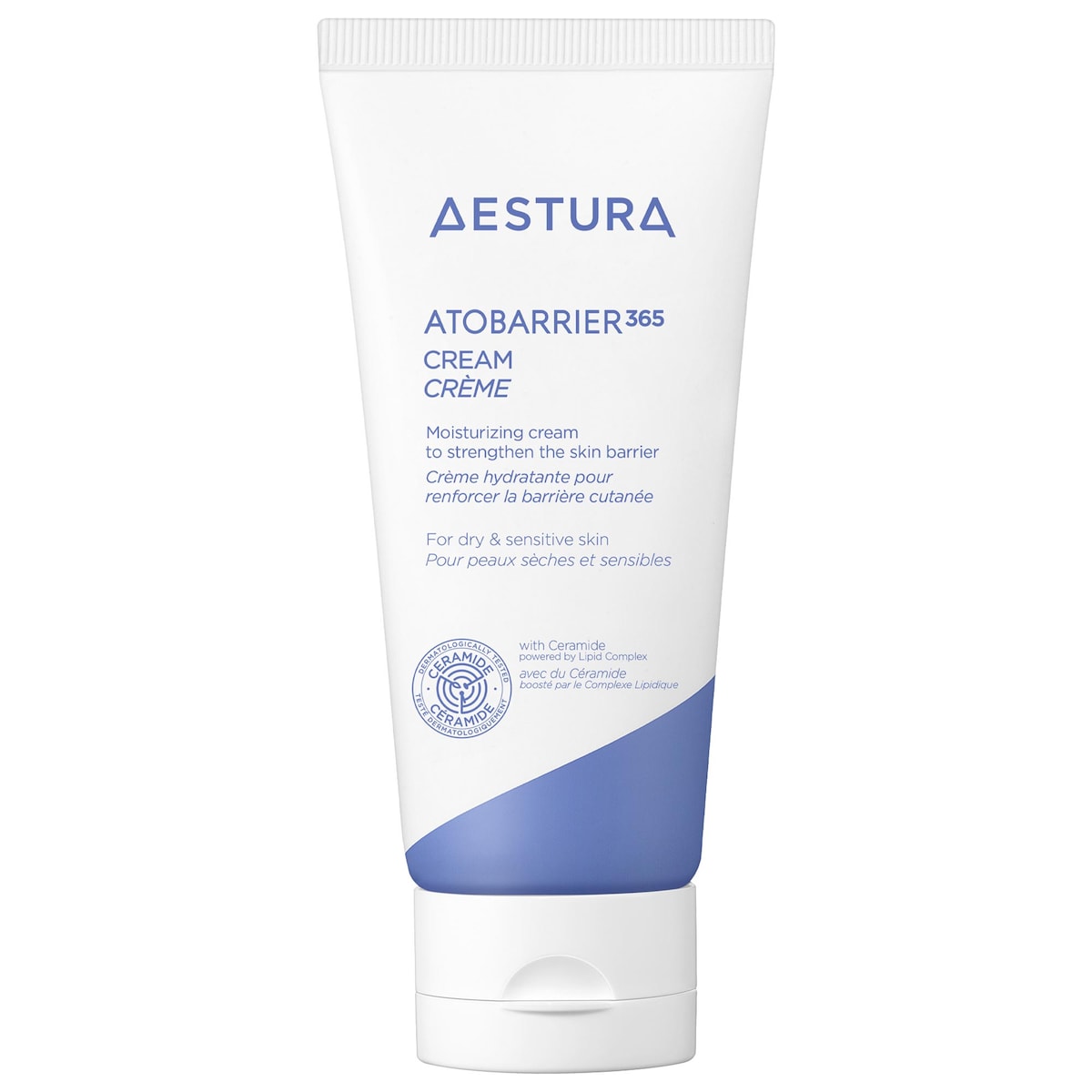
| AESTURA ATOBARRIER365 Lightweight Face Lotion |  | Lighter barrier support | Combination or oily-leaning skin that still feels dehydrated | Skin that needs a plush night cream |
| Kiehl's Ultra Facial Cream | 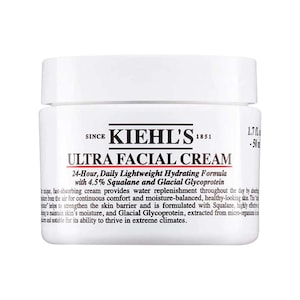 | Baseline moisturizer | People who want a steady, simple cream before adjusting anything else | Anyone who already knows this texture clogs them |
| Tatcha Indigo Overnight Repair | 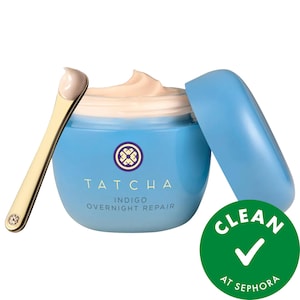 | Recovery night cream | Skin that feels reactive, red, or overworked after actives | Anyone trying to keep the routine very light |
| Topicals Like Butter Moisturizer | 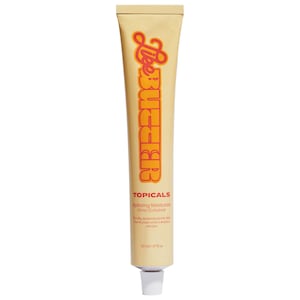 | Dry sensitive comfort | Dry, flaky, easily irritated skin that needs cushion | Oily skin that dislikes richer textures |
| Experiment Buffer Jelly | 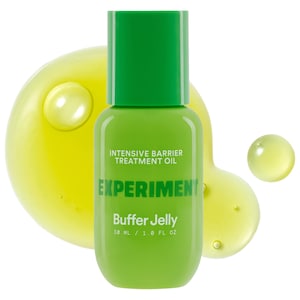 | Spot sealing | Cracked areas, windburned patches, or stubborn dry corners | Acne-prone skin that dislikes occlusive finishes |
The table is not a shopping list.
It is a way to stop buying duplicates. If you already have a gentle cleanser that leaves your skin comfortable, you do not need another one. If your moisturizer works, keep it. If your only real problem is that you cleanse too hard in the morning, the cheapest fix is changing the routine, not changing the bottle.
The night routine should carry the heavier job
Night is when I want cleansing to be more complete.
Sunscreen, makeup, sweat, pollution, and the day itself need to come off. That does not mean the cleanser needs to be harsh. It means the routine needs to be honest about what is sitting on the skin.
If I wore makeup or a water-resistant sunscreen, I like a first cleanse. A balm, oil cleanser, micellar water, or makeup-removing cleanser can help break that layer down before the second cleanse. The mistake is rubbing harder with a cleanser that was never meant to dissolve everything alone.
After that, I keep the second cleanse gentle. No hot water. No rough washcloth. No facial brush while the skin is reactive. No extra minute of massaging because I am trying to force a glow.
Clean skin should feel ready.
Not punished.
Pick one treatment job per night
This is where the routine usually gets messy.
Most people do not ruin their skin barrier with one product. They do it with overlap.
Vitamin C in the morning. Exfoliating toner at night. Retinol three nights a week. Acne spot treatment whenever something looks suspicious. A brightening serum because dark marks are annoying. A clay mask on Sunday because the pores feel visible. A peel when the face looks dull.
Every one of those choices can sound reasonable alone.
Together, they can become too much.
So I like night routines that have names:
Recovery night
Cleanse, hydrate if needed, moisturize, and stop.
This is the night for tightness, travel, wind, dry weather, over-exfoliation, retinoid irritation, or any evening where moisturizer stings.
Retinoid night
Cleanse, optional hydrating layer, retinoid, moisturizer.
No exfoliating acid. No scrub. No "just one more" strong treatment because you are impatient.
Exfoliation night
Cleanse, exfoliant, moisturizer.
That is already an active night. It does not need retinol standing next to it.
Tone or breakout night
Cleanse, one targeted serum or treatment, moisturizer.
If you are working on dark spots, acne, or texture, give the product a clean stage. If you bury it under six other variables, you will not know what helped or what irritated you.
The morning routine should protect the night routine
I used to think morning skincare had to be productive.
Now I think morning skincare has to be protective.
That means sunscreen is the non-negotiable part. Not because sunscreen is exciting, but because so many goals depend on it. Dark spots, post-breakout marks, redness, texture, and signs of aging all get harder to manage when daily UV exposure keeps pushing the skin backward.
The morning routine does not need to be crowded for sunscreen to work well.
If your skin is dry, use a hydrating layer and moisturizer first. If your skin is oily, use a lighter moisturizer or one that sits well under SPF. If sunscreen pills, simplify what sits underneath it before blaming the SPF immediately.
The best morning routine is the one that makes sunscreen easy enough to repeat.
How to know if you should cleanse in the morning
I do not think water-only mornings are a law.
I think they are a useful option.
Use cleanser in the morning if:
- you wake up sweaty
- your skin feels greasy in a way water does not fix
- your night routine leaves residue
- you used a heavy balm or sleeping mask
- your dermatologist told you to cleanse as part of a treatment plan
- you simply feel better with a gentle morning cleanse and your skin stays comfortable
Try a water rinse in the morning if:
- your face feels tight after cleansing
- moisturizer burns more often than it should
- you are using retinoids or exfoliants at night
- your skin is shiny but dehydrated
- your cheeks flush easily
- you keep buying richer products to compensate for dryness that starts right after washing
The answer can also change by season. I may cleanse more in a humid summer and less during a dry, windy week. That does not mean the routine is inconsistent. It means the routine is paying attention.
What I would do for seven days
If your skin feels over-cleansed, I would not rebuild everything tomorrow.
I would run a seven-day reset.
Morning:
- Rinse with water.
- Use a hydrating layer only if it makes skin feel better.
- Moisturize.
- Apply sunscreen.
Night:
- Remove makeup or sunscreen if needed.
- Cleanse gently.
- Skip exfoliating acids, retinoids, scrubs, and strong masks for the week.
- Moisturize.
- Add balm only on dry patches.
Track what changes.
Does the tightness fade? Does moisturizer stop stinging? Does makeup sit better? Does the midday shine calm down because the skin is not starting the day irritated? Does your face feel less hot after washing?
That information is worth more than another product haul.
If nothing improves, or if you have persistent rash-like irritation, swelling, pain, oozing, severe acne, or symptoms near the eyes, stop guessing and get professional help. A simple routine is useful. It is not a replacement for medical care.
Where Glass fits into the routine
This is one of the reasons I like tracking skincare instead of just remembering it emotionally.
When your skin is irritated, every day feels like evidence. You wake up tight and blame the moisturizer. You break out and blame the sunscreen. You look dull and blame the fact that you skipped serum once.
Glass makes that less chaotic because you can keep the routine visible. You can track whether you actually cleansed morning and night, which nights used actives, when you switched to a recovery routine, and how your skin scans change over time.
That matters because the best skincare decision is often not "buy this."
It is "stop changing five things at once."
The mistake I would stop making first
I would stop treating clean skin as skin that feels stripped.
That one belief causes so many routine problems. It makes people over-cleanse in the morning, over-correct at night, distrust moisturizers, and keep chasing actives when the skin is asking for less friction.
Your routine can still be serious if it is simple.
Morning can be water, moisturizer, sunscreen.
Night can be remover, cleanser, treatment, moisturizer.
Recovery nights can be even shorter.
The goal is not to do the most. The goal is to wake up with skin that feels more stable than it did the night before.
That is when skincare starts making sense again.
FAQ
Is it bad to wash your face twice a day?
Not always. Some people do well with morning and night cleansing. It can be too much if your skin feels tight, hot, flaky, shiny-but-dehydrated, or irritated after washing. In that case, a water rinse in the morning and a proper gentle cleanse at night may be a better starting point.
What is the best morning and night skincare routine order?
Morning usually works best as cleanse or rinse, hydrating layer if needed, moisturizer, sunscreen. Night usually works best as makeup or SPF removal if needed, gentle cleanser, one treatment lane, moisturizer, and optional balm only on dry patches.
Should I use retinol in the morning or at night?
Retinoids are generally a night step unless your specific product or clinician says otherwise. Keep retinoid nights simple and use sunscreen consistently during the day, because retinoids and exfoliation make daily protection even more important.
What should I do if every moisturizer burns?
Pause strong actives, simplify the routine, cleanse gently, moisturize on slightly damp skin, and use a bland barrier layer only where needed. If burning continues or you see swelling, rash-like patches, pain, oozing, or symptoms near the eyes, get medical help instead of continuing to experiment.