My skin was not confused.
My routine was.
For a long time, I treated acne-prone sensitive skin like it needed two separate personalities in the morning. One side of me wanted to calm everything down. The other side wanted to attack every clogged pore before breakfast.
That is how a simple morning turned into a cleanser, a toner, a brightening serum, an acne serum, a moisturizer I did not fully trust, and a sunscreen I kept blaming for everything.
The day started with effort.
My skin started with irritation.
The best morning skincare routine for acne-prone sensitive skin is not a maximal acne routine squeezed into daylight. It is a low-friction routine that removes overnight oil if needed, gives the skin enough hydration to stay comfortable, keeps treatment pressure controlled, and protects post-breakout marks from getting darker.
That last part matters.
If your skin breaks out and reacts easily, the morning routine has to do two jobs at once: help you avoid new irritation and protect the progress you are trying to make at night. Once I started thinking that way, the whole routine got smaller and much easier to repeat.
The morning routine order I would start with in April 2026
If your skin is acne-prone and sensitive, I would keep the order this simple:
| Step | What to do | Why it helps |
|---|---|---|
| 1 | Rinse or cleanse gently | Removes overnight oil without stripping the barrier |
| 2 | Add a light calming or hydrating layer | Helps tight skin behave before sunscreen |
| 3 | Use one optional treatment lane | Keeps acne support controlled instead of chaotic |
| 4 | Moisturize lightly | Makes sunscreen and treatment easier to tolerate |
| 5 | Apply sunscreen generously | Protects irritated skin and post-breakout marks |
That is the full skeleton.
Not because your skin is simple.
Because sensitive acne-prone skin usually gets worse when the routine gives it too many reasons to react.
The biggest morning mistake is treating shine like dirt
Morning cleansing is where I see the first wrong turn.
You wake up oily. Your forehead looks shiny. Your nose feels slick. It is tempting to reach for the strongest cleanser you own and start the day by stripping everything down.
I understand the instinct.
I just do not trust it anymore.
Oil is not the same as grime. Shine is not proof that your face needs punishment. If the skin already gets red, tight, hot, itchy, or stingy after products, an aggressive morning cleanse can make every step after it feel worse.
Some mornings, a rinse is enough. Some mornings, especially if you used a rich night cream, slept hot, or wake up very oily, a gentle cleanser makes sense. The key is choosing a cleanser that leaves the skin clean but not squeaky.
I like this rule: after cleansing, your face should feel ready for skincare, not desperate for moisturizer.
If it feels tight in the first minute after washing, the cleanser may be too much for your morning routine.
A product lane that makes sense
Use this table as a starting point, not a shopping list. The goal is to give each product one clear job so your morning does not turn into a pile of competing solutions.
| Image | Routine slot | Product example | Best for | Why I would consider it |
|---|---|---|---|---|
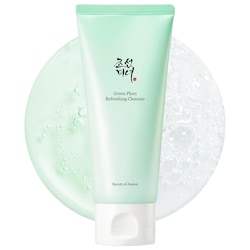 | Gentle cleanse | Beauty of Joseon Green Plum Refreshing Cleanser for Gentle Daily Wash | Skin that gets oily but still feels tight after washing | A calmer cleanser lane that does not make acne-prone skin feel stripped |
 | Gentle cleanse | Dieux Baptism Hydrating + Pore Clarifying Gentle Foaming Gel Cleanser | Breakout-prone skin that wants a cleaner-feeling gel cleanse | A useful middle ground when you want fresh skin without a harsh start |
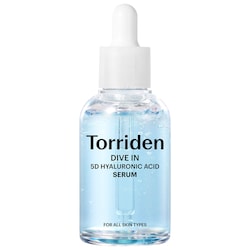 | Hydration | Torriden DIVE IN 5D Hyaluronic Acid Ultra Hydrating Serum for Plump & Glow Skin | Dehydrated, tight, makeup-grabby skin | Gives the routine water support without making it feel heavy |
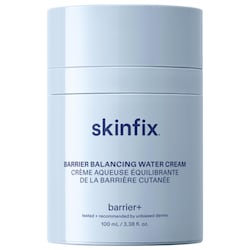 | Moisturizer | Skinfix Barrier Balancing Water Cream Moisturizer with Hyaluronic Acid | Oily or combination skin that still needs barrier support | A light finish that makes sunscreen easier to wear |
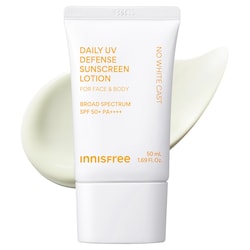 | Sunscreen | innisfree Daily UV Defense Invisible Korean Sunscreen Lotion Broad Spectrum SPF 50+ PA++++ | Daily sunscreen for routines that need to stay wearable | Light enough that you are more likely to repeat it |
The better routine is usually not the one with the most impressive product names. It is the one where every product has a reason to be there.
Step 1: Cleanse only as much as the morning actually needs
If your skin feels calm when you wake up, try rinsing with lukewarm water before assuming you need a full cleanse.
If your skin feels oily, sweaty, or coated from last night's products, use a gentle cleanser. I would avoid turning the cleanser into the main acne treatment if your skin is already sensitive. A medicated cleanser can be useful for some people, but it can also quietly dry out the barrier when you use it twice a day alongside night treatments.
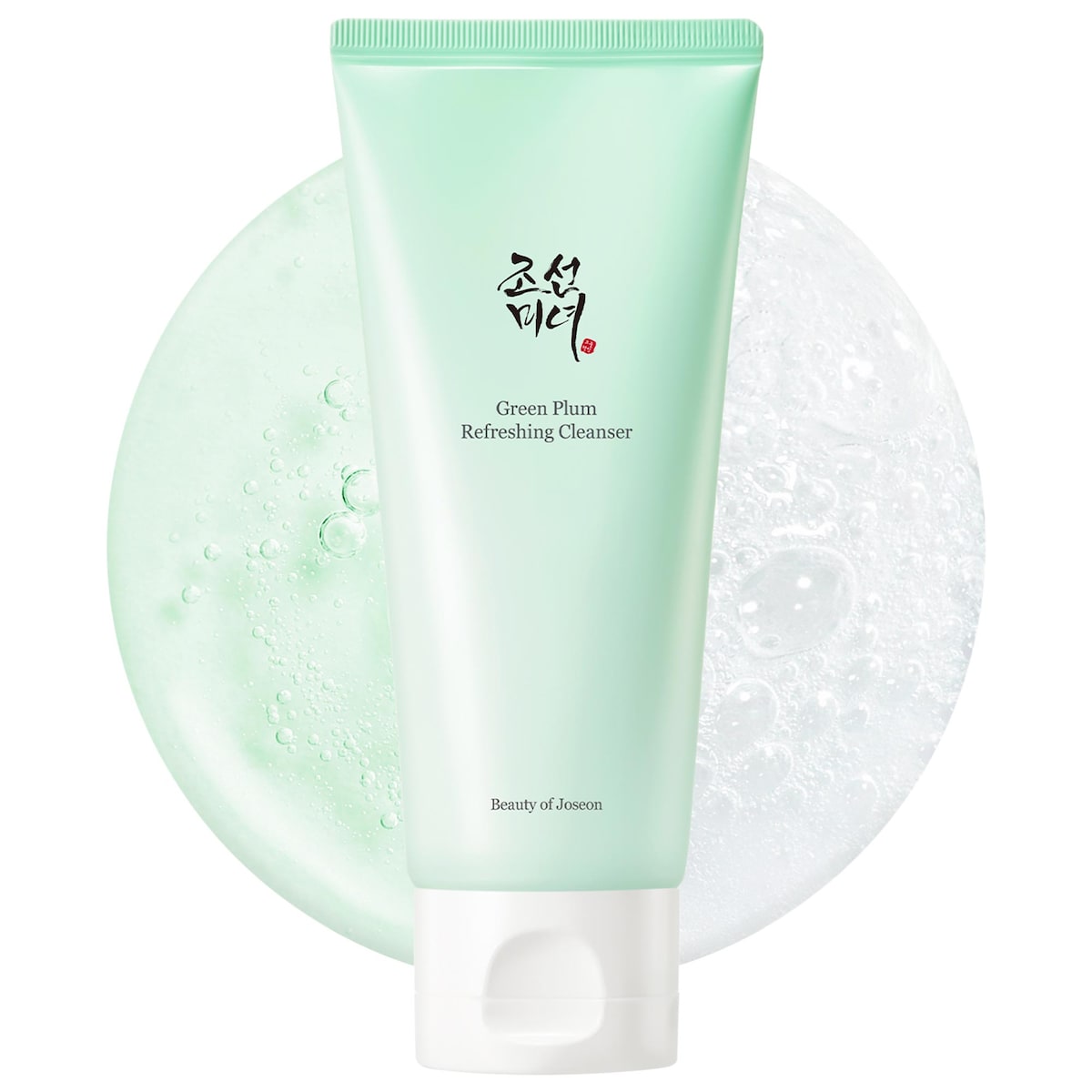
Beauty of Joseon Green Plum Refreshing Cleanser makes sense when you want the morning cleanse to stay polite. It is the kind of cleanser lane I would look at if my skin gets shiny but also complains when I wash too aggressively.
Choose this kind of cleanser if:
- your cheeks get tight after washing
- your acne routine already includes a night treatment
- you want sunscreen to sit better without starting from a dry surface
- you keep mistaking "clean" for "stripped"
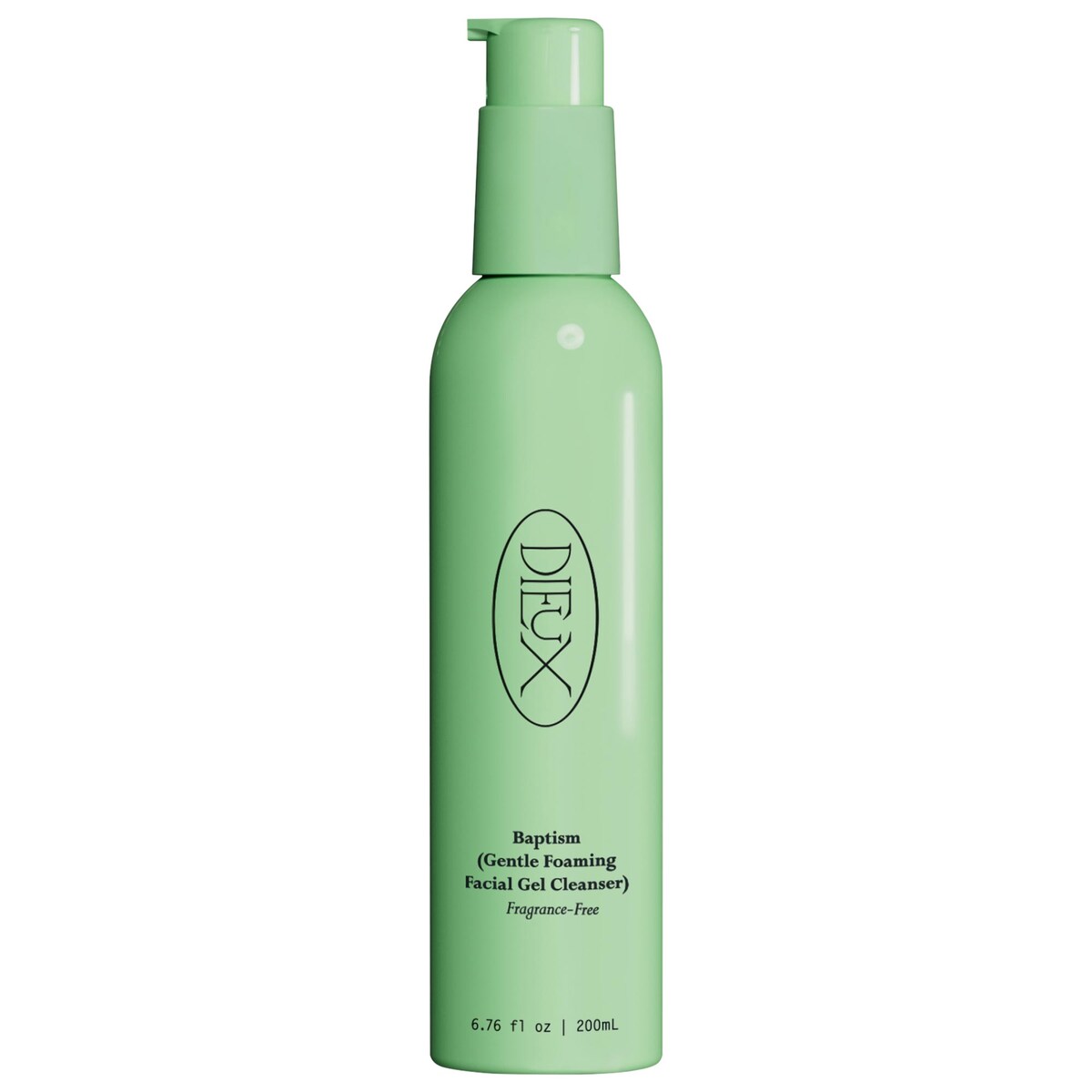
Dieux Baptism is the cleanser lane I would consider when the skin wants a more satisfying gel cleanse but still needs restraint. It fits the person who hates heavy morning residue but cannot tolerate the old-school squeaky-clean feeling.
The point is not to find the strongest cleanser. It is to find the cleanser you can use without making the next four steps harder.
Step 2: Hydration is not optional just because you break out
This took me too long to accept.
Acne-prone skin can be dehydrated. Oily skin can be dehydrated. Sensitive skin can look shiny and still feel tight under the shine.
That is why skipping hydration in the morning often backfires. The skin feels uncomfortable, sunscreen pills or clings, makeup catches around healing spots, and by noon the whole face feels both greasy and dry.
I do not think every morning routine needs a serum. But if your face feels tight after cleansing, if sunscreen stings, or if makeup grabs around old breakouts, one lightweight hydration step can make the rest of the routine calmer.
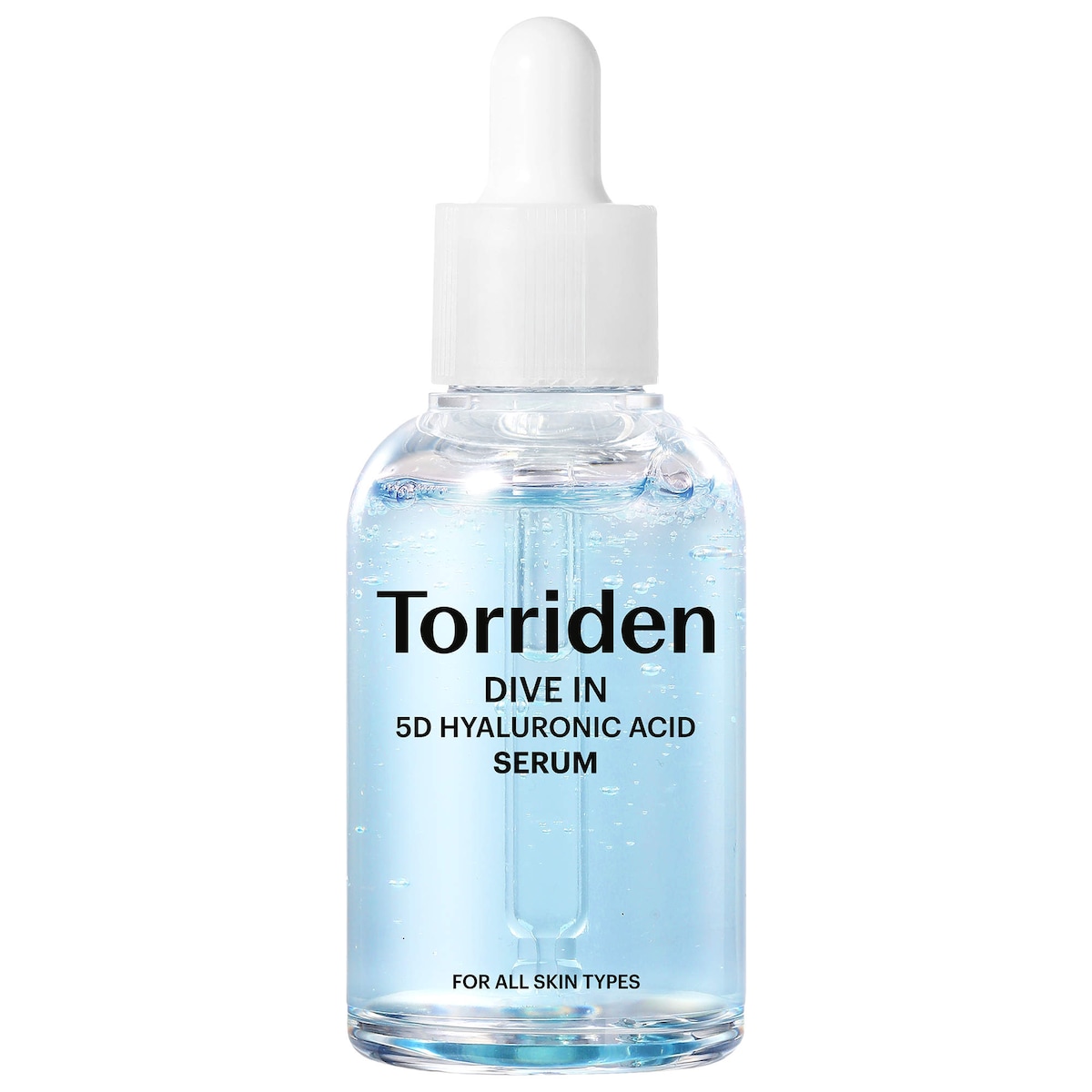
Torriden DIVE IN 5D Hyaluronic Acid Ultra Hydrating Serum is the kind of serum I would use for that job. Not as a miracle acne product. Not as a dark-spot treatment. Just as a clean hydration owner.
That matters because acne routines get messy when one product is expected to fix everything. A hydrating serum should make skin feel more flexible and less thirsty. If it does that without clogging the routine, it is doing enough.
Use a small amount. Put it on slightly damp skin if your skin tolerates that. Then move on.
Do not turn hydration into another seven-layer project.
Step 3: Be careful with morning actives
This is where I would slow down.
Acne-prone sensitive skin usually does better when the strongest treatment pressure lives at night or is split carefully across the week. Morning can include treatment, but it should not become a second full battle.
There are a few treatment lanes that can make sense in the morning:
- Benzoyl peroxide, often as a wash or targeted product for inflamed breakouts
- Azelaic acid, especially when breakouts overlap with redness or post-breakout marks
- Niacinamide, when oil balance and barrier support are the main issue
- A very simple calming serum, when sensitivity is louder than acne that day
What I would not do is stack all of them because each one sounds useful.
That is how routines become unreadable. If your face is red by 10 AM, you should be able to make a reasonable guess about why. If the morning includes a harsh cleanse, a strong active, a fragranced moisturizer, a new sunscreen, and a makeup primer, you have too many suspects.
My rule is one optional morning treatment lane at a time.
If you already use a retinoid at night, keep the morning calmer. If you used an exfoliating acid the night before, do not make the morning prove anything. If your moisturizer is suddenly stinging, pause actives and rebuild comfort first.
Sensitive acne-prone skin does not reward urgency. It rewards patterns.
Step 4: Moisturizer is the step that keeps the routine honest
I used to treat moisturizer like a threat.
If I broke out, I blamed moisturizer first. If my face looked shiny, I skipped it. If sunscreen felt heavy, I assumed moisturizer was the problem.
Sometimes it was.
But more often, the problem was choosing the wrong moisturizer or using it at the wrong amount. Acne-prone sensitive skin usually still needs a buffer between treatment, sunscreen, weather, and the skin barrier. Without that buffer, everything feels sharper.
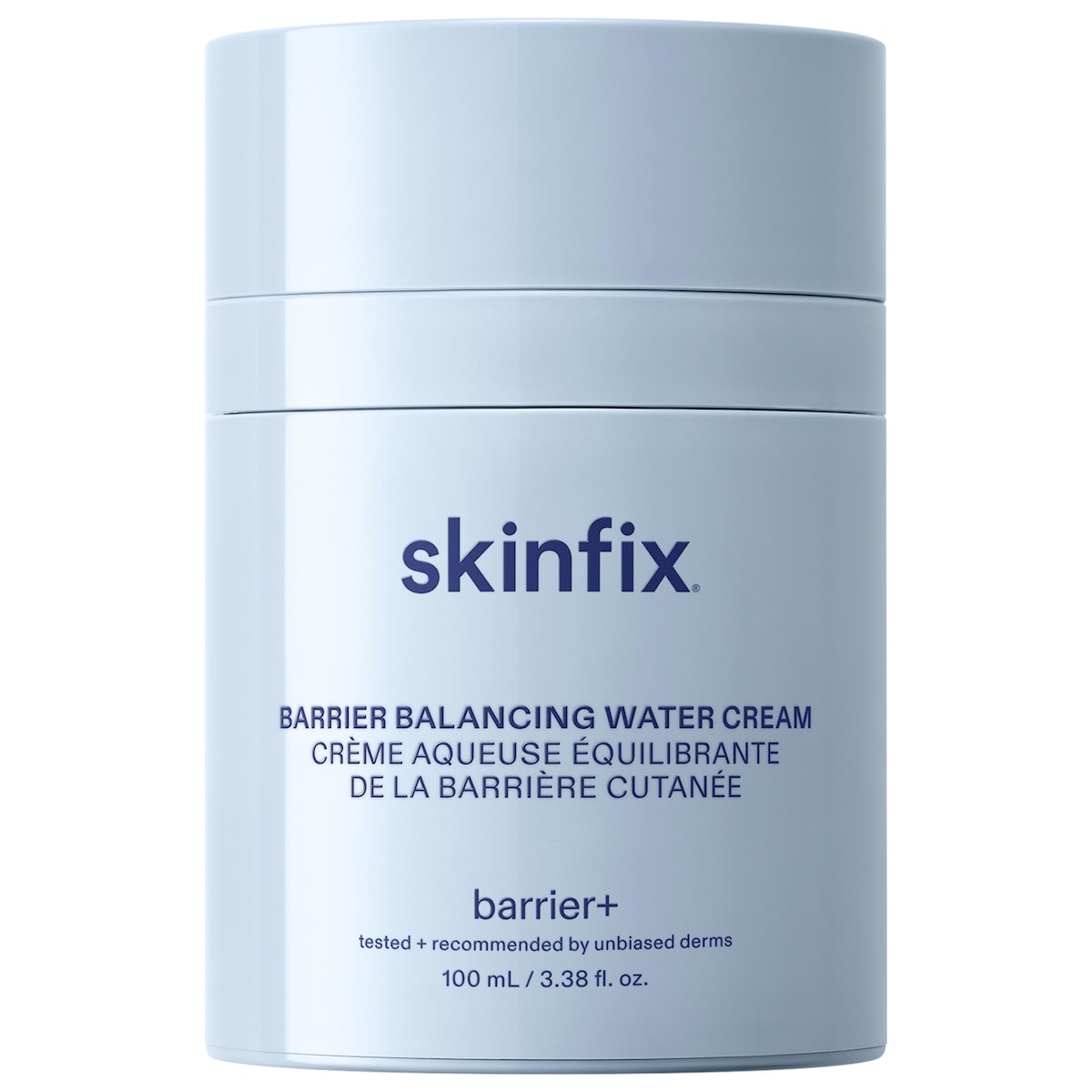
Skinfix Barrier Balancing Water Cream is the style of moisturizer I would look for when the skin needs support but hates rich creams. The important part is the category logic: lightweight, barrier-aware, and easy to use under sunscreen.
Use less than you think.
That is not because moisturizer is bad. It is because acne-prone sensitive skin often does better with a thin, even layer than with a heavy coat that sits on top of everything.
Give it a minute.
Then sunscreen.
Step 5: Sunscreen is the acne-mark protection step
Sunscreen is not just an anti-aging step.
For acne-prone skin, it is also a mark-management step. Post-breakout marks can look darker and linger longer when the skin keeps getting hit with UV exposure. If you are using acne treatments, exfoliants, or retinoids, sunscreen becomes even harder to skip.
The problem is that many sunscreens feel awful on acne-prone sensitive skin. They sting. They pill. They look greasy. They leave a cast. They make the whole morning feel like a negotiation.
That is why I care less about finding the most impressive sunscreen on paper and more about finding one you will actually wear.
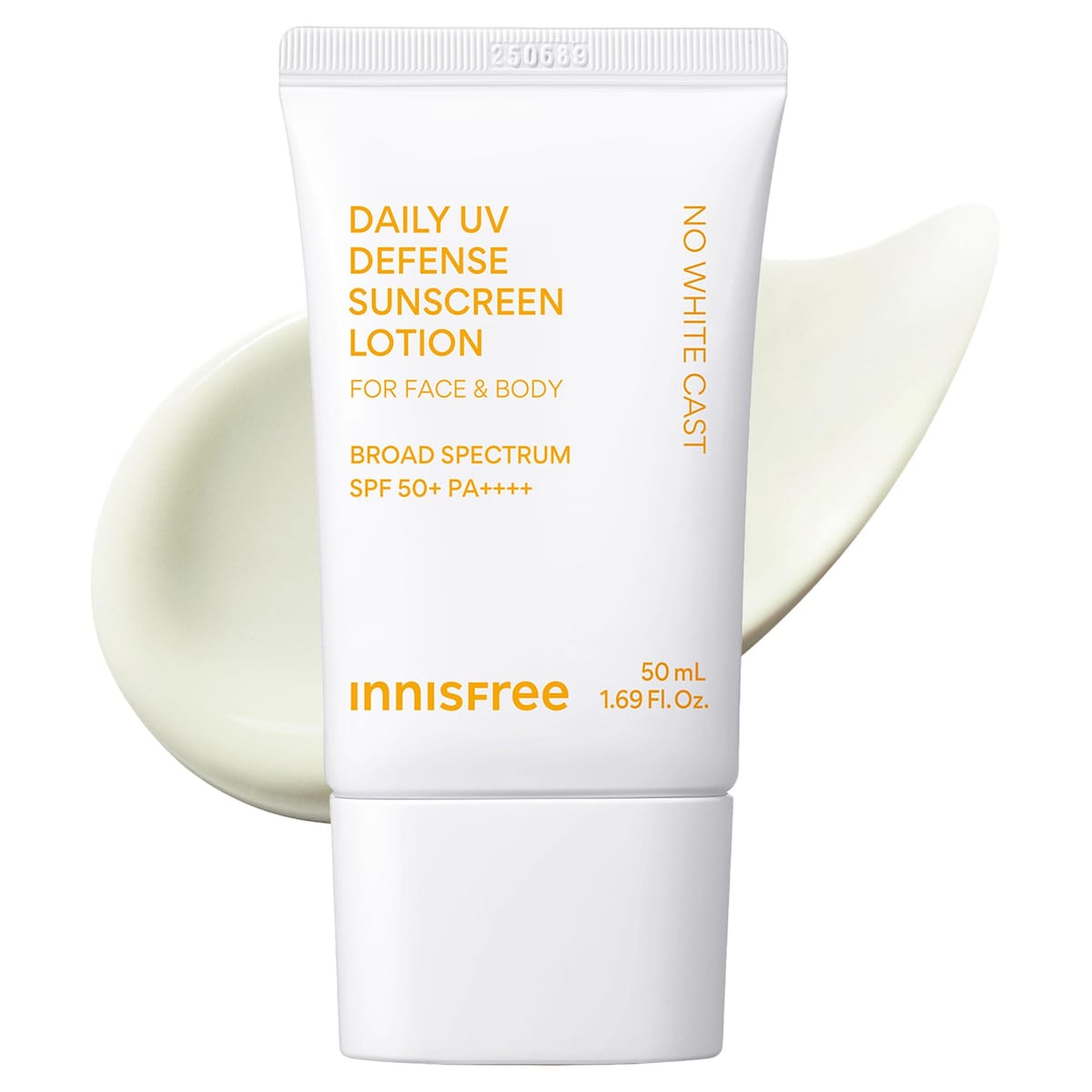
innisfree Daily UV Defense Invisible Korean Sunscreen Lotion SPF 50+ PA++++ fits the kind of everyday sunscreen lane I like for this routine: lighter, easier to repeat, and less likely to make the whole face feel overloaded.
If sunscreen burns, do not automatically decide all sunscreen is impossible. Look at the routine around it first:
- Did you cleanse too harshly?
- Did you use an active underneath?
- Is your moisturizer missing?
- Did you apply sunscreen over skin that was already irritated?
- Are you testing a new formula while your barrier is angry?
Sometimes the sunscreen is the problem. Sometimes it is the step that exposes the problem.
What I would do when everything stings
If your skin burns when you apply moisturizer or sunscreen, I would stop trying to outsmart it.
Not forever.
Just long enough to let the routine become readable again.
For a few mornings, I would do the boring reset:
- rinse or use the gentlest cleanser you tolerate
- skip treatment actives
- use a simple hydrating layer only if it does not sting
- use a light moisturizer
- use the least irritating sunscreen you own
At night, I would keep it just as plain. Gentle cleanse, moisturizer, done. No exfoliating pads. No retinoid. No benzoyl peroxide. No "just one more" serum.
When the burning stops, add one active back. Wait a few days. Then decide.
That is slower than most people want. It is also how you avoid rebuilding the same irritated routine under a different name.
What I would ignore in the morning
There are a few things I would stop letting influence the routine.
I would ignore the idea that acne-prone skin should feel dry to prove the routine is working.
I would ignore the pressure to use a vitamin C serum if the skin is currently reactive. Vitamin C can be useful, but it is not mandatory for every morning, especially if your face is already struggling.
I would ignore product labels that say "for oily skin" if the formula leaves your skin tight, hot, or uncomfortable.
I would ignore the urge to change sunscreen, moisturizer, cleanser, and serum in the same week. That is how you lose the plot.
And I would ignore the fear that a shorter routine means you are not doing enough.
A calm routine is not lazy. For sensitive acne-prone skin, it is often the first routine that finally gives your face room to respond.
The version I would actually repeat
If I were rebuilding from scratch, I would start here:
Morning
- Rinse or cleanse gently.
- Use a light hydrating serum only if the skin feels tight.
- Use one optional treatment lane, not three.
- Apply a thin layer of lightweight moisturizer.
- Use sunscreen generously.
Night
- Remove sunscreen and makeup properly.
- Cleanse gently.
- Use the main acne treatment on planned nights.
- Moisturize.
- Spot treat only where needed.
That split keeps the morning from becoming too aggressive. It also lets the night routine do the heavier treatment work without turning the whole day into irritation management.
If you want the companion PM version, open I Fixed My Acne Night Routine in April 2026 by Making It Boring Again. If your skin is mainly reactive rather than breakout-led, I rebuilt my sensitive-skin night routine for April 2026 and stopped waking up irritated is the calmer next step.
Where Glass makes this easier
The hard part is not reading one routine.
The hard part is remembering what you actually did for two weeks.
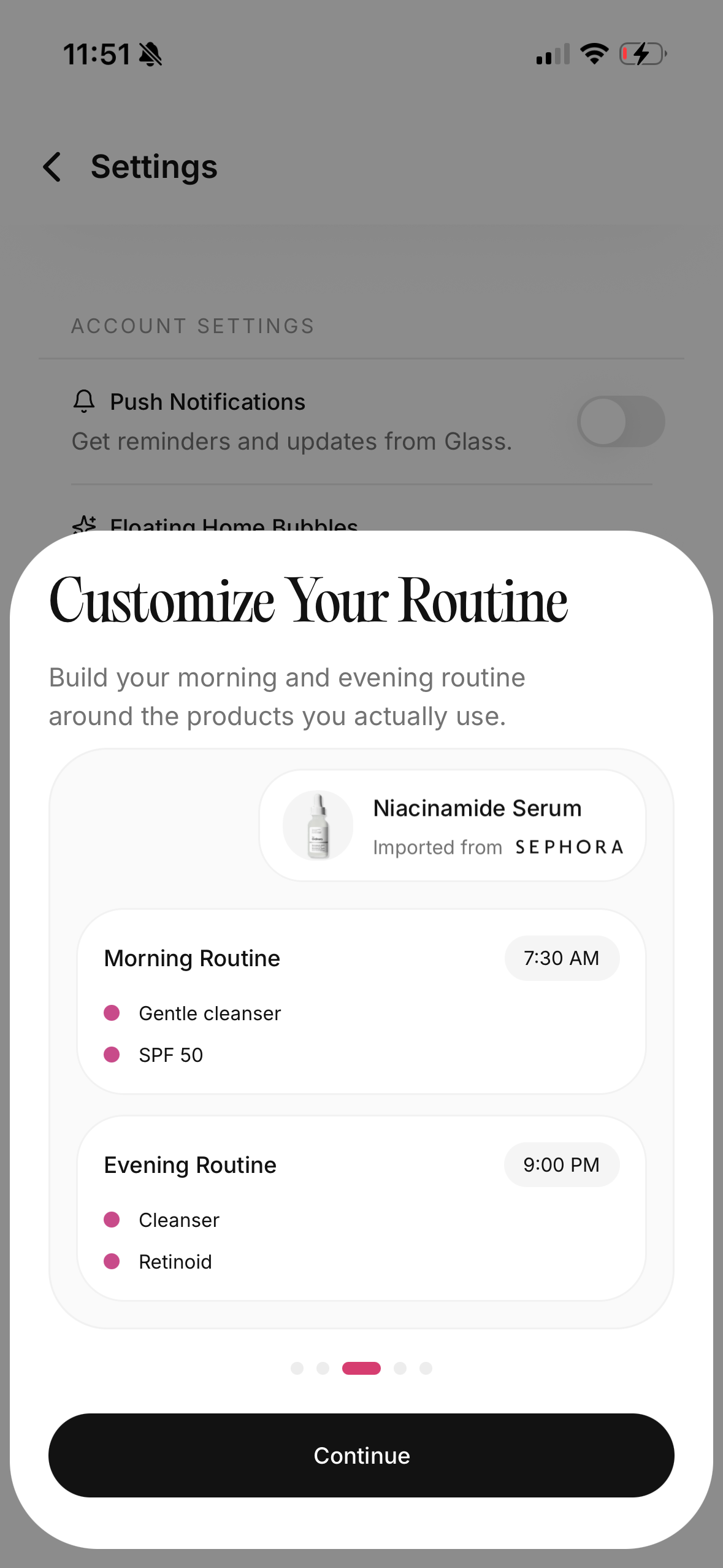
That is where Glass helps. You can build the routine you mean to follow, check off the morning and night steps, scan your skin over time, and see whether the routine is getting more consistent or just more complicated. That matters because acne-prone sensitive skin often improves through pattern recognition, not constant replacement.
If your skin is breaking out, stinging, and reacting, you do not need another vague promise.
You need a routine you can repeat.
You need fewer suspects.
You need enough sunscreen to protect the progress.
And you need enough patience to let the quiet version work.
FAQ
Should acne-prone sensitive skin cleanse every morning?
Not always. If your skin feels calm and not oily, rinsing can be enough. If you wake up sweaty, very oily, or coated from night products, use a gentle cleanser that does not leave the skin tight.
Can I use benzoyl peroxide in the morning?
Some people can, especially as a wash or targeted acne step. If your skin is sensitive, start slowly and avoid stacking it with other irritating morning actives unless a clinician has told you to.
Is vitamin C necessary for acne marks?
No. Vitamin C can help some routines look brighter, but sunscreen consistency matters more for protecting post-breakout marks. If vitamin C stings or makes your skin reactive, pause it and rebuild the basic routine first.
What should I do if sunscreen burns?
Look at the full routine before blaming sunscreen alone. Harsh cleansing, too many actives, missing moisturizer, or an irritated barrier can make sunscreen sting. Simplify the routine, then test formulas one at a time.
What is the best moisturizer texture for acne-prone sensitive skin?
Most people in this lane do better with a lightweight gel-cream, water cream, or lotion texture that supports the barrier without feeling greasy. Rich creams can still work, but they are not the easiest first move if shine and clogged pores are already concerns.