Tretinoin is the backbone of my nighttime routine.
Not in a dramatic way. In a very repetitive way.
I do not treat it like a once-in-a-while “reset” product anymore. I treat it like the step that keeps my skin moving in the right direction when I use it consistently, protect my barrier, and stop trying to do too much around it.
That did not happen overnight.
I used to use a retinoid only a few nights a week. Now I use tretinoin most nights, with a few very clear exceptions. If I shaved my face, did any kind of facial hair removal, or my skin is telling me it needs a break, I skip it. I am consistent, but I am not stubborn.
That is a big part of why this routine works for me.
Quick answer
If I want the shortest version of my tretinoin night routine, this is it:
- I double cleanse every night so I am not putting tretinoin over sunscreen, oil, or leftover makeup.
- I rehydrate my skin first with an essence and a serum.
- I wait until my skin is completely dry before I apply tretinoin.
- I protect the parts that get irritated fastest, especially my lips and the corners of my mouth.
- I use tretinoin only on my face, not under my eyes or all the way down my neck and chest.
- I finish with a rich moisturizer that keeps my skin comfortable overnight.
- I skip tretinoin on nights when my skin is freshly shaved, overworked, or clearly asking for less.
That is the whole system.
Simple is what keeps it repeatable.
I earned nightly tretinoin. I did not start there.
This is the part I wish more people were honest about.
Using tretinoin almost every night is not automatically the goal. It is where I landed after a long ramp-up because my skin can tolerate it now.
I started lower and slower. I worked my way up through gentler retinoid territory first, then built tolerance over time instead of trying to force results in the first month. That patience mattered more than any trick.
Tretinoin has helped me the most with:
- acne
- post-breakout marks
- texture
- pore visibility
- overall smoothness
But it is also the product most likely to punish me if I get careless.
That is why I do not think the smartest tretinoin routine is the most aggressive one. The smartest one is the one that lets me keep using it without tipping my skin into that dry, shiny, flaky, irritated place where everything suddenly stings.
If you are brand new to retinoids, I would not copy a nightly tretinoin routine just because it sounds efficient. I would build up to it carefully with your prescriber instead.
I skip tretinoin for specific reasons, not random ones
I do not believe in forcing my routine through obvious friction.
If I have shaved my face, waxed, threaded, dermaplaned, or done anything else that makes my skin more vulnerable, that is not the night to prove a point with tretinoin.
Same with nights when my skin feels:
- unusually tight
- hot or reactive
- flaky in a fresh way
- irritated around my mouth or nose
Those are not “push through it” nights for me. Those are “pull it back” nights.
The biggest mindset shift I had with tretinoin was realizing that listening to my skin does not make me inconsistent. It is what keeps me consistent long-term.
If your skin is already in recovery mode, read skin barrier repair routine: what to do when everything suddenly stings before trying to force a stronger retinoid rhythm.
I double cleanse every night because I want tretinoin on clean skin
This step is non-negotiable for me.
I always double cleanse at night, even if I did not wear a full face of makeup. If I had sunscreen on, oil on my skin, sweat from the day, or any buildup sitting around my hairline and nose, I do not want to trap that under a leave-on routine.
The first cleanse is about breaking everything down.

This is where I like an oil cleanser or cleansing balm. I work it into dry skin first, especially around my makeup, hairline, nose, and eye area. Then I add a little water so it emulsifies and turns milky before I rinse.
That step matters because I do not want to scrub. I want the product to do the heavy lifting.
The second cleanse is what actually clears the surface.
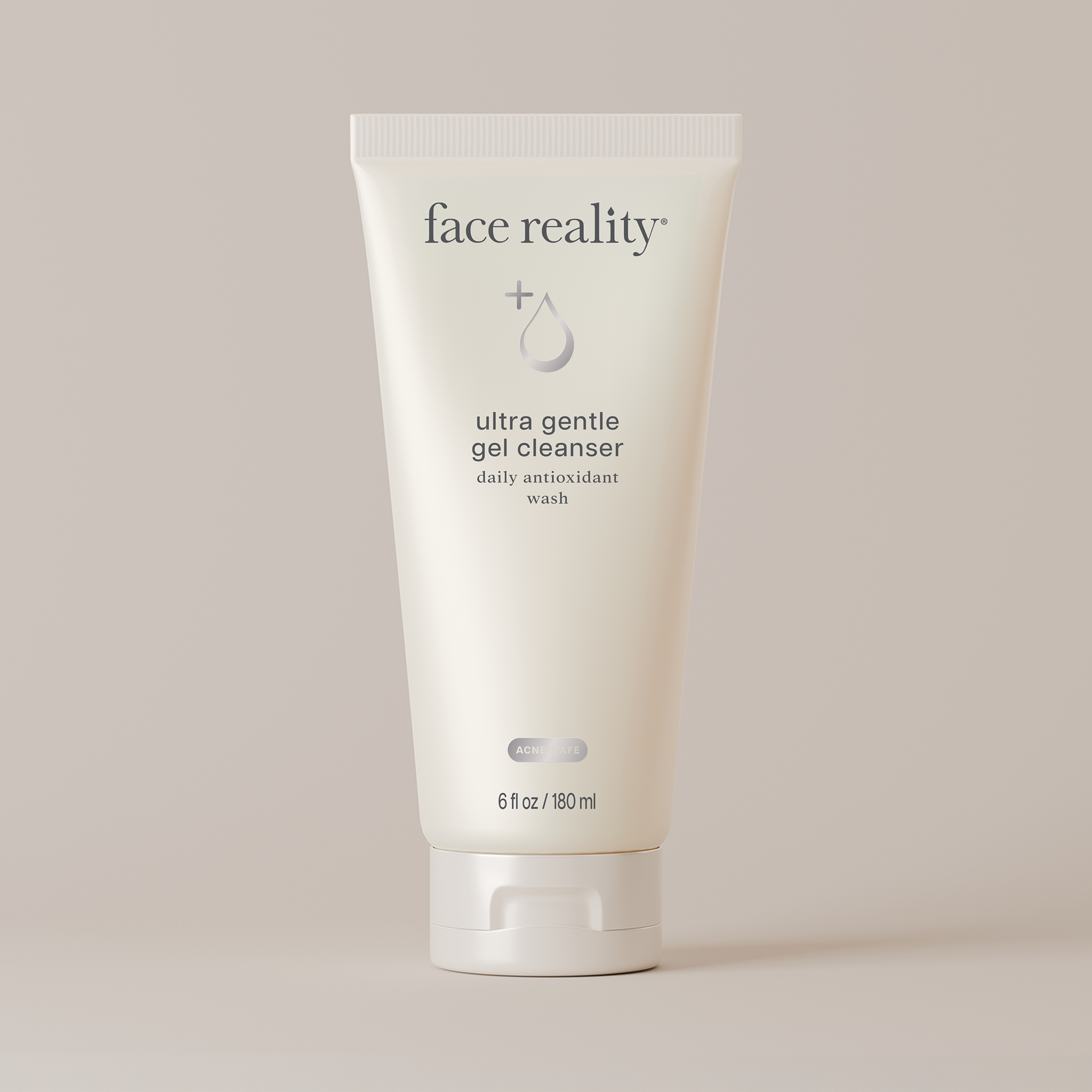
I like a gentle gel cleanser here because it gives me the clean-skin feeling I want without making the rest of the routine harsher. I pay extra attention to the hairline, around the nose, and the places that tend to hold onto buildup the longest. And if I am in the shower, I bring that cleanse down my neck and chest too.
This is one of the reasons my tretinoin routine feels stable now. I am not asking tretinoin to work on top of a sloppy cleanse.
I am careful with what touches my face after cleansing
Once I rinse, I dry my skin with something clean.
That sounds obvious, but I do not like using an already-used towel on my face. If a towel has been sitting around damp, I do not want it anywhere near freshly cleansed skin. I would rather use a clean face towel, a fresh disposable face towel, or even a soft paper towel than pretend that part does not matter.
I do not rub hard here either.
I press. I pat. I dry the skin without roughing it up.
It is a small habit, but tretinoin routines work better for me when the whole routine gets gentler, not just the moisturizer step.
I hydrate first because tretinoin is easier to live with when my skin is not stripped
Before I even think about applying tretinoin, I put hydration back into my skin.
This is the part that keeps the routine from feeling harsh and skeletal.
I like starting with an essence or another watery hydrating layer right after cleansing. If my skin feels a little damp at this point, that is fine, because I want the hydration step to go in well. It helps my skin feel replenished again instead of abruptly dry.
Then I go in with a serum.

I like using a serum here because it gives my skin that healthy, supported feeling before I move into the stronger step. This is where I want ingredients that help with hydration and barrier support instead of more irritation.
The way I think about this step is simple: tretinoin already does enough.
I do not need the rest of my routine to compete with it.
If the only energy in the routine is “stronger, stronger, stronger,” I will eventually pay for that. My skin does better when the early part of the routine is there to calm, hydrate, and support what comes next.
I wait for my skin to dry completely before tretinoin
This is one of the least flashy parts of the routine, and it matters a lot.
I do not apply tretinoin onto damp skin.
Once my essence and serum are on, I wait until everything has fully dried down. I want my face dry before tretinoin touches it because that helps me keep irritation lower. I am not in a rush at this point. Waiting a few extra minutes is better than spending the next three days trying to fix unnecessary sensitivity.
This is also when I protect the areas that are easiest to irritate.
I put a little healing ointment on my lips and into the corners of my mouth because tretinoin has a way of traveling. I do not need to apply it directly onto my lips for my lips to get angry. I would rather buffer that area first than act surprised later.
That one tiny step saves me a lot of grief.
I do not use my face tretinoin under my eyes, on my neck, or across my chest
This is another place where I keep the routine specific instead of pretending all skin zones behave the same.
My face can handle more than my under-eyes, neck, and chest can.
Those areas are thinner for me, more reactive for me, and much easier to push into inflammation. And when my skin gets inflamed, it is not just irritation I am dealing with. I also have to think about the post-inflammatory marks that can hang around after the irritation is gone.
So I keep those zones on a gentler lane.
If I want a retinoid under my eyes or on my neck and chest, I use a retinaldehyde product there a few nights a week instead of trying to force my face-strength tretinoin into areas that do not tolerate it well.
I like that split because it lets me be consistent without being reckless.
And if those areas are feeling even slightly compromised, I skip the retinoid there too. I am much more interested in protecting those areas than proving I can apply an active everywhere at once.
My tretinoin step is one clean layer, not a whole event
Once my skin is dry, I use my tretinoin.
My prescription is already tailored, and that matters. I am not free-styling a stack of strong actives just because I want more results faster. What I use has been prescribed for me, and I keep the application straightforward.
I do not smear on a huge amount.
I use the amount meant for my whole face, dot it around, and blend it in quickly and evenly. That is it.
This step does not need drama. It needs consistency.
One of the easiest mistakes to make with tretinoin is thinking more product will get you there faster. For me, that has never been true. More usually just means drier, angrier skin and a routine I do not want to repeat the next night.
The other mistake is turning tretinoin night into an everything-active night.
I do not want a routine with tretinoin, exfoliating acids, extra resurfacing steps, and half a dozen treatment serums all competing for space. That kind of routine sounds effective on paper and feels terrible in real life.
If my prescription already includes another active ingredient, I leave that combination inside the formula I was actually prescribed. I do not treat that as a reason to start mixing extra strong products around it without thinking.
That line keeps me out of trouble.
I finish with a moisturizer that makes the routine feel calm again
After tretinoin has had a minute to settle, I moisturize.
This is the part that makes the whole routine feel livable.
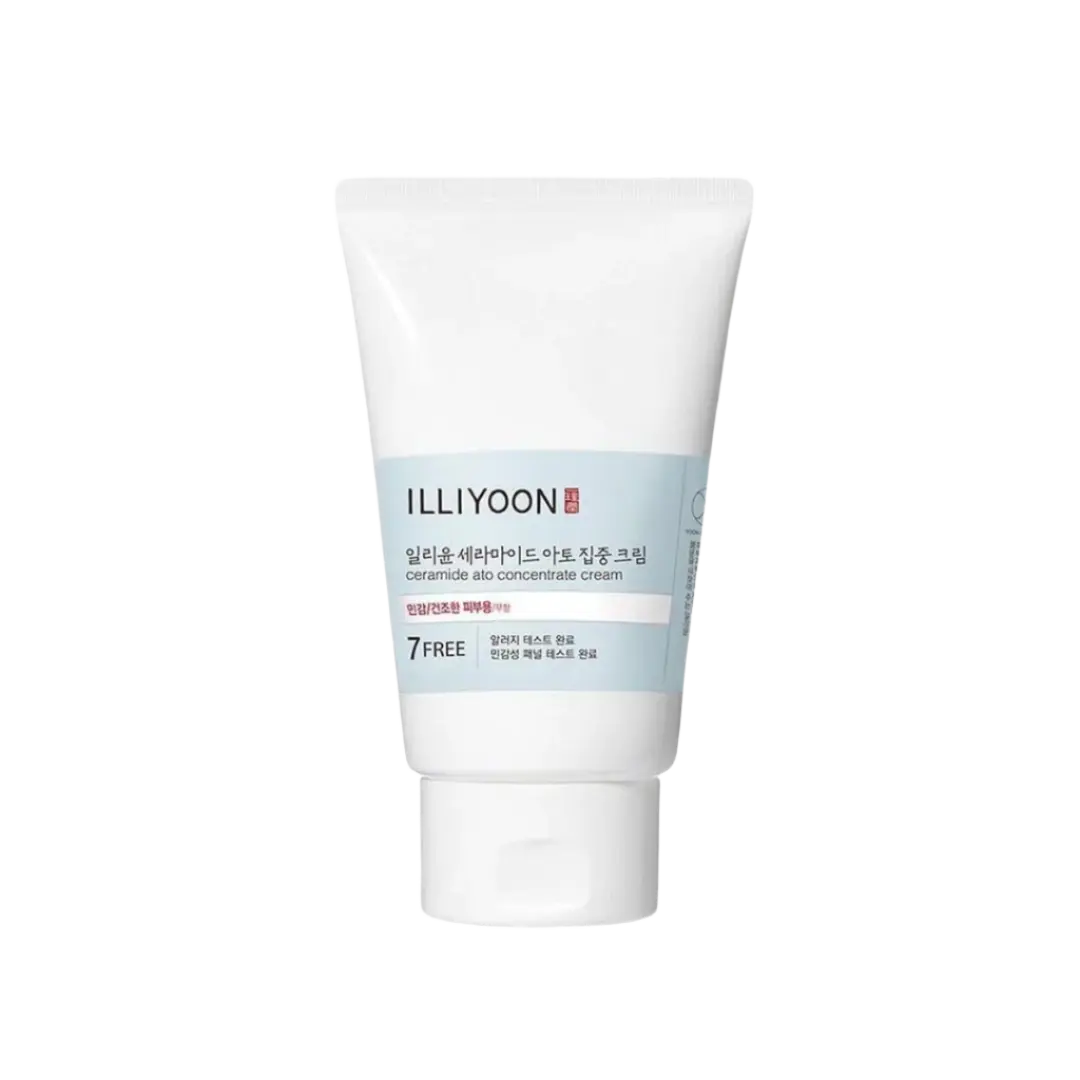
At night, I want a moisturizer with enough body to make my skin feel protected, but not so much that it feels greasy and trapped. I want that soft, cushioned feeling that tells me the routine is closed.
I apply it all over my face, under my eyes, and anywhere that needs the extra comfort. If I need more on my neck and chest, I use more there too.
This is one of the reasons my tretinoin routine stays repeatable. I do not end it on a harsh note. I end it on support.
If you are someone who keeps trying tretinoin and quitting it because your skin feels raw, the problem may not be tretinoin alone. Sometimes the real issue is everything surrounding it: too much cleansing, too little hydration, damp-skin application, no protection around the mouth, or a moisturizer that is not doing enough.
What makes this routine work is not just tretinoin. It is the restraint around tretinoin.
That is probably the main lesson I keep coming back to.
Tretinoin is powerful, but the routine around it matters just as much.
What helps me most is:
- gentle cleansing instead of aggressive cleansing
- hydration before tretinoin, not a stripped base
- completely dry skin before application
- protecting the lips and the corners of my mouth
- keeping tretinoin off the zones that do not tolerate it well
- using a moisturizer I genuinely trust
- backing off when my skin says the timing is wrong
There is nothing fancy about any of that.
It is just disciplined.
And that is why it works.
The morning after matters too
This is still a nighttime routine, but I would be leaving out the most important follow-through if I did not say this:
Morning sunscreen is part of my tretinoin routine too.
I use tretinoin at night, but the way I protect my skin the next day is part of how I keep using it comfortably. If I am going to ask my skin to tolerate a prescription retinoid consistently, I also need to treat UV protection like part of the deal.
That is non-negotiable for me.
If your full PM lineup still feels messy, nighttime skincare routine order (April 2026) and night skincare routine for sensitive skin (April 2026) are the cleanest follow-ups after this.
FAQ
Can I use tretinoin every night?
Maybe, but I would not treat that as the starting line. Nightly use works for me now because I built up to it gradually and I still skip it when my skin is irritated, freshly shaved, or overworked. If you are new to tretinoin, slower is usually smarter.
Should I apply tretinoin on damp skin?
I do not. I wait until my skin is fully dry because that helps me keep irritation down. My hydration steps happen first, but tretinoin goes on only after everything has dried.
Do I put tretinoin under my eyes?
I do not use my face tretinoin under my eyes. That area is much more sensitive for me, so I keep it on a gentler retinoid lane or skip it if my skin is not happy.
Do I use tretinoin on my neck and chest?
Not my face-strength tretinoin. I treat those areas more carefully because they are easier for me to irritate. If I use a retinoid there at all, I keep it gentler and less frequent.
What nights should I skip tretinoin?
I skip on shaving, waxing, threading, dermaplaning, or any night when my skin feels hot, tight, flaky, or newly irritated. I would rather miss one night than spend the next week trying to calm down a preventable reaction.
Can I use azelaic acid with tretinoin?
I only do that inside a prescription formula that was actually made for me. I would not assume every strong combination belongs in a DIY night routine just because the ingredients sound compatible on paper.
Is this a beginner tretinoin routine?
No. This is my established routine after building tolerance over time. If you are just starting out, keep it simpler, go slower, and work with your prescriber on frequency and strength.
What if my skin starts stinging anyway?
Pull back. Do less. Focus on cleansing gently, moisturizing well, and protecting your barrier before trying to “push through” more nights. If the irritation keeps happening, talk to your prescriber instead of forcing the same routine harder.