An inflamed pimple changes the mood of your whole face.
It is red. It is swollen. It is tender. It may feel like it has its own pulse. The instinct is to attack it because it looks urgent, but inflamed acne usually needs the opposite: less trauma, fewer layers, and a plan that respects the swelling.
The goal is to calm the area and prevent a longer mark. The goal is not to win a squeezing contest with your skin.
Quick answer
For an inflamed pimple, do not squeeze aggressively. Cleanse gently, use a warm compress for comfort, consider a plain hydrocolloid patch if there is a whitehead or surface fluid, and avoid stacking harsh spot treatments. Benzoyl peroxide, salicylic acid, azelaic acid, or retinoids can help acne-prone skin when used appropriately, but deep, painful, recurrent, or scarring acne may need a dermatologist.
What inflammation means
Inflammation is your skin's response to a problem inside or around the follicle. The area can become red, swollen, tender, warm, or raised. In acne, inflammation can show up as a papule, pustule, nodule, or cyst-like lesion.
Inflamed pimples are different from tiny clogged pores. They are more likely to hurt. They are also more likely to leave red, brown, or purple marks if irritated.
First decision: surface or deep
Before choosing a treatment, ask whether the pimple is surface-level or deep.
| Clue | Surface inflamed pimple | Deep inflamed pimple |
|---|---|---|
| Visible head | Often yes | Often no |
| Feel | Tender but more superficial | Sore, firm, pressure-like |
| Patch usefulness | Better if fluid is present | Mostly prevents touching |
| Squeezing risk | Still high | Very high |
| Medical help | If severe or recurrent | More likely if painful or scarring |
If it is deep and painful, read the Glass under the skin pimple guide. Deep lesions often need prevention, not just spot care.
What to do in the first hour
Keep the first response simple.
- Wash with a gentle cleanser.
- Pat dry.
- Use a warm compress for 10 to 15 minutes if tender.
- Apply a light moisturizer around the area.
- Use a patch only if the spot has a head or surface fluid.
- Leave it alone.
Warmth can ease discomfort, but it should not burn. Heat damage creates a second injury.
What not to do
Avoid:
- squeezing until it bruises
- using a needle at home
- layering multiple acids
- applying toothpaste
- using undiluted tea tree oil
- scrubbing
- icing directly for too long
- applying a patch over strong actives
- picking off dry skin
Inflamed skin is reactive. The more you punish it, the longer it can stay red.
Can a pimple patch help?
Yes, if the pimple has surface fluid or a whitehead. A hydrocolloid patch can absorb fluid and protect the spot from fingers.
It will not magically flatten a deep nodule. On a deep bump, a patch is mainly a behavior tool. That can still be useful if it stops picking.
For more detail, read the Glass pimple patch guide.
Spot treatment options
Common acne spot or routine ingredients include benzoyl peroxide, salicylic acid, azelaic acid, and retinoids.
Benzoyl peroxide can help inflamed acne but may dry skin and bleach fabrics. Salicylic acid can help clogged pores but may not do much for a deep swollen bump. Azelaic acid can support blemish-prone redness and uneven tone. Retinoids are more about prevention than overnight rescue.
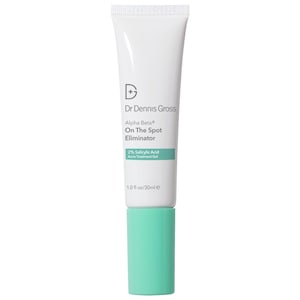
Dr. Dennis Gross 2% Salicylic Acid Acne Treatment Gel is a targeted salicylic example. The Ordinary Azelaic Acid is another option some acne-prone routines use.
Do not dry it into submission
Drying out the pimple can feel productive. Drying out the whole surrounding area is usually counterproductive.
When the skin barrier gets irritated, you may see:
- peeling
- burning
- tightness
- more redness
- makeup catching on flakes
- new irritation bumps
Use treatment in a measured way and moisturize. A lightweight gel cream like Skinfix Barrier Restoring Gel Cream can help if heavier creams feel too much.
Makeup and inflamed pimples
Makeup can cover redness, but pressure can worsen tenderness.
Use:
- clean tools
- thin layers
- tapping instead of rubbing
- a shade that matches the surrounding skin
- gentle removal
If the pimple is open, consider a patch instead of makeup until the surface closes. Do not use dirty concealer wands directly on open acne.
Why it leaves a mark
Inflamed pimples can leave post-inflammatory color changes. On lighter skin, marks may look pink or red. On deeper skin tones, they may look brown, gray-brown, or purple. Picking increases the risk.
To reduce lingering marks:
- avoid squeezing
- treat inflammation early
- use sunscreen
- avoid harsh scrubs
- support the barrier
- consider ingredients like azelaic acid if tolerated
Marks can fade slowly. Scars, which change texture, are different and may need dermatologist care.
If inflamed pimples keep coming back
Recurring inflammation means you need prevention.
Track:
- location
- timing
- cycle relationship if relevant
- shaving
- masks or helmets
- hair products
- sunscreen
- stress and sleep
- foods or supplements if you suspect a pattern
- how long marks last
Glass can help you compare routine changes with flare timing. That is more reliable than trying to remember every product you used during a stressful week.
When to see a dermatologist
See a dermatologist if inflamed pimples are:
- painful
- deep
- frequent
- scarring
- leaving persistent marks
- not improving after careful over-the-counter care
- affecting your confidence
Prescription options can include topical retinoids, benzoyl peroxide combinations, topical or oral antibiotics when appropriate, hormonal options for some people, or isotretinoin for severe acne. The right choice depends on your health history and acne pattern.
Red flags
Get medical care promptly if a pimple-like bump is:
- rapidly enlarging
- very painful
- hot
- surrounded by spreading redness
- draining heavily
- associated with fever
- near the eye
- on genital skin with blisters, ulcers, discharge, or urinary symptoms
- recurring as painful boils in groin, armpit, or buttock folds
Those patterns are not routine acne-management situations.
A calm 48-hour plan
For a typical inflamed pimple:
- Cleanse gently morning and night.
- Use warm compresses for tenderness.
- Patch only if surface fluid is present.
- Use one acne-active step, not five.
- Moisturize.
- Use sunscreen in the morning.
- Do not pick.
- Reassess after two days.
If it is worse after 48 hours, unusually painful, or spreading, get care.
Why one active is enough
Inflamed acne makes people impatient, and impatience creates crowded routines. A cleanser with acid, a spot treatment, a retinoid, a drying mask, and an essential oil can all feel reasonable in the moment. Together, they can damage the barrier and make redness last longer.
Choose the job:
- benzoyl peroxide for inflamed acne-prone areas
- salicylic acid for clogged surface congestion
- azelaic acid for blemish-prone redness support
- retinoid for prevention
- patch for protection and picking control
One job at a time is easier to tolerate and easier to evaluate.
If the pimple is in a high-risk spot
Be more cautious with inflamed bumps near the eye, nose, lips, genitals, or areas that are rapidly swelling. Do not use strong spot treatments near the eye. Do not apply facial acne acids to genital lesions. Do not squeeze a painful bump near the nose until it bleeds.
Location changes risk. If a bump is unusually painful, close to the eye, or paired with swelling, fever, or spreading redness, get medical advice.
How to compare progress
Take progress photos in the same light if you are tracking a stubborn inflamed pimple. Bathroom lighting can make redness look better or worse depending on the angle. A consistent Glass check-in can show whether swelling is actually going down, whether the spot is flattening, and whether new inflamed pimples are appearing nearby.
If the same kind of pimple keeps returning, the useful question becomes prevention, not how to calm each one after it appears.
What improvement should feel like
An inflamed pimple should gradually feel less tender and less pressurized. Redness may outlast soreness. A flat pink or brown mark after the swelling settles is common. That leftover color is different from an active painful bump.
If the pimple feels more painful each day, becomes hot, spreads redness outward, or drains heavily, that is not the normal calm-down pattern. Get medical care instead of escalating spot treatments.
How to prevent the next inflamed spot
Prevention depends on your pattern. If inflamed pimples cluster around the jaw, cycles and deeper acne may matter. If they appear where a helmet or mask rubs, friction matters. If they show up after new hair products, transfer matters. If they happen after shaving, ingrowns may be involved.
The routine should match the trigger. A retinoid plan, benzoyl peroxide wash, shaving change, or product swap can all be reasonable in different situations. Guessing less is the real upgrade.
Bottom line
An inflamed pimple needs calm, not combat. Protect it, reduce touching, use acne ingredients carefully, and avoid turning one swollen spot into a larger injury.
If inflammation is deep, recurring, painful, or scarring, a dermatologist can help prevent the next pimple instead of only reacting to this one. That is the difference between spot treatment and a real acne plan.