A pustule pimple is the obvious one.
It has a white or yellow tip. It looks ready. It makes squeezing feel logical.
That is exactly why it needs a plan. A pustule is inflamed. If you crush the surrounding skin, you can turn a small breakout into a swollen mark that lasts longer than the original pimple would have. The goal is not to punish the pore until it gives up. The goal is to reduce inflammation, protect the skin, and prevent the next round.
Quick answer
A pustule pimple is an inflamed acne lesion with pus at the tip. It can happen when a clogged pore becomes inflamed. Do not squeeze aggressively. Use gentle cleansing, consider a hydrocolloid patch if there is surface fluid, and use acne ingredients carefully. Seek medical care if the bump is very painful, spreading, hot, recurrent, draining heavily, associated with fever, or leaving scars.
What a pustule is
A pustule is a raised inflamed bump with visible pus. In acne language, people often call it a whitehead, but technically whiteheads can also mean closed comedones without the same inflamed pus tip. The everyday point is simpler: a pustule is a pimple with a visible head.
It can look:
- red around the base
- white or yellow at the center
- tender
- shiny
- swollen
- tempting to pop
Pustules can appear on the face, chest, back, neck, shoulders, and other hair-bearing areas. On the body, some pimple-like pustules are folliculitis rather than classic acne.
Why pus appears
Pus is part of an inflammatory response. In acne, a follicle can become blocked with oil and dead skin cells. Inflammation builds. The visible white or yellow material is not just "dirt." It is fluid, dead cells, and inflammatory debris.
That is why scrubbing harder does not solve it. Acne is not a cleanliness problem. Over-cleansing can irritate the surrounding skin and make the pimple look angrier.
Pustule versus papule
A papule is an inflamed bump without a visible pus tip. A pustule has that visible tip.
| Feature | Papule | Pustule |
|---|---|---|
| Surface | No white or yellow head | White or yellow tip |
| Feel | Tender, raised | Tender, raised, often more obvious |
| Patch fit | Usually limited | Better if surface fluid is present |
| Squeezing risk | High | High, even if it looks ready |
Both are inflamed. Both can leave marks if picked.
Should you pop it?
No aggressive popping.
That does not mean a pustule never drains naturally. It means forcing it with nails, tools, needles, or repeated pressure can damage the skin around it. People often think they emptied the pimple, but what they really did was create a wider injury.
Do not pop if:
- it is deep
- it is very painful
- it is near the eye
- it is on genital skin
- the redness is spreading
- the skin feels hot
- you have a history of scarring
- you are using strong acne medications that make skin fragile
If a pustule opens while cleansing, rinse gently, pat dry, and protect it.
What to do the first day
Keep the response boring.
- Cleanse gently.
- Pat dry.
- Apply a plain hydrocolloid patch if the spot is open or has surface fluid.
- Avoid stacking spot treatments.
- Moisturize the surrounding skin.
- Use sunscreen in the morning.
A patch can help protect the area and reduce picking. It does not need a strong acid underneath.
For a deeper patch breakdown, see Glass's pimple patch guide.
Ingredients that can help
Pustules are inflamed, so acne ingredients can help when used correctly.
Common options include:
- benzoyl peroxide
- salicylic acid
- azelaic acid
- topical retinoids for prevention
Benzoyl peroxide can help with inflamed acne but can dry skin and bleach towels. Salicylic acid can help with clogged pores, but too much can sting. Azelaic acid can be useful for blemish-prone redness and post-breakout tone support.
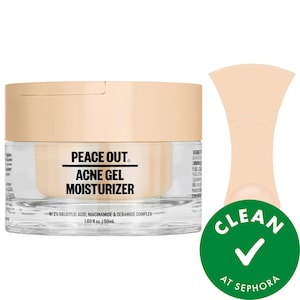
The Ordinary Azelaic Acid is one product example. Peace Out 2% Salicylic Acid Acne Gel Moisturizer is another acne-focused option, though salicylic acid moisturizers still need careful introduction.
Why moisturizer still matters
People often skip moisturizer when a pustule appears because the skin feels oily. That can backfire. Dry, irritated skin is less tolerant of acne treatment. It can peel, burn, and make the entire area look inflamed.
Use a light, non-greasy moisturizer if your skin tolerates it. A barrier-supporting gel cream can help keep the routine consistent without feeling heavy. The point is not to smother the pimple. It is to keep the surrounding skin calm.
Makeup over a pustule
Makeup is not forbidden, but pressure matters.
Use:
- thin layers
- clean hands or tools
- gentle tapping
- non-comedogenic products if acne-prone
- careful removal at night
Avoid dragging concealer over the tip or using a dirty brush. If the pustule is open, a patch may be better than makeup until the surface is closed.
Body pustules
Pustule-like bumps on the chest, back, buttocks, thighs, or stomach may be acne, but they may also be folliculitis. Folliculitis involves inflamed hair follicles and can look very similar to acne.
Clues that body bumps might be folliculitis include:
- many similar bumps around hairs
- itch
- flares after sweating
- flares after tight clothing
- bumps after shaving
- hot tub exposure
- recurrence on thighs, buttocks, or trunk
If body pustules spread, hurt, itch intensely, or keep coming back, get checked. Treatment depends on the cause.
When pustules keep recurring
One pustule is a spot. Repeating pustules are a pattern.
Track:
- location
- timing
- menstrual cycle relationship if relevant
- shaving or friction
- workout timing
- new products
- sunscreen changes
- sleep and stress patterns
- whether marks linger
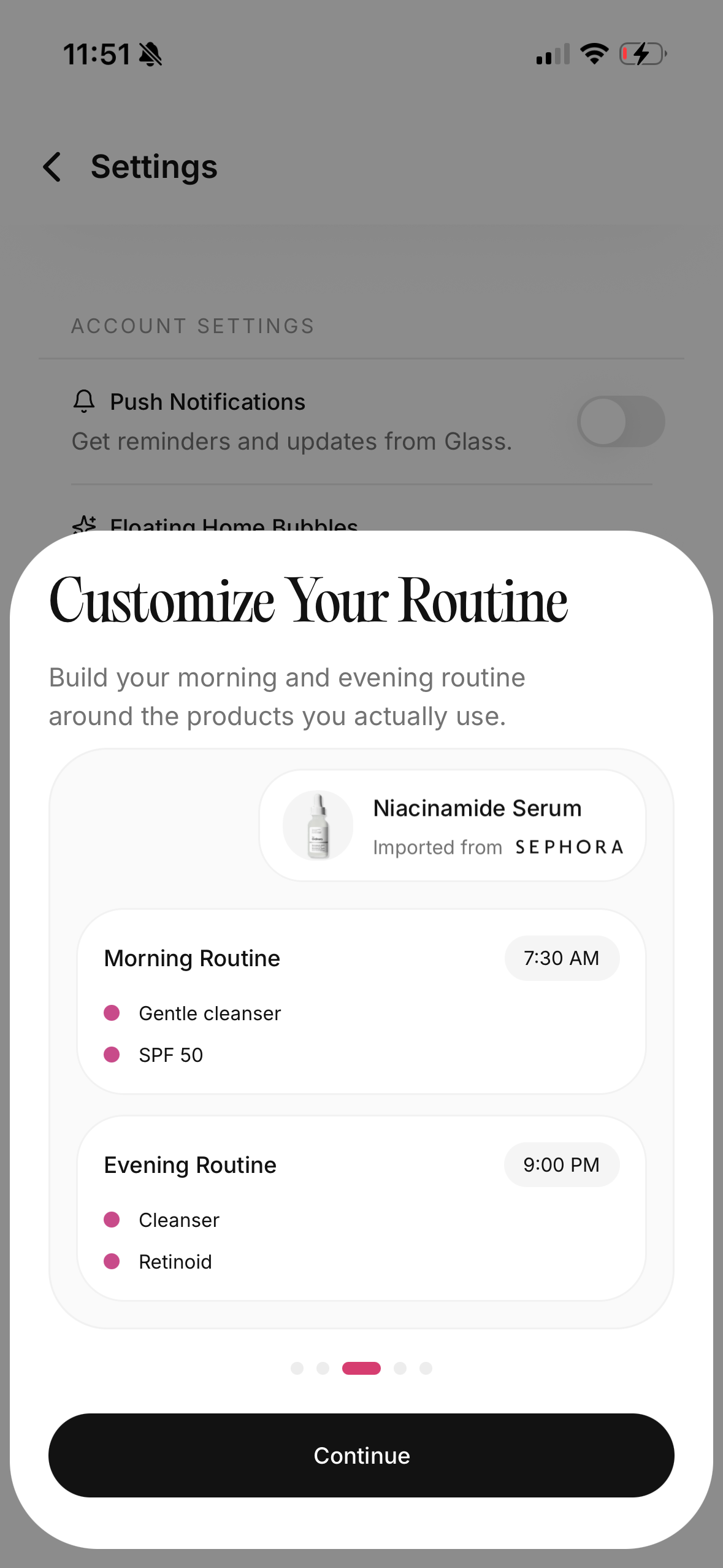
Glass can help you see whether pustules cluster around a product change, a workout habit, or a routine gap. That makes prevention easier than guessing.
Red flags
Get medical care if a pustule or pimple-like bump is:
- rapidly enlarging
- very painful
- hot
- spreading
- draining heavily
- associated with fever
- near the eye
- on genital skin with sores, blisters, discharge, or urinary symptoms
- recurrent in groin, armpits, or buttocks folds
- leaving scars
- not improving
Also see a dermatologist if acne is frequent, painful, or affecting your confidence. Prescription options can reduce inflammation and prevent scarring.
A simple pustule plan
For a normal single pustule:
- Cleanse gently.
- Do not squeeze hard.
- Patch if it has surface fluid.
- Keep actives measured.
- Moisturize the surrounding skin.
- Protect from sun.
- Track recurrence.
If it behaves differently from your usual acne, escalate care.
What healing can look like
A pustule does not always disappear in one clean step. It may flatten first, then leave redness. The white tip may dry. The surrounding swelling may settle before the color fades. On deeper skin tones, the leftover mark may look brown or purple. On lighter skin tones, it may look pink or red.
That mark is not always a scar. A scar changes texture, leaving a dent, raised area, or firm tissue. A color mark can still be frustrating, but it often fades with time, sun protection, and less picking.
The best way to help healing is to stop reopening the spot. Every squeeze restarts part of the inflammation cycle.
If you get pustules in the same place
Recurring pustules in one zone deserve a pattern check. Around the mouth, consider lip balms, toothpaste irritation, shaving, or mask friction. On the forehead, look at hair products and hats. On the back and chest, think sweat, tight clothes, and body products. Along the jaw, cycles, shaving, and deeper acne patterns can matter.
If the same pore seems to refill over and over, do not keep extracting it at home. It could be a deeper inflamed follicle, cyst, or acne pattern that needs different care.
How to avoid turning it into a mark
The mark-prevention basics are not dramatic:
- keep nails off it
- avoid harsh scrubs
- use sunscreen
- moisturize irritated skin
- do not layer five drying products
- treat recurring acne before it becomes inflamed
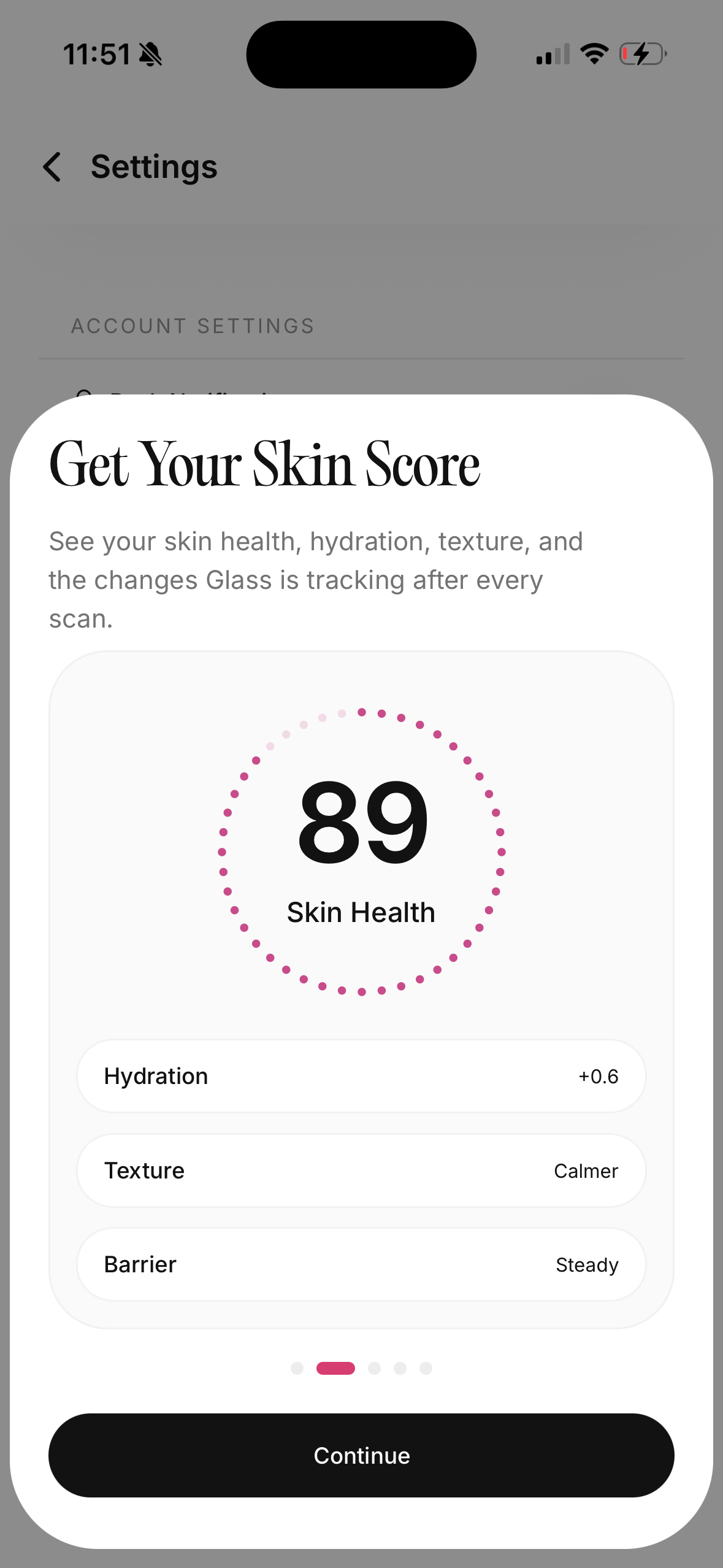
This is where a simple Glass routine log helps. If your marks mostly come from picked pustules, patches may help. If they come from new inflamed lesions every week, prevention matters more than spot care.
When a pustule is part of acne, not an emergency
Most single pustules are not emergencies. They are annoying, visible, and sometimes sore, but they often calm with gentle care. The mistake is treating every pustule like a crisis and changing the whole routine overnight.
If the rest of your skin is stable, keep your baseline routine steady. Add one measured acne step if needed. Do not throw away every product because one pore became inflamed. Consistency helps you see what is actually working.
When a pustule deserves more respect
A pustule deserves more caution when it is unusually large, very painful, spreading, or surrounded by warmth. It also deserves more caution if you are getting clusters on the body, recurrent pustules after shaving, or bumps that leave scars.
That is the point where a clinician can help separate acne from folliculitis, infection, medication effects, or another skin condition.
Bottom line
A pustule pimple is inflamed acne with a visible pus tip. It looks easy to pop, but force usually makes the story longer. Gentle care, selective patching, and consistent prevention work better than panic squeezing.
If pustules are frequent, painful, body-wide, unusual, or scarring, do not keep treating them as random surface spots. Get a clinician or dermatologist involved and build a prevention plan around the real pattern.