Oily skin can trick you.
It looks like it needs less.
Less moisturizer. Less cushion. More cleansing. More acid. More control.
That is how the routine gets mean.
I have seen the same pattern over and over: the skin feels greasy by dinner, so the night routine gets harsher. A stronger cleanser comes in. Then a toner. Then a daily acid. Then the skin starts feeling tight, shiny, bumpy, and strangely dry underneath the oil.
That is not progress.
That is a routine trying to win a fight your skin never agreed to have.
The better night skincare routine for oily skin is calmer than people expect. It removes sunscreen and buildup, treats the right problem on the right nights, and still moisturizes enough that your skin does not wake up feeling punished.
Quick answer
If your skin is oily at night, I would build the routine like this:
- Remove sunscreen or makeup with a balm, micellar water, or light first cleanse if needed.
- Use one gentle gel cleanser, not a punishing scrub or squeaky foam.
- Treat only one main problem per night: clogged pores, breakouts, texture, or marks.
- Use a lightweight moisturizer even if your face gets shiny.
- Track the routine for four to six weeks before blaming the wrong product.
The biggest shift is this: stop treating oil like dirt.
Oil is not dirt. It is a signal. Sometimes it means your skin is naturally oily. Sometimes it means your moisturizer is too heavy. Sometimes it means your cleanser is too aggressive and your skin is trying to recover. Your night routine has to tell the difference.
The oily night routine that actually makes sense
Here is the version I would start with if I wanted less shine, fewer clogged pores, and a routine that did not leave my face feeling raw.
| Step | What I would use | Why it works for oily skin |
|---|---|---|
| First cleanse, only when needed | Micellar water, cleansing balm, or oil cleanser | Removes sunscreen and makeup so the second cleanse does not have to be harsh |
| Cleanser | Gentle gel cleanser or acne cleanser used selectively | Cleans without turning your face into a tight, squeaky surface |
| Treatment | Salicylic acid, retinoid, azelaic acid, niacinamide, or a simple hydrating serum | Targets the real bottleneck instead of throwing every active at the skin |
| Moisturizer | Water cream, gel cream, or light barrier moisturizer | Keeps oily skin hydrated without making the routine feel heavy |
| Optional spot step | Acne spot treatment, used only where needed | Keeps breakouts targeted instead of treating the whole face like a problem |
That is enough.
Most oily routines do not fail because they are missing a seventh step. They fail because the same face is being exfoliated, scrubbed, dried out, and then under-moisturized every night.
The cleanser is where oily routines usually go wrong
The cleanser feels like the obvious place to get aggressive.
It is also the easiest place to damage the routine.
If your face feels tight five minutes after washing, I would not call that clean. I would call that a warning. Oily skin can tolerate some cleansing power, but it still needs a barrier. Once the barrier is irritated, everything gets harder to read. Moisturizer stings. Serums feel suspicious. The skin looks shiny but dehydrated. Breakouts become harder to connect to one cause because the whole routine is now noisy.
For most oily skin, a gel cleanser is the safest starting point. If you wear sunscreen or makeup, double cleansing can make sense at night, but the second cleanse still needs to be gentle. The goal is not to remove every trace of oil from your face. The goal is to remove the day without making your skin overreact.
If you use an acne cleanser with salicylic acid or benzoyl peroxide, I would treat it like an active, not like a basic wash. That means you do not automatically need it twice a day, every day, forever. Some people do well with it nightly. A lot of people do better using it a few nights a week and keeping the rest of the routine boring.
My first rule: do not use every active on the same night
Oily skin attracts active ingredients.
Salicylic acid for pores.
Niacinamide for oil.
Retinol for texture.
Azelaic acid for redness and marks.
Vitamin C for brightness.
Glycolic acid for glow.
That list can become a trap.
Every ingredient may have a good reason to exist, but your face still has to tolerate the routine as a whole. When people say they have "tried everything," sometimes what they mean is they tried everything at once, changed too quickly, and never gave the skin a stable baseline.
I like rotating nights because it makes the routine easier to understand.
If clogged pores are the main issue
Use a salicylic acid product at night two or three times a week to start. Keep the cleanser and moisturizer gentle on those nights. Do not stack it with a peel, a scrub, and a strong retinoid just because your pores are annoying you.
Salicylic acid is oil-soluble, which is why it gets used so often for oily and congested skin. The mistake is thinking more frequency always means better results. If your skin starts feeling tight, flaky, or stingy, the routine is telling you it needs less pressure.
If breakouts are the main issue
Keep the routine stable and choose one acne lane. That could be benzoyl peroxide, salicylic acid, adapalene, azelaic acid, or a prescription path from a dermatologist.
The boring part matters here. Acne routines need enough consistency to show a pattern. If you change cleanser, moisturizer, treatment, mask, and sunscreen in the same week, you have no idea what helped or what hurt.
If acne is painful, scarring, cystic, sudden, or not improving after a real trial, do not keep trying to solve it alone with random product switches. That is when dermatology help is worth it.
If your skin is oily but dehydrated
This is the routine I would soften first.
Oily-dehydrated skin often looks shiny but feels tight. Makeup catches. Sunscreen pills. The forehead looks greasy, but the cheeks feel uncomfortable after cleansing. That combination makes people reach for more oil control, when the better move is often more hydration and less stripping.
I would use a gentle cleanser, a hydrating serum if needed, and a light moisturizer. I would pause strong exfoliation for a bit. Then I would watch whether the skin starts feeling less frantic.
If this sounds like your face, oily dehydrated skin skincare routine is the next thing I would read.
Product lanes I would consider for an oily night routine
I would not buy all of these. That would defeat the point.
I would pick the lane that matches the problem I am actually solving.
| Product | Image | Best night routine role | Who should consider it | Who should skip it |
|---|---|---|---|---|
| Skinfix Acne+ 2% BHA + Azelaic Acid + Niacinamide + AHA Cleanser |  | Active cleanser night | Oily, congested, breakout-prone skin that tolerates active cleansers | Skin that already feels raw, stingy, or over-exfoliated |
| Sunday Riley Breakout Breakup Salicylic Acid Cleanser | 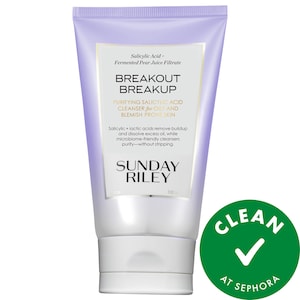 | Pore and breakout cleanse | People who want a salicylic acid cleanser instead of a separate acid serum | Anyone already using several exfoliating treatments |
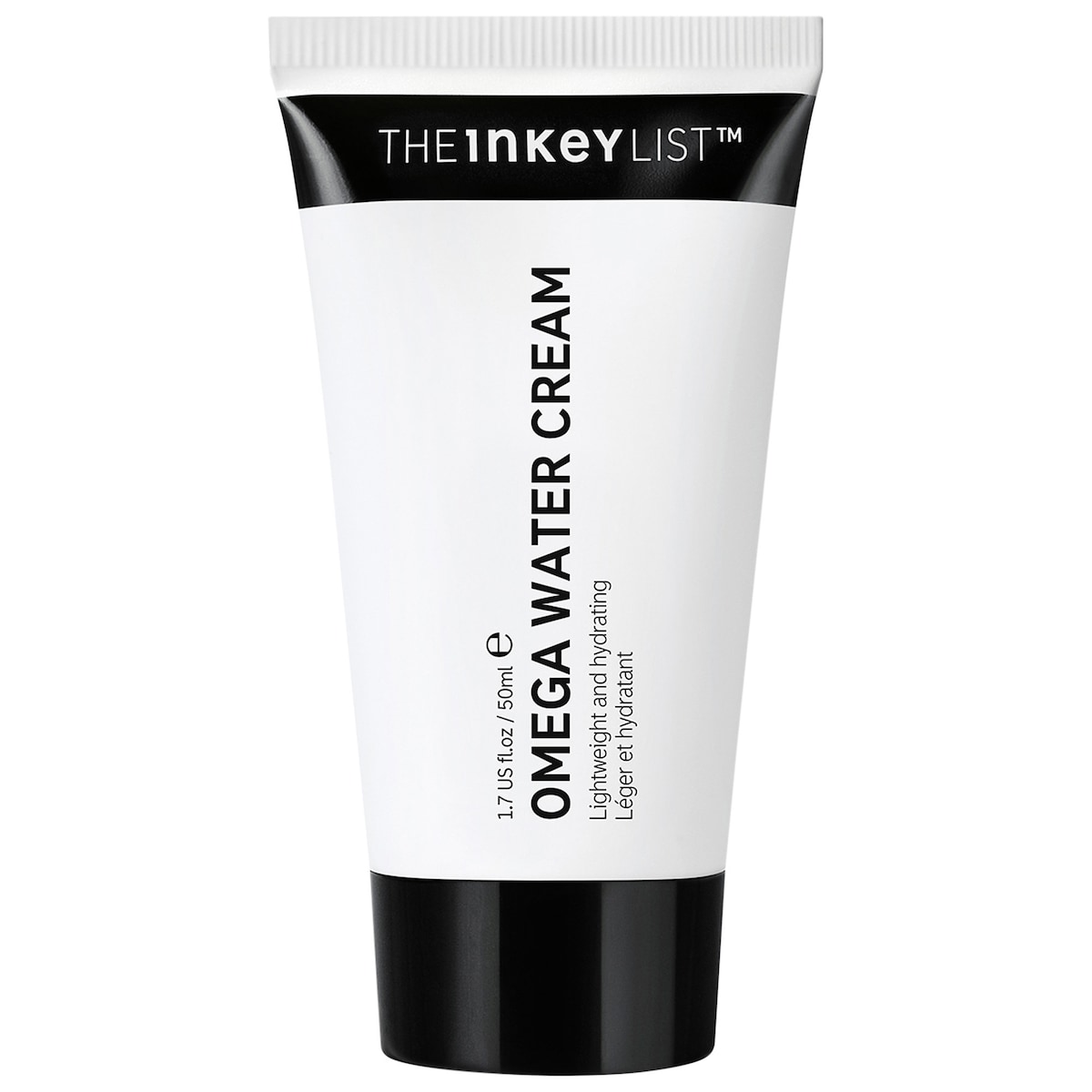
| The INKEY List Omega Water Cream Oil-Free Moisturizer + Niacinamide | 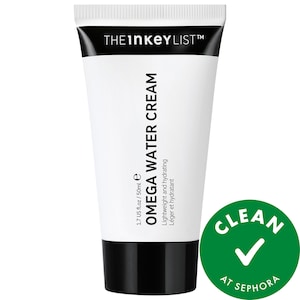 | Lightweight moisturizer | Oily skin that hates heavy cream but still needs comfort | Very dry, flaky skin that needs more cushion |
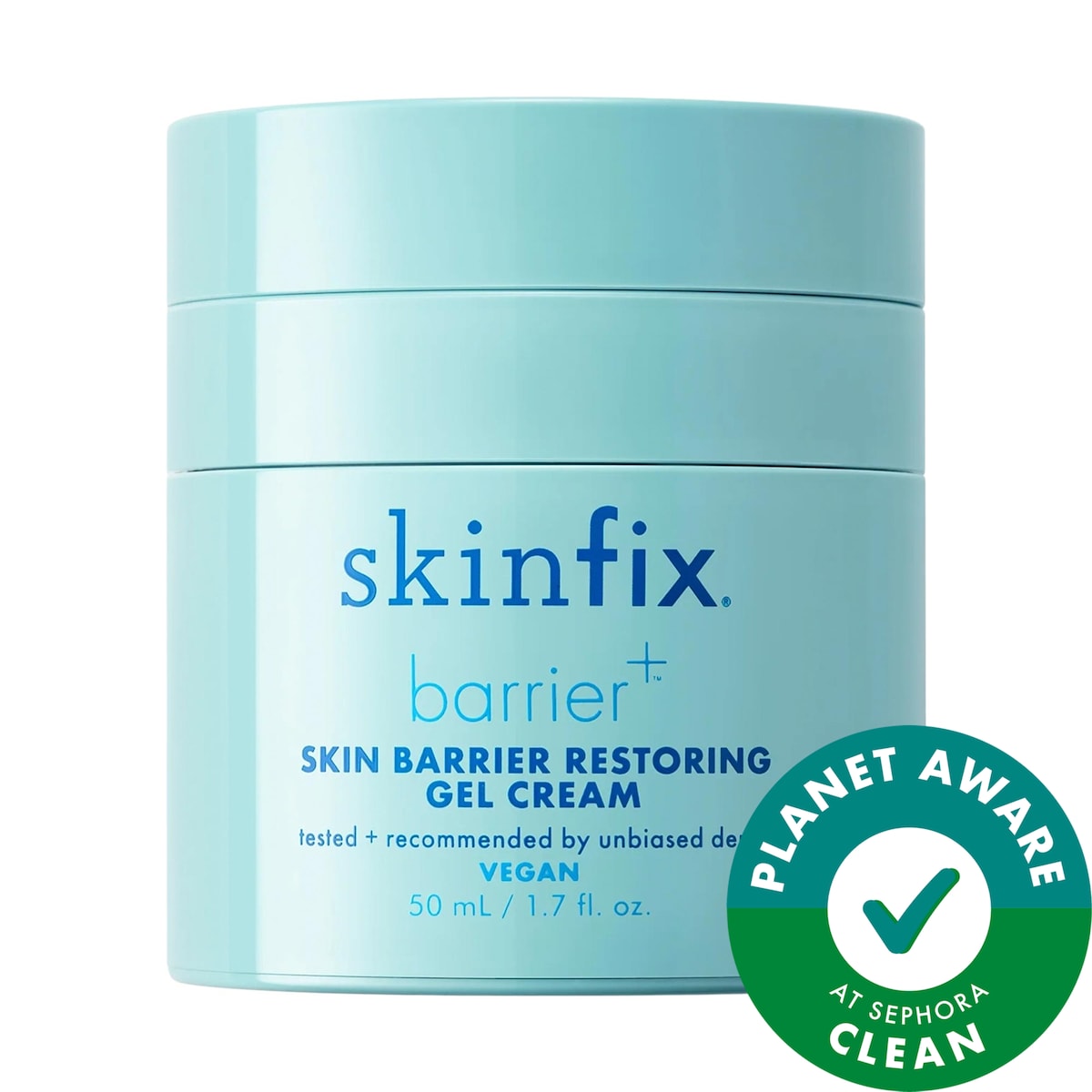
| Skinfix Barrier Balancing Water Cream Moisturizer | 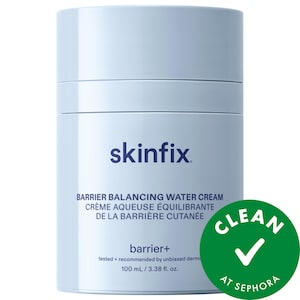 | Barrier support without a greasy feel | Oily skin that gets irritated easily or feels dehydrated under shine | People who prefer a very matte finish |
| Tatcha The Water Cream |  | Polished gel-cream finish | Oily skin that wants a more elegant moisturizer texture | Budget-focused routines where a simpler gel cream is enough |
| Torriden DIVE IN 5D Hyaluronic Acid Serum | 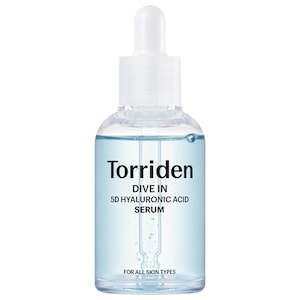 | Hydration layer | Oily-dehydrated skin that feels tight after cleansing | Anyone expecting it to replace acne treatment |
Product lists are useful only if they help you buy less randomly.
If your skin is oily and comfortable, you may not need a hydrating serum. If your skin is oily and clogged, you may not need three moisturizers. If your skin is oily and irritated, you may need fewer actives before you need a new active.
The routine I would use for four different oily-skin situations
The word "oily" is too broad by itself.
So I would split it by what the skin is doing.
Oily but mostly clear
This routine should stay boring.
Night:
- First cleanse only if you wore sunscreen or makeup.
- Gentle gel cleanser.
- Lightweight moisturizer.
- Optional niacinamide serum if oil balance and tone are still annoying.
I would not add a strong acne cleanser just because the skin gets shiny. If the skin is clear, comfortable, and just oily, the goal is balance, not punishment.
Oily with clogged pores
This is where salicylic acid can earn a place.
Night:
- Remove sunscreen or makeup.
- Gentle cleanser most nights.
- Salicylic acid product two or three nights a week.
- Lightweight moisturizer every night.
The part I would watch is texture. If the skin gets smoother without getting tight, you are probably in the right range. If the skin gets shiny, flaky, and reactive, you are doing too much.
Oily with active breakouts
This routine needs patience.
Night:
- Gentle cleanse.
- One acne treatment lane.
- Lightweight moisturizer.
- Spot treatment only where needed.
I would not use a full-face acid, a full-face retinoid, an acne cleanser, and a drying spot treatment every night unless a clinician built that plan for me. For most people, that is how a breakout routine turns into a barrier problem.
If this is your main concern, night skincare routine for acne-prone skin goes deeper into the breakout side.
Oily but sensitive
This is the routine that should move slowest.
Night:
- Gentle cleanser.
- Moisturizer.
- One treatment only after the skin feels stable.
Sensitive oily skin is easy to underestimate because it does not look dry in the classic way. But if products sting, redness lingers, or the skin feels hot after cleansing, the routine has to earn back trust before actives come back in.
What I would stop doing first
If your oily night routine is not working, I would not immediately buy five new products.
I would remove the obvious friction first.
- Stop using multiple exfoliants in the same night.
- Stop cleansing until your skin feels squeaky.
- Stop skipping moisturizer because you are afraid of shine.
- Stop changing products every few days.
- Stop using a drying spot treatment across your whole face.
- Stop judging the routine after one oily morning.
That last one matters.
Oily skin will still produce oil. A good routine does not turn oily skin into dry skin. It makes oily skin steadier, calmer, less congested, and easier to live with.
How I would track whether it is working
The mirror is useful, but memory is unreliable.
I would track the same few things every night:
| Signal | What to notice |
|---|---|
| Cleansing feel | Tight, comfortable, slippery, stingy, or still dirty |
| Oil level by morning | Normal shine, heavy shine, dry patches, or balanced |
| Breakouts | New, healing, inflamed, clustered, or random |
| Texture | Bumpy, smoother, flaky, rough, or unchanged |
| Routine consistency | Which nights you actually did the routine |
That is where Glass helps if you are tired of guessing. The useful part is not just checking off a routine. It is keeping the product, routine, scan, and context trail together so you can see whether your skin is actually becoming more predictable.
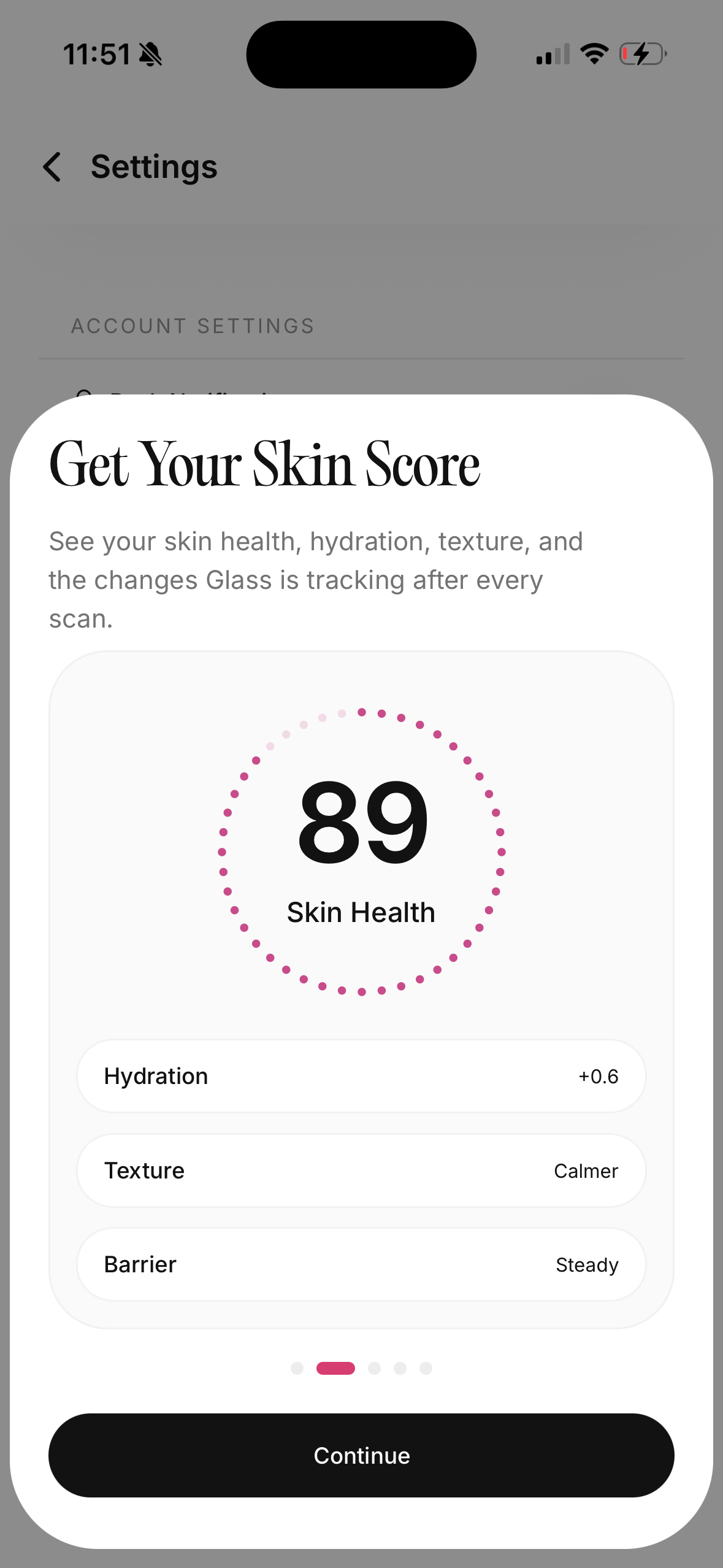
If your skin improves, you have a trail. If your skin gets irritated, you have a trail. If nothing changes, you can see whether the routine was actually consistent before deciding the products failed.
That is much better than rebuilding the whole routine because your face looked shiny on Tuesday.
My simplest oily night routine template
If I had to strip this down to the version I would actually keep on a bathroom counter, it would look like this:
Most nights
- Remove sunscreen if needed.
- Gentle gel cleanser.
- Lightweight moisturizer.
Two or three treatment nights
- Remove sunscreen if needed.
- Gentle cleanser.
- Salicylic acid or retinoid, not both at full strength.
- Lightweight moisturizer.
Recovery nights
- Gentle cleanser.
- Hydrating serum if the skin feels tight.
- Barrier-friendly moisturizer.
Recovery nights are not lazy nights. They are what keep the treatment nights tolerable.
When to adjust the routine
I would adjust if the same signal shows up repeatedly.
If your face feels tight every night after cleansing, soften the cleanser.
If you wake up greasy but also flaky, reduce exfoliation and add better hydration.
If your moisturizer sits on top and never absorbs, try a lighter gel cream.
If your skin is shiny but comfortable and clear, you may not need to fix much.
If breakouts keep forming in the same areas, stop rotating random actives and give one acne plan enough time to work.
If your skin burns, stings, or suddenly hates products it used to tolerate, pause the actives and rebuild the baseline.
The routine should respond to evidence, not panic.
The bottom line
The best night skincare routine for oily skin is not the harshest one.
It is the one you can repeat without your skin feeling stripped, confused, or constantly reset.
Cleanse well. Treat carefully. Moisturize lightly. Track the pattern. Change one thing at a time.
That sounds simple because it is.
It is also the part most people skip.
Oily skin does not need to be beaten into behaving. It needs a routine that can tell the difference between oil, dehydration, congestion, irritation, and a normal human face having a normal human week.
Once you can see that difference, the whole routine gets quieter.
And quieter is usually when oily skin starts looking better.
FAQ
Should oily skin use moisturizer at night?
Yes. Oily skin can still be dehydrated or barrier-stressed. The trick is choosing a light gel cream, water cream, or oil-free moisturizer instead of skipping moisturizer completely.
Is salicylic acid good at night for oily skin?
It can be. Salicylic acid is a useful lane for clogged pores and oily, breakout-prone skin, but it does not need to be stacked with every other active. Start a few nights a week and watch for tightness or stinging.
Should I double cleanse if I have oily skin?
Double cleansing can help if you wear sunscreen, makeup, or water-resistant products. If you do not, one gentle cleanser may be enough. The second cleanse should still be gentle.
Why is my oily skin also dry and tight?
That usually points to dehydration, irritation, over-cleansing, over-exfoliation, or a moisturizer mismatch. Shiny skin does not always mean well-hydrated skin.
How long should I try a night routine before changing it?
Give comfort signals a few days and progress signals several weeks. If a product burns or causes obvious irritation, do not force it. If the routine is comfortable but slow, track it long enough to see a pattern before changing everything.