
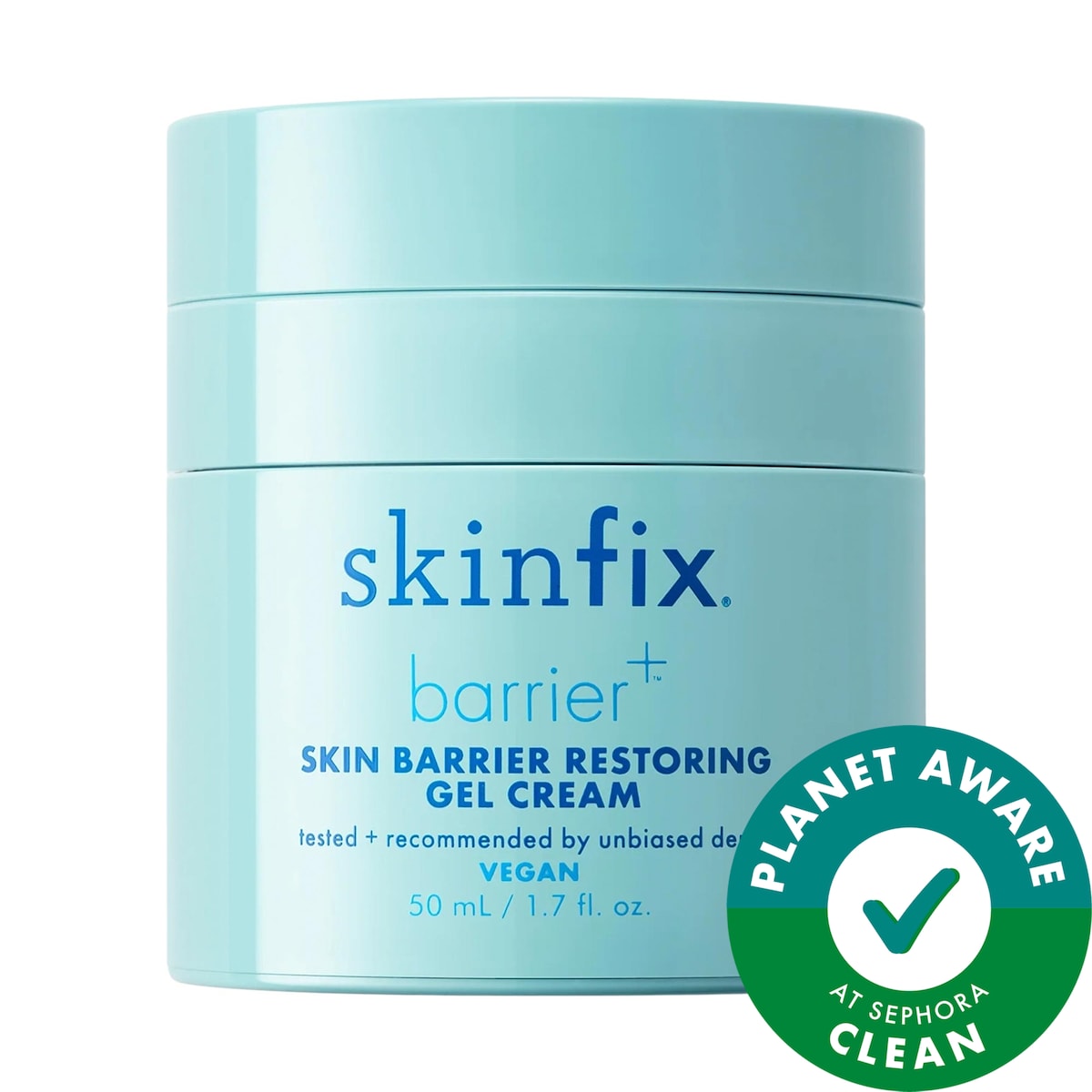
I understand the pull of this one.
Barrier repair sounds comforting. Gel cream sounds lightweight. Niacinamide sounds useful. Pore-refining sounds like the thing oily and combination skin keeps hoping moisturizer can quietly handle.
That is a strong pitch.
But Skinfix Skin Barrier Restoring Gel Cream with Pore-Refining Niacinamide and Peptides is not the moisturizer I would hand to every dry or sensitive face. I would buy it for a more specific person: someone who wants barrier support but hates the heavy, sealed-in feeling of traditional barrier creams.
As of May 2026, the Sephora product data available to Glass shows a $46 to $54 price range. That puts it above basic gel moisturizers and below the most expensive prestige creams.
So it has to earn the middle.
My quick answer: I would consider Skinfix Gel Cream if my skin is normal, combination, oily, or acne-prone and I want hydration that feels controlled instead of plush. I would skip it if my skin is very dry, peeling, barrier-damaged in a burning way, or already irritated by niacinamide.
The product is not just asking, "Do you need moisture?"
It is asking, "Do you need moisture without extra weight?"
That is the better question.
| Product | Image | Price signal in May 2026 | Best fit |
|---|---|---|---|
| Skinfix Skin Barrier Restoring Gel Cream |  | $46.00 - $54.00 | Oily, combination, or normal skin that wants barrier support without a heavy cream feel |
| Skinfix Barrier Balancing Water Cream | 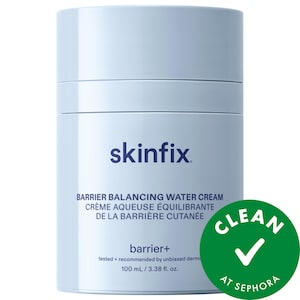 | $20.00 - $85.00 | A lighter Skinfix lane for oily or combination skin that wants a cleaner hydration feel |
| The INKEY List Omega Water Cream | 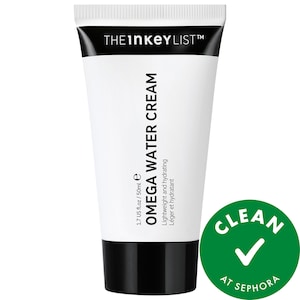 | $14.00 | Budget-friendly oil-free hydration with niacinamide |
| belif The True Cream Aqua Bomb | 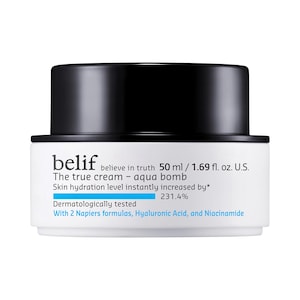 | $24.00 - $67.00 | Someone who wants a more classic bouncy gel moisturizer feel |
The easiest way to understand it
Skinfix Gel Cream is a barrier moisturizer for people who do not want a barrier cream to feel like a blanket.
That is the lane.
The product name carries a lot: barrier restoring, pore-refining, niacinamide, peptides, gel cream. It can sound like one bottle is supposed to solve the whole face. I would not read it that way.
I would read it as a moisturizer for skin that gets dry or tight but still cannot handle greasy, rich, or occlusive-feeling creams.
That is common with combination skin. It is also common with oily skin that gets dehydrated from actives, acne products, over-cleansing, or weather changes. The skin needs moisture, but the wrong moisturizer makes it feel coated or congested.
This is the person I would imagine:
- the cheeks get tight, but the T-zone gets shiny
- thick creams feel suffocating
- acne products make the skin feel dry at night
- gel moisturizers feel good but sometimes disappear too fast
- niacinamide usually works well
- the goal is calm, balanced skin, not a glassy wet finish
If that sounds familiar, this product has a reason to exist.
If it does not, I would be slower to buy it.
The price makes sense only if it replaces something
At $46 to $54, I need this moisturizer to take over a real job.
It should replace the lightweight moisturizer that is not enough. Or it should replace the heavy barrier cream that works but makes the face feel too greasy. Or it should make active nights easier because the skin gets comfort without the thick finish.
If it just joins a shelf of other almost-right moisturizers, the value falls apart.
That is how I think about Skinfix as a brand in general. The products often sound like they are built for people who want dermatologist-adjacent barrier language but still shop in a beauty routine. That can be useful. It can also tempt you into buying support products when what you really need is fewer products.
So I would ask one question before checkout:
What moisturizer am I replacing?
If you cannot answer that, wait.
What the formula is trying to do
The local Sephora product data describes this as a lightweight gel cream powered by B-L3, built to hydrate, absorb excess oil, and repair the moisture barrier.
The ingredient story supports that.
Niacinamide sits near the top of the list. That matters because niacinamide is one of the better ingredients for skin that feels uneven, oily, or a little inflamed-looking, but it can also be too much when a routine already contains niacinamide in every step.
Squalane, squalene, jojoba/macadamia esters, triheptanoin, phytosterols, and lipid-support ingredients give the product its barrier lane.
Saccharide isomerate, glycerin, hydrolyzed hyaluronic acid, and sodium hyaluronate support hydration.
Zinc PCA makes sense for oilier skin. Allantoin and green tea seed extract add a calmer supporting feel. Peptides round out the "skin looks healthier and smoother" story.
That is a real formula map.
But I would still keep expectations grounded. A moisturizer can make pores look better indirectly by improving hydration, reducing surface oiliness, and smoothing the look of texture. It is not going to erase pore structure.
If you buy it for balanced skin, the formula makes sense.
If you buy it for pore disappearance, you are asking too much.
The pore-refining claim is not the main reason I would buy it
I know the pore language is tempting.
It is also where I would be careful.
Pores are not little doors that skincare opens and closes. They can look more obvious when skin is oily, dehydrated, congested, irritated, or textured. A good moisturizer can help some of those things. It cannot turn naturally visible pores into airbrushed skin.
That is why I would treat the pore claim as a bonus, not the buying reason.
The buying reason is this: you want a moisturizer that supports the barrier while staying lighter and more controlled than a rich cream.
If your pores look a little softer because the skin is less dehydrated and less shiny, great. But I would not judge the whole product by whether pores vanish in a week.
That is not how skin works.
Who I think will like it most
I would put this in front of oily and combination skin first.
Especially skin that is caught in the annoying middle: too dry for a bare-bones gel, too oily for a cream, too reactive for random fragrance-heavy moisturizers, and too tired of products that feel nice for one hour and then leave the skin tight again.
It also makes sense for someone using actives carefully. If you use salicylic acid, benzoyl peroxide, adapalene, retinoids, or exfoliating acids, you may need barrier support without wanting a greasy finish. A gel cream like this can be useful on those nights if your skin tolerates the formula.
I would consider it if:
- my skin gets shiny but still feels dehydrated
- my moisturizer needs to sit under sunscreen cleanly
- I want niacinamide, but not in a harsh serum step
- heavier creams create congestion
- my routine needs support, not drama
That last phrase matters. This is a support product. It should make the rest of the routine easier.
Who should skip it
Very dry skin may not find it rich enough.
That does not make the product weak. It means the format is wrong. If your skin wants cushion, occlusion, or a cream that stays present all night, a gel cream can feel like it disappears too quickly.
I would also skip it if niacinamide has bothered you before. Some people love niacinamide. Some people get redness, warmth, bumps, or a strange prickly feeling from it. If that is your pattern, do not ignore it because the rest of the formula sounds good.
And I would be careful if your barrier is already actively compromised.
When skin is stinging, peeling, or burning, I do not want a clever moisturizer. I want boring. I want fewer variables. I want the simplest thing that does not make the skin react.
If that is where you are, start with skin barrier repair routine before buying another product with multiple active-sounding claims.
How I would test it
I would test this like a routine product, not like a hand swatch.
A hand swatch tells you slip. It does not tell you whether your face will get shiny by noon, whether sunscreen pills, whether your cheeks stay comfortable, or whether your skin gets new texture after three nights.
My test would be seven days.
Days one and two
Use it at night after a gentle cleanse and one familiar serum. Do not add a new exfoliant. Do not test it on the same night you restart retinol after a break.
The next morning, check for comfort and congestion. Does your skin feel balanced, or does it feel coated? Do the cheeks feel calmer? Does the T-zone feel heavy?
Days three and four
Try it in the morning under sunscreen.
This is the practical test. Oily and combination skin often judges moisturizers by how they behave under SPF. If the product makes sunscreen slide, pill, or look greasy too fast, it may be better at night.
Use one pump or a small amount. Let it settle. Then apply sunscreen.
Days five through seven
Use it in the slot where it behaved best.
Do not force it to be both morning and night if it only works in one place. A moisturizer that works perfectly at night can still be worth keeping. A moisturizer that works only in theory is not.
Morning routine placement
For morning, I would keep it simple:
- Rinse or cleanse gently.
- Use one serum only if it already works.
- Apply Skinfix Gel Cream.
- Wait.
- Apply sunscreen.
I would not layer this over three hydrating steps and then complain that the face feels heavy. Gel creams can still become too much when the rest of the routine is already sticky.
If you are oily, use less on the T-zone. If you are combination, apply more on the cheeks and less around the nose and forehead. You do not have to apply the same amount everywhere.
That is one of the easiest ways to make moisturizers behave better.
If product order is the thing that keeps creating problems, morning and night skincare routine order is the better companion page.
Night routine placement
At night, I would use it after treatment.
If the treatment is strong, keep everything else quiet. Cleanse, treatment, moisturizer. That is enough.
This is where I think Skinfix Gel Cream can be useful for people who are acne-prone. Acne routines often dry the skin out, then people panic and buy a heavy cream, then the heavy cream feels too much, then they stop moisturizing, then the barrier gets worse.
A balanced gel cream can keep the routine from swinging between too dry and too greasy.
But I would still watch for irritation. If your active already makes the skin sting, and this moisturizer stings on top, do not push through just because the label says barrier.
The skin gets the vote.
How it compares to other moisturizers
Skinfix Barrier Balancing Water Cream is the closer sibling if you want something even more weightless. I would look there if the Restoring Gel Cream sounds good but still too serious, too expensive, or too likely to feel like a treatment-moisturizer hybrid.
The INKEY List Omega Water Cream is the budget comparison. It gives you oil-free hydration and niacinamide without the same Skinfix price. I would not expect the same barrier-story complexity, but sometimes the simpler product is exactly what oily skin needs.
belif Aqua Bomb is the classic bouncy gel-cream comparison. It is less about pore-refining language and more about a fresh hydration feel. If your skin likes airy gel moisturizers and you do not need the Skinfix barrier pitch, belif may be easier to understand.
The right choice depends on the problem.
Choose Skinfix Gel Cream when your skin needs barrier support but not weight.
Choose Skinfix Water Cream when you want the lighter Skinfix lane.
Choose The INKEY List when budget matters and you want a simpler oil-free moisturizer.
Choose belif when you want bounce and hydration more than barrier language.
The mistake I would avoid
Do not use this to justify an overcomplicated routine.
That is the trap with barrier products. They make people feel protected, so they add more actives. More acids. More retinol. More spot treatments. More everything.
Then the skin gets irritated, and the moisturizer gets blamed.
I would rather use Skinfix Gel Cream as a stabilizer. Let it make the routine more repeatable. Let it help you tolerate the products you already know work. Let it replace something that was too heavy or too weak.
Do not make it carry a messy routine.
No moisturizer is that good.
Where Glass fits
Skinfix Gel Cream is exactly the kind of product I would track instead of guessing about.
The results may be subtle. Less tightness. Less midday shine. Fewer dry patches around the mouth. Sunscreen sitting better. Makeup separating less. Or, on the wrong skin, a little more congestion after several nights.
Memory is bad at this.
Glass helps because you can log the product, track routine consistency, scan skin changes, and compare what happened before and after the switch. That matters when a product is not cheap and the claims are not instantly obvious.
I do not want to decide based on one good skin day.
I want to know whether the pattern changed.
My final take
I would buy Skinfix Skin Barrier Restoring Gel Cream if my skin wanted a lighter barrier-support moisturizer for oily, combination, or normal skin.
That is the clean yes.
I would not buy it as a miracle pore product. I would not buy it for very dry, peeling skin that needs a richer cream. I would not buy it if niacinamide has already made my skin unhappy.
The product is strongest when you respect its lane: controlled hydration, barrier support, and a lighter finish for skin that hates being smothered.
If that is the problem you are solving, it is worth a look.
If you only want your pores to disappear, save your money.
FAQ
Is Skinfix Skin Barrier Restoring Gel Cream good for oily skin?
Yes, oily and combination skin are the clearest fit because the formula is built as a lighter gel cream with niacinamide, zinc PCA, hydration support, and barrier-focused ingredients.
Is it good for dry skin?
It can work for normal-dry skin that dislikes heavy creams, but very dry or peeling skin may need something richer and more occlusive.
Can I use it with retinol?
You can consider it after retinol if your skin tolerates both products, but keep the rest of the routine simple and stop if the combination stings or worsens irritation.
Does it actually shrink pores?
No moisturizer truly shrinks pore structure. It may make pores look softer by improving hydration, oil balance, and texture, but I would treat that as a bonus.
Is it better than Skinfix Barrier Balancing Water Cream?
Not universally. Choose the Restoring Gel Cream when you want a more barrier-supportive gel cream. Choose Barrier Balancing Water Cream when you want the lighter, more straightforward oily-skin hydration lane.