I understand the appeal fast.
Retinol sounds serious. It also sounds risky if your skin already gets dry, red, flaky, or stubborn after one ambitious night routine.
So when a moisturizer says retinol alternative, the promise is tempting. You get the grown-up texture and firming language without signing up for the irritation spiral that can happen when retinoids are used too often, too soon, or with the wrong support around them.
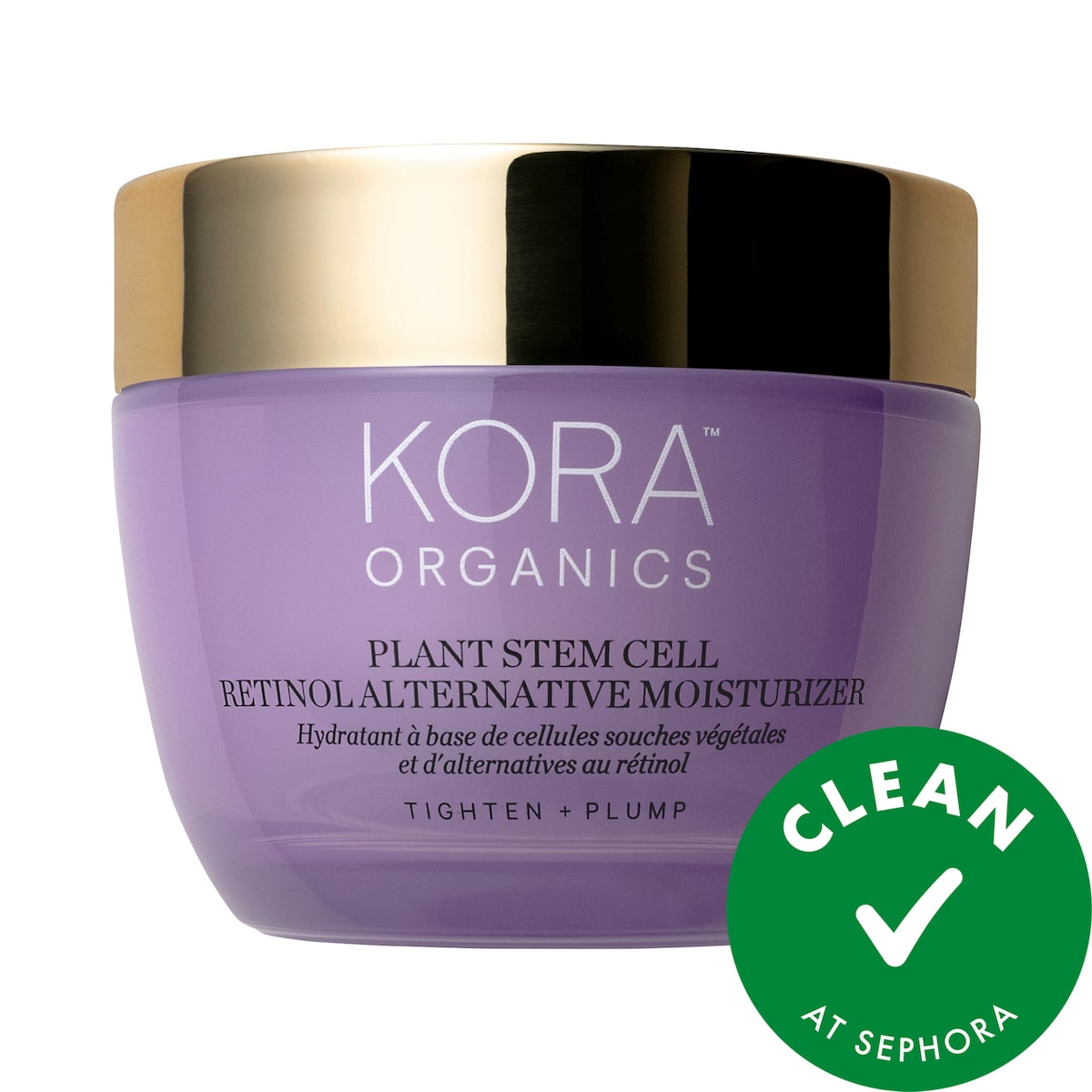
That is the lane for Kora Organics Plant Stem Cell Retinol Alternative Firming Moisturizer.
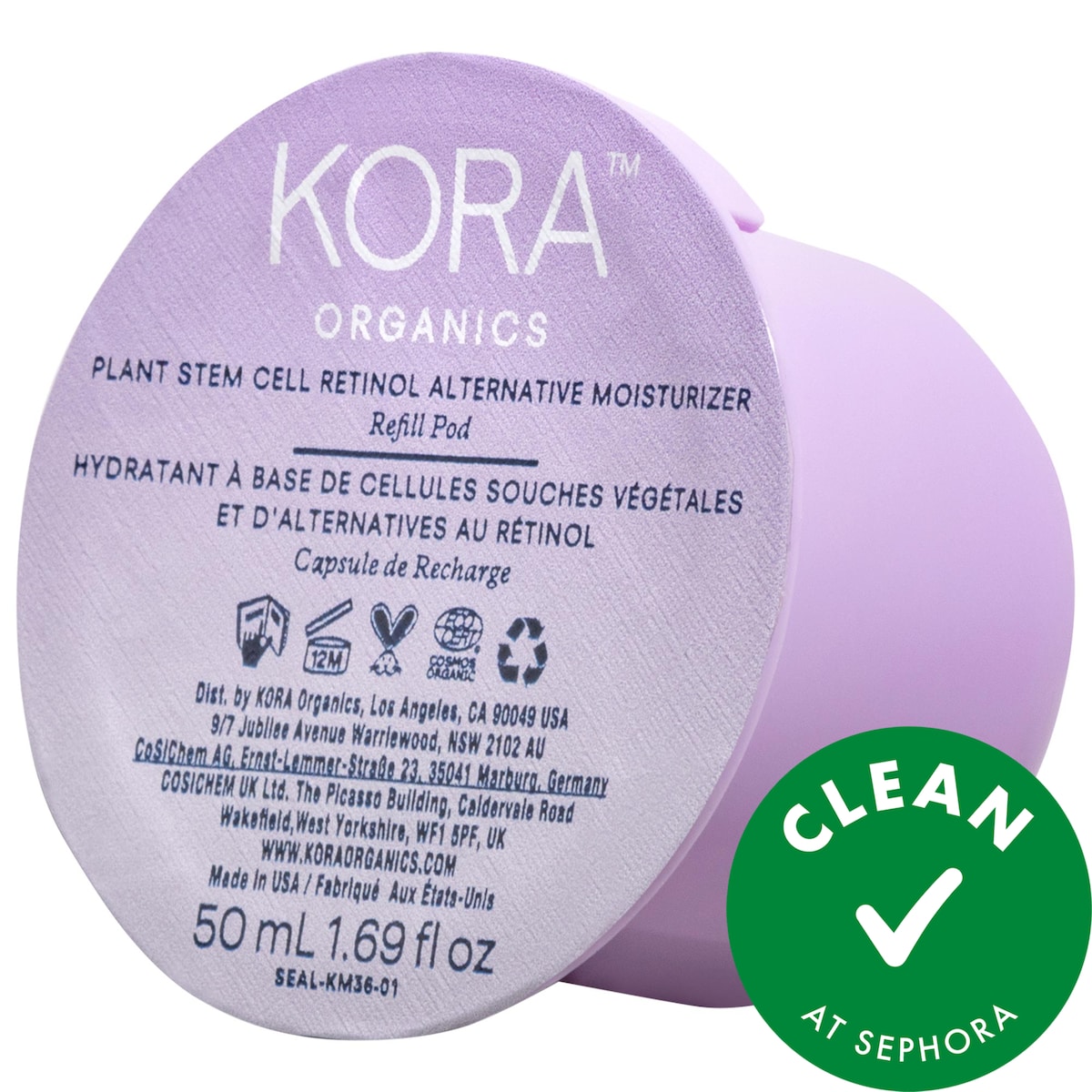
It is a $72 cream at Sephora. It is refillable. It uses a retinol-alternative blend with bakuchiol and alfalfa extract, plus a peptide and ceramide blend. It is positioned for fine lines, uneven texture, and loss of firmness.
That sounds polished.
But the useful question is not whether the jar sounds impressive.
It is whether this kind of cream belongs in your routine, or whether you would be better off using a simpler moisturizer and keeping your treatment step separate.
Quick answer
I would consider Kora Plant Stem Cell Retinol Alternative Firming Moisturizer if your skin wants a richer cream that feels more treatment-minded than a basic moisturizer, but you are not trying to start a traditional retinol right now.
I would skip it if you are very acne-prone, fragrance-sensitive, already using a strong retinoid, or shopping for the most direct wrinkle treatment. A retinol-alternative cream can be useful, but it should not be confused with prescription retinoid results.
| If your routine needs... | My read |
|---|---|
| A richer night cream with firming support | Worth considering |
| A gentler route than traditional retinol | Makes sense |
| A simple acne-safe moisturizer | Probably not my first pick |
| A fragrance-free recovery cream | I would look elsewhere |
| A true retinoid treatment | This is not that |
| A makeup-prep daytime cream | Possible, but test the finish first |
What retinol alternative actually means here
The phrase can get slippery.
In this product, the retinol-alternative story is built around bakuchiol and alfalfa extract. Bakuchiol is often used in skincare as a gentler-looking path for people who want support around fine lines, texture, and firmness but do not want the classic retinol experience.
That does not mean it is the same thing as retinol.
I would not buy this expecting the exact performance of a well-tolerated retinoid. I would buy it because I wanted a moisturizer with a more active personality than a plain cream, while still keeping the routine softer.
That distinction matters. A lot of disappointment comes from asking a moisturizer to behave like a treatment serum. This is still a cream. It may support the look of firmness and texture, but its routine role is moisturizing first.
The ingredient story is richer than a basic cream
The official Sephora details make the formula direction clear. It is a cream for normal, dry, combination, and oily skin, with concerns listed around fine lines, uneven texture, and loss of firmness.
The supporting cast explains the price better than the headline does.
Ceramide NP points toward barrier support. That matters if you are buying a firming moisturizer but still need the skin to feel comfortable.
Glycerin and aloe give the cream a hydration base.
Shea butter, sunflower oil, rosehip oil, and emollient ingredients give it more cushion than a gel moisturizer.
Peptide language pushes the cream into the firming-support lane.
The part I would watch is the aromatic side of the formula. The ingredient list includes geranium oil, bitter orange flower oil, and fragrance-allergen components such as linalool, citronellol, geraniol, limonene, and farnesol. That does not automatically make it bad. It does make me more careful if your skin gets reactive, stings easily, or dislikes essential-oil-heavy products.
Who I would buy it for
I would buy this for someone whose skin is starting to feel a little less firm, a little drier, and a little less smooth, but who does not want to run straight into retinol.
That person probably wants the moisturizer step to feel more meaningful. They may already have cleanser, serum, and sunscreen handled. They may not want another thin treatment. They want the cream itself to carry some of the "aging gracefully" workload.
This is where Kora makes sense:
- normal to dry skin that likes a richer cream
- combination skin that can handle cushion at night
- routines where traditional retinol has felt too irritating
- people who want a refillable premium jar
- someone who wants one product to moisturize and lightly support firmness
I would use it at night first. That is the easiest place to judge comfort without worrying about sunscreen finish, makeup grip, or midday shine.
Who should skip it
I would not make this my first recommendation for very oily or breakout-prone skin.
The product may list oily skin among the skin types, but the texture and ingredient direction still read more cream than gel. If your main issue is clogged pores, shine, or fear of heavy moisturizers, I would look at a lighter gel-cream first.
I would also skip it if your skin is currently irritated.
When moisturizer burns, your answer is usually not a more active-feeling moisturizer. It is a calmer routine. That may mean a basic barrier cream, fewer actives, a gentler cleanser, and sunscreen you can actually tolerate.
And if you already use tretinoin, adapalene, retinal, or a strong retinol serum, I would be careful about adding another "retinol alternative" product just because it sounds gentler. Your routine may not need another signal in the same lane.
The best routine slot
My first test would be simple.
Use it at night after cleansing and serum. Do not add a new exfoliant the same week. Do not add a new vitamin C. Do not change sunscreen. Let the cream be the only new variable.
If your skin wakes up comfortable, smoother, and not congested, keep testing.
If you wake up shiny, bumpy, or tight in weird places, that is useful information too. The cream may be too rich, too active-feeling, or simply not the right match for your barrier.
For daytime, I would be more selective. A $72 cream under sunscreen only makes sense if it layers cleanly and does not make the morning routine feel heavy. If it pills, save it for night.
The closest alternatives I would compare
I would compare Kora against other retinol-alternative or firming moisturizers, not against every cream on the shelf.
| Product | Image | Better if you want... | Skip if... |
|---|---|---|---|
| Kora Organics Plant Stem Cell Retinol Alternative Firming Moisturizer | 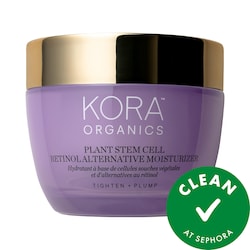 | A richer retinol-alternative cream with refillable packaging | You need fragrance-free simplicity |
| Caudalie Resveratrol Lift Cashmere Moisturizer | 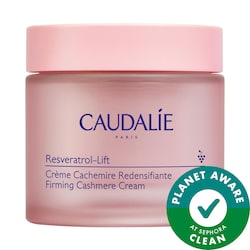 | A firming day cream with hyaluronic acid and resveratrol positioning | You dislike fragrance |
| Caudalie Resveratrol Lift Night Moisturizer | 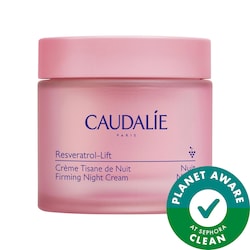 | A more night-specific firming cream | You want a lighter daytime texture |
| ALPYN Melt Moisturizer with Bakuchiol | 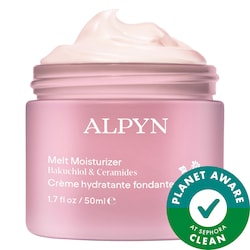 | A bakuchiol moisturizer with a makeup-ready positioning | You avoid essential oils |
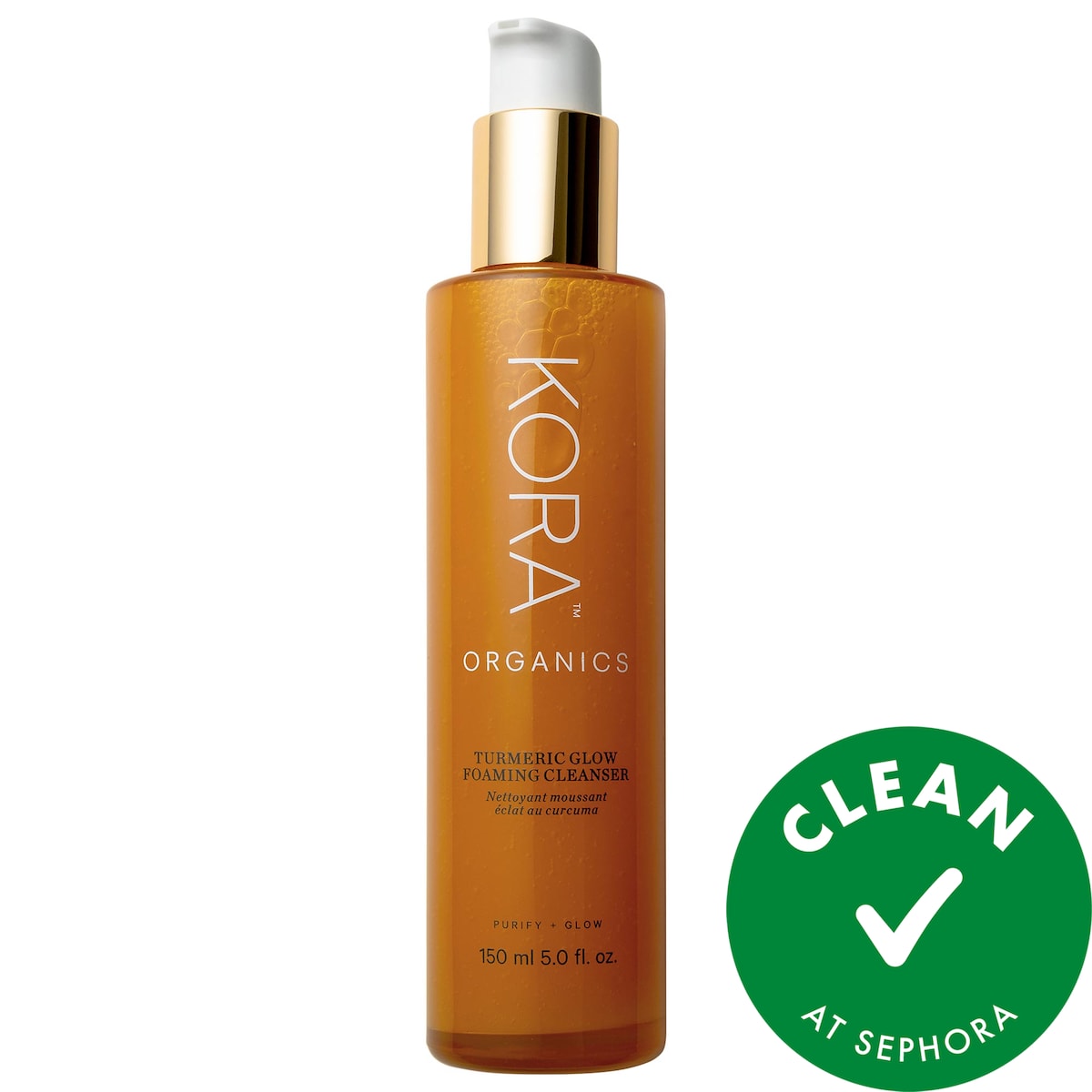
| Kora Turmeric Glow Brightening Moisturizer | 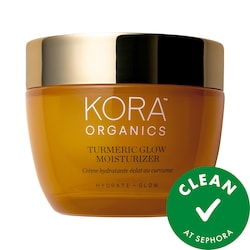 | More glow and brightening than firming | You want the retinol-alternative lane specifically |
The cleanest split is this: choose Kora Plant Stem Cell if firmness and texture are the reason you are shopping. Choose Kora Turmeric Glow if dullness and glow are the real issue. Choose a simpler barrier cream if your skin is irritated and you are trying to calm it down.
What I would watch for in the first two weeks
I would watch the boring signals.
Not one mirror selfie.
Not whether the jar feels luxurious.
The real questions are:
- Does my skin wake up comfortable?
- Do fine lines look softer because the skin is better moisturized?
- Does texture look smoother, or am I just seeing shine?
- Does my skin feel congested after several nights?
- Does the cream make me less tempted to overuse actives?
That last one matters.
Sometimes a richer, treatment-minded moisturizer helps because it makes the routine feel complete enough that you stop adding five extra steps. That can be a win even if the product is not a miracle.
Where Glass fits
This is the kind of product I would track because the payoff is subtle.
Firmness, texture, and comfort do not always change overnight. But tightness, congestion, missed sunscreen, and irritation patterns show up quickly if you log them honestly.
In Glass, I would track the cream as a night routine change and watch weekly skin scans, morning comfort, and whether I needed fewer recovery nights. If the routine looks calmer after two weeks, that tells me more than one excited first impression.
Final read
Kora Organics Plant Stem Cell Retinol Alternative Firming Moisturizer is most interesting for someone who wants a richer cream with firming support, not someone chasing the strongest possible active.
I would buy it for normal, dry, or combination skin that wants a softer retinol-adjacent route.
I would skip it for very reactive skin, fragrance-sensitive skin, or anyone who needs a plain recovery moisturizer more than a premium firming cream.
The jar is expensive enough that it should solve a specific job.
If that job is comfort plus a gentler firming lane, it makes sense.
If the job is acne control, barrier emergency, or true retinoid-level change, I would not force it.
FAQ
Is Kora Plant Stem Cell Moisturizer the same as retinol?
No. It uses retinol-alternative positioning with bakuchiol and alfalfa extract. I would treat it as a gentler firming moisturizer, not a direct replacement for a true retinoid.
Can I use it every night?
Maybe, but I would test it slowly if your skin is reactive. Start a few nights a week, keep the rest of the routine stable, and watch for congestion, stinging, or tightness.
Is it good for oily skin?
It may work for some combination or oily skin, but it would not be my first pick for very oily or acne-prone routines. The cream reads richer than a gel moisturizer.
Can I use it with retinol?
I would be cautious. If you already use a retinoid, you may not need another retinol-adjacent product. Keep the moisturizer simpler unless your skin clearly tolerates the combination.
Is it worth $72?
It is worth considering if you specifically want a premium, refillable, retinol-alternative firming cream. If you only need barrier repair or basic hydration, there are simpler buys.