The price is the first thing I wanted to settle.
Not the glow promise. Not the fruit branding. Not the refillable jar.
Just the price.
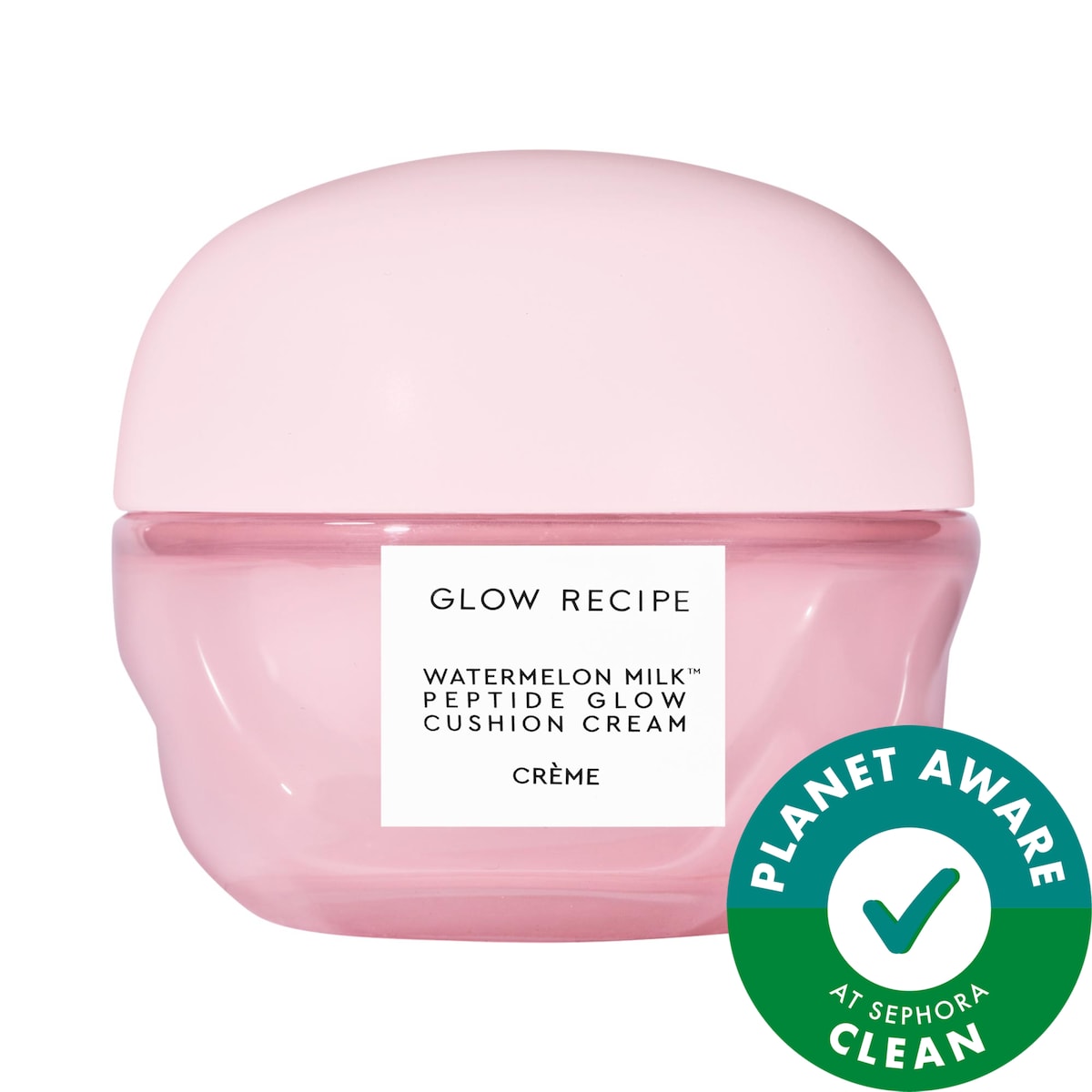
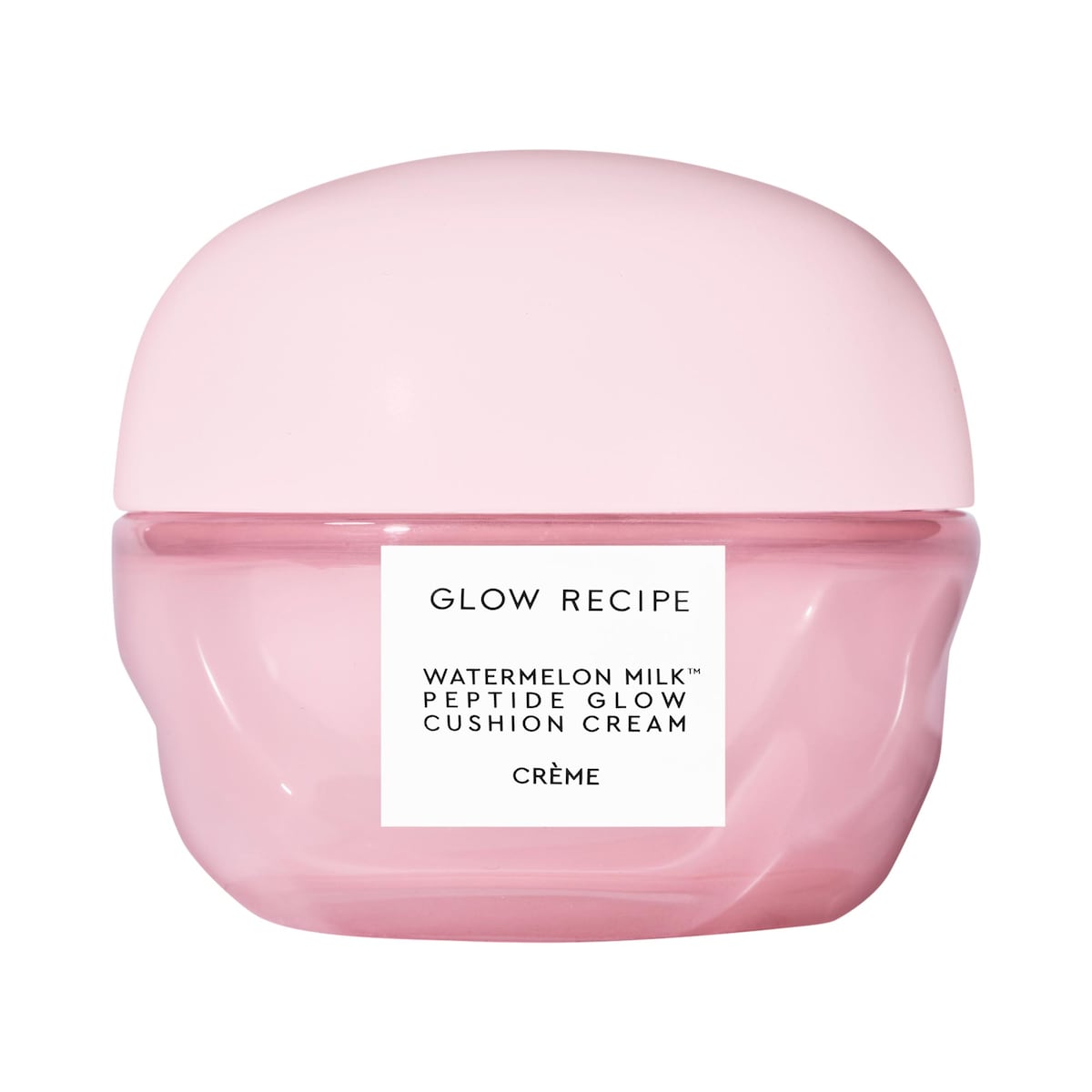
As of May 2026, Glow Recipe Watermelon Milk Peptide Cushion Cream sits in that slightly awkward middle zone: expensive enough that you should think before buying it, but not so expensive that it feels obviously unreasonable for Sephora skincare.
The standard jar is listed at $40 for 1.7 oz / 50 mL on Sephora. The refill pod shows up in the same price range as the lower-cost option, around $34 when available. Glow Recipe's own product page also positions the full-size cream at $40.
That makes the real question simple.
Is this a $40 moisturizer with a real job, or is it just a pretty new step?
My answer: it can be worth it if you want a cushiony, fragrance-free moisturizer that makes dry or slightly sensitive skin feel more flexible. I would skip it if you already own a barrier cream you trust, if your skin clogs easily from richer moisturizers, or if you are hoping peptides will do the work of a treatment serum.
The quick price read
| Option | Image | Price signal in May 2026 | What it means |
|---|---|---|---|
| Full-size jar |  | About $40 for 1.7 oz / 50 mL | Best if you do not already own the jar |
| Refill pod |  | About $34 when available | Better long-term value if you know you like it |
| Auto-replenish | | Sephora may show a small subscription discount | Only useful after your skin has already approved the formula |
I would not start with auto-replenish.
That is not because the product is bad. It is because moisturizers are personal. A cream can look perfect on paper and still feel too heavy on your face by day four. Try the jar first. If the texture works, the refill makes more sense later.
The refill system is the part that makes the price easier to defend. A $40 first purchase is still a $40 first purchase, but the $34 refill changes the second purchase. If this becomes your daily cream, that matters. If it becomes a once-a-week "nice jar" product, it matters much less.
What you are actually paying for
You are paying for three things at once: texture, comfort ingredients, and the Glow Recipe experience.
The texture is the main event. The product is called a cushion cream for a reason. This is not supposed to be a watery gel that disappears in ten seconds. It is meant to give skin a padded, hydrated, soft-focus feeling without turning into a greasy balm.
The comfort ingredients are the second part. Sephora's product data lists glycerin, squalane, panthenol, ceramides, sodium hyaluronate, beta-glucan, allantoin, ectoin, and a network of peptides. That is a strong comfort-and-barrier-support cast. Not shocking. Not magic. Strong.
The Glow Recipe experience is the third part. The brand knows how to make skincare feel desirable. That can be good if it makes you use the product consistently. It can be expensive if it makes you buy the product for the feeling of buying it.
I would separate those two.
If the cream solves a real routine problem, the brand polish is a bonus. If the routine problem is imaginary, the brand polish is the trap.
The ingredient story in plain English
This formula reads like a moisturizer that wants to make skin feel softer, calmer, and more elastic-looking.
The humectants help pull water into the top layers of skin. Glycerin, propanediol, butylene glycol, sodium hyaluronate, betaine, and related hydrators are doing that kind of work.
The emollients and barrier-support ingredients make the skin feel more comfortable. Squalane, caprylic/capric triglyceride, panthenol, ceramide NP, beta-glucan, allantoin, and ectoin are the names I would notice first.
The peptides are the prestige layer. Glow Recipe highlights a 10+ peptide network, including copper tripeptide. I like peptides in a moisturizer when the rest of the formula is already useful, but I would not buy this expecting a dramatic firming result from one jar. The more realistic expectation is smoother-looking, better-hydrated skin because the moisturizer step is doing its job.
The fragrance-free positioning matters too. Glow Recipe has plenty of fruit-forward energy as a brand, and that can make sensitive-skin shoppers cautious. This cream being fragrance-free gives it a more serious lane than a purely sensorial launch.
Who the $40 jar makes sense for
I would consider the full jar if my skin felt dry but not destroyed.
That distinction matters.
Dry-but-stable skin can often use a plush cream beautifully. Barrier-damaged skin can react to almost anything, even products that are technically gentle. If your face is burning, peeling, and angry, I would simplify first instead of introducing a new launch because it says barrier support.
The best fit is someone who says:
- my cheeks feel tight after cleansing
- lightweight gel creams vanish too quickly
- thick balms feel like too much
- my makeup looks better when my moisturizer has cushion
- fragrance-free matters
- I want one nicer cream, not five random hydrating steps
That person has a real reason to look at this.
I would especially consider it for normal-dry, dry, combination-dry, or seasonally dehydrated skin. I would also consider it if your routine already has a hydrating serum you like, but your moisturizer is the weak link.
Who should save the money
I would skip it if your skin gets congested easily from rich creams.
Not every cushion cream clogs everyone. That would be too simple. But if you already know that plush moisturizers tend to leave you with closed comedones, shiny texture, or bumps around the cheeks and jaw, do not let the cute jar talk over your own pattern.
I would also skip it if:
- you already love your current moisturizer
- your main goal is acne treatment
- your main goal is dark spot fading
- you want a matte daytime base
- you are trying to reduce products after irritation
- you mostly want it because everyone is talking about it
That last one is the expensive one.
The skin does not care that a product is new. It cares whether the product fits the job. A moisturizer should make the rest of your routine easier, not give you another variable to troubleshoot.
The $34 refill changes the math, but only later
The refill is appealing because it makes the second purchase feel more reasonable.
But I would not count refill value until after the first jar works. People do this all the time with refillable beauty products: they mentally discount the product before they know whether they will finish it. That is backwards.
The better way to think:
First jar: am I willing to pay $40 to test whether this becomes my main cream?
Refill: if I finish it and miss it, does $34 feel fair for the next round?
That sequence keeps the decision honest. A refillable product is only less wasteful if you actually refill it. Otherwise it is just a nice container with good intentions.
How I would test it before deciding
I would give it seven ordinary days.
Not a hand swatch. Not one night when my skin already looked good. Not a dramatic before-and-after expectation.
Seven ordinary days tells you more.
Days 1 and 2: night only
Use it after a gentle cleanser and one familiar serum, or after cleansing alone if your routine is simple. Do not add a new toner, exfoliant, retinoid, mask, or oil at the same time.
The question is not whether your skin transforms overnight. The question is whether your face feels calm the next morning.
Days 3 and 4: morning under sunscreen
Use less than you used at night. Let it settle. Then apply sunscreen.
This is where the product either becomes a practical daily moisturizer or a night-only cream. If it pills under SPF, makes your sunscreen slide, or turns the center of your face too shiny, it may still be useful at night. It just should not be judged as a perfect morning cream.
Days 5 through 7: use it where it behaved best
If it was great at night, use it at night. If it worked under sunscreen, use it in the morning. If it only worked on dry cheek areas, use it there.
You do not need to apply every moisturizer evenly over the whole face. Combination skin especially benefits from placement. The cheeks may want cushion. The nose may want almost none.
How it compares to other moisturizer lanes
The useful comparison is not "Glow Recipe versus every moisturizer."
The useful comparison is the role.
| If your routine problem is... | Better lane | Why |
|---|---|---|
| Skin feels tight and flat by midday | Cushion cream | The Glow Recipe cream makes sense here |
| Skin is oily but dehydrated | Lightweight gel cream | You may want water without the plush finish |
| Skin is reactive and burning | Minimal barrier cream | Fewer extras may be safer |
| Makeup clings to dry patches | Cushion cream under dry zones | Use a small amount and wait before SPF |
| Acne is the main issue | Acne treatment plus simple moisturizer | This cream is not an acne treatment |
| Dark spots are the main issue | Brightening serum plus SPF | A moisturizer alone will not carry that job |
This is where I think the product is strongest: it is a comfort moisturizer, not a corrective routine.
When you expect comfort, it has a clear purpose. When you expect correction, it becomes easier to overspend and feel disappointed.
What I would compare before buying
I would not compare this cream to every moisturizer at Sephora.
That makes the decision too noisy.
I would compare it to the three lanes that usually compete for the same spot in a real routine: a lighter gel cream, a richer barrier cream, and a lower-risk daily moisturizer. The right answer depends on what your skin keeps asking for after cleansing, under sunscreen, and at the end of the day.
| Product | Image | Better if you want... | Where Glow Recipe wins |
|---|---|---|---|
| Glow Recipe Watermelon Milk Peptide Cushion Cream | | A soft, cushioned, fragrance-free moisturizer that feels nicer than a basic cream | Best balance of comfort, makeup prep, refill value, and polished texture |
| Skinfix Skin Barrier Restoring Gel Cream |  | Barrier support without a rich-cream finish, especially for oilier or combination skin | Glow Recipe feels more plush and dry-skin friendly |
| Summer Fridays Rich Cushion Cream | 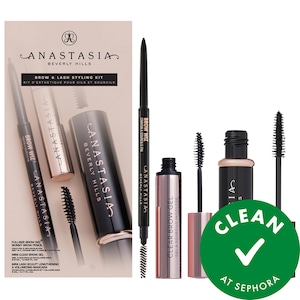 | A richer cream lane with a more obviously cushiony night-cream feel | Glow Recipe looks like the more balanced day-to-night test |
| SEPHORA COLLECTION Hydrate Balmy Rich Cream | 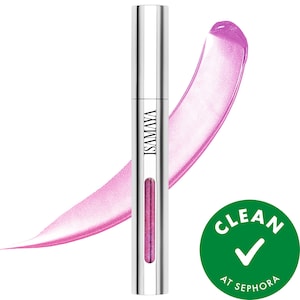 | A simpler budget-friendly comfort cream | Glow Recipe has the more elevated texture and refill path |
That comparison is enough for most people.
If your face gets shiny fast, start with Skinfix or another lighter gel-cream lane. If your face feels papery, flaky, or dry by morning, compare Glow Recipe against a richer cream. If you only need a basic moisturizer and the jar is what is pulling you in, try the Sephora Collection lane first and see whether the desire survives a calmer price.
Glow Recipe makes the most sense when you want the middle: softer and more dressed-up than a simple daily cream, but not as heavy as a full balm-style barrier moisturizer.
Morning or night?
I would try both, but I would expect different jobs.
In the morning, this cream is about makeup prep, dry-patch smoothing, and making sunscreen sit over a more comfortable base. Use a small amount. Give it time. Do not stack it over three sticky serums and then blame the cream for pilling.
At night, it is about comfort. This is where I would use a fuller layer, especially if my skin felt tight after cleansing or if the weather was dry.
If I were using retinoids or exfoliating acids, I would keep the rest of the routine quiet. Cleanser, treatment if it is already part of the plan, moisturizer. No extra mask. No random peel pad. No "just in case" active.
The cream can support the routine. It should not become permission to make the routine chaotic.
The biggest buying mistake
The mistake is buying it because it sounds like a complete routine.
Watermelon. Milk. Peptide. Cushion. Barrier. Refillable. Dry skin. Sensitive skin. Glow.
That is a lot of emotional language around one cream.
A moisturizer does not need to solve every skin goal to be worth buying. It needs to do its one job well enough that you keep reaching for it.
If your routine already has a cleanser, serum, moisturizer, and sunscreen that work, you do not need this cream just because the ingredient list looks pretty. If your routine has a moisturizer gap, this is worth a look.
That is the difference.
Where Glass fits into the decision
I would track this like any new moisturizer: date started, morning or night use, amount, sunscreen pairing, makeup behavior, tightness, shine, and new bumps.
Glass is useful here because the decision is not only about the product. It is about the pattern. If the cream makes your skin feel better but your sunscreen starts pilling, that is a routine-order problem. If it feels amazing but bumps show up in the same areas after a week, that is a fit problem. If you keep forgetting to use it, that is a habit problem.
Those are different decisions.
If the rest of your routine is messy, start with morning and night skincare routine order. If you want a broader app-based way to compare routine changes, best skincare routine app is the better next read.
My bottom line
Glow Recipe Watermelon Milk Peptide Cushion Cream is not an automatic must-buy.
It is a good candidate for someone who wants a plush, fragrance-free, comfort-focused moisturizer with a refill path. The $40 jar is easiest to justify if your current moisturizer is too light, your makeup clings to dry patches, or your skin looks better with a slightly cushioned cream underneath SPF.
The $34 refill makes the value better only after you know the formula works for your face.
I would buy it for comfort, not miracles. I would test it for a week before subscribing. And I would let my skin's pattern decide whether the pretty jar deserves a permanent spot.
Useful product references: Glow Recipe product page, Sephora product listing, and Sephora UK ingredient listing.