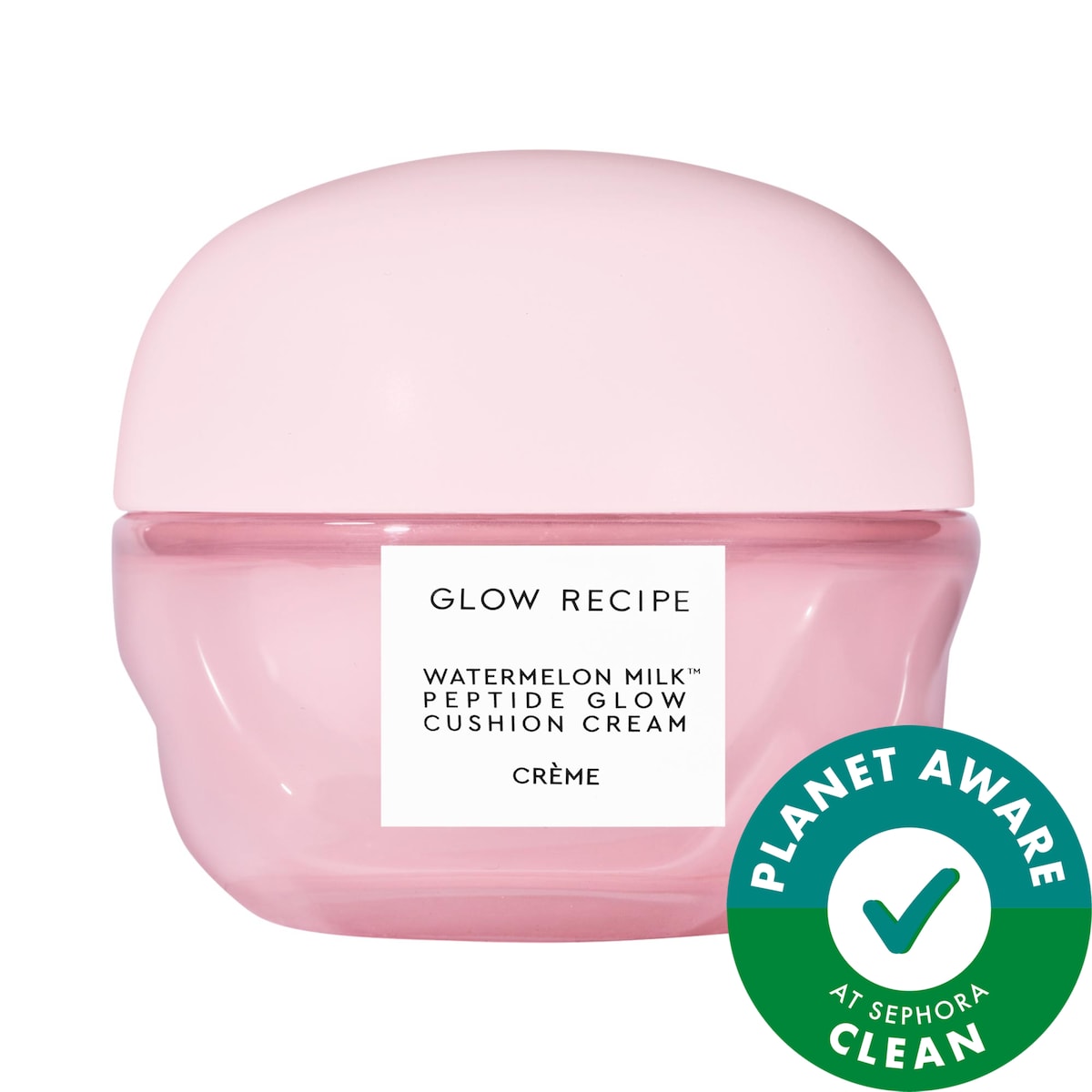
$40 is not nothing.
It is not luxury-cream territory, but it is enough that a moisturizer has to earn its place. I do not want a pretty jar that makes my routine feel expensive for two weeks and then turns into bathroom decor. I want to know where it fits, who it helps, and whether it solves a real problem better than the cream already sitting on the counter.
That is the only useful way to look at Glow Recipe Watermelon Milk Peptide Cushion Cream.
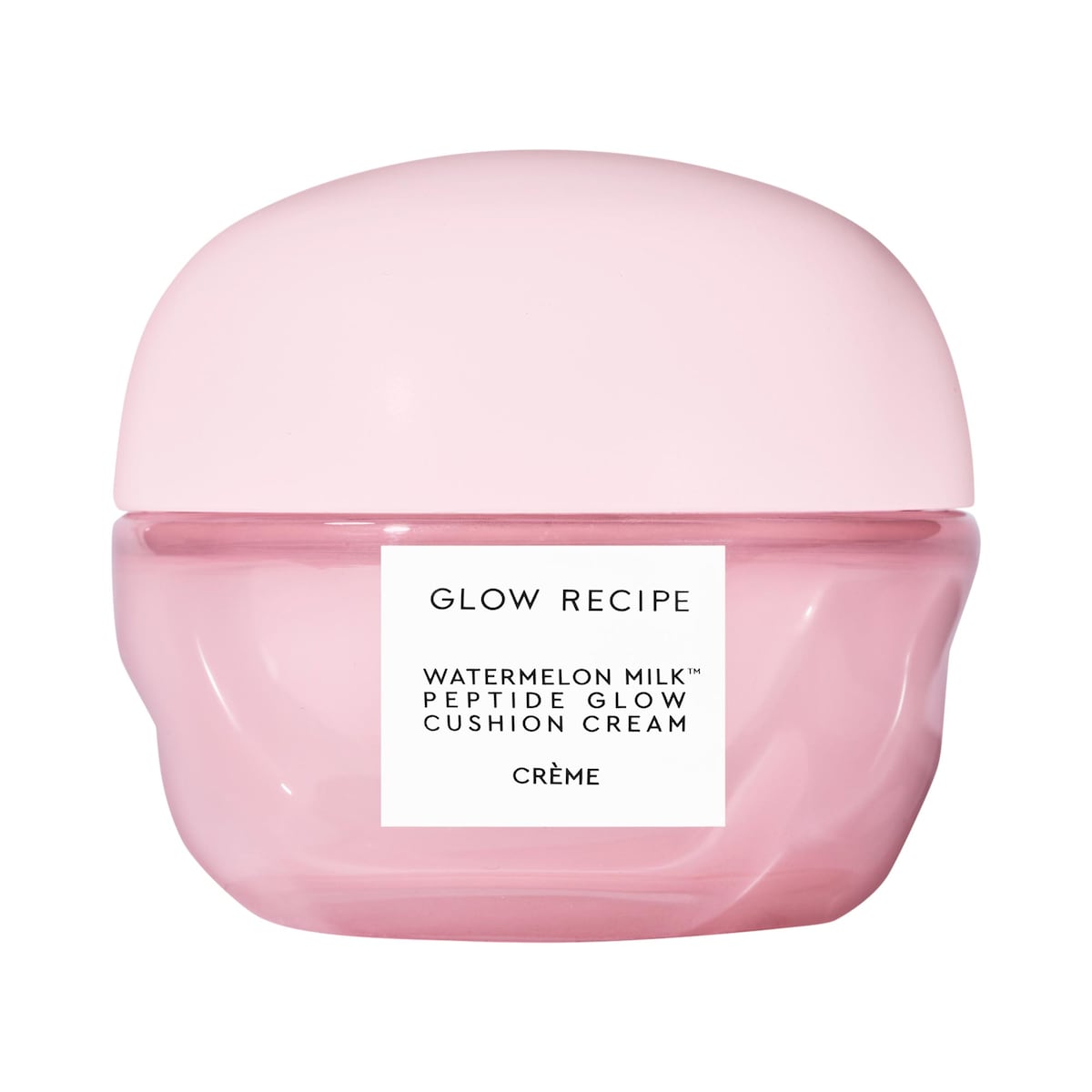
As of May 2026, Sephora lists the standard 1.7 oz / 50 mL jar at $40, with a refill option at $34 and Auto-Replenish showing $38 on the full-size jar. Glow Recipe lists the same cream as a refillable, fragrance-free moisturizer built around watermelon milk, squalane, glycerin, panthenol, ceramide NP, ectoin, beta-glucan, sodium hyaluronate, and a long peptide blend.
The short answer: I would buy it if my skin needed more cushion than a gel cream gives, but I would skip it if my main issue is oil control, closed comedones, or a routine that already feels comfortable under sunscreen.
The Quick Buying Line
Glow Recipe Watermelon Milk Peptide Cushion Cream makes the most sense for dry, normal-dry, sensitive, and combination-dry skin that wants a plush moisturizer without added fragrance.
It does not make as much sense for very oily skin, people who only like invisible gel textures, or anyone expecting a moisturizer to act like a full treatment routine. It is a comfort cream with a polished finish. That is valuable when your skin feels underfed. It is less valuable when your skin already feels crowded.
| If your skin feels like this | My read |
|---|---|
| Tight after cleansing | Strong fit |
| Dry under sunscreen | Strong fit |
| Makeup catches on cheek or mouth flakes | Strong fit |
| Oily by noon | Test carefully or skip |
| Clogged by rich creams | Test carefully or skip |
| Sensitive to fragrance | More interesting because this one is fragrance-free |
| Already happy with your moisturizer | Do not force the purchase |
The whole decision is texture.
Not the watermelon name. Not the pink jar. Not the peptide count.
Texture.
What You Are Paying For
You are paying for the middle lane between a water cream and a repair balm.
A water cream can feel fresh and still leave dry skin wanting more by lunch. A rich repair cream can feel protective and still make sunscreen, makeup, and heat feel heavy. This cream is trying to solve that specific in-between problem: skin that wants softness and support, but does not want a greasy seal.
The formula supports that idea. Glycerin, sodium hyaluronate, saccharide isomerate, beta-glucan, and betaine handle the water-attracting side. Squalane, caprylic/capric triglyceride, dicaprylyl carbonate, phytosterols, hydrogenated lecithin, and ceramide NP give the cream more slip and barrier-minded weight. Panthenol, allantoin, and ectoin help explain why the product feels aimed at skin that gets fussy, tight, or overworked.
The peptide blend sounds impressive, but I would not make peptides the reason to buy it. A long peptide list does not matter if the base feels wrong on your face. The better reason to care is that the peptides are inside a moisturizer you may actually use consistently.
That is where skincare often gets more honest. The product you use every day usually beats the product with the more dramatic ingredient story.
The Price Only Makes Sense If It Fixes a Pattern
I would not buy this because it is new.
I would buy it if I kept noticing the same failure:
- my cheeks feel tight after SPF
- foundation looks textured where my skin is dry
- gel creams vanish too quickly
- rich creams make the morning routine feel coated
- my barrier feels touchy after actives
- I want one moisturizer that can work morning and night
That is the lane where $40 starts to make sense.
If your current moisturizer already keeps your skin calm, comfortable, and smooth under sunscreen, the Glow Recipe cream is probably curiosity, not need. Curiosity is fine. It just should not be dressed up as a skin emergency.
The refill matters only after the first jar works. The $34 refill is useful if you finish the full-size cream and genuinely miss it. It is not a reason to force the first purchase. Packaging is a bonus after the formula proves itself.
The Texture Is Softer Than a Gel Cream
"Cushion cream" sounds like a made-up category until you compare it against what people usually own.
It is not a watery gel. It is not a heavy balm. It has more body than the kind of moisturizer that disappears in thirty seconds, but it is trying to stay cleaner than a thick occlusive cream.
That matters most in the morning. A night cream can be rich and still make sense because you are not asking it to sit under SPF, makeup, sweat, commute heat, and touch-ups. Morning creams have a harder job. They need to make skin comfortable without making the next layer worse.
I would use a thin layer in the morning and a slightly more generous layer at night. Most faces do not need the same amount everywhere. Cheeks, the outer face, and the area around the mouth often need more cushion. The nose and forehead often need less.
That small adjustment can decide whether the cream feels elegant or too much.
Who I Think Will Love It
The best buyer is someone whose skin is dry in a practical, annoying way.
Not just "I like dewy skin."
More like: sunscreen makes my cheeks feel stretched. Concealer looks rough around my mouth. My moisturizer feels good at 8 a.m. and irrelevant by noon. My skin looks dull when it is not actually breaking out. I want the routine to feel softer without adding three more steps.
That person may get real value here.
The fragrance-free part also matters. Glow Recipe has a very recognizable fruit-forward identity, and a lot of people who like the look of the brand still avoid scented skincare. A watermelon cream without added fragrance is a better fit for sensitive-feeling routines than the name might suggest.
I would also consider it for retinoid-tired skin on nights when the face is not actively burning or peeling. A cream with glycerin, squalane, panthenol, ceramide NP, beta-glucan, ectoin, and allantoin makes more sense than piling on another active because the skin feels dull.
Sometimes dull skin is not asking for exfoliation. It is asking to stop being under-moisturized.
Who Should Skip It
Skip it if your face already feels greasy by midday and you hate any cream you can feel.
Skip it if rich moisturizers consistently give you closed comedones and you have not figured out which textures or ingredient families set you off.
Skip it if you are expecting a moisturizer to replace sunscreen, retinoids, acne care, dark spot treatment, or a dermatologist. This is still moisturizer. It can make a routine feel better and help skin stay comfortable. It is not a prescription-level transformation in a jar.
I would also skip it during an active skin freakout. If your face is burning, swollen, rashy, crusting, or suddenly reacting to everything, the move is not to buy the prettiest barrier cream. The move is to simplify, stop the obvious irritants, and get care if the reaction is strong or spreading.
When skin is angry, boring usually wins.
The Under-Makeup Question
I care about this because dry-skin moisturizers often fail under makeup.
They can make the skin feel better and still cause pilling, separation, or a too-slippery base. The Glow Recipe cream is interesting because the brand specifically frames it as a cushion texture that can layer under makeup. I would still test that slowly.
My morning order would be:
- Cleanse or rinse.
- Apply a thin layer of the cream.
- Wait until the surface stops feeling mobile.
- Apply sunscreen.
- Wait again before makeup.
If it pills, I would not immediately blame the cream. I would reduce the amount first. Then I would check the sunscreen. Then I would check whether I am rubbing too aggressively. Most pilling is a routine compatibility problem, not a single-product verdict.
If your makeup clings because the skin underneath is dry, this cream has a better chance. If your makeup slides because your routine is already too rich, it may make the problem worse.
How I Would Test It for One Week
I would keep the test boring.
No new cleanser. No new exfoliant. No new vitamin C. No new sunscreen. No new foundation.
Use the moisturizer as the variable and watch the signals.
| Day | What I would do | What I would watch |
|---|---|---|
| 1-2 | Night only | Morning tightness, redness, itch, new bumps |
| 3-4 | Thin morning layer under SPF | Pilling, shine, comfort by lunch |
| 5-7 | Adjust by zone | Whether cheeks need more and T-zone needs less |
The win is not a dramatic overnight glow. The win is smaller and more useful: skin feels less stretched, makeup sits better, sunscreen stops feeling drying, and the routine becomes easier to repeat.
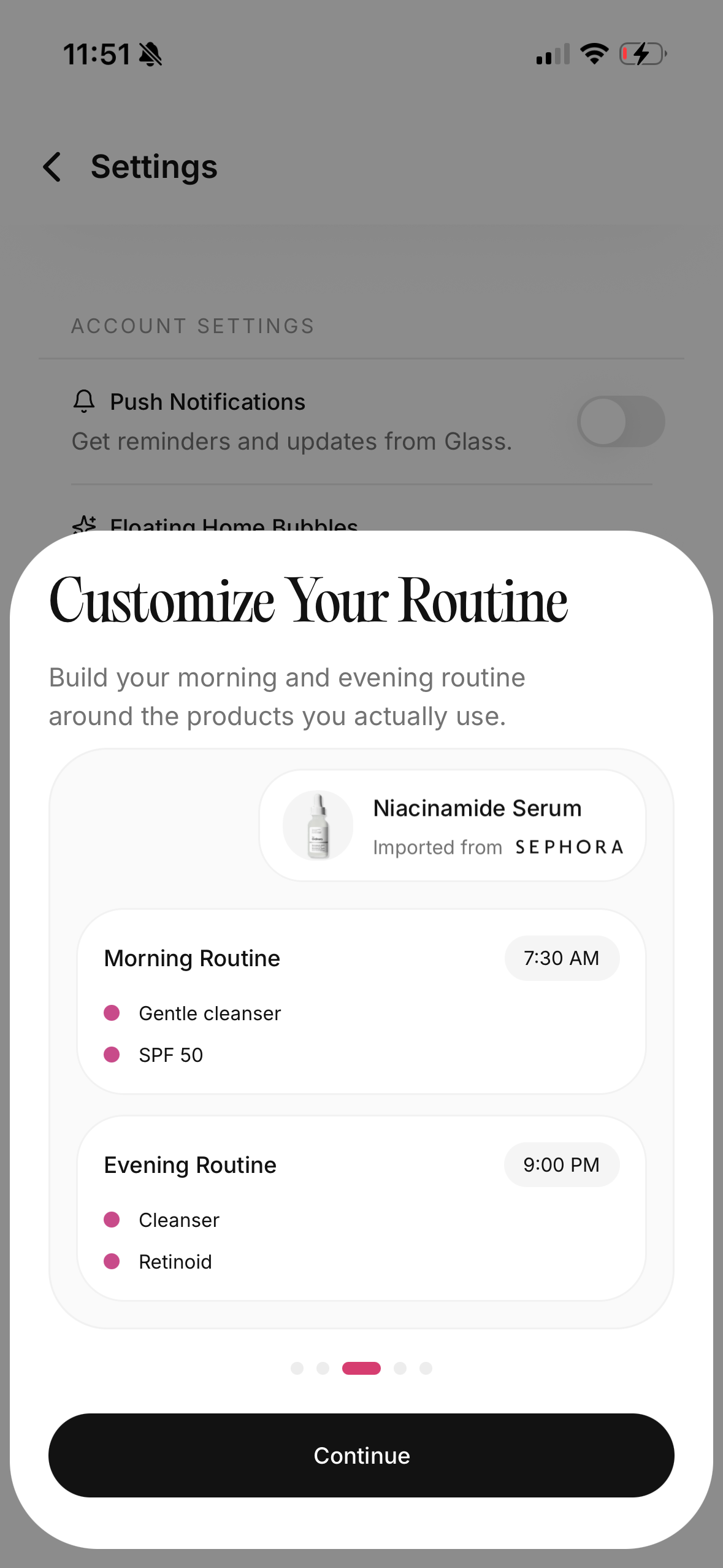
Use Glass to log it like a normal routine change. Add the start date, amount, morning or night use, sunscreen pairing, and any breakout or tightness notes. You are not trying to obsess over every pore. You are trying to stop guessing.
How It Compares to Glow Recipe Plum Plump
Glow Recipe Plum Plump Hyaluronic Cream is the easier choice if you want a lighter, bouncier gel-cream feel. I would look there first if your skin wants hydration but gets annoyed by richer creams.
Watermelon Milk Peptide Cushion Cream is the better choice if Plum Plump-style textures feel too light, if your face gets dry under SPF, or if you want more barrier-minded comfort in the same general Glow Recipe world.
Put simply:
| Product | Better for |
|---|---|
| Plum Plump Hyaluronic Cream | Lighter hydration, bounce, gel-cream comfort |
| Watermelon Milk Peptide Cushion Cream | Dryness, cushion, sensitive-feeling barrier support |
I would not treat them as duplicates. They answer different versions of hydration.
How It Compares to Skinfix Barrier Gel Cream
Skinfix Barrier Gel Cream is the one I would look at if your skin wants barrier support but hates richness.
That product has a more oil-conscious feel on paper because it includes niacinamide and zinc PCA in a gel-cream lane. It makes sense for combination, oily, acne-prone, or pore-conscious skin that still needs support.
Glow Recipe is softer. Skinfix is cleaner and more controlled. Glow Recipe is the one I would reach for when the face feels under-cushioned. Skinfix is the one I would reach for when the face feels easily crowded.
That is the split.
If sunscreen usually feels drying, I would start with Glow Recipe. If sunscreen usually feels greasy, I would start with Skinfix.
How It Compares to a Basic Drugstore Cream
A cheaper moisturizer can absolutely be the better moisturizer.
That needs to be said plainly. Some skin does best with a simple drugstore cream that never stings, never pills, and never asks for a personality. If that is already working, you do not need a pink jar to validate the routine.
The Glow Recipe cream earns its premium only if the finish improves your real life. Maybe it makes sunscreen more comfortable. Maybe it gives enough cushion without the heaviness of your current night cream. Maybe it helps you stop stacking hydrating serum, oil, and balm just to feel normal.
That is worth more than packaging.
If it does not do that, buy the boring cream and move on.
The Mistakes I Would Avoid
The first mistake is using too much in the morning.
More moisturizer does not always mean more comfort. Sometimes it means pilling, shine, and a sunscreen layer that never settles. Start smaller than you think, especially on the T-zone.
The second mistake is judging it after one use.
Moisturizer fit usually shows up over several days: tightness, shine, clogged-feeling areas, makeup behavior, comfort after cleansing, and whether you naturally keep reaching for it.
The third mistake is expecting the peptide story to do all the work.
Peptides can be useful support ingredients, but a moisturizer still has to moisturize. If the cream does not fit your skin type, the peptide list does not rescue it.
My Final Verdict
I think Glow Recipe Watermelon Milk Peptide Cushion Cream is worth considering at $40 if your skin wants a more cushioned, fragrance-free moisturizer that still feels polished enough for daytime.
I would buy it for dry or combination-dry skin that feels tight under sunscreen, gets rough under makeup, or needs barrier support without a heavy balm finish.
I would skip it for very oily skin, easily congested skin that dislikes rich textures, or a routine where the current moisturizer is already doing its job.
The real question is simple.
Does your routine need more cushion, or are you just bored?
If it needs cushion, this jar makes sense. If you are just bored, $40 can wait.
Useful references: Sephora's product listing, Glow Recipe's product page, Glass product breakdown, our full Glow Recipe Cushion Cream review, and our price-focused buying guide.