$40 is where a moisturizer has to explain itself.
Not dramatically.
Clearly.
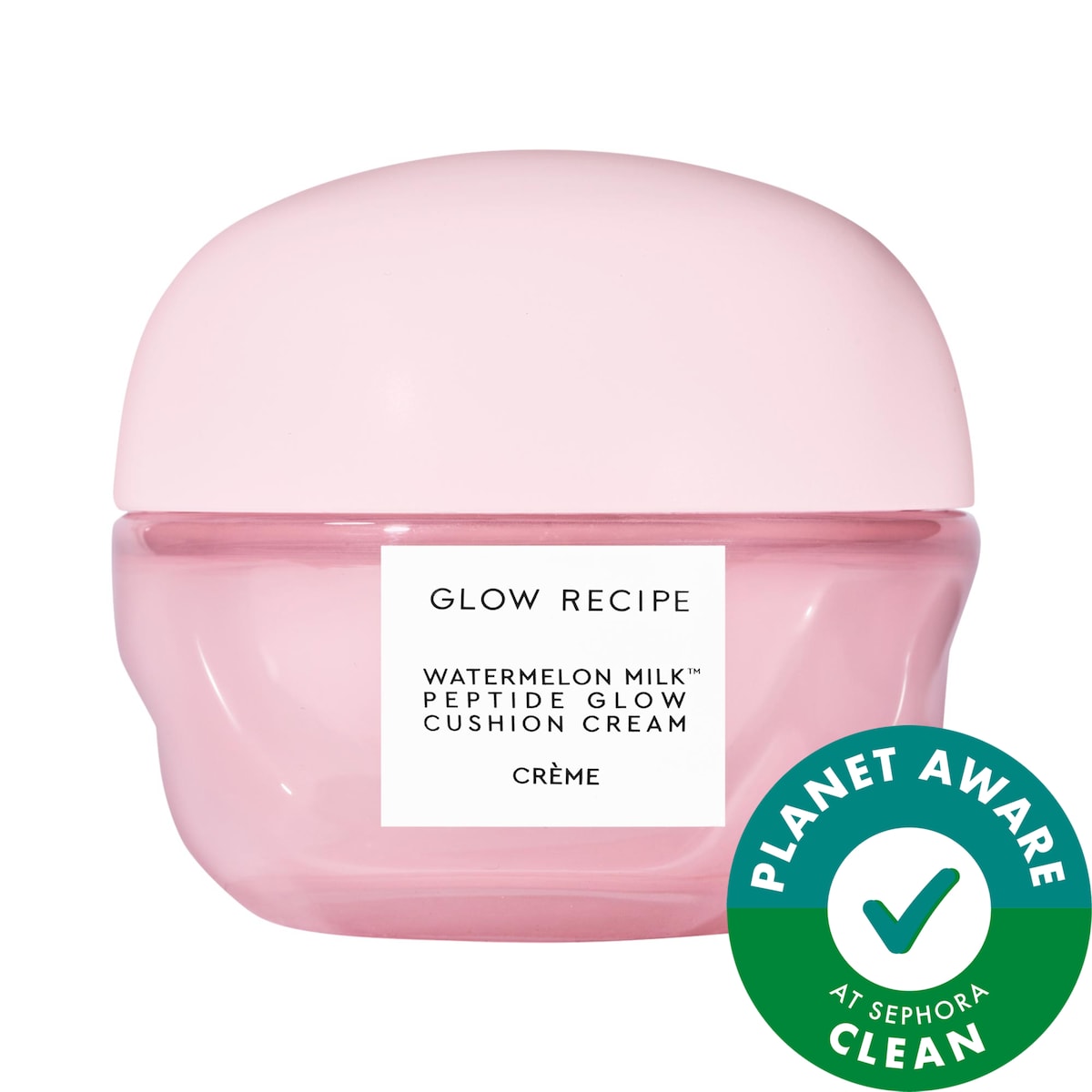
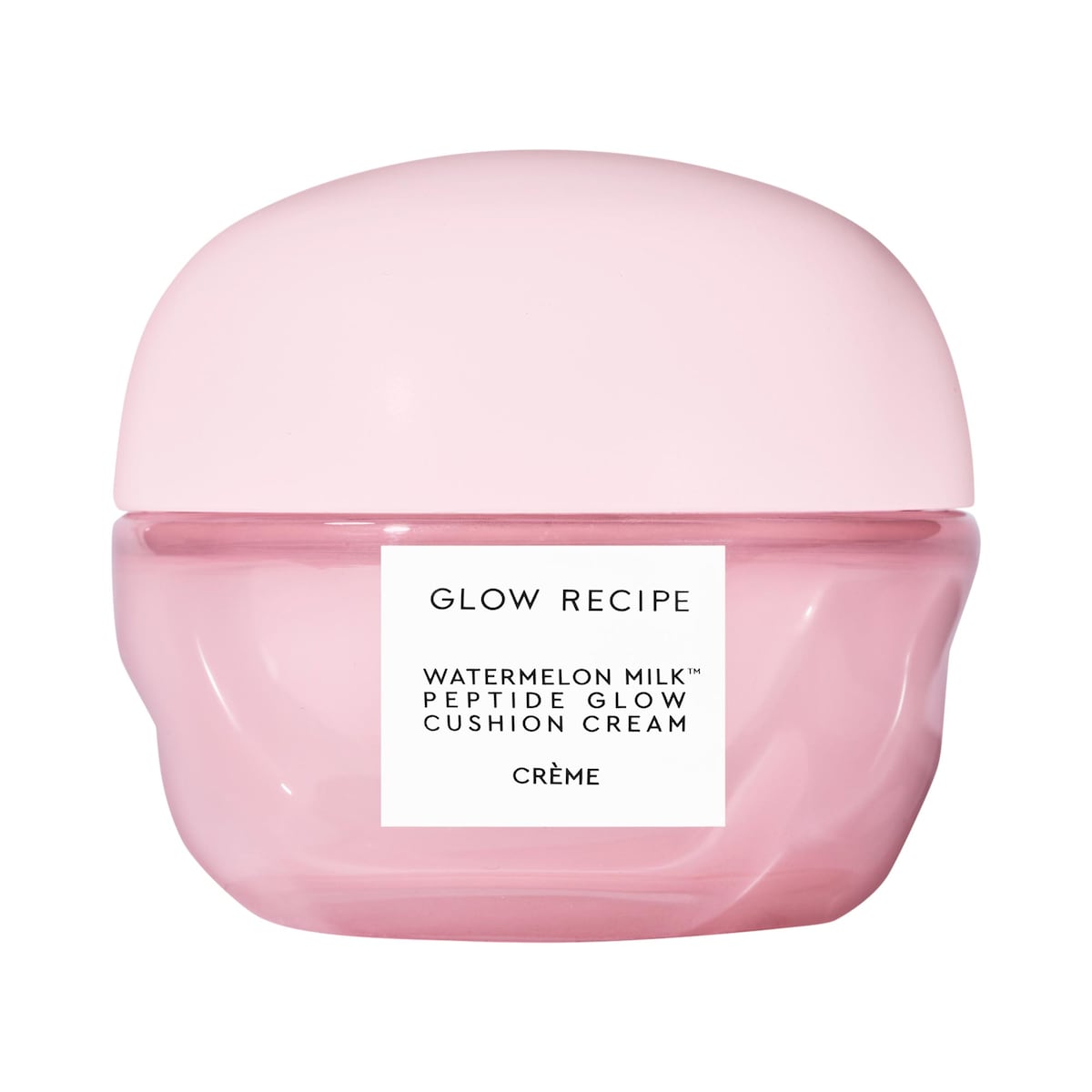
That was my first reaction to Glow Recipe Watermelon Milk Peptide Cushion Cream. The jar is pretty, the name is soft, and the texture language sounds expensive in the way new skincare often sounds expensive. But the buying decision is not really about watermelon or peptides. It is about whether this cream solves a problem your current moisturizer keeps missing.
As of May 2026, Sephora lists the standard 1.7 oz / 50 mL size at $40, with Auto-Replenish showing $38. Glow Recipe's own site also lists the moisturizer at $40 and positions it as a fragrance-free, silicone-free cushion cream for dry and sensitive skin.
The short version: I would consider it if your skin wants more comfort than a gel cream but hates the heavy feeling of a rich repair balm. I would skip it if your current moisturizer already keeps your skin comfortable under sunscreen, or if your main issue is oil control by noon.
The quick price read
| Product | Image | May 2026 price signal | The real buying reason |
|---|---|---|---|
| Glow Recipe Watermelon Milk Peptide Cushion Cream |  | $40 for 1.7 oz / 50 mL at Sephora | You want a plush dry-skin moisturizer that still feels breathable under SPF |
| Glow Recipe Plum Plump Hyaluronic Cream |  | Similar Glow Recipe moisturizer lane | You prefer a lighter whipped gel-cream feel |
| LANEIGE Water Bank Blue Hyaluronic Cream | 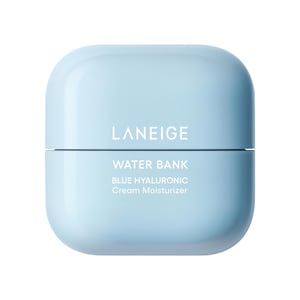 | Cushiony hydration lane | You want comfort and moisture-barrier support with a familiar cream texture |
| Skinfix Barrier Gel Cream | 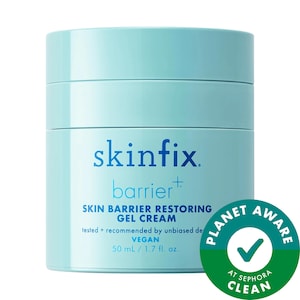 | Barrier gel-cream lane | You want lighter oil-control support with barrier ingredients |
That table is the decision.
The Glow Recipe cream is not the cheapest moisturizer in the dry-skin aisle. It is also not priced like a luxury cream that needs a long speech to justify itself. It sits in the middle: expensive enough that you should know why you are buying it, accessible enough that a dry-skin person could reasonably use it every day if the texture works.
What you are actually paying for
You are paying for the texture first.
The formula is built to sit between two categories that often disappoint people with dry or tight skin. Gel creams can feel fresh, then disappear too fast. Rich creams can feel comforting, then turn sunscreen and makeup into a crowded layer cake. This cream tries to live in the middle: plush at first touch, softer as it spreads, and less greasy than the jar makes you expect.
That is a real lane.
The formula also gives you a serious support system: glycerin, panthenol, squalane, ceramide NP, ectoin, beta-glucan, sodium hyaluronate, allantoin, phytosterols, hydrogenated lecithin, and a long peptide blend. I would not buy it because the peptide list is long. I would buy it because those peptides are sitting inside a moisturizing base that already makes sense.
A peptide product is only useful if the rest of the routine can carry it. If your skin is tight, irritated, and under-moisturized, a separate peptide serum may feel like another expensive step. A peptide moisturizer is cleaner when you want fewer layers.
The $40 question
Ask this before buying it:
Does my current moisturizer fail by lunchtime?
If your face feels fine after cleansing, sunscreen layers well, makeup sits evenly, and your skin does not get tight around the mouth or cheeks, you may not need this. That sounds obvious, but skincare shopping often starts with curiosity instead of need.
If your moisturizer does fail, name the failure.
If it fails because your skin still feels dry, Glow Recipe Watermelon Milk Peptide Cushion Cream becomes interesting. If it fails because your face gets shiny, this may not be the first fix. If it fails because sunscreen pills, the answer might be a smaller amount, longer wait time, or a different sunscreen instead of a new cream.
I would not spend $40 to make a working routine prettier. I would spend it to fix a repeated friction point.
Who I think it is best for
This cream makes the most sense for dry, normal-dry, sensitive, and combination-dry skin.
That last group matters. A lot of people are not evenly dry. The cheeks feel tight, the mouth area flakes, the nose gets shiny, and the forehead behaves differently depending on weather. A cushion cream can work well there if you stop applying it like the face is one flat surface.
Use more where the skin gets tight. Use less where sunscreen already feels heavy. Most people do not need the exact same amount on the cheeks, nose, jaw, and forehead.
I would especially look at it if:
- gel moisturizers feel nice for twenty minutes and then vanish
- rich creams make you feel coated
- sunscreen makes your skin feel stretched by midday
- foundation clings to dry patches
- you want a fragrance-free Glow Recipe moisturizer
- your barrier feels touchy after actives
- you want one cream for morning and night instead of a crowded stack
That is the good buyer.
Who should skip it
Skip it if your skin is very oily and your main priority is a matte finish. Glow Recipe says oily skin can use it, and some oily-but-dehydrated people may like it, but the cream is still built around comfort. If every moisturizer starts feeling slick by noon, I would test a lighter gel cream first.
Skip it if you are currently breaking out from richer moisturizers and you do not know why. This cream is fragrance-free and described as non-comedogenic, but acne-prone skin is individual. A label can lower concern. It cannot guarantee your face will agree.
Skip it if the $40 price makes you want the product to replace three steps. It is still moisturizer. It is not a sunscreen. It is not a prescription treatment. It is not a dark-spot corrector. It can make the routine feel better, but it should not be asked to solve every concern on the face.
I would also skip it if you already own a cream you love. Repurchasing what works is underrated.
The refill angle
The refillable packaging makes the price feel a little more thoughtful, but I would not buy the first jar only because it refills.
Refillable packaging matters once you know you will actually finish the product. Until then, the real value is still the formula. If you use it for two weeks and realize it is too rich, the refill system does not help you. If you finish the jar and miss it when it is gone, then the refill format becomes a practical bonus.
That is how I would treat it: formula first, packaging second.
Glow Recipe says the outer jar is reusable and the refill pod is replaceable. That is useful for people who become steady users. It is not a reason to force the cream into a routine where the texture does not belong.
The texture is the whole story
"Cushion cream" sounds like marketing until you compare it with the moisturizers people usually bounce between.
A water gel feels light and refreshing. It can be perfect for oily skin, humid weather, or people who hate residue. But on dry skin, it can leave that annoying feeling where the face is technically moisturized and still somehow thirsty.
A rich cream feels safer for dry skin. It can soften flakes and help the skin feel protected. But under sunscreen, it can become too much. Under makeup, it can make foundation move. At night, it can feel great. In the morning, it can feel like a commitment.
The cushion texture is trying to solve that middle problem. It gives more body than a water gel without going full balm. That is why the price makes more sense for someone who has already been disappointed by both sides.
How I would test it
I would not test this cream with a new cleanser, new serum, new sunscreen, new foundation, and a new exfoliant in the same week.
That is how people end up blaming the wrong product.
Use it like this for seven days:
Days 1 and 2: night only
Cleanse, apply any serum your skin already tolerates, then use the cream. Watch how your skin feels when you wake up. The question is not whether your face looks transformed. The question is whether it feels less tight and more even without new irritation.
Days 3 and 4: morning under sunscreen
Use less than you think. A dime-size amount is the brand's direction, but your face may need a smaller amount in oily areas. Let it settle before SPF. If sunscreen pills, reduce the cream before you reject the formula.
Days 5 through 7: adjust by zone
Use it where your skin asks for cushion. Cheeks, around the mouth, and the outer face often need more. Nose and forehead may need less. This is where a lot of moisturizers become better: not because the formula changed, but because the placement got smarter.
Track boring signals:
| Signal | What I would watch |
|---|---|
| Tightness | Does the skin feel less stretched after cleansing and SPF? |
| Makeup | Does foundation cling less around dry patches? |
| Shine | Does the center of the face look balanced or greasy by midday? |
| Pilling | Does the routine pill only when you use too much? |
| Comfort | Do you actually want to use it again tomorrow? |
Comfort is not a soft metric. It is the metric that decides whether you will keep the routine.
How it compares to Plum Plump
Glow Recipe Plum Plump Hyaluronic Cream is the easier pick if you want a lighter, bouncier gel-cream feel. It makes more sense for someone who wants hydration and plumpness without as much cushion.
Watermelon Milk Peptide Cushion Cream is the better pick if you want more comfort, more dry-skin support, and a cream that feels closer to a barrier moisturizer while still staying polished.
I would not treat one as universally better. I would treat them as different answers.
Choose Plum Plump if your skin wants water and bounce. Choose Watermelon Milk Peptide Cushion Cream if your skin wants water, softness, and a little more sealed-in comfort.
How it compares to a drugstore moisturizer
A good drugstore moisturizer can absolutely beat a trendy jar if it fits your skin better.
That matters. The $40 price does not automatically mean better results. Some people need the boring cream that never irritates them. Some people need a cheap gel that sits perfectly under sunscreen. Some people need a heavier balm at night and something simpler in the morning.
Where the Glow Recipe cream has an edge is the finish. It is trying to feel enjoyable and work under daytime layers. Many basic barrier creams are effective but less elegant. If you hate using them, you may use them inconsistently. A formula you like using can become more valuable because you actually use it.
That is the honest premium: better texture, better routine compliance, better shelf behavior. Not magic.
How it fits with sunscreen
This cream should sit before sunscreen in the morning.
The risk is using a full night amount and then layering a moisturizing sunscreen on top. That can make the face feel crowded fast. If your SPF already has a dewy or creamy finish, use a thinner layer of the Glow Recipe cream. If your SPF feels drying, the cream may make it more wearable.
I would wait a few minutes between layers. The surface does not need to feel bone dry, but it should stop feeling mobile. Press sunscreen on instead of rubbing aggressively, especially around the cheeks and mouth where dry skin usually shows first.
If you wear makeup, wait again after sunscreen. Most pilling problems are not one-product problems. They are timing, amount, and compatibility problems.
How it fits at night
At night, the cream has fewer obstacles.
Use it after serum or treatment, then stop. Dry skin often gets worse because the night routine turns into a product parade. Toner, essence, serum, another serum, active, oil, cream, balm. Sometimes the skin needs less drama, not more layers.
If you use a retinoid or exfoliating acid, be careful. This cream can support comfort, but it cannot make overuse harmless. If your skin is burning, peeling, or stinging when plain moisturizer touches it, pause the aggressive steps before adding more products.
On calm nights, this is the kind of cream I would use as the last step. On very dry nights, I might add a tiny balm only on stubborn flakes. I would not smother the whole face unless the skin genuinely needs that.
The ingredient read in plain English
The ingredient list looks like a dry-skin comfort formula with a polished finish.
Glycerin, butylene glycol, propanediol, sodium hyaluronate, saccharide isomerate, beta-glucan, and betaine handle the water-attracting side. Squalane, caprylic/capric triglyceride, dicaprylyl carbonate, phytosterols, hydrogenated lecithin, and ceramide NP give the formula more softening and barrier-supportive weight. Panthenol, allantoin, ectoin, and beta-glucan help explain why the cream is positioned for sensitive-feeling skin.
The peptide blend adds a smoothing and firming story, but I would keep expectations sane. Moisturizer peptides are support players. They are not the reason to abandon sunscreen, retinoids, or consistency. The better reason to care is that the cream gives you peptides inside a formula you may actually use twice a day.
The fragrance-free part matters. Glow Recipe has a very recognizable sensorial identity, so a watermelon moisturizer without added fragrance is a better fit for people who like the brand but do not want scent on sensitive skin.
What the reviews seem to reward
The review pattern I care about is not "everyone loves it."
No moisturizer earns that.
The useful pattern is that people seem to respond to the cushiony-but-not-heavy feel, the lack of added fragrance, and the way it behaves under makeup. That lines up with the product's real lane. It is not trying to be the thinnest gel. It is trying to make dry or dehydrated skin feel more held together without a greasy finish.
That also tells you what negative reviews would probably sound like: too rich for oily skin, not rich enough for severely dry skin, not dramatic enough if someone expected a visible overnight transformation.
Those are not contradictions. They are fit issues.
The buying line
I would buy Glow Recipe Watermelon Milk Peptide Cushion Cream if I had dry or combination-dry skin and wanted one moisturizer that could work morning and night without feeling like a heavy repair balm.
I would not buy it just because it is new.
I would not buy it because the jar is pretty.
I would not buy it because the peptide list is long.
The real buying line is this: your routine needs more cushion, but not more heaviness.
If that sentence feels like your skin, the $40 price is reasonable. If it does not, there are cheaper and simpler ways to moisturize.
How Glass can help you decide
Use Glass to track how the cream behaves instead of relying on one mirror check.
Log when you use it, what sunscreen sits over it, whether makeup pills, and whether your cheeks or mouth area feel tight later in the day. Take photos in the same lighting every few days. If the cream is helping, the pattern should show up as fewer dry patches, better comfort, or a smoother daytime stack.
If nothing changes after a steady test, that is still useful. It means your money may be better spent on a different sunscreen, a gentler cleanser, or a richer night cream.
Bottom line
Glow Recipe Watermelon Milk Peptide Cushion Cream is worth considering in May 2026 if your skin sits in the awkward middle between gel creams that disappear and rich creams that feel too heavy. The $40 price makes sense when the texture solves that exact problem.
Buy it for cushion, fragrance-free comfort, and dry-skin routine fit. Skip it if you need oil control, already love your moisturizer, or want one jar to replace a full treatment plan.
The best moisturizer is not the newest one. It is the one your skin lets you repeat.
FAQ
How much is Glow Recipe Watermelon Milk Peptide Cushion Cream?
As of May 2026, Sephora lists the 1.7 oz / 50 mL jar at $40, with Auto-Replenish shown at $38. Glow Recipe's own site also lists the moisturizer at $40.
Is the Glow Recipe cushion cream worth $40?
It can be worth $40 if your skin needs more comfort than a gel cream but does not tolerate heavy creams well. If your current moisturizer already works under sunscreen and makeup, the value is weaker.
Is it good for dry skin?
Yes, dry and normal-dry skin are the clearest fits. The formula includes humectants, squalane, panthenol, ceramide NP, ectoin, beta-glucan, and emollients in a cushiony cream base.
Can oily skin use it?
Some oily-but-dehydrated skin may like it, especially in a thin layer. Very oily skin that wants a matte finish may prefer a lighter gel moisturizer.
Can it go under makeup?
Yes, but amount and timing matter. Use a thin layer, let it settle, apply sunscreen, wait again, then apply makeup. Too much moisturizer under SPF can cause pilling or sliding.
Is it fragrance-free?
Yes. Glow Recipe describes the cream as fragrance-free and silicone-free, which makes it more appealing for sensitive-feeling skin than many scented glow products.