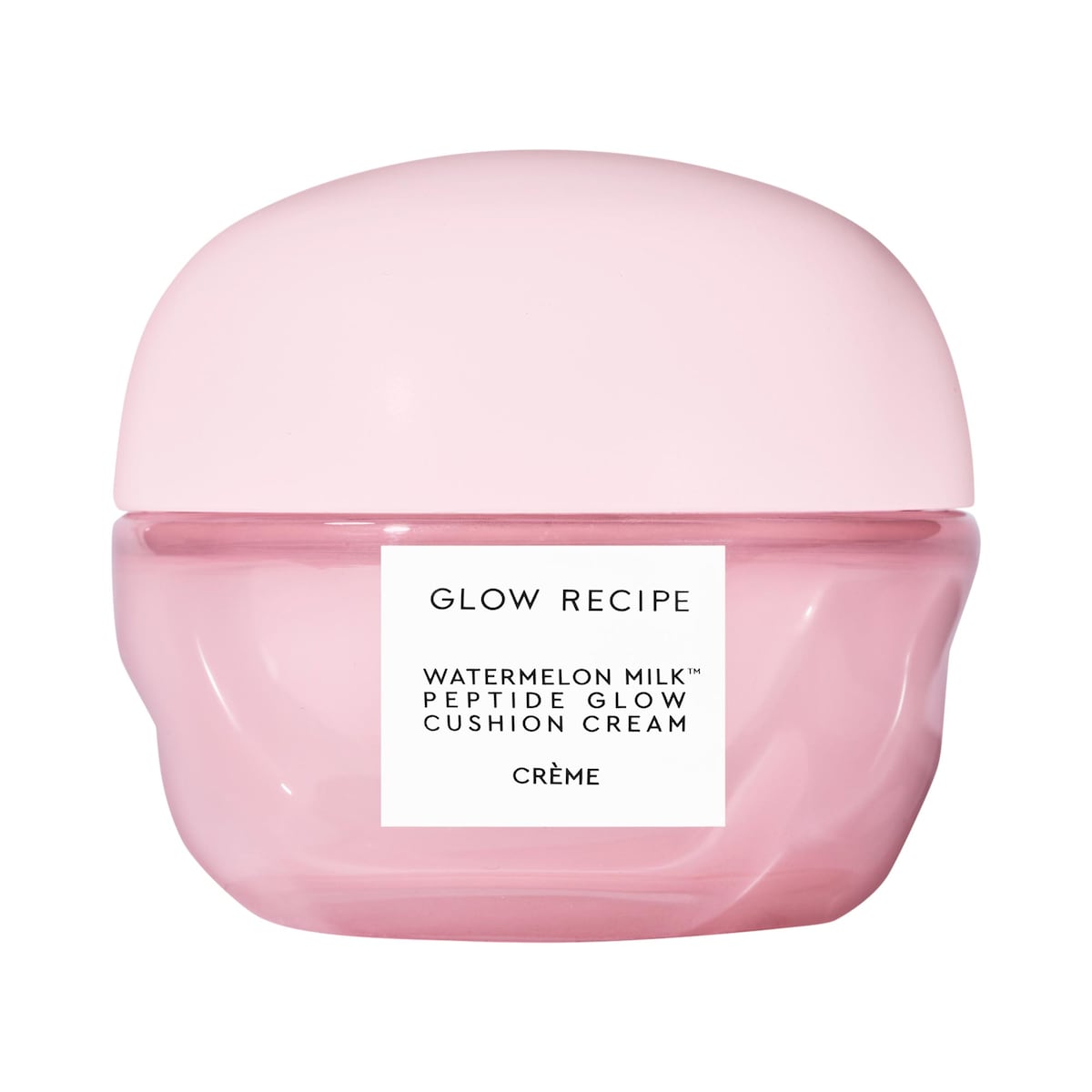
Forty dollars is the line.
Not because a moisturizer cannot be worth it. Some are. But once a cream sits around that price, I want to know exactly what job it is doing before I let the jar become another pretty object on the shelf.
That is how I looked at Glow Recipe Watermelon Milk Peptide Cushion Cream in May 2026.
The product sounds soft, expensive, and very Glow Recipe: watermelon, peptides, cushion texture, barrier support, refillable jar, dry skin, sensitive skin. The name does a lot. The better question is simpler.
Would I actually finish it?
The quick answer
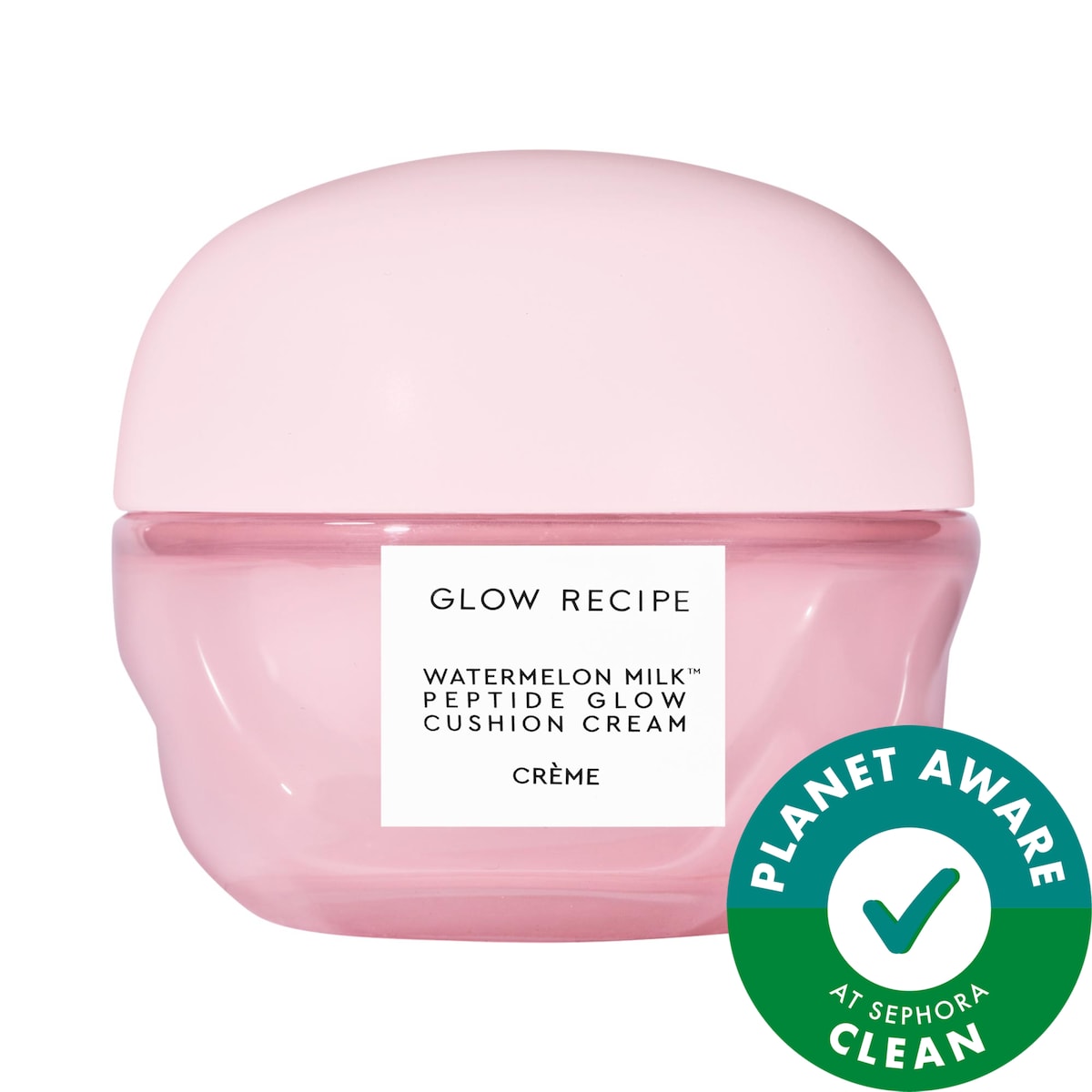
Glow Recipe Watermelon Milk Peptide Cushion Cream makes the most sense if your skin wants a richer moisturizer but hates the greasy, sealed-in feeling of old-school thick creams. In May 2026, the useful buyer is someone with dry, dehydrated, combination-dry, or barrier-stressed skin who wants comfort, a smoother makeup base, and a fragrance-free moisturizer that can work morning or night.
I would be slower to buy it if my skin is very oily, if rich moisturizers easily give me closed comedones, if my current moisturizer already keeps my face comfortable all day, or if I mainly want a treatment product for acne, dark spots, or deep wrinkles.
This is a moisturizer first. That is not an insult. It just keeps the expectations honest.
Price check in May 2026
The price is the reason to pause.
| Detail | Glow Recipe Watermelon Milk Peptide Cushion Cream |
|---|---|
| Glass product page | Watermelon Milk Peptide Cushion Cream |
| Sephora price shown in our product data | $34.00 - $40.00 |
| Glow Recipe full-size price checked in May 2026 | $40 |
| Skin type lane | Dry, sensitive, dehydrated, barrier-stressed |
| Texture lane | Cushion cream: plush at first, breathable after it settles |
| Main ingredients to notice | Glycerin, squalane, panthenol, ceramide NP, peptides, sodium hyaluronate, ectoin |
| Main reason to skip | You need something lighter, cheaper, or more acne-treatment focused |
At $40, I would not buy it as a random add-on. I would buy it only if my routine has a specific gap: moisturizer feels too light by lunch, sunscreen clings to dry patches, actives make my skin feel tight, or my night cream is too heavy for regular use.
That is the whole decision. Does it solve a real gap, or does it just look like it belongs in a better version of your bathroom?
What "cushion cream" really means
"Cushion cream" is mostly a texture promise.
It means the product is trying to sit between a gel-cream and a dense cream. Gel-cream can feel clean and fresh, but it may disappear too quickly on dry skin. Dense cream can feel comforting, but it can also sit on the face like a coat. Cushion cream is the middle lane: soft, padded, and moisturizing without trying to feel like balm.
That middle lane is useful if your skin is dry but easily overwhelmed.
I would expect this to feel more substantial than Glow Recipe Plum Plump Hyaluronic Acid Moisturizer, but less heavy than a classic rich cream. If Plum Plump feels too airy and a balm feels too much, Watermelon Milk starts to make sense.
If Plum Plump already works perfectly, I would not rush.
The ingredients tell you the real job
The ingredient story is not mysterious. It is hydration plus barrier comfort.
Glycerin and sodium hyaluronate help pull water into the upper layers of skin. Squalane and emollients help the formula feel soft and reduce that raw, tight sensation dry skin gets after cleansing. Panthenol, beta-glucan, allantoin, ectoin, and ceramide NP make the formula feel more barrier-minded than a basic glow moisturizer.
The peptide network is the part people will talk about, but I would not buy the cream only for peptides. Peptides can support a smoother, bouncier look, but they are not a replacement for sunscreen, retinoids, procedures, or time. In a moisturizer, I see them as a nice supporting feature, not the entire reason to spend $40.
The more important part is that the formula is fragrance-free and silicone-free. For Glow Recipe, that matters because some people love the brand's sensorial style and some people avoid it because fragrance can be a dealbreaker. This cream is clearly trying to reach the person who wants the Glow Recipe feel without the added scent.
Who I think it fits
I would put this cream in four lanes.
Dry skin that gets tight by afternoon. This is the cleanest fit. If lightweight moisturizers feel good for twenty minutes and then your cheeks start pulling again, a cushion cream can give you more staying power without forcing you into a greasy night balm.
Sensitive skin that wants fewer obvious irritants. The fragrance-free direction helps. I would still patch test because sensitive skin can react to anything, but the formula is not built around essential oils or a heavy perfume experience.
Combination skin with dry patches. This is the person who gets oily in the T-zone but flaky around the mouth, cheeks, or nose. I would use a smaller amount, press it into dry zones first, and avoid assuming the whole face needs the same layer.
Makeup wearers with dry texture. A moisturizer that leaves skin cushioned but not slick can help foundation sit better. If base makeup clings around the nose or cheeks, the problem may be moisture prep, not the foundation.
Who should skip it
I would skip it if you already know rich moisturizers clog you.
The brand describes the cream as non-comedogenic, and that is useful, but it does not override your personal history. If every plush cream gives you closed comedones along the cheeks or jaw, I would test carefully before making it your daily moisturizer.
I would also skip it if your routine is currently irritated from too many actives. When skin is burning, peeling, or rashy, buying a new trendy moisturizer can blur the problem. Sometimes the better move is to stop the extra actives, return to a plain moisturizer you already tolerate, and let your face calm down before testing something new.
And I would skip it if the price makes you ration the product. A moisturizer you are afraid to use is not a good moisturizer for your routine.
Cushion Cream vs Plum Plump
This is the comparison most people will make inside the Glow Recipe line.
| Image | Product | Better fit | Watch-out |
|---|---|---|---|
 | Watermelon Milk Peptide Cushion Cream | Dry, sensitive, tight, or barrier-stressed skin that wants cushion without heaviness | Could still be more cream than very oily skin wants |
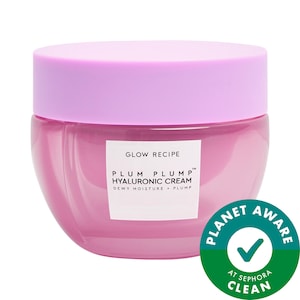 | Plum Plump Hyaluronic Acid Moisturizer | Normal, combination, and dehydration-prone skin that likes a whipped gel-cream | May not feel protective enough for dry, tight skin |
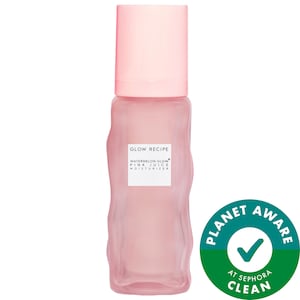 | Watermelon Pink Juice Oil-Free Moisturizer | Oily or combination skin that wants a lighter watermelon moisturizer | May be too light if your barrier feels dry or stressed |
If I had dry skin, I would start with Cushion Cream. If I had balanced combination skin, I would compare Cushion Cream and Plum Plump. If I had oily skin and mainly wanted a light daily layer, I would be more cautious and look at Pink Juice first.
The mistake is buying the most interesting texture instead of the texture your skin actually needs.
How I would use it in a routine
I would keep the first week boring.
Morning:
- Gentle cleanser or rinse.
- Hydrating serum if you already use one.
- Watermelon Milk Peptide Cushion Cream.
- Sunscreen.
Night:
- Cleanser.
- Treatment only if your skin already tolerates it.
- Watermelon Milk Peptide Cushion Cream.
I would not introduce it on the same night as a new retinoid, exfoliating acid, vitamin C, peel pad, or acne treatment. That turns one product test into a messy group project. If your skin gets irritated, you will not know what caused it.
Give the cream seven steady days. Watch comfort, sunscreen layering, makeup behavior, dry patches, and new congestion. Do not judge it only by the first glossy finish after application.
The refillable jar question
Refillable packaging is nice when you actually repurchase.
That is the catch.
If you finish the jar and want the same cream again, a refill system makes sense. If you like trying a new moisturizer every month, the refillable outer jar becomes more of a design feature than a real habit change.
I would not let the refillable angle convince me by itself. I would treat it as a bonus after the formula proves it belongs in the routine.
The routine has to come first. Packaging comes after.
What I would track before deciding
I would log five things.
| What to watch | Good sign | Bad sign |
|---|---|---|
| Morning tightness | Skin feels comfortable after cleansing | Face feels tight again within an hour |
| Sunscreen layering | SPF spreads smoothly over it | Sunscreen pills or feels heavy |
| Makeup texture | Base catches less on dry patches | Foundation separates or slides |
| Congestion | No new pattern in usual clog zones | New closed comedones where you applied most |
| Night comfort | Skin feels calmer by morning | Face feels hot, itchy, or trapped |
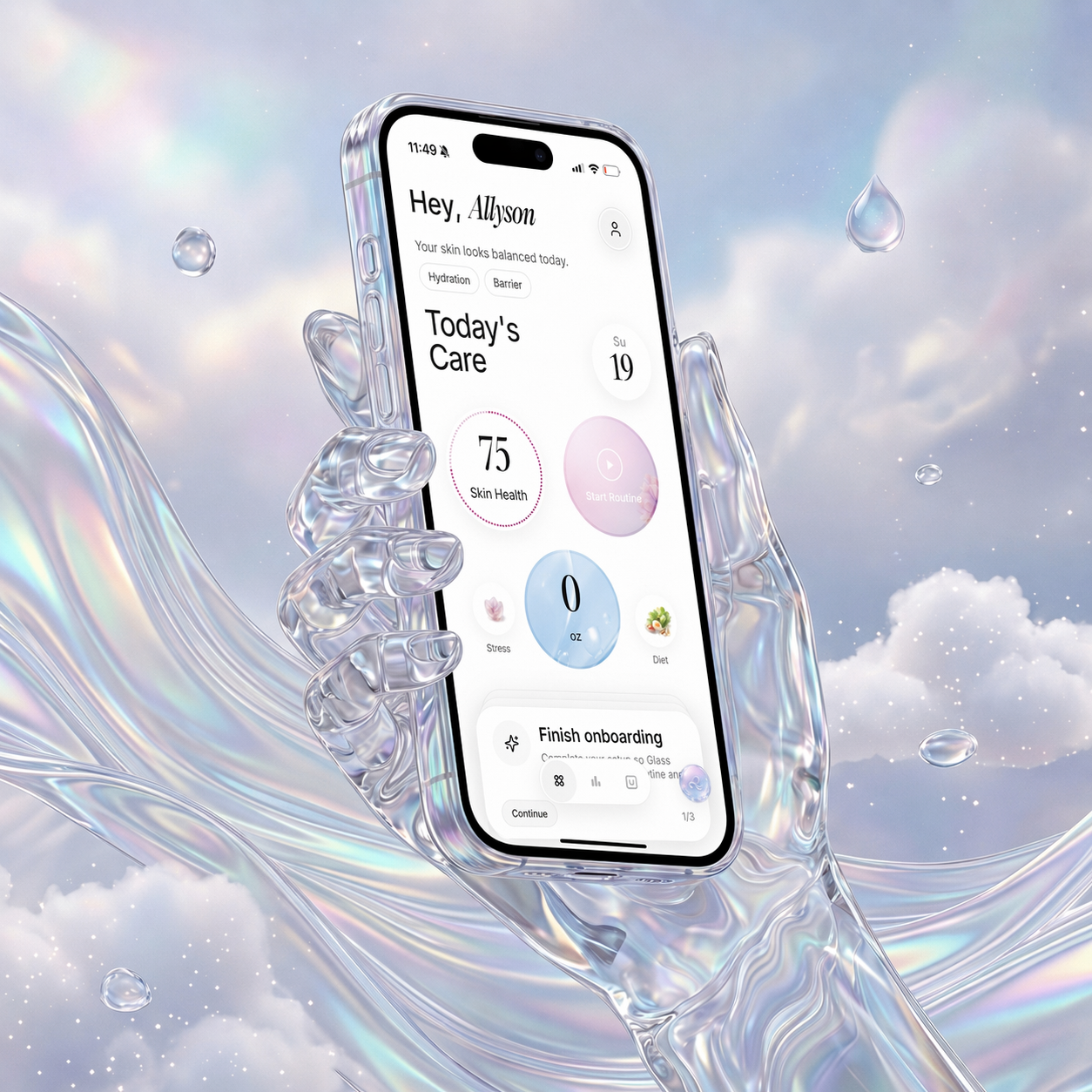
Glass is useful for this kind of product because moisturizer decisions are rarely obvious in one day. You can log the start date, keep progress photos consistent, and see whether dryness or texture actually changes instead of guessing from one mirror check.
The acne-prone skin question
Acne-prone skin does not automatically need oil-free everything. It needs products that support the barrier without creating a new breakout pattern.
That is why I would be careful but not dismissive. Dry, acne-prone skin often gets worse when every product is stripping. A comfortable moisturizer can help you tolerate acne treatments more consistently. But if your acne is very congestion-prone, you still need to test slowly.
Use less than you think. Apply it to the driest zones first. Keep the rest of the routine stable. If bumps appear in a clear new pattern after several uses, stop and reassess.
Do not punish your skin with dryness because you are afraid of cream. Do not ignore your skin's clogging history because a jar looks calming. Both mistakes are common.
Is it worth $40?
It is worth considering if it replaces product chaos.
If this one cream lets you stop layering a watery gel, a separate barrier serum, and a heavy night cream you do not like, the price starts to make more sense. If it sits beside five other moisturizers and only gets used when the jar looks cute, it is not worth it.
I would buy it for a specific role:
- my cheeks feel tight by midday
- my makeup catches on dry texture
- my skin barrier feels easily stressed
- I want a fragrance-free Glow Recipe moisturizer
- Plum Plump is too light, but heavy creams feel suffocating
I would not buy it for vague glow. Glow is easy to sell and hard to define. Comfort is easier to measure. Does your skin feel less tight? Does your routine become easier to repeat? Does sunscreen sit better? Do you stop over-correcting with random products?
Those answers matter more than the product name.
The bottom line
Glow Recipe Watermelon Milk Peptide Cushion Cream is a better buy for dry, sensitive, dehydrated, or barrier-stressed skin than for someone who only wants a trendy new jar. The $40 price makes sense only if the cream fills a real routine gap: more cushion than a gel, less heaviness than a balm, fragrance-free comfort, and enough moisture to make morning and night routines easier.
If your skin needs that middle lane, I would test it slowly and track the result for a week. If your current moisturizer already works, keep your money until the routine gives you a real reason to change.
Useful references: Glow Recipe Watermelon Milk Peptide Cushion Cream, Sephora Glow Recipe face creams, and SkinSort ingredient listing.