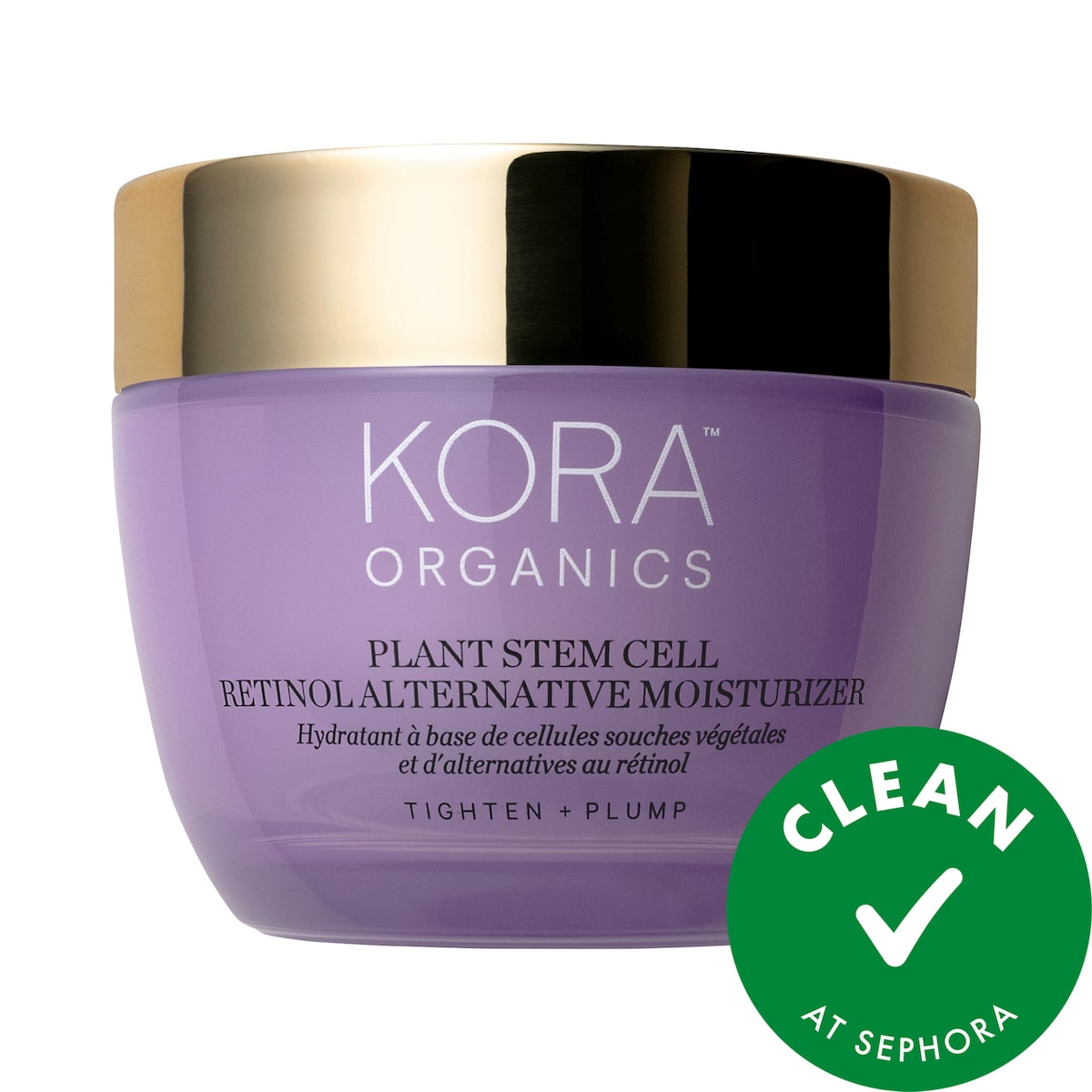
Kora has two moisturizer lanes that look more similar online than they feel in a routine.
One is the rich, retinol-alternative comfort cream. The other is the lighter algae moisturizer for people who want hydration without as much weight.
That sounds simple.
It is not.
If your skin is dry, reactive to retinol, or starting to care about firmness, the Plant Stem Cell Retinol Alternative Firming Moisturizer can sound like the obvious winner. If your skin is oily, congested, or easily shiny, Active Algae Lightweight Moisturizer sounds safer. But the better choice is not about which name sounds more advanced. It is about what your routine keeps rejecting.
That is the real comparison.
The short answer
As of May 2026, I would choose Kora Organics Plant Stem Cell Retinol Alternative Firming Moisturizer if your skin wants a richer night cream with a softer retinol-adjacent angle. I would choose Kora Organics Active Algae Lightweight Moisturizer if your skin wants breathable daytime hydration, less shine, and a gel-cream feel.
I would pause the retinol-alternative cream if your skin is very oily, clog-prone, reactive to essential oils, easily irritated by fragrant products, or if you want the predictable results of a true retinoid. I would pause Active Algae if your skin is truly dry, flaky, retinoid-tired, or asking for a richer night seal.
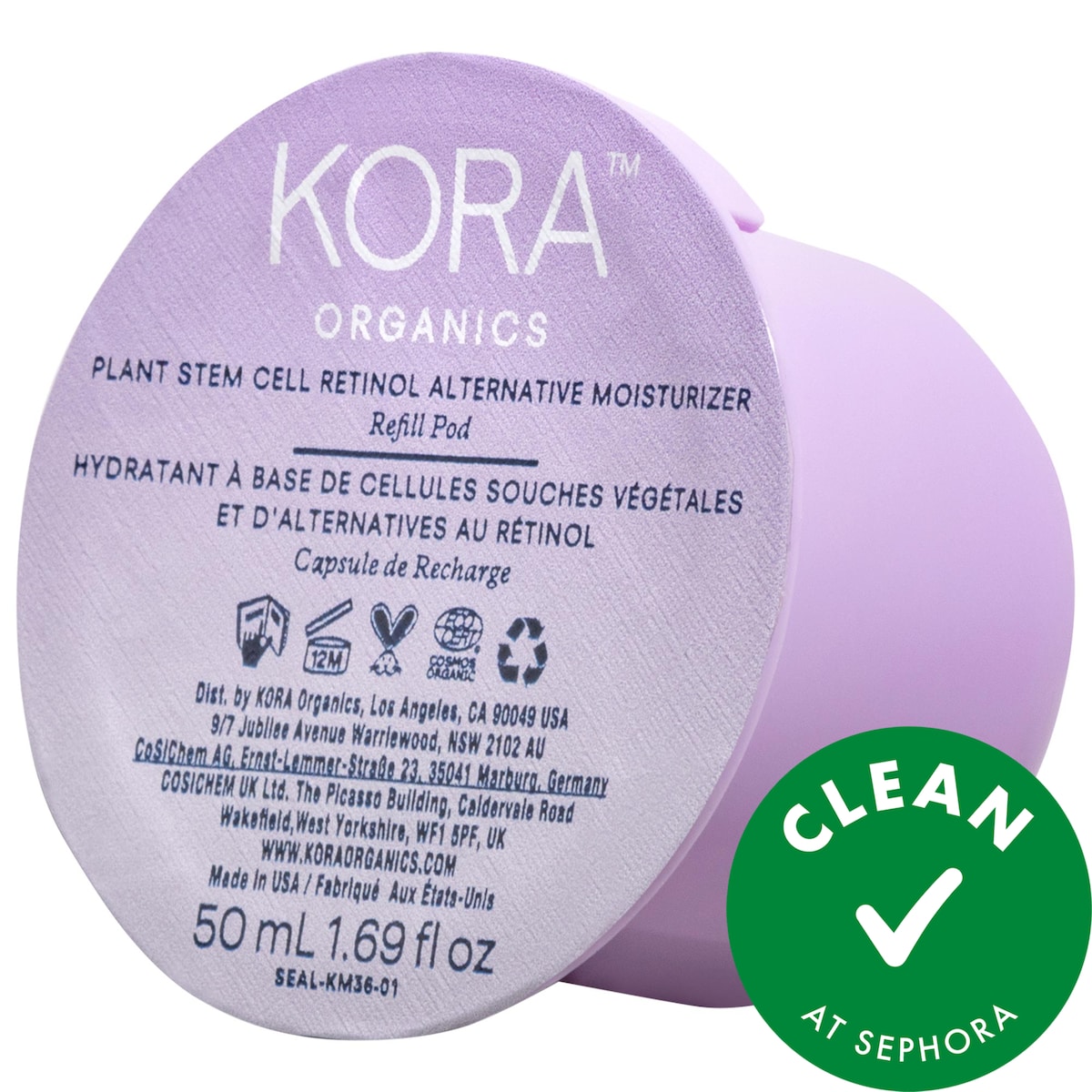
What it is actually trying to be
This moisturizer sits in a very specific lane: anti-aging comfort for people who do not want a traditional retinol step.
That matters because a lot of shoppers hear "retinol alternative" and expect the same kind of visible resurfacing they associate with retinoids. I would not frame it that way. Bakuchiol has research behind it, but the experience of using a bakuchiol cream is not identical to using a prescription retinoid or even a stronger over-the-counter retinol.
The cleaner way to think about this product is:
| Question | My read |
|---|---|
| Is it a moisturizer? | Yes, first and foremost. |
| Is it a true retinol? | No. It is positioned as an alternative. |
| Is it lightweight? | Not the way a gel cream is lightweight. |
| Is it best for oily skin? | Not my first pick. |
| Is it fragrance-free? | No. The ingredient list includes aromatic components. |
| Is it interesting for retinol-sensitive skin? | Yes, if the base agrees with your skin. |
That last part is the whole decision. The active story can sound perfect, but the cream base still has to work on your actual face.
The ingredient story without the hype
The formula has several pieces that make sense on paper.
Bakuchiol is the headline. It is the ingredient people usually mean when they talk about plant-based retinol alternatives. A small 12-week randomized study compared 0.5% bakuchiol used twice daily with 0.5% retinol used once daily for photoaging signs, and the bakuchiol group reported less scaling and stinging. That does not make every bakuchiol product equal, but it explains why the ingredient keeps showing up in gentler aging routines.
Then there is the moisturizer base: aloe, glycerin, fatty alcohols, sunflower oil, shea butter, rosehip oil, squalane-like emollients, ceramide NP, and other plant extracts. That is not a bare gel. It is a richer, more sensorial cream built to make skin feel cushioned.
The part I would watch is the fragrant side of the formula. Ingredient databases list components such as geranium flower oil, bitter orange flower oil, linalool, citronellol, geraniol, limonene, and farnesol. Some people tolerate those perfectly. Some people love the ritual. Some sensitive-skin routines do better without them.
That does not make the product bad. It makes it more specific.
Who I think should buy it
I would put this on the short list for someone who wants three things at once: a creamier moisturizer, a gentler aging step, and a more polished night routine.
It fits best when your skin sounds like this:
- dry or normal-to-dry
- tight after cleansing
- easily irritated by classic retinol
- interested in firmness but not ready for strong actives
- comfortable with richer creams
- not usually bothered by fragranced botanical formulas
- trying to keep the night routine simple
The strongest use case is a person who has tried retinol, liked the idea of it, but hated the peeling, sting, or routine anxiety. If that is you, a retinol-alternative moisturizer can feel calmer because it combines the treatment idea and the comfort step in one jar.
I would put Active Algae on the short list for the opposite person: someone who already knows heavy creams become too much. It makes more sense for oily, combination, blemish-prone, or humid-weather routines where the moisturizer needs to hydrate without announcing itself all day.
I would still keep expectations grounded. Softer-looking texture and better-feeling skin are realistic goals. A prescription-level transformation is not.
Who should skip it
I would skip or delay this cream if your skin already tells you rich products are a problem.
That includes skin that gets closed comedones from shea-heavy creams, skin that gets shiny within an hour of moisturizer, skin that breaks out around the nose and chin from occlusive-feeling night products, or skin that reacts to essential oils and fragrant botanical blends.
I would also skip it if you are already using a strong retinoid and simply want a bland barrier cream. In that case, I would choose something quieter. When a routine already has tretinoin, adapalene, retinal, exfoliating acids, or benzoyl peroxide, the moisturizer does not need to be impressive. It needs to be boring enough to keep the skin steady.
If your skin is in a flare, I would not introduce this as the rescue product. Start with less personality.
I would skip Active Algae if your skin is flaky, tight, winter-dry, or recovering from too many actives and needs real cushion at night. A lightweight moisturizer can be elegant and still not enough.
Texture is the buying question
Most reviews of this kind of product get stuck on the active ingredient. I think the more useful question is texture.
Do you want your moisturizer to disappear, or do you want to feel a soft layer?
Kora's cream sits closer to the second lane. That can be lovely at night. It can make dry skin feel more protected. It can make a routine feel finished. But if you hate residue, sleep warm, use a heavy sunscreen in the morning, or live somewhere humid, that same richness can become the reason you stop reaching for it.
Active Algae sits closer to the first lane. It is the easier morning pick if sunscreen layering is usually your problem. It is also the safer first test if you are trying Kora moisturizers but do not know whether the brand's richer formulas agree with you.
The mini size matters here. If you are unsure, I would rather test a smaller jar than convince myself a full-size cream will work because the ingredient story sounds smart.
Morning or night?
I would start at night.
Night use gives the cream its best chance. You are not asking it to sit under sunscreen, makeup, sweat, or a long commute. You can apply a modest amount after cleansing and any gentle serum, then see how your skin feels in the morning.
A simple night routine could look like this:
| Step | What I would do |
|---|---|
| 1 | Gentle cleanse |
| 2 | Hydrating serum if your skin likes one |
| 3 | Small amount of Kora Plant Stem Cell Retinol Alternative Moisturizer |
| 4 | Stop there unless your skin truly needs more |
If I were using Active Algae, I would test it in the morning instead:
| Step | What I would do |
|---|---|
| 1 | Gentle cleanse or rinse |
| 2 | Active Algae Lightweight Moisturizer |
| 3 | Sunscreen |
| 4 | Makeup only if everything has settled cleanly |
I would not start it on the same night as a new acid, new vitamin C, new retinoid, new cleanser, and new sunscreen. That is how you lose the signal. If your skin breaks out or stings, you will not know which product caused the problem.
Use Glass to log the start date, how much you used, whether you used it morning or night, and what changed after two weeks. The goal is not to obsess over every pore. The goal is to stop guessing.
How it compares to true retinol
This is where I would be careful.
Retinol and prescription retinoids have a long history in acne, photoaging, texture, and cell-turnover routines. They can also irritate, dry, and destabilize the barrier when introduced too fast. Bakuchiol is appealing because it gives people a gentler path to a similar conversation.
But similar conversation does not mean identical result.
If you are trying to treat acne, deep texture, or significant sun damage, I would not treat this cream as the strongest tool available. If you are trying to build a more comfortable routine that still has a firmness-focused ingredient story, it becomes much more interesting.
That distinction saves disappointment.
How it compares to other barrier creams
Kora's cream is not the only moisturizer in this lane. The right alternative depends on why you wanted it in the first place.
| Image | Product | Best fit | I would choose something else if... |
|---|---|---|---|
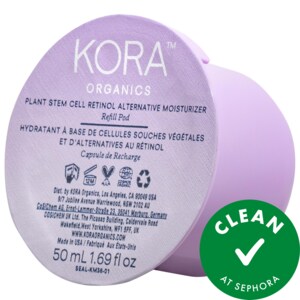 | Kora Organics Plant Stem Cell Retinol Alternative Moisturizer | Dry or normal skin that wants a richer retinol-alternative night cream | You react to fragrance or want a true retinoid |
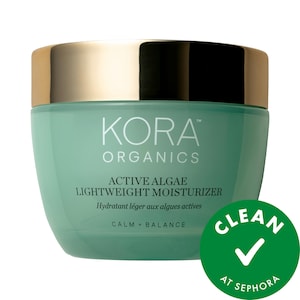 | Kora Organics Active Algae Lightweight Moisturizer | Oily, combination, or daytime routines that need breathable hydration | Your skin needs a richer night cream |
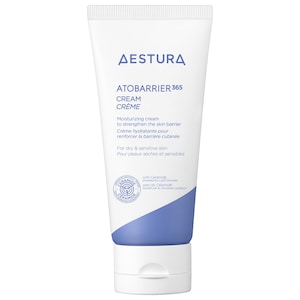 | Aestura Atobarrier365 Cream | Barrier-focused comfort with less of a treatment story | You want the bakuchiol angle specifically |
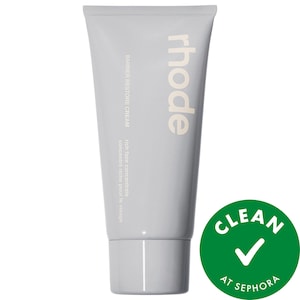 | rhode Barrier Restore Cream | A daily cushioned cream for soft, comfortable skin | Shea-rich textures usually clog you |
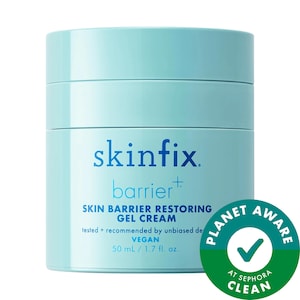 | Skinfix Barrier Gel Cream | Oily or combination skin that still needs barrier support | You need a richer night seal |
This is not a winner-takes-all table. It is a routine-fit table.
The retinol-alternative cream makes the most sense when you want the moisturizer to be part of the anti-aging step. Active Algae makes more sense when you want the Kora lane but need a lighter daily texture. Aestura makes more sense when you want barrier comfort to be the whole job. Skinfix makes more sense when oily or breakout-prone skin needs support without the full rich-cream feeling.
What I would watch in the first two weeks
The first two weeks should tell you whether the base agrees with your skin.
I would track:
- morning softness
- new clogged pores
- shine around the nose
- stinging on application
- redness around the cheeks
- whether sunscreen layers cleanly if used in the morning
- whether you keep reaching for it or avoid it
That last signal matters. A good moisturizer becomes easy to repeat. If a product is expensive, beautiful, and theoretically perfect but you keep hesitating before using it, something is off.
I would also separate purging from irritation. A moisturizer without a traditional retinoid is not where I would expect a classic purge story. If you get a sudden pattern of clogged pores or burning, do not romanticize it. Pause and simplify.
The price problem
At around the premium moisturizer tier, this needs to earn its place.
I would not buy it just because the jar looks elegant or because "retinol alternative" sounds safer. I would buy it if it replaces two products: a night cream and a gentler firmness step. If it only becomes another moisturizer beside three other moisturizers, the value gets weaker fast.
The refill format helps if you already love it. It does not help if you are still deciding whether the formula belongs on your face.
That is why the right order is test, then commit.
The clean-beauty part
Kora's certified-organic positioning is part of the appeal. I understand why that matters to people. Packaging, sourcing, ritual, and brand philosophy can make a product feel more aligned with how someone wants to care for their skin.
But skin does not automatically prefer natural, organic, or botanical ingredients. Some botanical formulas are beautiful. Some are irritating. Some synthetic-feeling products are boring and excellent. Some clean products are expensive and not right for your skin.
I would not judge this cream by the clean label alone. I would judge it by the actual ingredient list, the texture, the way it layers, and whether your skin is calmer after repeated use.
How I would add it to a routine
If I bought it, I would use it like this:
- Use it every other night for the first week.
- Keep the cleanser and sunscreen unchanged.
- Avoid adding a new exfoliant at the same time.
- Use a smaller amount than the jar makes you want to use.
- Check for clogged pores after seven to fourteen days.
If the skin feels good, move to nightly use. If the T-zone gets congested, try using it only on dry zones. If it stings or makes redness louder, stop trying to force the fit.
Skincare gets easier when you let products be specific. This one does not have to be for everyone to be useful for the right person.
FAQ
Is Kora Plant Stem Cell Retinol Alternative Moisturizer real retinol?
No. It is a retinol-alternative moisturizer. The key retinol-adjacent ingredient is bakuchiol, supported by other botanical and moisturizer ingredients. That makes it more of a comfort-focused aging cream than a classic retinoid treatment.
Can acne-prone skin use it?
Some acne-prone skin may tolerate it, especially if it is dry or retinol-sensitive, but I would be cautious. The richer base, shea butter, oils, and fragrant components may not be ideal for every breakout-prone routine. Patch test and avoid starting it during an active breakout spiral.
Is it better for morning or night?
I would start the retinol-alternative cream at night. I would start Active Algae in the morning. That gives each product the job it is most likely to do well.
Which is better for oily skin?
Active Algae is the cleaner first choice for oily or combination skin. The retinol-alternative cream can still work for some people, but it is richer and more night-cream-coded.
Can I use it with tretinoin?
Ask your prescriber if tretinoin is part of your plan. In general, tretinoin routines often do best with bland, low-irritation moisturizers. Because this Kora cream includes fragrant components and an active-positioned story, I would not make it my first barrier support pick for a sensitized prescription-retinoid routine.
Is it worth the price?
It is worth considering if it replaces both your night cream and your gentler aging step. It is harder to justify if you already own a moisturizer you love and simply want to add another expensive jar for the promise of a retinol alternative.
Bottom line
Kora Organics Plant Stem Cell Retinol Alternative Firming Moisturizer is most compelling for dry or normal-to-dry skin that wants a richer, softer, retinol-alternative night cream. Active Algae Lightweight Moisturizer is the better Kora pick for oily, combination, daytime, or shine-prone routines.
I would not choose the retinol-alternative cream as the safest first moisturizer for oily, clog-prone, fragrance-reactive, or medically irritated skin. I would not choose Active Algae if the skin is truly dry and asking for cushion. The decision is texture first, treatment story second.
Useful references: Kora Organics Plant Stem Cell product details, Kora Organics Active Algae product details, Kora Organics at Sephora, INCIDecoder ingredient listing, bakuchiol and retinol clinical trial summary, and AAD guidance on retinoids.