Zits are common.
Still annoying.
Still capable of ruining your mood before breakfast.
The word sounds casual, but zits on the face can mean several things: whiteheads, blackheads, red bumps, pustules, deep pimples, irritation bumps, folliculitis, or lookalikes that are not acne at all. That is why the best routine starts with pattern recognition instead of panic.
The goal is not perfect skin by Friday. The goal is fewer flares, less picking, less irritation, and earlier care when the pattern is not behaving like simple acne.
Quick answer
Zits on the face are often acne lesions caused by clogged pores, oil, inflammation, and bacteria, but pimple-like bumps can also come from irritation, shaving, folliculitis, dermatitis, or infections. Start with a gentle cleanser, moisturizer, sunscreen, and one planned acne active if tolerated. Avoid picking and squeezing. See a clinician for deep painful acne, scarring, sudden severe acne, spreading redness, fever, eye-area swelling, or bumps that do not fit your usual pattern.
The main types of facial zits
| Type | What it looks like | What to avoid |
|---|---|---|
| Whitehead | Small closed bump with pale top | Picking before it is ready |
| Blackhead | Dark open clogged pore | Scrubbing aggressively |
| Papule | Red inflamed bump | Drying it out repeatedly |
| Pustule | Inflamed bump with pus | Squeezing with nails |
| Nodule or cyst-like bump | Deep painful lump | At-home extraction |
Knowing the type helps you choose a response. Deep painful bumps deserve more caution than tiny clogged pores.
Why zits happen
Acne forms when pores clog and inflammation builds. Oil, dead skin cells, bacteria, hormones, friction, occlusive products, and genetics can all play roles.
But the face is not one single zone. Forehead bumps may overlap with hair products, sweat, hats, or yeast-related folliculitis. Chin and jaw flares may be hormone-linked for some people. Cheek breakouts can involve acne, makeup, phone contact, pillowcases, or irritation.
Pattern matters more than one bump.
The simple routine baseline
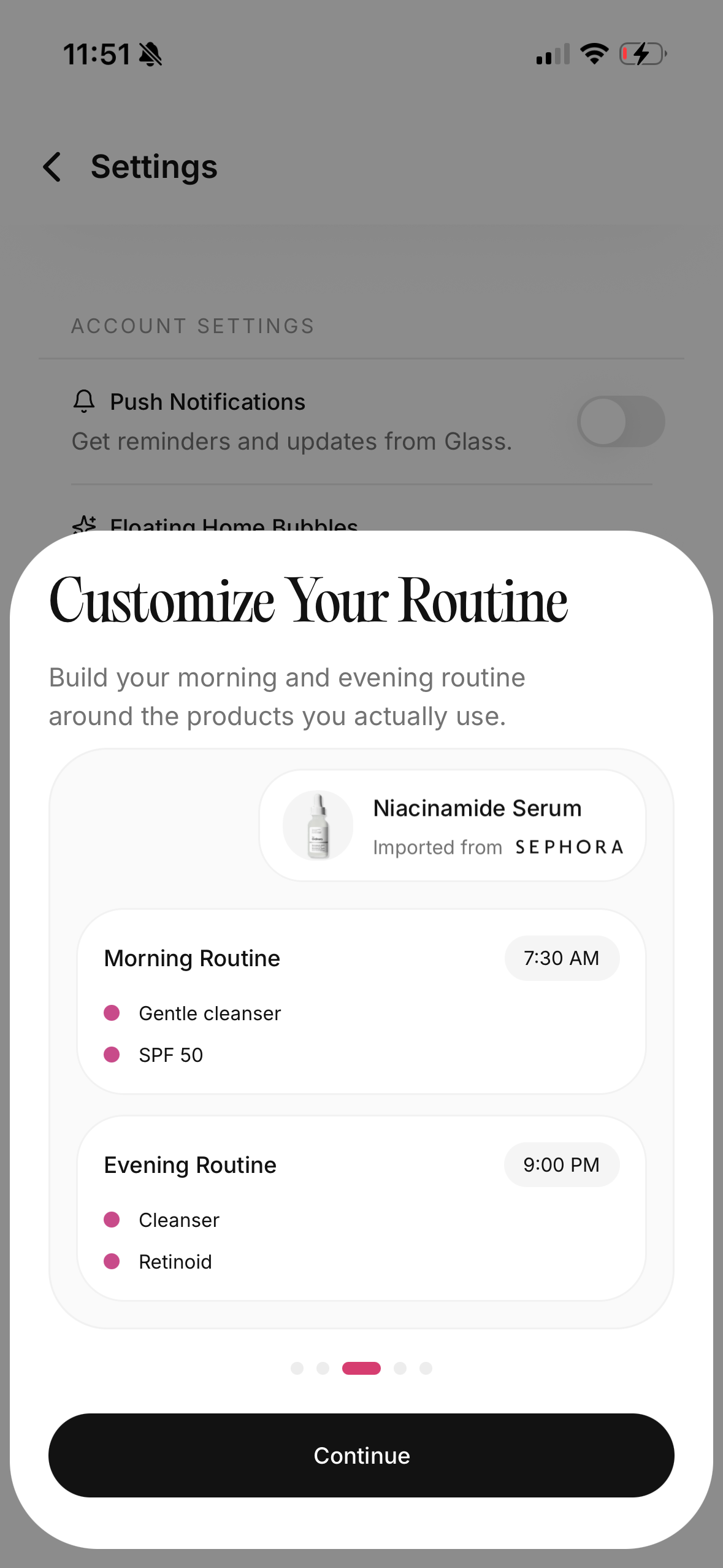
Morning:
- gentle cleanser or rinse
- lightweight moisturizer
- sunscreen
Night:
- cleanser
- acne treatment if planned
- moisturizer
That is the base. Not ten emergency steps. Not three exfoliants. Not a new mask every night.
If your skin burns, flakes, or gets tight, your acne plan may be too harsh. Irritated skin can look bumpier and heal slower.
How long to give a routine
Acne routines need enough time to show a pattern. A cleanser may make skin feel cleaner right away, but prevention ingredients usually need weeks of consistent use. Changing the routine every three days makes it nearly impossible to know what helped or what irritated you.
There are exceptions. Stop quickly if you have severe burning, swelling, hives, blistering, or a reaction that feels wrong. But if the issue is ordinary impatience, pick a reasonable plan and track it. Most people learn more from four steady weeks than from four different routines in one week.
Take photos in similar lighting. The mirror changes more than you think.
Product examples
| Image | Product | Possible role | Note |
|---|---|---|---|
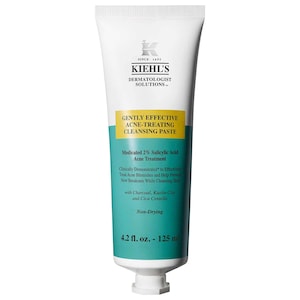 | Kiehl's Salicylic Face Wash | Cleansing acne-prone skin | Start slowly if sensitive |
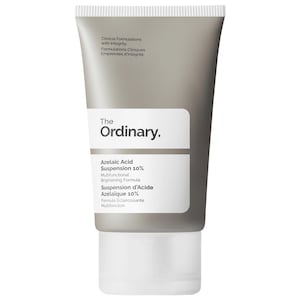 | The Ordinary Azelaic Acid | Redness and blemish-prone routine support | Can tingle or pill |
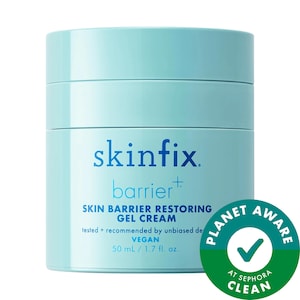 | Skinfix Barrier Gel Cream | Barrier support | Helpful when actives dry skin |
Use products as roles, not trophies. A cleanser, treatment, moisturizer, and sunscreen can do more than a crowded shelf.
What about oily skin
Oily skin still needs moisture. Skipping moisturizer can make the skin feel tight and irritated, especially if you are using salicylic acid, benzoyl peroxide, or retinoids. The answer is usually a lighter moisturizer, not no moisturizer.
Look for formulas that feel comfortable enough to use daily. If sunscreen makes you greasy, try a different sunscreen rather than skipping it. Acne marks can look darker and last longer when healing skin gets unnecessary sun exposure.
The routine should reduce breakouts without making you hate how your face feels.
Salicylic acid, benzoyl peroxide, retinoids, and azelaic acid
Salicylic acid can help clogged pores. Benzoyl peroxide can help inflammatory acne and acne-causing bacteria, but it can bleach fabric and irritate. Retinoids can help prevent clogged pores over time. Azelaic acid can support redness-prone and blemish-prone skin for some people.
These ingredients are not interchangeable, and they do not need to be started together.
If you are new to acne actives, introduce one. Watch for dryness, burning, peeling, and new irritation. Give the routine enough time to show a pattern unless the skin is clearly reacting badly.
Why picking makes zits last longer
Picking turns acne into a wound.
The American Academy of Dermatology explains that squeezing pimples at home can worsen inflammation, pain, infection risk, and scarring risk. Even when you “get something out,” you may create more damage than relief.
If your hands keep going to your face, reduce mirror time, cover surface lesions with patches if tolerated, trim nails, and track picking triggers. Picking is often stress plus access.
Makeup and sunscreen habits
Makeup does not automatically cause zits, and sunscreen is not optional because you are breaking out. The issue is fit and removal. Heavy products that sit poorly on your skin, irritate you, or are not removed at night can contribute to congestion or inflammation.
Cleanse thoroughly but gently at night. Wash brushes and sponges. Avoid sharing makeup. If a new base product lines up with a new breakout pattern, pause it and see whether the pattern changes.
Do not blame every zit on makeup, but do not ignore obvious timing either.
If your skin is sensitive
Sensitive acne-prone skin needs a narrower plan. Choose fragrance-free basics when possible, avoid starting multiple actives together, and watch for burning that lasts beyond a brief sting. If a cleanser leaves your face tight, it may be too stripping even if it says acne on the bottle.
Try using treatment less often rather than quitting every acne ingredient forever. Some people tolerate salicylic acid as a cleanser better than a leave-on. Some tolerate azelaic acid better than benzoyl peroxide. Some need prescription guidance because every over-the-counter attempt causes irritation.
Sensitive skin is not weak. It just gives feedback quickly, and ignoring that feedback can turn a small breakout into a full-face irritation problem.
Face map without superstition
Face mapping can get silly, but location patterns can still be useful.
Forehead: hair products, sweat, hats, helmets, or clogged pores.
Cheeks: makeup, phones, pillowcases, masks, or general acne.
Chin and jaw: hormone patterns, occlusion, shaving, or deep acne.
Around mouth: toothpaste, lip products, perioral dermatitis lookalikes, or irritation.
Use location as a clue, not a diagnosis.
When it may not be acne
Pimple-like facial bumps can be:
- perioral dermatitis
- rosacea-like bumps
- folliculitis
- milia
- cold sores
- allergic contact dermatitis
- inflamed cysts
- insect bites
If bumps burn more than they ache, cluster around the mouth, worsen with steroid creams, or look very uniform and itchy, pause the acne-assumption and consider clinician care.
Red flags
See a clinician if you have:
- deep painful lumps
- scarring or dents
- sudden severe acne
- fever or spreading redness
- swelling around the eye
- pus with worsening pain
- acne after starting a new medication
- painful bumps that recur in the same spot
- no improvement after consistent care
Earlier care can prevent scars and reduce months of trial-and-error.
How to track what helps
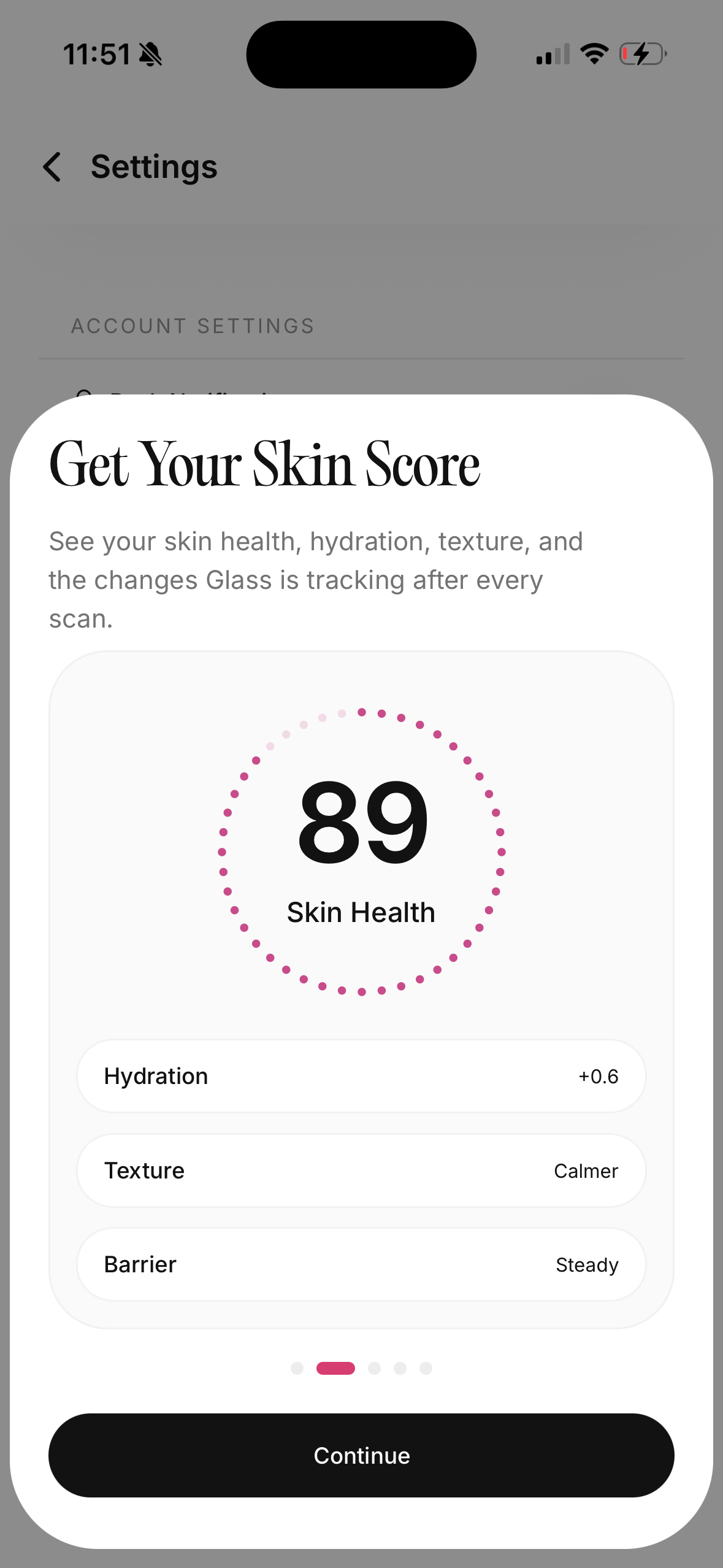
Use Glass to log:
- cleanser
- treatment
- moisturizer
- sunscreen
- makeup changes
- cycle timing if relevant
- stress and sleep
- photos in the same lighting
- new breakouts by location
The point is not to obsess. The point is to stop guessing. If every flare follows a heavy sunscreen or every improvement follows a simpler routine, you have useful evidence.
What to stop doing this week
Stop scrubbing with rough tools. Stop applying spot treatment six times a day. Stop changing the entire routine every time a new zit appears. Stop skipping moisturizer because skin is oily. Stop sleeping in makeup. Stop treating deep painful lumps like surface whiteheads.
Small discipline beats aggressive chaos.
The weekly check-in
Ask whether your skin is calmer, angrier, or just different. Calmer means fewer new inflamed bumps and less tenderness. Angrier means burning, spreading redness, painful lumps, or picking wounds. If it is only different, keep tracking before changing everything again.
Bottom line
Zits on the face are common, but they are not all the same.
Build a simple routine. Add one acne active at a time. Do not pick. Track patterns. Get medical care for painful, scarring, spreading, sudden, or unusual bumps.
Clearer skin usually comes from consistency and good judgment, not a punishment routine.
The product discipline I would keep
When zits on the face show up, I would keep the product discipline boring. One cleanser. One treatment lane. One moisturizer. One sunscreen. If I add a salicylic acid cleanser, I would not also add a new retinoid, drying mask, peel pad, and spot gel in the same week. That makes it impossible to know what helped and what irritated. A face with zits is already inflamed in places. It does not need a full routine identity crisis. It needs steady care, fewer fingers, and enough time for the pattern to become readable.
When face zits are not just face zits
I would also watch for bumps that do not behave like normal acne. Identical itchy bumps, blisters, crusting, sudden rash-like spread, severe pain, fever, or swelling around the eye all change the decision. So do deep lumps that scar or return in the same place. In those cases, the safest move is not stronger spot treatment. It is getting a clinician to name the problem correctly.