A white pimple on the lip is easy to name too quickly.
White does not automatically mean pus. It can be a whitehead on nearby skin, but it can also be a tiny firm milia-like bump, a visible oil gland, a blocked gland, an irritated spot, a small blister stage, a healing sore, or a mouth-area rash that happens to have pale bumps.
The safest response is careful observation, not home extraction.
This guide walks through what the white color may mean, which details separate a simple lip-line whitehead from common lookalikes, and when the location or behavior should move you toward clinician care.
Quick answer
A white bump near the lip may be acne if it is on surrounding facial skin, tender like a normal whitehead, and linked with clogged pores or product buildup.
Do not pop it if it is on the pink lip, inside the mouth, firm and persistent, clustered, blistering, crusting, bleeding, very painful, recurring, or unclear. Watch location, texture, sensation, and change over a few days. Get medical care if it worsens, spreads, drains, does not heal, or behaves unlike your usual acne.
White is a clue, not a diagnosis
The word "white" can describe several different surfaces.
A true whitehead often looks soft or raised, with inflammation around a pore. Milia tend to look tiny, pearly, and firm. Fordyce spots can look pale or yellow-white and often appear as multiple small dots. A healing sore can look pale because of moisture, crust, or damaged surface tissue.
That is why squeezing to see what comes out is not a good test. If it is not acne, pressure can injure the lip and make the original question harder to answer.
Map the exact location
Use a mirror in normal light and name where the bump sits.
On facial skin above or below the lip, acne is more plausible. On the sharp border, the answer is less certain. On the pink lip itself, be more careful. Inside the mouth, acne is unlikely. At the corners, cracks and irritation can mimic bumps.
Location will not identify every condition, but it helps you avoid applying facial-acne logic to lip tissue.
If it is a classic whitehead
A classic acne whitehead near the lip usually has a pore-centered look. It may be tender, slightly red, and similar to breakouts on your chin or around the mouth. It may follow heavy balm, makeup, sunscreen, sweat, shaving, or friction.
For that scenario:
- do not squeeze
- cleanse gently
- keep lip products from crossing the border
- use acne treatment only on intact facial skin
- protect surrounding skin from sun
- avoid piling on new products
If it drains on its own, clean gently and leave it alone. Do not keep pressing after the first opening.
If it is firm and pearly
A tiny firm white bump that does not hurt, does not redden, and does not behave like a pimple may be milia-like rather than acne.
Milia do not usually respond to popping attempts. They can sit under the surface and feel like a tiny bead. Trying to force one out at home can create a wound without removing the bump.
If the bump is stable and you mainly want it gone for cosmetic reasons, a dermatologist or trained clinician can tell you whether removal is appropriate. If it changes, bleeds, hurts, or grows, have it checked.
If there are many pale dots
Multiple tiny pale or yellow-white dots on the lip can be visible oil glands, often called Fordyce spots. They are common and usually harmless.
They tend to be long-standing, not painful, not inflamed, and not sudden. They may be more noticeable when the lip is stretched.
Do not scrape or squeeze them. If you are unsure whether the dots are new, changing, or something else, take one clear photo and compare later. Stable dots behave differently from a new painful bump.
If it tingles, blisters, or crusts
A white or pale-looking bump near the lip can also be part of a sore process, especially if it began with tingling, burning, or itching.
Cold-sore-like clues include clustered small blisters, clear fluid, crusting, recurrence in the same place, swollen glands, or a sore after intimate contact. In that case, avoid close contact and shared lip products, and ask a clinician or pharmacist about the best care.
Acne acids and forced drying can make a blistering sore more uncomfortable. They do not answer the underlying question.
Product buildup around the lip
White bumps near the lip border often appear where products collect.
Think about:
- thick balm
- lip oil
- lip mask
- gloss
- long-wear lipstick
- sunscreen stick
- occlusive moisturizer
- shaving balm
- makeup primer
If one product is new and the bump sits exactly where that product spreads, pause that product first. Do not overhaul the entire routine. A single clean change gives you better information.
Toothpaste, whitening, and mouth irritation
White bumps around the lip can overlap with irritation from toothpaste, whitening strips, mouthwash, lip licking, or repeated wiping.
Brush before washing your face so residue gets removed. Rinse the mouth area. Avoid letting foam sit under the lower lip. If whitening products sting the corners or border, pause and ask a dental professional about options that irritate less.
If the area is dry, burning, flaky, and covered in small bumps, it may not be a single whitehead problem. Treating a rash-like pattern with stronger acne care can make the skin feel worse.
The observation plan
For a white bump that is small and not alarming, observe it for a few days without provoking it.
Write down:
- exact location
- pain, itch, burn, or no sensation
- soft whitehead versus firm bead
- single bump versus multiple dots
- new lip or dental products
- whether it changes, drains, crusts, or spreads
Take one photo in daylight. Then stop checking constantly. Repeated stretching, pressing, and rubbing can change the bump before you know what it was doing naturally.
What not to apply
Avoid harsh home experiments:
- toothpaste as a spot treatment
- alcohol
- peroxide
- lemon juice
- essential oils
- lip scrubs over the bump
- strong acid on the lip surface
- retinoid on cracked corners
- extraction tools
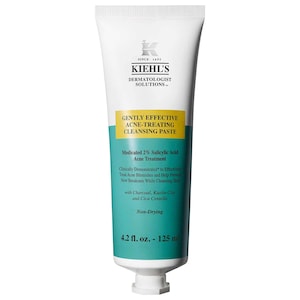
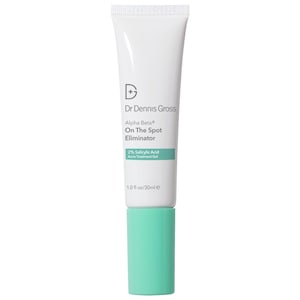
For acne ingredients such as salicylic acid, benzoyl peroxide, azelaic acid, or retinoids, keep them on intact facial skin only. A product like Dr. Dennis Gross 2% Salicylic Acid Acne Treatment Gel is an external facial-skin product, not a lip-surface treatment.
When to get medical care
Ask a clinician about a white lip bump if:
- it is on the lip tissue and you are unsure what it is
- it blisters, crusts, or recurs
- it is very painful
- redness spreads
- there is pus or unusual drainage
- it bleeds easily
- it lasts more than a couple of weeks
- it grows or changes shape
- you are immunocompromised
- you have frequent cold sores
- it follows new intimate contact and worries you
Care does not always mean something serious is happening. It means the lip is too sensitive for months of guessing.
How to prevent repeats
Keep the border clean and simple.
Use one plain balm. Remove makeup and sunscreen fully at night. Keep lip products on the lip instead of smearing them onto surrounding skin. Replace old lip products. Clean brushes. Avoid sharing lip products during active sores.
If you use retinoids or acids, leave a buffer around the corners and lip surface. If glow products keep causing small white bumps around the mouth, the glass skin without looking greasy guide may help you think through lighter layers.
If the bump stays unchanged
An unchanged white bump is still information.
If it is firm, painless, the same size, and not inflamed after several days, it may be less like an acne pustule. Do not keep trying to force it to surface. Repeated pressure can turn a quiet bump into a wound.
If it remains for weeks, changes, or bothers you cosmetically, a dermatologist can examine it and discuss removal or treatment options if appropriate. That is especially true for bumps on the lip tissue, where home extraction is more likely to damage skin than solve the problem.
If it suddenly changes
Change matters more than color.
Get advice sooner if a stable white bump becomes painful, red, swollen, blistered, crusted, bleeding, or larger. Also pay attention if similar bumps appear rapidly, if the surrounding lip cracks, or if the spot keeps reopening.
The lip is a high-motion area. A bump that keeps cycling through opening and healing deserves more caution than a small clogged pore that steadily calms.
Bottom line
A white pimple on the lip might be a whitehead, but the white color alone does not prove acne.
Look at location, texture, sensation, number, and change. Do not pop uncertain lip bumps. Keep products simple, avoid harsh treatments, and get care when the bump is painful, blistering, recurring, spreading, bleeding, changing, or slow to heal.
The best test is not pressure. It is careful observation.