Not all pimples need the same plan.
That sounds basic, but it is where a lot of routines fall apart. A tiny closed bump gets treated like a painful cyst. A deep nodule gets squeezed like a surface whitehead. A red papule gets scrubbed because it looks like clogged texture. Then the skin gets irritated, the breakout lasts longer, and nobody knows what actually helped.
Learning the types of pimples is not about becoming your own dermatologist. It is about making fewer bad decisions while you decide whether home care is reasonable or professional care is needed.
This 2026 guide walks through the main acne lesion types, what they tend to look like, what usually helps, and when to stop guessing.
Quick answer
The common types of pimples include closed comedones, blackheads, papules, pustules, nodules, and cystic lesions. Comedones are clogged pores. Papules and pustules are inflamed bumps. Nodules and cystic lesions are deeper and more likely to need dermatologist care, especially if painful, recurring, or scarring.
Mayo Clinic lists whiteheads, blackheads, papules, pustules, nodules, and cystic lesions among acne signs. That framework is a useful starting point, but a clinician should evaluate severe, unusual, painful, or persistent bumps.
The quick comparison table
| Type | What it looks like | Pain level | Do not do this |
|---|---|---|---|
| Closed comedone | Small flesh-colored bump | Low | Scrub aggressively |
| Blackhead | Dark open pore | Low | Dig with tools |
| Papule | Red tender bump | Mild to moderate | Pop it |
| Pustule | Red bump with white/yellow tip | Mild to moderate | Force it before ready |
| Nodule | Deep firm lump | Moderate to high | Squeeze hard |
| Cystic lesion | Deep painful pus-filled lump | High | Treat as a normal spot |
The table is simple on purpose. The first step is identifying whether you are dealing with a surface clog, inflamed acne, or a deeper lesion.
Closed comedones
Closed comedones are clogged pores sealed under the skin. They often look like tiny flesh-colored bumps and may be more visible in side lighting than straight-on mirror light.
They usually do not hurt. They may cluster on the forehead, cheeks, chin, or jaw. They can make makeup look uneven and can eventually turn into inflamed pimples.
Helpful approaches often include:
- consistent cleansing
- removing sunscreen and makeup well
- topical retinoids
- salicylic acid
- lighter product textures
- patience
The mistake is trying to exfoliate them into disappearing in one week. Closed comedones are a pattern, not a single event.
Blackheads
Blackheads are open comedones. The dark color is not dirt. It happens when material in the pore is exposed to air and oxidizes.
Blackheads are common on the nose, chin, forehead, and sometimes chest or back. They are also easy to confuse with sebaceous filaments, which are normal pore structures that can look like tiny gray dots, especially on the nose.
Do not dig at blackheads with nails or sharp tools. You may create broken capillaries, irritation, scabbing, or dark marks.
Salicylic acid, topical retinoids, and professional extractions may help, depending on severity.
Papules
A papule is a small inflamed bump without visible pus. It is often red or pink and tender.
This is the type of pimple people often try to pop too early. Because there is no visible head, squeezing usually just injures the surrounding skin. A papule may later become a pustule, or it may flatten without ever forming a head.
For papules, I focus on:
- gentle cleansing
- benzoyl peroxide if tolerated
- no picking
- moisturizer
- sunscreen
If papules are frequent, a preventive routine matters more than spot treatment.
Pustules
A pustule is what many people picture when they hear "pimple": a red inflamed bump with a white or yellow tip.
Even with a visible tip, restraint matters. If the skin opens naturally, a hydrocolloid patch can protect it. If you force it, you may push inflammation deeper or create a bigger wound.
Pustules can respond to benzoyl peroxide, salicylic acid, sulfur, topical retinoids, or prescription treatments depending on the bigger acne pattern.
Nodules
Nodules are deeper, firmer, and often painful. They may sit under the skin without a visible head and can last longer than surface pimples.
This is a point where home care has limits. If nodules are recurring or scarring, see a dermatologist. The American Academy of Dermatology's acne guidance includes stronger options for more severe acne, including prescription treatment and isotretinoin when appropriate.
At home, the main rules are:
- do not squeeze
- do not use harsh drying tricks
- simplify the routine
- protect the skin barrier
- get care early if nodules recur
Cystic lesions
Cystic acne is deeper and often more painful. Mayo Clinic describes cystic lesions as painful, pus-filled lumps under the skin. These can be associated with scarring and should not be treated like ordinary surface pimples.
If you have cystic lesions, especially multiple at a time, do not rely on spot treatments alone. Dermatology care can reduce the risk of long-term marks and scars.
Red flags include severe pain, rapidly spreading redness, fever, drainage, or swelling near the eye. Those deserve prompt medical attention.
How product choices change by type
Different product formats make sense for different acne patterns.
| Concern | Product lane | Example |
|---|---|---|
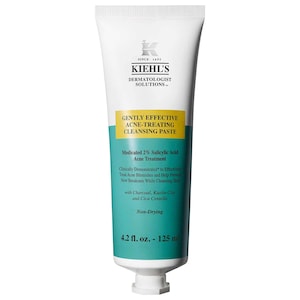
| Clogged texture | Salicylic acid or retinoid | Kiehl's Salicylic Face Wash |
| Inflamed spots | Benzoyl peroxide, sulfur, or salicylic acid | Kate Somerville Sulfur Cleanser |
| Dry irritated acne-prone skin | Barrier-support moisturizer | Skinfix Barrier Gel Cream |
| Routine confusion | Tracking and simplification | Glass routine app guide |
Do not try to match every pimple type with a separate product. Most people need a stable routine and one or two treatment lanes.
How to build a routine around the type
For clogged pores:
- cleanse well at night
- consider salicylic acid or adapalene
- use lighter moisturizers
- avoid heavy hair products near the face
For inflamed pimples:
- consider benzoyl peroxide if tolerated
- avoid picking
- moisturize
- use sunscreen to reduce post-acne mark darkening
For deep acne:
- stop squeezing
- reduce irritation
- see a dermatologist if recurring or painful
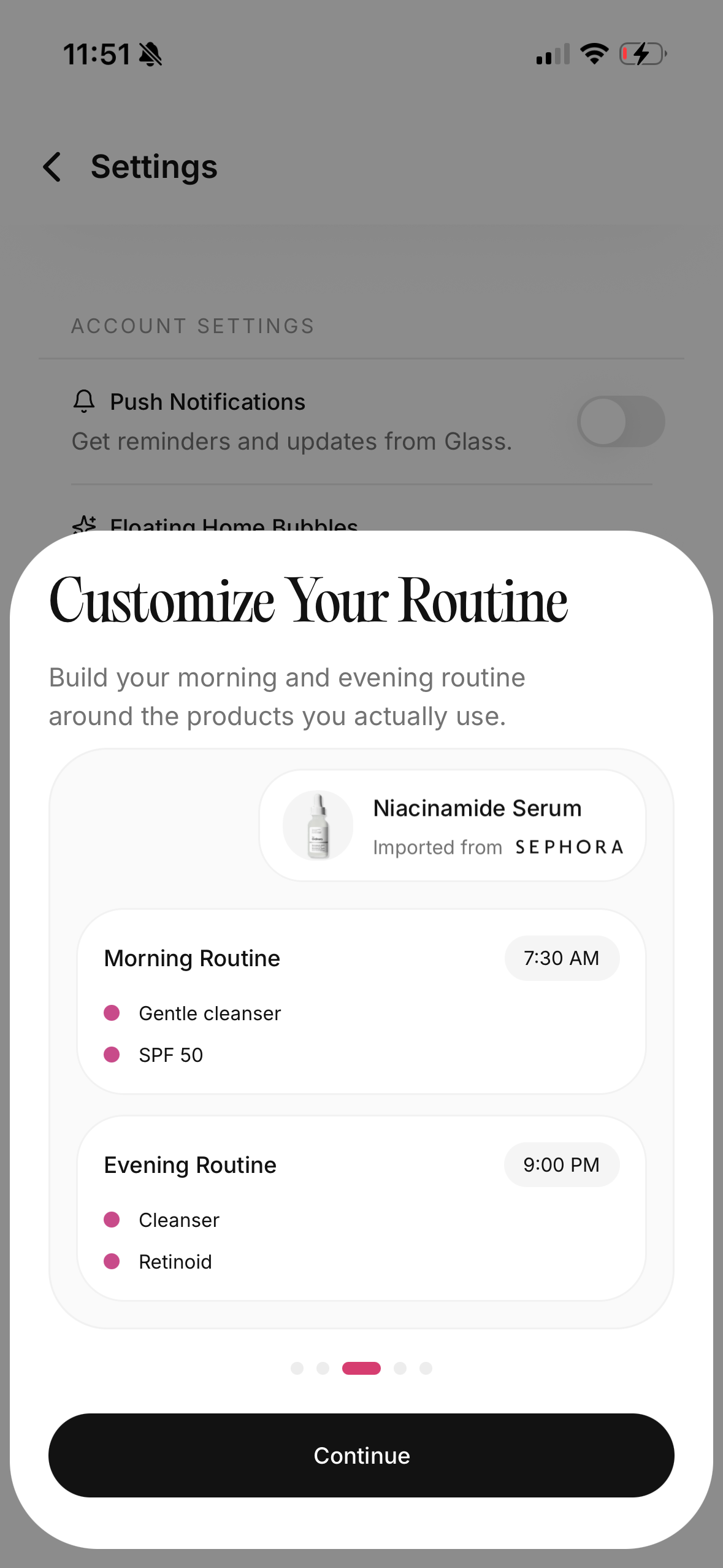
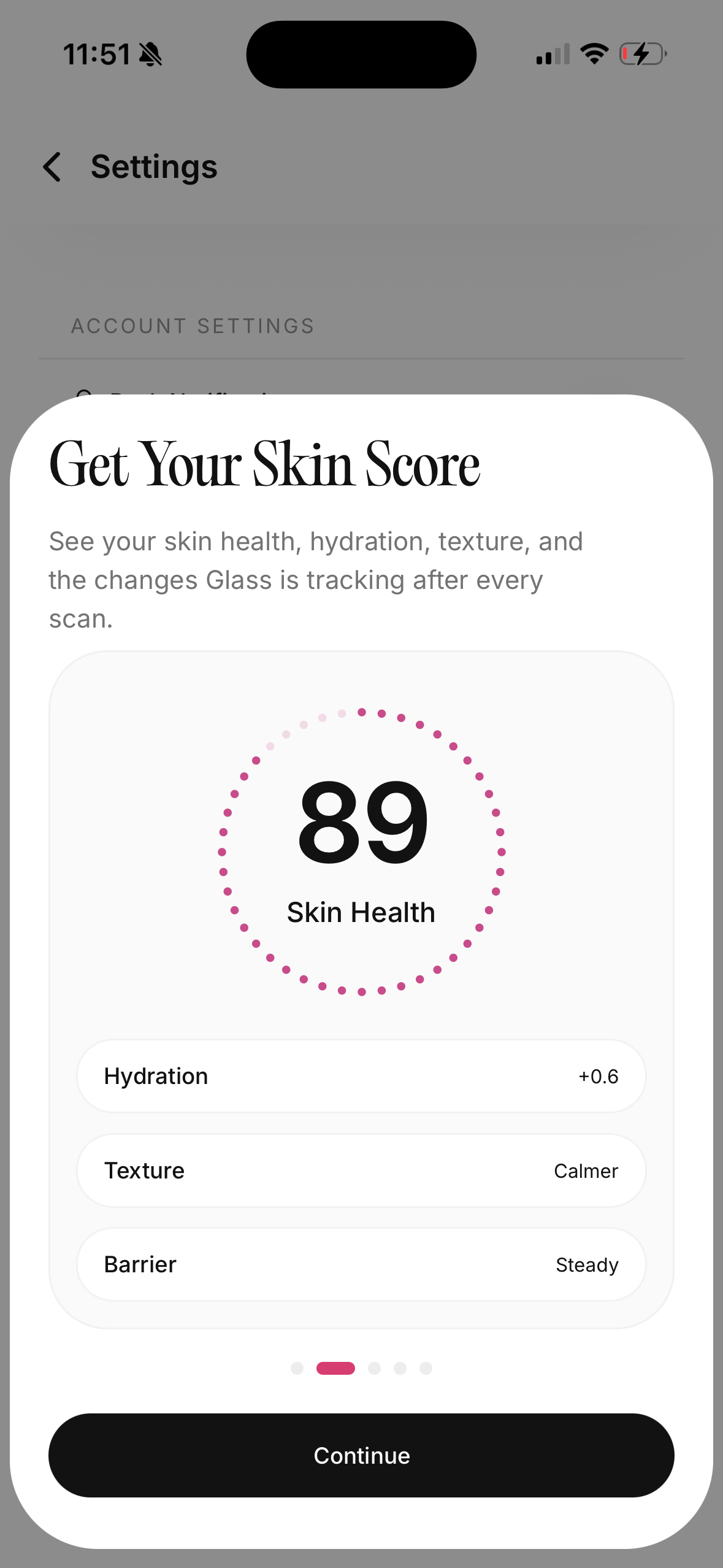
The best skincare routine app guide can help if you need a system for tracking which type appears after which product or habit change.
Why mixed acne needs a slower plan
Most people do not have one perfect type of pimple. They have a few closed comedones on the forehead, a pustule on the chin, two papules near the jaw, and maybe a deeper bump before a period. That mixed pattern is why copying a single spot-care trick often disappoints.
When acne is mixed, I would rather choose one preventive lane and one support lane. The preventive lane might be adapalene, salicylic acid, benzoyl peroxide, azelaic acid, or a prescription. The support lane is cleanser, moisturizer, and sunscreen that do not keep the skin irritated.
If you try to treat every bump type separately every night, the routine becomes impossible to read. A slower plan gives you better information.
When it might not be acne
Some bumps look like pimples but are not.
Possibilities include:
- ingrown hairs
- folliculitis
- cold sores
- perioral dermatitis
- allergic reactions
- milia
- keratosis pilaris
- boils or skin infections
Clues that it may not be routine acne include itch, burning, blistering, crusting, rapid spread, unusual pain, or a sudden rash-like pattern. When in doubt, get medical care.
When to see a dermatologist
Make an appointment if:
- acne is painful
- nodules or cystic lesions appear
- pimples leave scars
- breakouts do not improve after consistent over-the-counter care
- acne is affecting your confidence or mood
- you are unsure what type of bumps you have
Dermatologists can identify lesion type and severity, then match treatment to the pattern instead of guessing from product labels.
The bottom line
The types of pimples matter because treatment choices are not interchangeable. Clogged pores need prevention. Papules and pustules need inflammation control and no picking. Nodules and cystic lesions deserve professional help sooner.
Name the bump correctly, treat it calmly, and protect the skin you want to heal.
How I would use this in real life
I would not try to label every bump perfectly. I would use the categories to decide how cautious to be. A tiny blackhead can be handled slowly with prevention. A red papule needs calming and patience. A pustule needs less pressure, not more. A deep nodule or cyst-like bump deserves more respect because it is more likely to hurt, linger, and scar. That is the practical value of knowing the different types of pimples. It helps you stop treating every bump with the same aggressive move. The more painful, deep, recurring, or unusual the lesion is, the sooner I would stop experimenting and ask for professional help. That single pause can prevent a small breakout from becoming a bigger skin injury.