A nodule pimple feels different.
It is not the little white-tipped spot that shows up before dinner and looks flatter by morning. It sits deeper. It can feel firm, sore, warm, or stubborn. Sometimes it never comes to a head at all, which makes it extra tempting to press on it, inspect it, and try to force it to behave like a normal pimple.
That is usually the moment things get worse.
A nodule pimple is a deeper inflammatory acne lesion. Mayo Clinic describes acne nodules as large, solid, painful lumps under the skin. The American Academy of Dermatology's acne guidance also treats nodular acne as a level where stronger medical options may be needed, especially when lesions are painful, recurring, or leaving marks.
This guide is for making better decisions in 2026: what a nodule is, how to calm the area, what over-the-counter care can and cannot do, and when a dermatologist should be part of the plan.
Quick answer
A nodule pimple is a deep, inflamed acne bump under the skin. It is usually firmer and more painful than a surface whitehead or pustule, and it may last longer. The safest home approach is to avoid squeezing, reduce irritation, simplify your routine, and use proven acne ingredients carefully. If nodules are recurring, very painful, widespread, or scarring, book a dermatologist visit.
The most important thing is restraint.
The second most important thing is time.
Deep acne does not always respond to the same quick spot-care habits that help a small pustule. If you treat it like something that needs to be popped, you can push inflammation deeper, bruise the area, and increase the chance of a dark mark or scar.
What a nodule pimple usually feels like
A nodule often feels like a bump under the skin rather than a surface plug sitting in a pore. It may be:
- firm or rubbery
- tender when touched
- red, purple, or skin-colored
- deeper than a whitehead
- slow to flatten
- painful when you smile, chew, shave, sleep on that side, or wash your face
Some nodules look dramatic. Others are more obvious by feel than by sight.
That is one reason people get frustrated. A tiny-looking bump can hurt more than a larger surface pimple because the inflammation is deeper. The skin above it may be intact, so there is no obvious opening for anything to drain.
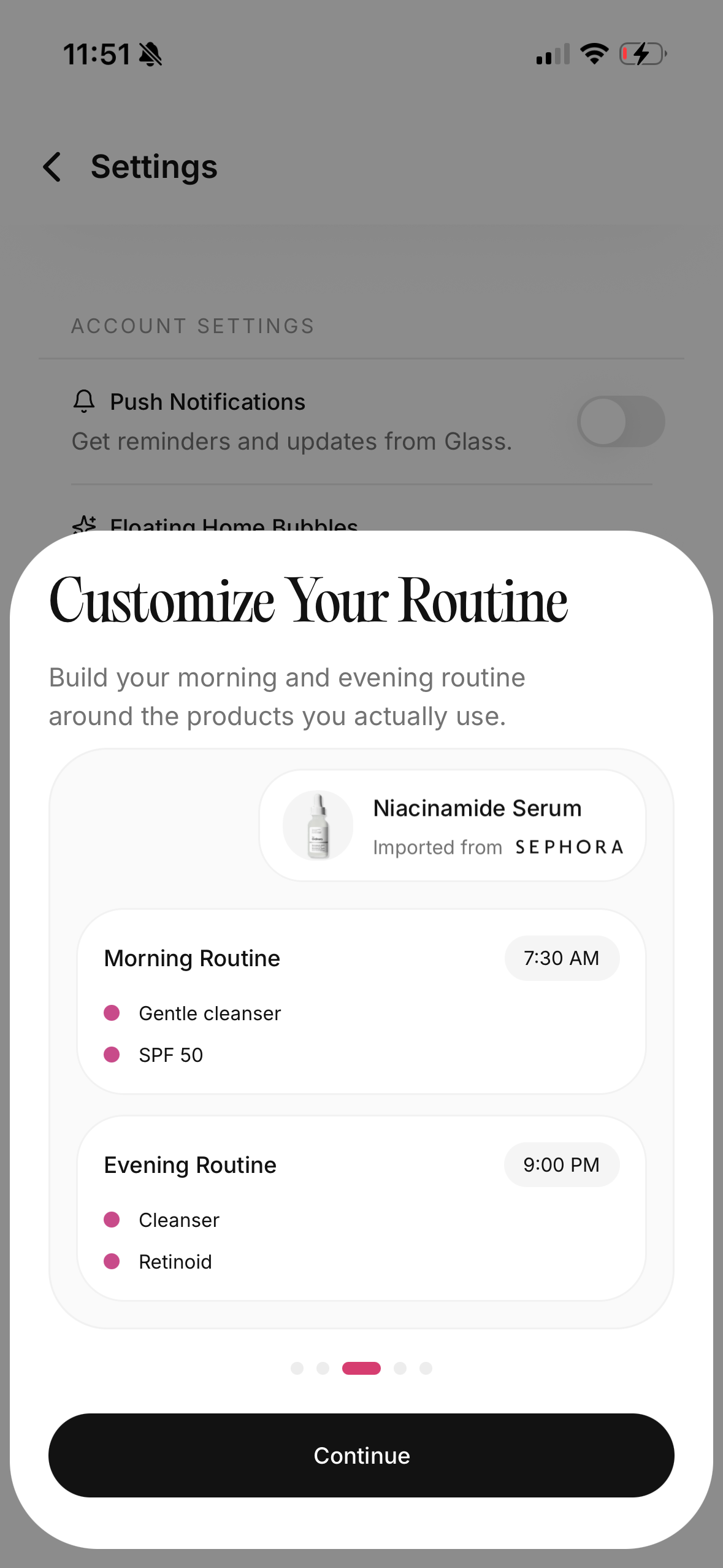
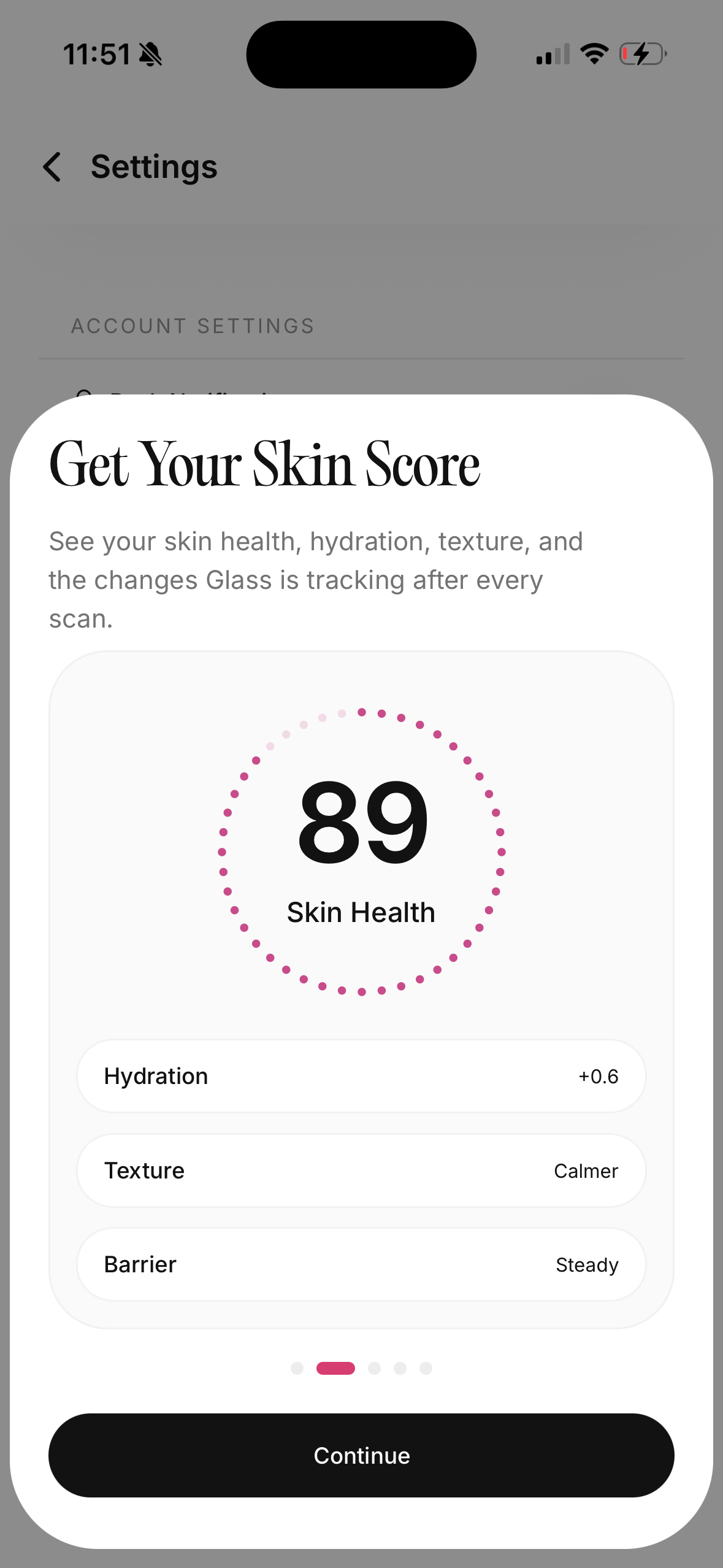
If you are tracking your skin in an app like Glass, note both how the bump looks and how it feels. Pain, tenderness, swelling, and duration matter.
How it differs from a whitehead or pustule
Not every bump is the same kind of acne. That matters because the wrong response can turn a manageable breakout into a longer healing process.
| Lesion type | What you usually see | What it often means |
|---|---|---|
| Closed comedone | Small flesh-colored bump with no redness | A clogged pore without much inflammation |
| Blackhead | Dark open pore | Oxidized material at the pore opening, not dirt |
| Papule | Small red tender bump | Inflamed acne without visible pus |
| Pustule | Red bump with a white or yellow tip | Inflamed acne with visible pus near the surface |
| Nodule | Deep firm painful lump | Deeper inflammation that may need medical treatment |
A surface pustule may come to a head because the inflammation is closer to the top layer of skin. A nodule may not. Trying to make a nodule behave like a pustule is where picking damage often starts.
Why nodules happen
Acne is not just a cleanliness problem. It involves clogged pores, oil, dead skin cells, inflammation, bacteria that live on the skin, hormones, genetics, friction, products, and sometimes medication or health factors.
With nodular acne, the blockage and inflammation are deeper. The follicle wall can become irritated or damaged, and the immune response can create a larger, firmer bump beneath the surface.
Common triggers can include:
- hormonal shifts
- stopping or starting certain medications
- heavy or occlusive products
- sweat plus friction from helmets, masks, collars, or sports gear
- shaving irritation
- using too many drying acne products
- family tendency toward deeper acne
None of this means you caused it by being careless. It means the routine has to respect inflammation, not just oil.
What not to do
Do not squeeze a nodule pimple.
That sounds obvious until the bump has been sitting there for a week and you can feel pressure under the skin. Still, squeezing is one of the easiest ways to make deep acne angrier.
Avoid:
- digging with nails or tools
- using a needle at home
- pressing until the skin bruises
- stacking multiple spot treatments several times a day
- applying toothpaste, alcohol, lemon juice, or harsh drying tricks
- exfoliating the bump with scrubs
- using a pore strip over inflamed acne
When a nodule is deep, pressure may not bring anything up. It may only rupture inflammation sideways into surrounding tissue. That can mean more swelling, more pain, a longer healing window, and a higher risk of post-acne marks.
The first 48 hours: calm the area
When I notice a deep sore bump, I try to make the first two days boring.
That means:
- Cleanse gently.
- Use a light moisturizer.
- Protect with sunscreen in the morning.
- Skip aggressive exfoliation.
- Do not inspect it every hour.
A cool compress can help with discomfort. Use a clean soft cloth, cool water, and gentle pressure for a few minutes at a time. If warmth feels better for a sore deeper bump, keep it warm, not hot, and do not rub.
The goal is not to "pull it out." The goal is to reduce the urge to manipulate it and give the skin a lower-irritation environment.
Ingredients that may help over time
Over-the-counter acne care can help some people, especially if nodules are rare and the rest of the routine is sensible. But deep, recurring nodules often need prescription care.
Common options include:
- benzoyl peroxide, which can reduce acne-causing bacteria and inflammation
- adapalene, an over-the-counter retinoid in the United States that helps prevent clogged pores
- salicylic acid, which can help with pore congestion
- azelaic acid, which can be useful for acne-prone skin and post-acne uneven tone
The mistake is using all of them at once.
For a nodule-prone routine, pick a lane and build slowly. For example, use adapalene at night a few times per week, moisturize well, and keep benzoyl peroxide as a separate morning or spot-care option if tolerated. If your skin burns, peels, or gets tight, back off.
Product options to place carefully
Products do not need to be expensive to be useful, but the format matters. A cleanser is brief contact. A leave-on gel or moisturizer stays on longer. Sensitive skin may tolerate one better than the other.
| Product | Best fit | How I would use it carefully |
|---|---|---|
| Dr. Dennis Gross 2% Salicylic Acid Gel | Occasional clogged pores and surface breakouts | Thin layer only where needed, not over irritated skin |
| Kiehl's Salicylic Face Wash | Oily acne-prone skin that tolerates active cleansers | Use once daily or a few times weekly, not with every harsh active |
| Skinfix Barrier Gel Cream | Acne-prone skin that still needs barrier support | Use after treatment to reduce dryness and tightness |
If a product stings sharply on the nodule, wash it off. Irritation is not proof that it is working.
When a dermatologist can help faster
See a dermatologist or clinician if:
- nodules are recurring
- the bump is very painful
- acne is leaving scars or dark marks
- you have multiple deep lumps at once
- acne is on the chest, back, jawline, or neck and keeps returning
- over-the-counter care has not helped after consistent use
- you feel anxious or distressed because of your skin
Dermatologists have options that home care does not. Depending on the case, they may discuss topical retinoids, benzoyl peroxide combinations, oral medications, hormonal options, procedures, or isotretinoin for severe acne. A single very inflamed lesion may sometimes be treated in-office, but that is a medical decision.
Do not wait until scarring is obvious. Deep acne is worth treating earlier.
Red flags that are not "just acne"
Most acne bumps are not emergencies, but some symptoms deserve prompt care.
Get medical help if a bump is rapidly worsening, extremely painful, hot, spreading, draining a lot, near the eye, paired with fever, or surrounded by expanding redness. Also get care if you are not sure whether it is acne, an ingrown hair, a boil, a cold sore, or another skin condition.
The same goes for a bump that appears after a new medication, a cosmetic procedure, an injection, or a skin injury.
Acne routines are useful. They are not a substitute for care when the pattern looks unusual.
How to track a nodule without obsessing
Tracking helps when it keeps you honest. It hurts when it turns into hourly checking.
I like a simple note:
- date noticed
- location
- pain level from 1 to 5
- whether it was picked
- treatment used
- date it flattened
- mark left behind, if any
The Glass routine builder is useful here because it keeps product changes and skin changes in the same place. If a new cleanser, supplement, hair product, or shaving routine lines up with deeper breakouts, you want that pattern visible.
A routine for nodule-prone skin
Keep the routine steady for at least a few weeks unless your skin is clearly irritated.
Morning:
- Gentle cleanser or water rinse.
- Benzoyl peroxide wash or leave-on only if already tolerated.
- Lightweight moisturizer.
- Broad-spectrum sunscreen.
Night:
- Remove sunscreen and makeup.
- Gentle cleanser.
- Retinoid or other acne treatment, if tolerated and appropriate.
- Moisturizer.
- Spot care only where needed.
Do not change everything because one nodule appeared. If a deeper acne pattern is recurring, change the plan with a clinician rather than turning your bathroom shelf into a guessing game.
The bottom line
A nodule pimple is a deeper acne lesion, and it deserves a different kind of patience than a surface whitehead. Do not squeeze it. Do not punish your whole face because one spot hurts. Keep the routine calm, use proven acne ingredients carefully, and get dermatology help if nodules are painful, recurring, or leaving marks.
The best outcome is not making the bump disappear overnight.
It is preventing the next one from becoming a scar.