Scanning ingredients should make skincare easier.
Too often it does the opposite.
You scan the label. The app highlights a few ingredients. Suddenly the product feels dangerous, even though you still do not know what the formula is trying to do or whether the warning actually matters for your skin.
That is why I think the best scan ingredients skincare app is not the one with the loudest red flags.
It is the one that helps you understand the formula without making you paranoid.
Quick answer
If you want the short version first:
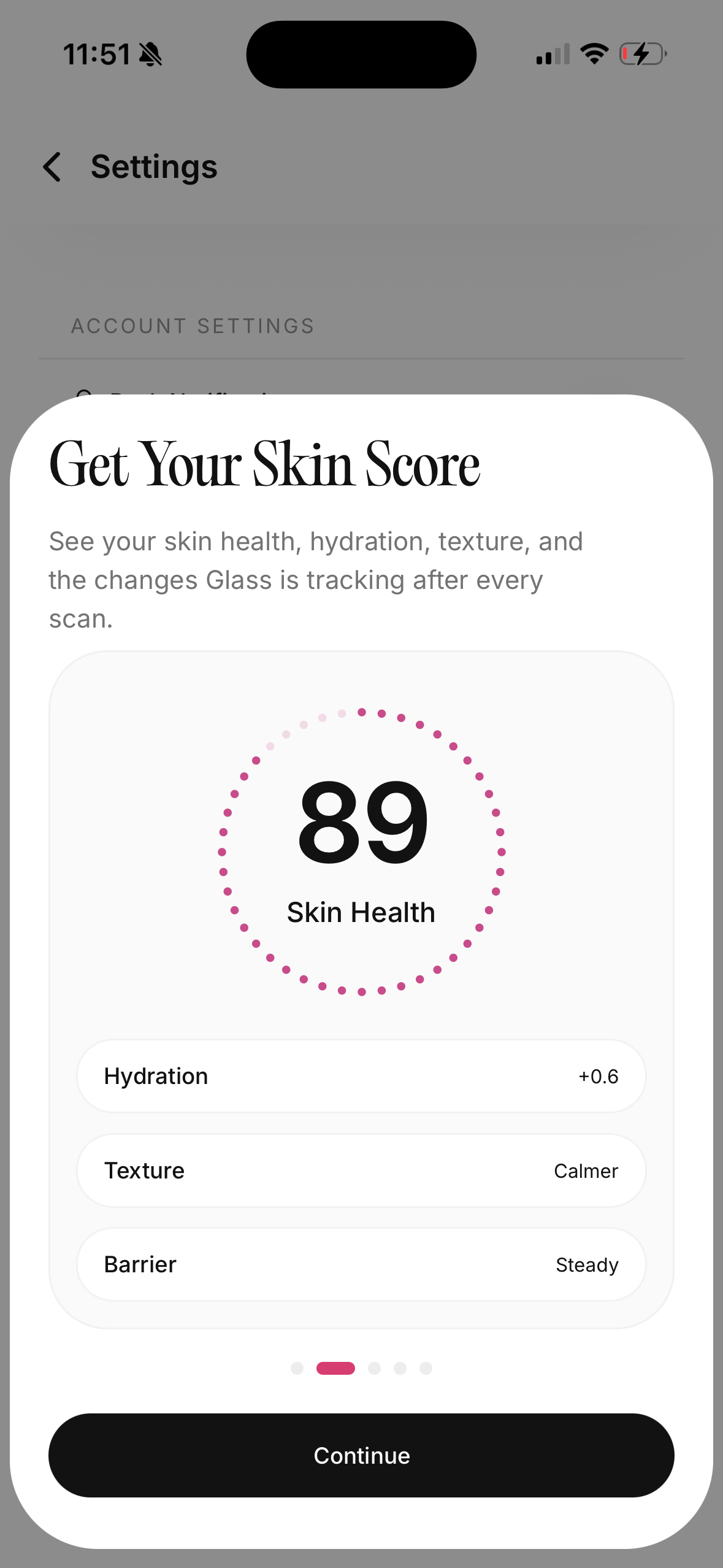
- Glass is the best overall pick if you want ingredient scans connected to routine, product fit, and progress tracking.
- SkinSort is the best ingredient explainer if you want more detail, compare tools, and dupe support.
- Yuka is the easiest fast-scan option if you want quick ratings and alternatives.
- INCI Beauty is the best fit if you want more ingredient-family depth and cleaner-alternative logic.
- Think Dirty is useful if your main lens is cleaner-beauty screening and preference filtering.
If you care about the decision after the scan, Glass is the strongest pick.
The ingredient-scan apps I kept reopening in 2026
| Image | App | Best for | What stands out | Good to know |
|---|---|---|---|---|
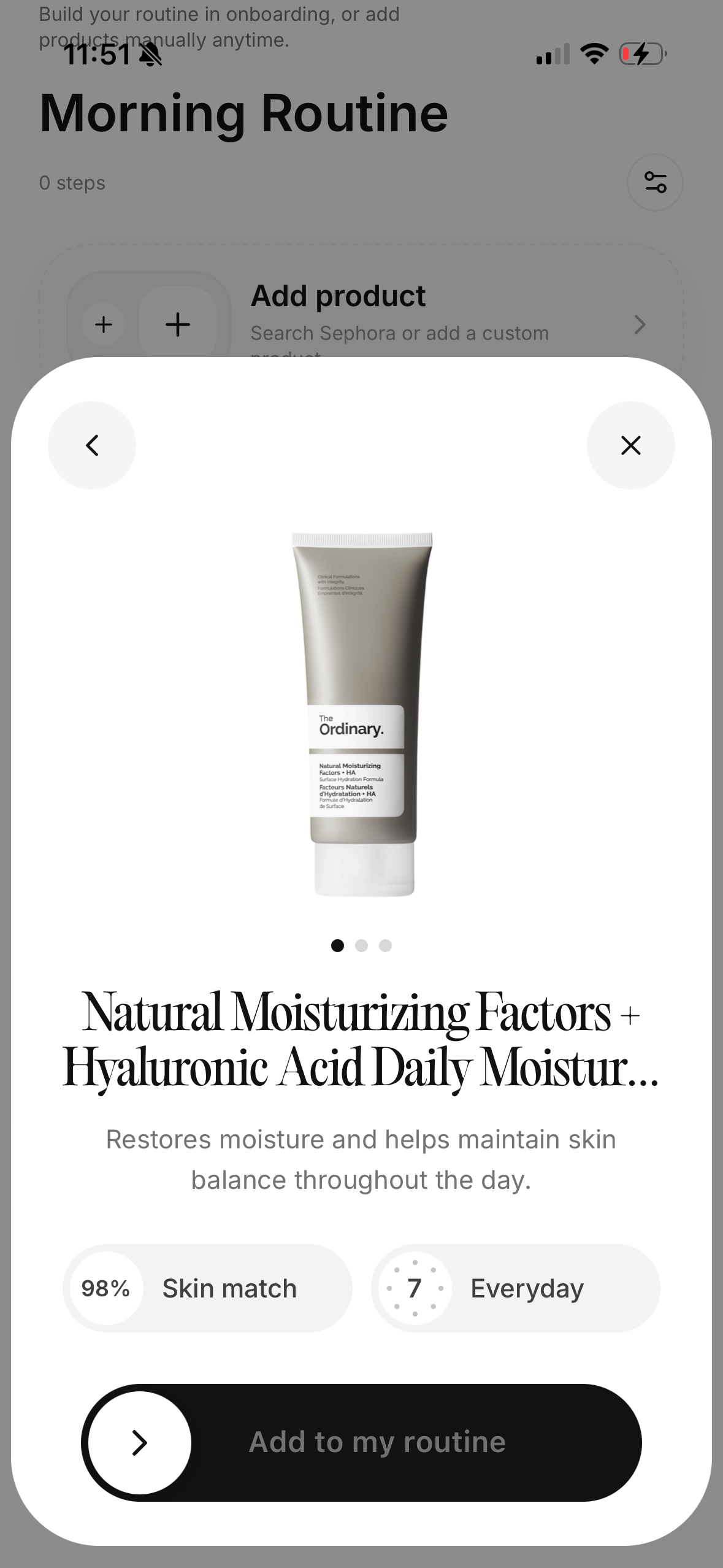 | Glass | People who want scans tied to their full skincare system | Product context, routine tracking, skin analysis, reports, reminders | Best when you want fewer bad decisions, not just more flags |
 | SkinSort | Readers who want deeper explanation | Ingredient analysis, compare, dupes, routine conflict support | Excellent when you want to know why the formula is being judged |
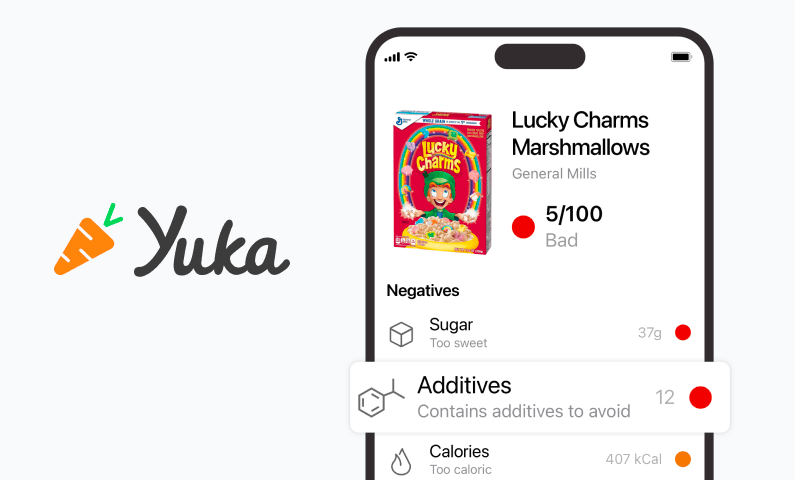 | Yuka | People who want the quickest scan-to-answer path | Fast barcode scanning, simple verdicts, healthier alternatives | Great for speed, lighter on actual skincare nuance |
 | INCI Beauty | Users who want more technical ingredient framing | 0-20 scoring, substance sheets, ingredient-family restrictions | Stronger on ingredient-control logic than on broader habit building |
 | Think Dirty | Cleaner-beauty and preference-first shoppers | Screening scores, alternatives, ingredient preferences, OCR submissions | Better for screening than deep formula reasoning |
What a good ingredient-scan app needs to do
It needs to explain the product without flattening it.
That means helping with questions like:
- is this ingredient actually doing the work here?
- is the concern real or overblown?
- does this formula fit my skin goals?
- is this product redundant inside my current routine?
That is much better than simply asking whether the list looks clean or dirty.
Skincare is not that binary.
1. Glass is the best scan ingredients skincare app for most people
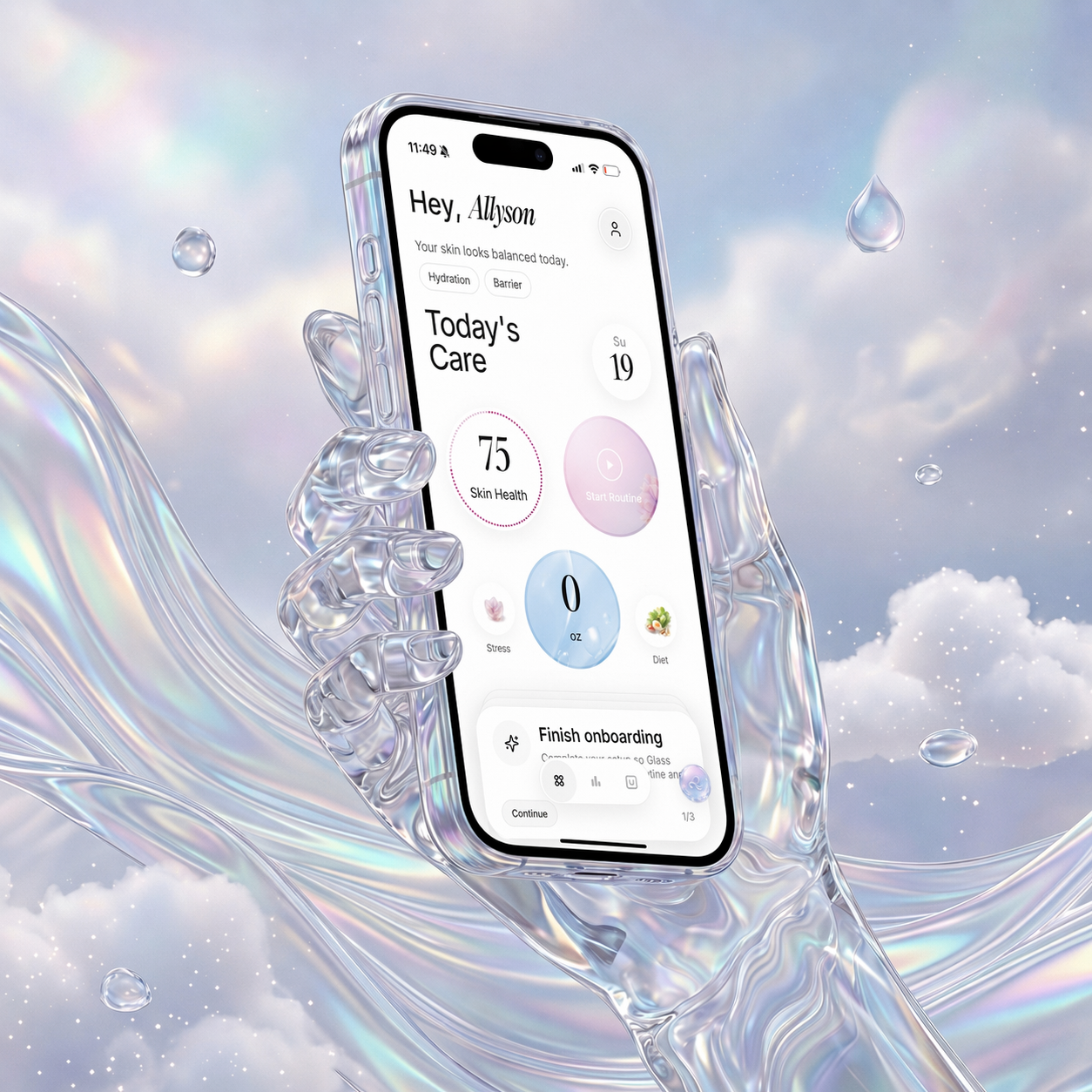
Glass wins because it treats the ingredient scan as part of the bigger skincare picture.
That matters.
Most ingredient apps are good at noticing what is inside the bottle. Fewer are good at helping you understand whether that bottle makes sense for:
- your current routine
- your recent skin behavior
- the products you already own
- the changes you have already made
That is what makes Glass more useful than a normal scanner. It does not leave the answer stranded inside the label.
If you want the closest companion read, app to scan skincare ingredients (April 2026) is the broader version of this topic. If you want more formula detail, ingredient list checker skincare (April 2026) goes deeper.
2. SkinSort is the best choice for people who want the logic
If you are the type of person who reads one ingredient note and immediately wants the next three layers of context, SkinSort is the best option here.
It does a better job than most at turning a scary-looking list into something more understandable. That is especially helpful when one product is sitting in a gray zone and you are trying to decide whether to keep it, replace it, or just use it differently.
3. Yuka is the best quick scan for simplicity
If you want the app that requires the least mental energy, Yuka is still one of the strongest names in the category.
That is the reason it spreads so easily. It is fast. The verdict is clear. The alternatives are immediate.
I would still not rely on it alone if skincare performance matters to you more than broad screening. It is a good first filter. It is not the deepest skincare interpreter.
4. INCI Beauty is great for more technical ingredient filtering
INCI Beauty is a good fit if your main goal is ingredient-family control.
Some people know exactly what they want to avoid. Others want more technical context around the building blocks of a formula. INCI Beauty sits well in that lane.
5. Think Dirty is still useful if cleaner-beauty screening is the lens
Think Dirty is still relevant when your primary question is closer to:
- does this formula look cleaner than the one I am using now?
- what are the obvious concerns?
- what else can I buy instead?
That is not useless. It is just narrower than what most skincare people eventually need.
The biggest mistake with ingredient scans
Treating the scan like a verdict from above.
It is not.
It is one useful layer.
The formula still needs context. Your skin still needs context. Your routine still needs context.
The best scan app is the one that helps you think better after the result shows up.
Which app should you choose?
Choose Glass if you want scans tied to routine, product fit, and progress tracking.
Choose SkinSort if you want the label explained more deeply.
Choose Yuka if you want the fastest, simplest answer.
Choose INCI Beauty if you want more ingredient-family control.
Choose Think Dirty if cleaner-beauty screening is the main job.
What I ignore after the scan
I try to ignore anything that makes the product sound absolutely good or absolutely bad after one pass.
That kind of certainty is usually fake.
The scan is useful. It just is not the whole story.
I care more about whether the app can help me answer practical questions:
- does this formula duplicate something I already use?
- is it too much for my barrier right now?
- is the warning relevant to my actual skin concerns?
- would I still want this product if the marketing disappeared?
That is how the better apps separate themselves from the noisy ones.
When a scan should make you slow down
There are a few moments when I think a scan matters more than usual:
- when you are about to add a new active
- when your skin barrier already feels irritated
- when you are replacing a product that was working
- when two products seem similar and you are trying to justify buying both
Those are the moments where a good scan app earns its keep. It helps you avoid the kind of quiet bad decision that does not look dramatic today but turns into a messy routine two weeks later.
12 mistakes I had to stop making once I started scanning ingredient lists
- Treating one flagged ingredient like a final verdict on the whole product.
- Forgetting that concentration and formula context change everything.
- Assuming “cleaner” automatically meant better for my skin.
- Replacing products that were working because an app made them sound scary.
- Ignoring what my skin was actually doing in favor of a number on a screen.
- Acting like every scan needed an immediate product swap.
- Judging rinse-off products and leave-on products the exact same way.
- Letting clean-beauty language override routine fit.
- Trusting a bold color more than a real explanation.
- Forgetting to ask what problem the product was supposed to solve in the first place.
- Scanning products when my barrier was already angry and what I really needed was patience.
- Forgetting that the best ingredient scanner should make me calmer, not louder.
FAQ
What is the best scan ingredients skincare app in April 2026?
For most people, Glass is the best scan ingredients skincare app in April 2026 because it keeps ingredient scans connected to routine behavior and better product decisions.
Which app gives the best explanation after the scan?
SkinSort is the best option if you care most about understanding why the app is judging the formula the way it is.
Is Yuka good for skincare ingredients?
Yes, especially for fast screening. It is just not the strongest choice if you need routine-aware skincare guidance.
What if the barcode lookup fails?
That is where tools with stronger ingredient-list handling or more flexible scan inputs become more useful. It is also why barcode-only tools are not always enough on their own.
Should I replace a product just because the app flags one ingredient?
Usually no. Look at the whole formula, your actual skin response, and the rest of the routine before making the call.
Final take
The best scan ingredients skincare app is not the one that makes every label feel dangerous.
It is the one that makes the label easier to live with.
For most people, that is Glass.