Salicylic acid is tempting when a pimple appears because it feels like action.
Cleanser. Pad. Gel. Mask. Spot treatment. One more swipe because the bump is still there.
That is exactly how people turn one pimple into a face-wide irritation problem. Salicylic acid can be useful for pimples, especially when clogged pores and oil are part of the pattern, but it is not a drill. The timing matters. The format matters. The condition of the skin around the pimple matters even more.
In 2026, the most useful salicylic acid routine for pimples is not the strongest one. It is the one that treats congestion without creating over-exfoliated skin that breaks out more easily.
Quick answer
Salicylic acid can help pimples when they begin as clogged pores, whiteheads, oiliness, or mild inflamed bumps. It is especially useful before pimples become large and angry. It is less impressive as an emergency fix for deep cyst-like acne.
Use one salicylic acid product at a time, start a few times weekly, moisturize, wear sunscreen, and pause if the skin becomes shiny, tight, burning, or flaky. For deep, painful, scarring, or persistent acne, get clinician guidance.
Why salicylic acid can help a pimple
Salicylic acid is oil-soluble, which is why it comes up so often in acne care. The practical idea is simple: it can help loosen the oil and dead-skin buildup that contributes to clogged pores.
That makes it useful for pimples that start with congestion. A small whitehead, a clogged chin area, or an oily forehead with repeating bumps may respond well to a careful salicylic routine.
But inflammation changes the equation. Once a pimple is swollen, tender, and deep, salicylic acid on the surface may only be a small part of the answer. It may help the surrounding clogged pattern while the deeper bump still needs time or medical care.
The best timing is early
Salicylic acid is often better at prevention and early intervention than dramatic rescue.
Use it when you notice:
- pores getting congested in the same area
- tiny whiteheads forming
- oily zones feeling bumpy
- mild pimples appearing after product buildup
- blackheads and whiteheads near occasional inflamed bumps
Do not wait until the skin is already raw from squeezing. Once the pimple has been picked open, an exfoliating acid can sting and slow your return to comfort. At that point, gentle cleansing, protection, and not touching may matter more.
Inflamed pimples need restraint
People often treat redness as a signal to apply more acid. That can backfire.
Inflamed pimples already involve swelling and irritation. If you surround them with daily acids, scrubs, retinoids, and drying masks, the skin may become more reactive. A pimple sitting in irritated skin looks redder, hurts more, and heals less gracefully.
For an inflamed pimple, salicylic acid may still have a role if your skin tolerates it. The key is to treat the acne-prone zone gently, not attack the bump repeatedly. If the area burns when you apply moisturizer, skip the acid until the skin is calm.
Cleanser, leave-on, or spot gel
Format decides intensity.
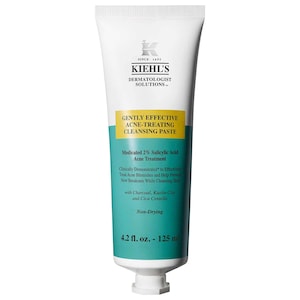
A salicylic acid cleanser gives short contact time. It can be a good starting point for oily skin that still gets irritated easily. Use it, rinse thoroughly, and moisturize.
A leave-on liquid, serum, or gel gives longer contact. It may be better for recurring clogged areas but easier to overdo. Start two or three nights weekly rather than daily.
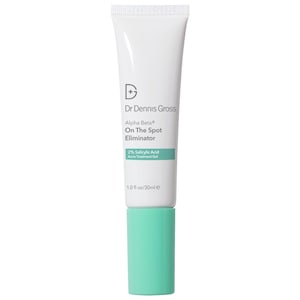
A spot gel can make sense for a small pimple with congestion around it. Be careful not to apply a thick ring around the bump several times per day. That is how dry, flaky halos happen.
| Format | Best fit | Watch for |
|---|---|---|
| Cleanser | Oily or sensitive acne-prone skin | Rinsing too quickly or using too often |
| Leave-on | Recurring clogged zones | Barrier irritation |
| Spot gel | Occasional small pimple | Dry rings around the bump |
| Mask or peel | Rare use for resilient skin | Easy over-exfoliation |
The one-product rule
The simplest salicylic acid rule is this: use one salicylic acid product at a time.
Many routines accidentally stack it:
- salicylic cleanser
- salicylic toner
- salicylic serum
- salicylic spot gel
- salicylic mask
Each product may seem reasonable alone. Together, they can turn the whole routine into exfoliation. If you want to test salicylic acid for pimples, choose one format and give it a fair trial.
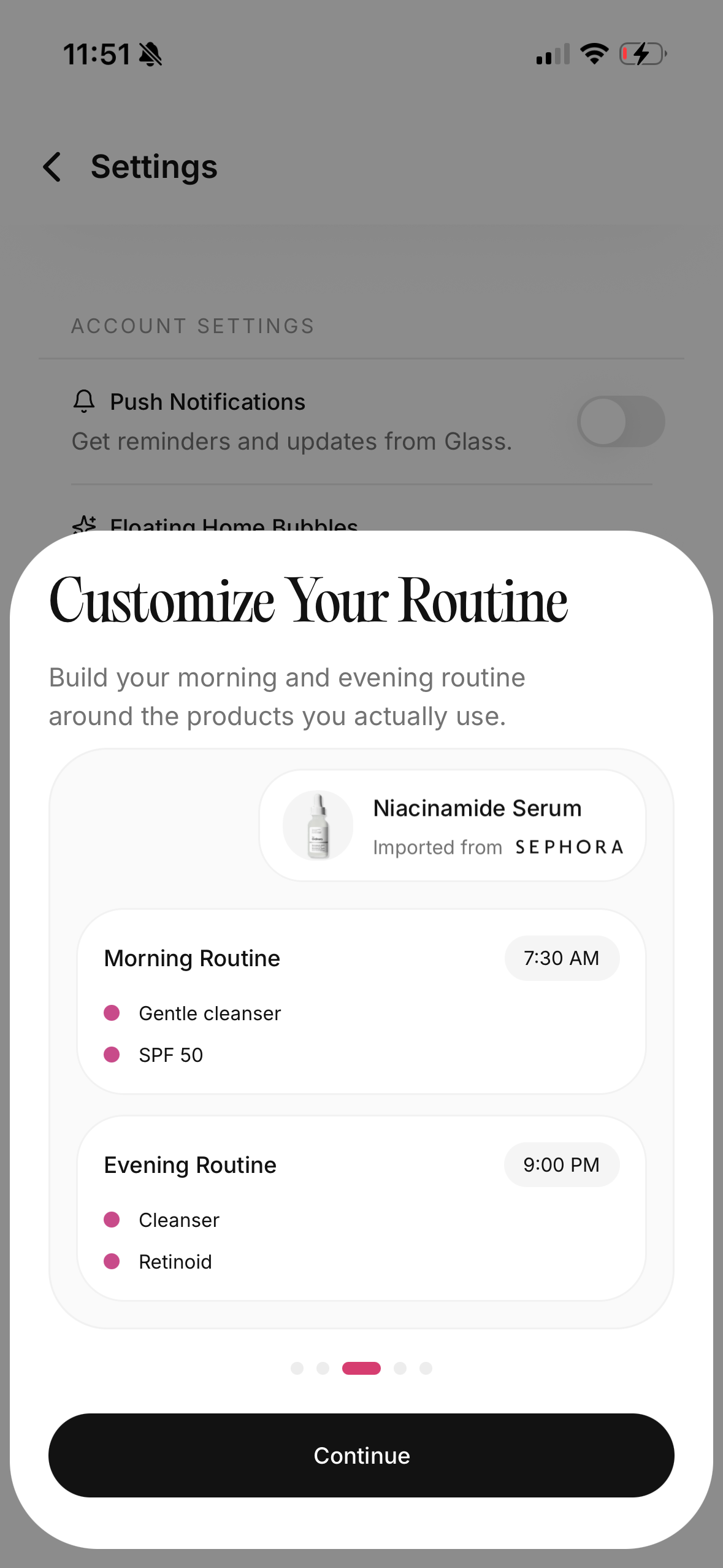
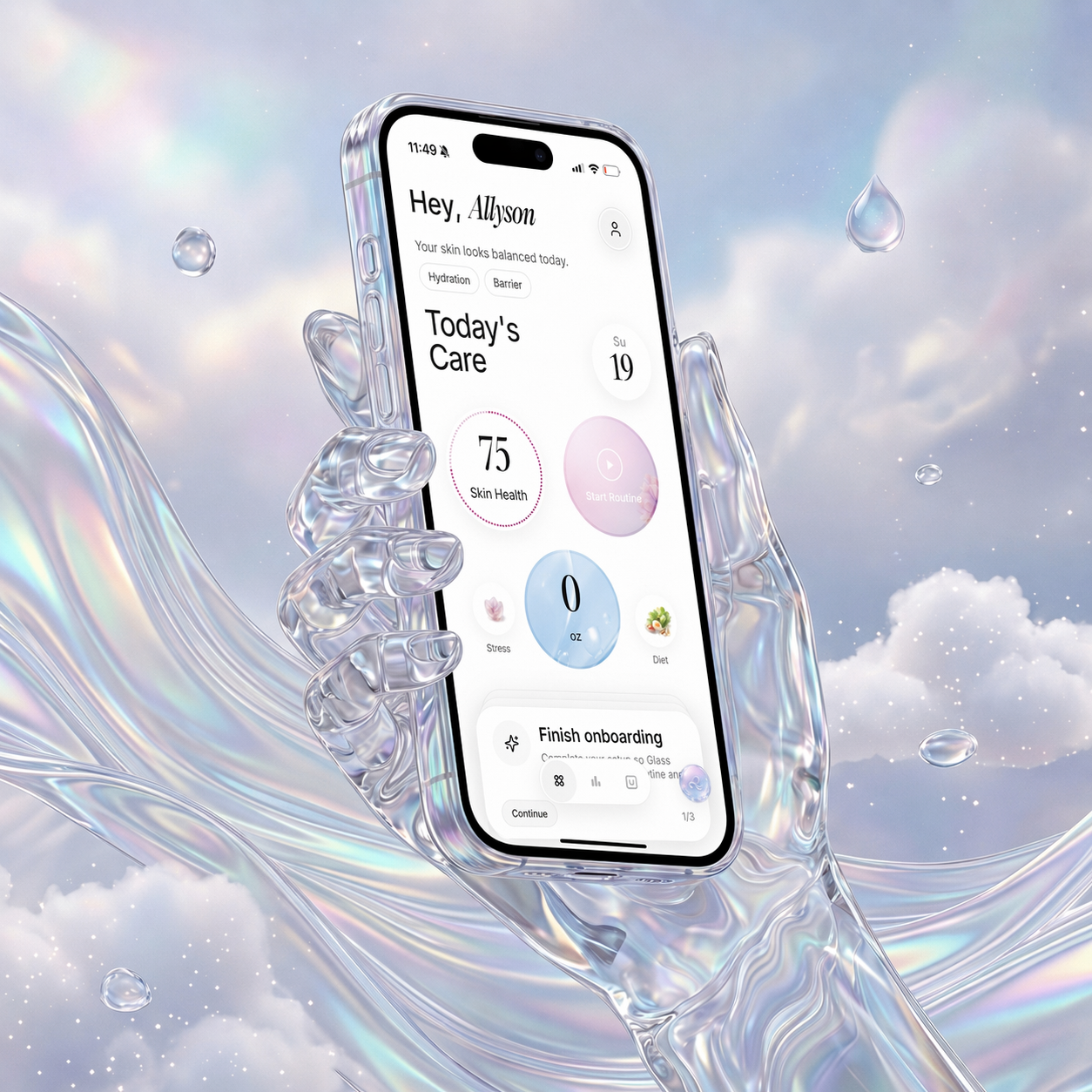
Glass can help here because logging products makes duplicate active ingredients easier to notice.
How often to start
Start lower than you think you need.
For many people, two or three times weekly is enough to judge tolerance. If skin stays calm for a few weeks, you can consider increasing. If the skin gets tight, shiny, stinging, or flaky, decrease.
Daily use is not a moral achievement. Twice-daily salicylic acid is too much for many faces. The right frequency is the one that reduces clogged-pimple patterns without making your barrier complain every morning.
What over-exfoliation looks like
Over-exfoliated skin can be sneaky because it may look smooth at first.
Warning signs include:
- tightness after cleansing
- shiny plastic-looking skin
- burning with moisturizer
- unusual redness
- flaking around pimples
- more stinging from sunscreen
- roughness despite using more acid
- breakouts that look irritated rather than clogged
If this happens, stop the acid temporarily. Use a gentle cleanser, moisturizer, and sunscreen. When the skin feels normal again, restart less often or choose a gentler format.
What to pair with salicylic acid
Pair it with calm support.
A simple salicylic night might look like:
- Gentle cleanse.
- Salicylic acid product.
- Moisturizer.
A simple morning might look like:
- Rinse or gentle cleanse.
- Moisturizer.
- Sunscreen.
Hydrating serums can be useful if they do not sting. Fragrance-heavy products, harsh scrubs, and high-strength active cocktails are not helpful while you are testing tolerance.
What not to combine at first
Be cautious when combining salicylic acid with:
- retinoids
- benzoyl peroxide leave-ons
- glycolic or lactic acid
- peel pads
- drying clay masks
- abrasive scrubs
- aftershave acids
- prescription acne creams unless your clinician approves
Some combinations can be appropriate, but they need careful timing. If you are already using a prescription retinoid, ask your clinician before adding salicylic acid several nights a week.
When a pimple is shrinking
The shrinking phase is where people often overdo it.
A pimple may be flatter but still pink. It may have a small dry cap. It may look uneven under sunscreen or makeup. That does not mean it needs more acid. Salicylic acid is most useful when congestion is active. Once the bump is resolving, the priority shifts toward letting the skin close, keeping the area moisturized, and protecting it from sun exposure and picking.
If you keep applying acid to the same healing spot, you can trade one pimple for a flaky patch or a darker-looking mark. For many people, the better move is to return salicylic acid to the broader acne-prone zone on the next scheduled night, not keep dotting the same healing bump.
Pimples that are poor salicylic candidates
Salicylic acid is not the best first response for every bump.
It may disappoint or irritate if the problem is:
- deep cyst-like acne
- a boil
- a cold sore
- an allergic rash
- perioral dermatitis
- rosacea flushing
- folliculitis
- a bug bite
- raw picked skin
- a painful lesion near the eye
When a bump is unusual, very painful, rapidly worsening, or not acting like acne, do not keep escalating acids.
How to judge whether it is helping
Judge the pattern, not one dramatic pimple.
Useful signs include:
- fewer new clogged pimples
- smoother oily zones
- fewer whiteheads
- inflamed pimples starting less often from the same congestion
- less need to squeeze or pick
Unhelpful signs include:
- constant peeling
- more redness
- burning with basic products
- pimples plus widespread irritation
- no change after consistent, tolerable use
Take photos in steady lighting and track frequency. Acne memory is unreliable because one bad pimple can make a whole month feel like failure.
When to ask for help
Ask a dermatologist or qualified clinician if pimples are deep, painful, scarring, or persistent. Ask sooner if acne affects your confidence, sleep, or willingness to leave the house. You do not need to wait until it is severe to deserve care.
A clinician may discuss retinoids, benzoyl peroxide, prescription combinations, hormonal options, oral medicines, or whether the bumps are acne at all. Salicylic acid is useful, but it is not the whole acne universe.
How Glass fits the timing problem
The hard part with salicylic acid is not remembering that it exists. It is remembering how often you already used it.
When a pimple is annoying, it is easy to forget that yesterday was an acid cleanser, the night before was a leave-on gel, and the weekend included a mask. Logging the routine makes the pattern visible. If irritation appears, you can see whether the issue was the ingredient, the frequency, or the fact that three exfoliating products were acting like one oversized step.
That matters because a good acne plan should be adjustable. You need enough history to adjust it.
Bottom line
Salicylic acid for pimples works best when used early, lightly, and with respect for the skin barrier. Choose one format, start a few times weekly, moisturize, and stop chasing every inflamed bump with more exfoliation.
The goal is fewer clogged-pimple cycles, not a face that feels polished raw.