Pimples on neck skin are annoying because the neck is never left alone.
Collars rub it. Hair products touch it. Perfume lands there. Sunscreen collects in folds. Shaving can inflame it. Sweat sits under straps, helmets, jewelry, and workout gear. Then a few bumps show up, and it is hard to know whether they are acne, ingrown hairs, irritation, or something that needs medical care.
The neck is also easy to over-treat. A face product that is tolerable on the forehead may sting on the neck. A strong acne cleanser may feel fine for two days, then suddenly the area is red and tight.
This 2026 guide explains what pimples on neck can mean, how to adjust your routine, and when to get a clinician involved.
Quick answer
Pimples on the neck can be acne, shaving bumps, ingrown hairs, friction-related breakouts, folliculitis, dermatitis, or another skin issue. Start by reducing friction, cleansing after sweat, keeping hair products away from the area, and using acne ingredients carefully. See a dermatologist or clinician if bumps are painful, spreading, draining, itchy, recurrent, scarring, or not improving.
Why the neck breaks out
The neck has hair follicles, oil glands, sweat, friction, and product exposure. That creates several possible breakout pathways.
Common triggers include:
- shaving
- beard trimming
- tight collars
- necklaces
- helmet straps
- sports gear
- hair oils or leave-in conditioner
- sunscreen not fully removed
- perfume or fragranced body products
- sweat after workouts
- phone or headphone contact
- hormonal acne along the jaw and upper neck
Because there are so many triggers, the answer is rarely just "use a stronger acne product."
Acne vs ingrown hair
Neck bumps after shaving may be ingrown hairs or razor bumps rather than classic acne.
| Clue | More like acne | More like ingrown hair |
|---|---|---|
| Timing | Can flare anytime | Often appears after shaving |
| Location | Jaw, neck, chest, back | Shaved areas |
| Look | Mixed bumps, whiteheads, inflamed spots | Bumps centered around hairs |
| Feel | Tender or sore | Tender, itchy, or sharp |
| Trigger | Oil, hormones, products, friction | Close shaving, curly hair, dull blades |
The care overlaps a little, but not completely. Ingrown-prone skin often needs shaving changes as much as acne treatment.
Friction acne is real
Repeated rubbing can trigger acne-like bumps. This is sometimes called acne mechanica. On the neck, friction can come from:
- shirt collars
- scarves
- mask straps
- chin straps
- workout bands
- necklaces
- long hair
- backpack straps
If bumps sit exactly where something rubs, reduce the friction before adding stronger products. Wash the area after sweating, rotate tight clothing, and clean gear that touches the neck.
Hair products matter
Hair products often migrate.
Leave-in conditioner, hair oil, edge control, styling cream, dry shampoo, and fragrance can transfer to the neck during the day or while sleeping. If neck pimples cluster along the hairline or sides of the neck, this is worth checking.
Try:
- keeping hair products off the neck
- washing the neck after styling
- changing pillowcases
- sleeping with hair pulled away from acne-prone areas
- avoiding heavy oils near the nape
Do this for a couple of weeks before changing five skincare products.
How to cleanse neck skin
The neck usually needs gentler handling than the face.
At night, cleanse down past the jawline, behind the ears, and around the sides of the neck where sunscreen and hair products collect. After workouts, rinse sweat as soon as practical.
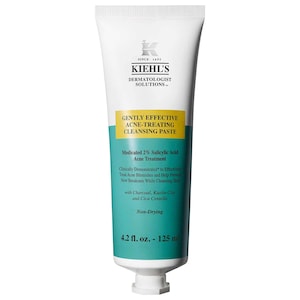
If you use an active cleanser, start slowly. A salicylic acid cleanser may help some acne-prone necks, but daily use can be too much if the area is sensitive or freshly shaved.
Why perfume and body care can be sneaky
The neck is a common place for fragrance, body lotion, shimmer oil, sunscreen, and hair mist. If bumps sit on the sides of the neck or just below the jaw, those products deserve a closer look.
Fragrance does not cause acne for everyone, but it can irritate some skin. Heavy body creams can also sit under collars and trap sweat. If the area burns, itches, or looks rash-like, stop treating it as simple acne and consider irritation or contact dermatitis.
For two weeks, keep the neck routine plain: cleanser, light moisturizer if needed, sunscreen in the morning, and no fragrance directly on bumpy areas. That simple test can be more useful than adding a stronger active.
Ingredients that may help
For acne-type neck pimples, useful ingredients may include:
- benzoyl peroxide
- salicylic acid
- adapalene
- azelaic acid
The American Academy of Dermatology includes benzoyl peroxide and topical retinoids among strongly recommended acne treatments, with other options depending on the person and severity.
For the neck, tolerance matters. Start less often than you would on the face. Moisturize. Avoid applying strong actives right after shaving unless a clinician told you to.
Shaving changes that can help
If bumps appear after shaving:
- use a clean sharp blade or consider an electric trimmer
- shave with the grain
- avoid stretching the skin tightly
- do not dry shave
- rinse well
- moisturize after
- skip fragranced aftershaves
- avoid shaving over inflamed bumps when possible
If ingrown hairs are frequent, a dermatologist can discuss options that fit your hair type and skin tone. Some people benefit from prescription topicals or hair-removal approaches, but this should be individualized.
A simple neck routine
Morning:
- Gentle cleanse or rinse.
- Light moisturizer if dry.
- Sunscreen on exposed neck skin.
- Keep hair products and fragrance off breakout-prone areas.
Night:
- Cleanse the neck, especially after sunscreen or sweat.
- Use one treatment lane if needed and tolerated.
- Moisturize.
For routine planning, Glass can help track whether bumps line up with shaving days, workouts, collars, or product changes.
Body acne rules also apply
If pimples extend from the neck to the chest, shoulders, or upper back, treat the whole pattern. Shower after workouts, change sweaty shirts, wash scarves and collars, and make sure conditioner is rinsed off the neck and back before leaving the shower.
For some people, a medicated wash is easier on body areas than a leave-on treatment. For others, active washes are too drying and make the neck itchy. Start with the lowest-disruption option and adjust based on the skin you actually see.
How to check the pattern
Map the bumps before you treat them. Bumps under the jaw may connect to hormonal acne or shaving. Bumps at the back of the neck may connect to hair products, collars, hats, or close haircuts. Bumps on the sides may connect to fragrance, necklaces, headphone bands, or sleep position.
This does not diagnose anything, but it stops you from treating every neck bump the same way. A few notes can reveal a trigger faster than another random product change.
If the pattern is symmetrical, itchy, or rash-like, be especially cautious with acne actives. Irritated skin often needs fewer products, not stronger ones.
Product examples
| Product | Where it may fit | Caution |
|---|---|---|
| Kiehl's Salicylic Face Wash | Oily clogged neck areas | Avoid overuse on freshly shaved skin |
| Kate Somerville Sulfur Cleanser | Oily acne-prone skin | Can be drying |
| Skinfix Barrier Gel Cream | Neck dryness or irritation | Use after actives if tolerated |
Neck skin can react quickly. Patch test new products and add one change at a time.
When bumps might not be acne
Consider another cause if bumps are:
- very itchy
- all the same size
- blistered
- crusted
- rapidly spreading
- hot or very painful
- draining pus
- paired with swollen lymph nodes
- not connected to your usual acne pattern
Folliculitis, contact dermatitis, allergic reactions, cold sores, boils, and other conditions can affect the neck. The right treatment depends on the cause.
When to see a clinician
Get medical care if:
- bumps are painful or worsening
- redness is spreading
- there is fever
- bumps drain or crust
- you have recurring deep lumps
- acne is scarring
- over-the-counter care has not helped
- you are unsure what the bumps are
It is especially worth getting checked if the neck bumps are new for you or very different from your usual acne.
The bottom line
Pimples on neck skin can be acne, but they can also be ingrowns, friction, folliculitis, or irritation. Start by reducing rubbing and product transfer, cleanse gently, use acne ingredients carefully, and protect the barrier.
If neck bumps are painful, spreading, draining, or persistent, let a clinician look.
The neck-specific detail I would watch
Neck bumps often reveal lifestyle friction faster than face acne does. Collars, necklaces, helmets, gym towels, hair products, shaving, perfume, and sunscreen runoff can all sit on the same small area. I would check those before adding a stronger acne product. If the bumps are mostly along the beard line, hairline, or where clothing rubs, the trigger may be mechanical. If they are painful, spreading, draining, or very different from your usual acne, I would not keep treating them like a normal face breakout. The neck is close enough to lymph nodes and sensitive skin that worsening symptoms deserve a calmer, more medical approach.