Pimples in pregnancy can make a simple routine feel complicated overnight.
Before pregnancy, you may have had a system: tretinoin at night, benzoyl peroxide when needed, a stronger acid toner when pores looked congested. Then the positive test arrives, and suddenly every active ingredient feels like a question.
That caution is appropriate. But caution does not mean doing nothing while your skin hurts.
The goal is to build a pregnancy skin routine that is boring enough to be safe, structured enough to help, and flexible enough for your OB or dermatologist to personalize.
Quick answer
Pimples in pregnancy often happen because hormonal changes affect oil and inflammation. Start with a gentle cleanser, non-irritating moisturizer, daily sunscreen, and clinician-approved acne treatment only if needed. Mayo Clinic lists benzoyl peroxide and azelaic acid among options often considered for pregnancy acne, and warns that oral isotretinoin must be avoided. AAD says some acne medications should never be used during pregnancy and recommends asking your obstetrician or dermatologist before using treatments when safety is uncertain.
Do not restart pre-pregnancy prescriptions without checking.
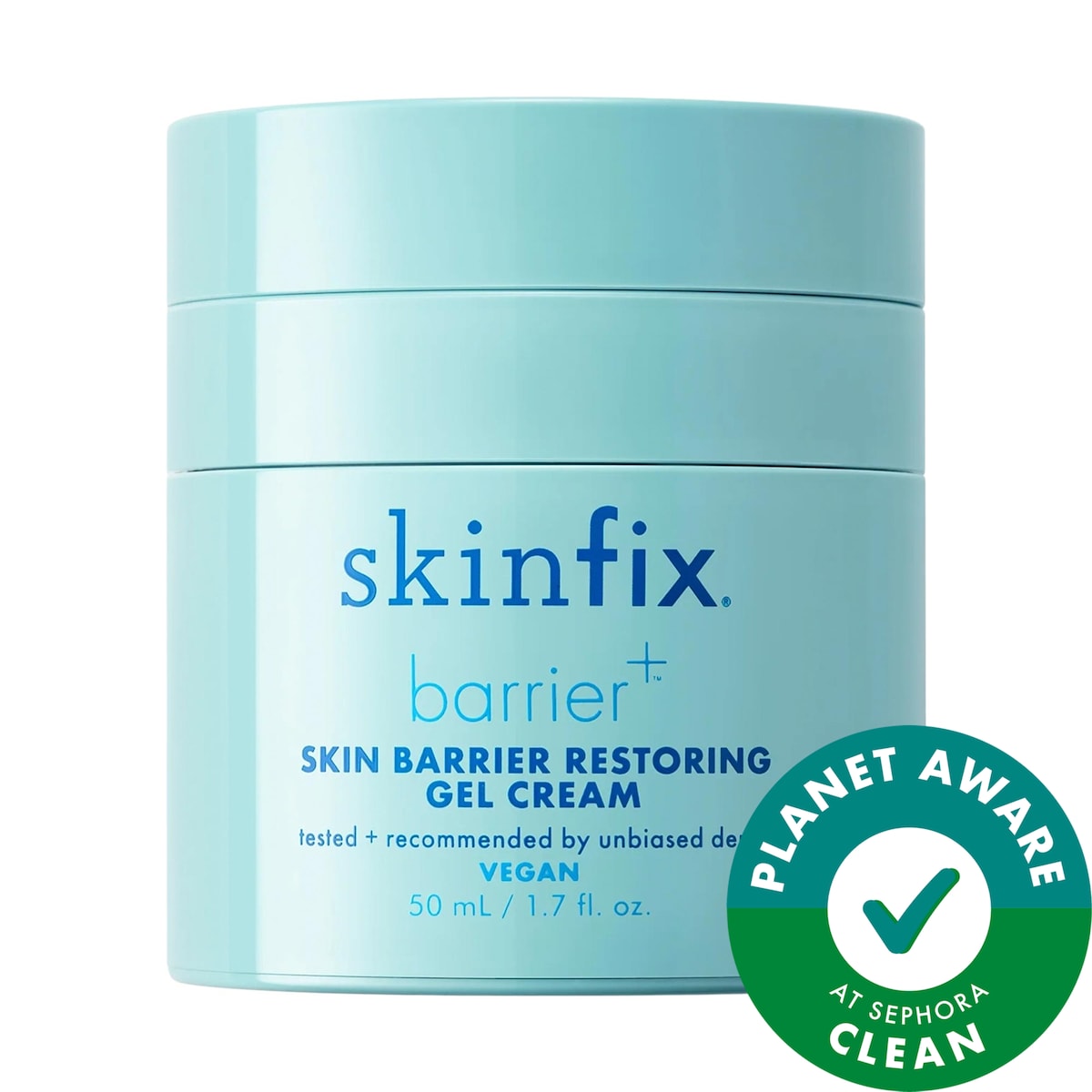
The first rule: simplify before treating
When acne flares, it is natural to add products. In pregnancy, I would first simplify.
Use:
- A gentle cleanser.
- A moisturizer your skin tolerates.
- A daily sunscreen.
- One approved active if your clinician agrees.
Pause:
- Retinoids unless your clinician specifically says otherwise.
- Peels.
- Strong exfoliating routines.
- New essential oils.
- Random spot treatments from old drawers.
- Anything that burns.
If your skin barrier is irritated, acne treatments often feel harsher and work worse.
A trimester-aware way to think about it
This is not a medical timeline, because every pregnancy is different. But it can help organize your questions.
| Stage | What often happens | What to prioritize |
|---|---|---|
| Early pregnancy | Product safety questions, sudden oil changes, nausea around scents | Fragrance-free basics and medication review |
| Middle pregnancy | More stable routine, possible pigmentation concerns | Sunscreen and approved acne support |
| Late pregnancy | Sweat, friction, sleep disruption, body breakouts | Comfort, gentle cleansing, breathable fabrics |
| Postpartum | Hormones shift again, breastfeeding safety questions | Re-check ingredients before restarting actives |
Bring your actual products to appointments or send ingredient lists through your patient portal if your care team allows it.
What to ask about azelaic acid
Azelaic acid is one of the most common ingredients people ask about for pregnancy blemishes, redness, and post-pimple marks. It is often discussed as a gentler option than many classic acne treatments.
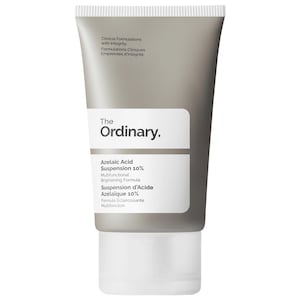
The Ordinary Azelaic Acid Suspension 10% is an example of an over-the-counter azelaic acid product, but pregnancy is a good time to ask before adding any active.
Questions to ask:
- Is this concentration appropriate for me?
- How often should I use it?
- Should I avoid applying it near irritated skin?
- Can I use it with my moisturizer?
- Should I stop if I get stinging or peeling?
The answer may depend on your skin, pregnancy, and other medicines.
What to ask about benzoyl peroxide
Benzoyl peroxide can help acne-prone skin, but it can dry and irritate. Mayo Clinic includes benzoyl peroxide among options often considered for pregnancy acne. That does not mean every benzoyl peroxide product is the right choice for every pregnant person.
Ask about:
- Leave-on versus wash-off.
- Lower strength versus higher strength.
- Spot use versus full-area use.
- How to avoid bleaching towels and pillowcases.
- Whether it fits with your skin sensitivity.
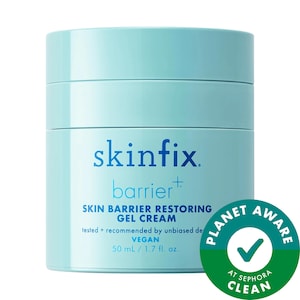
If your skin is already dry or burning, barrier repair may come before acne treatment.
What to pause or avoid
The clearest avoid is oral isotretinoin during pregnancy. It can cause serious birth defects.
AAD also lists tazarotene and spironolactone among acne medications not to take during pregnancy, and says most experts recommend stopping tretinoin. Retinoids are not the category to freestyle.
Be careful with:
- High-dose salicylic acid.
- Strong acid peels.
- At-home microneedling.
- Hydroquinone unless your clinician specifically advises.
- Supplements marketed for hormonal acne.
- Prescription acne combinations you used before pregnancy.
If you are trying to conceive, ask early. It is easier to plan a routine before you are already anxious about a flare.
How to handle chin and jaw pimples
Chin and jaw pimples often feel hormonal, deep, and stubborn. During pregnancy, do not try to "dry them out" with multiple actives.
Try:
- Warm compress on painful bumps.
- No squeezing.
- Approved active only.
- Moisturizer to reduce irritation.
- Sunscreen to protect marks.
If the bumps are cyst-like, recurring, or scarring, ask for dermatology help. There may be pregnancy-compatible options, but they need medical judgment.
How to handle chest and back pimples
Body acne in pregnancy can come from sweat, friction, and oil changes.
Simple changes can help:
- Shower after sweating.
- Change out of tight workout clothes.
- Wear breathable bras and tops.
- Wash sheets regularly.
- Avoid heavy body oils on breakout zones.
- Use fragrance-free detergent.
Do not automatically use medicated body washes without asking. Large body areas mean more exposure, and pregnancy is a good time to be precise.
Why sunscreen is part of acne care
Pregnancy can make uneven pigmentation more noticeable. Pimples can leave post-inflammatory marks, and sun exposure can make those marks linger.
Sunscreen is not only an anti-aging step. It is part of helping acne marks fade more evenly.
Choose a sunscreen you tolerate. If chemical filters sting or trigger flushing, try a mineral option. If mineral formulas feel heavy and clogging, test lighter textures. The best sunscreen is the one you can wear daily without irritating your skin.
Makeup, nausea, and scent sensitivity
Pregnancy can make normal textures and scents feel impossible. A cleanser you loved may suddenly smell too strong. A sunscreen may feel heavy. Foundation may sit strangely over dry patches and pimples.
That matters because a routine you cannot tolerate will not stay consistent.
Try simplifying makeup during flares:
- Use spot concealer instead of full coverage if full coverage requires heavy removal.
- Avoid fragranced primers.
- Remove makeup gently before bed, even when exhausted.
- Wash brushes and sponges more often.
- Watch for breakouts where makeup sits thickest.
If nausea makes cleansing difficult, keep a gentle, fragrance-free option ready. Do not rely on harsh wipes every night if they leave your skin burning. Convenience is useful only if the skin tolerates it.
Why emotional stress counts too
Acne in pregnancy can feel minor compared with everything else, but it can still affect how you feel in your body. That is especially true if you had acne before, used strong medication to control it, and had to stop.
Bring that up. "It is affecting my mood" is a valid medical detail. Painful acne, scarring acne, or acne that makes you avoid photos and social plans deserves care.
You do not need to pretend it is only cosmetic.
How to track products without spiraling
Pregnancy already comes with enough monitoring. Skin tracking should reduce confusion, not add pressure.
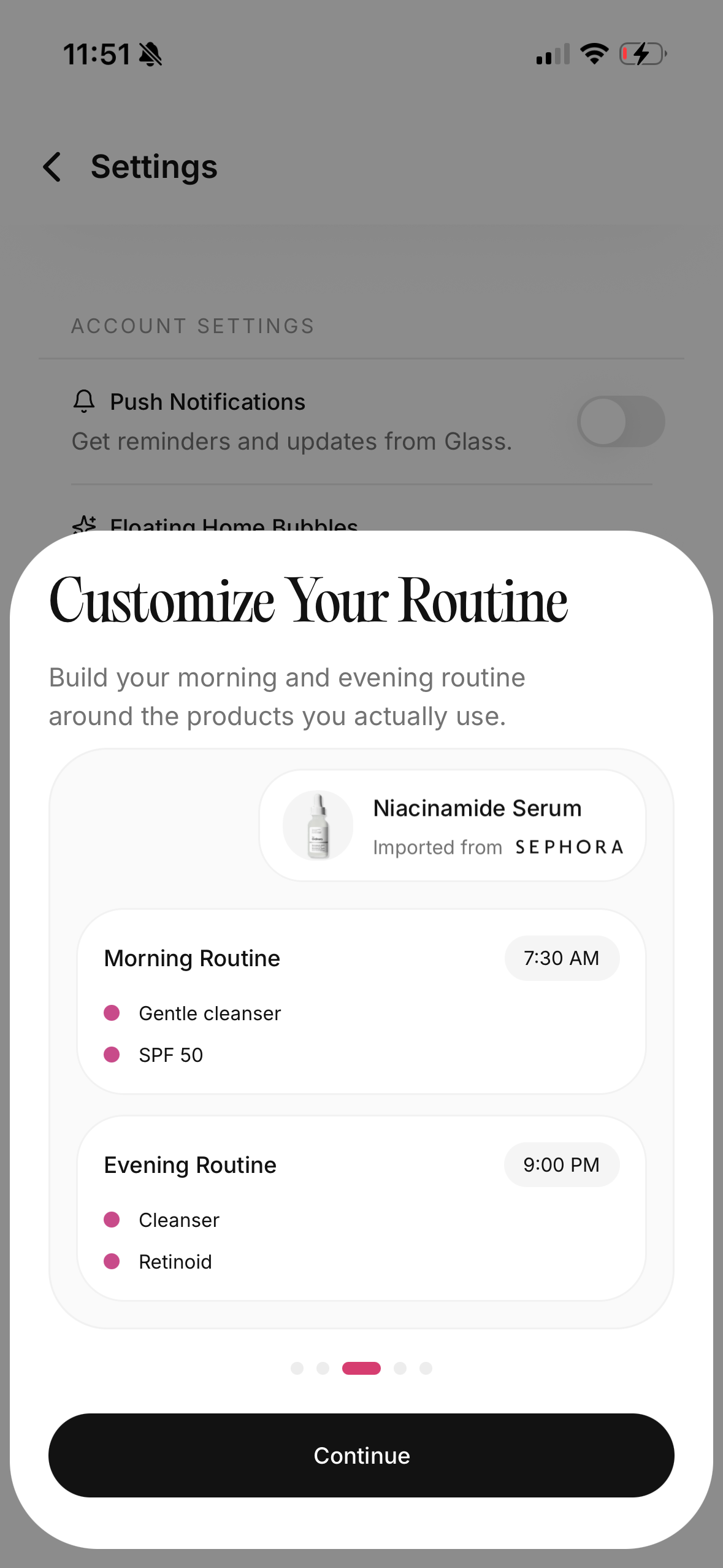
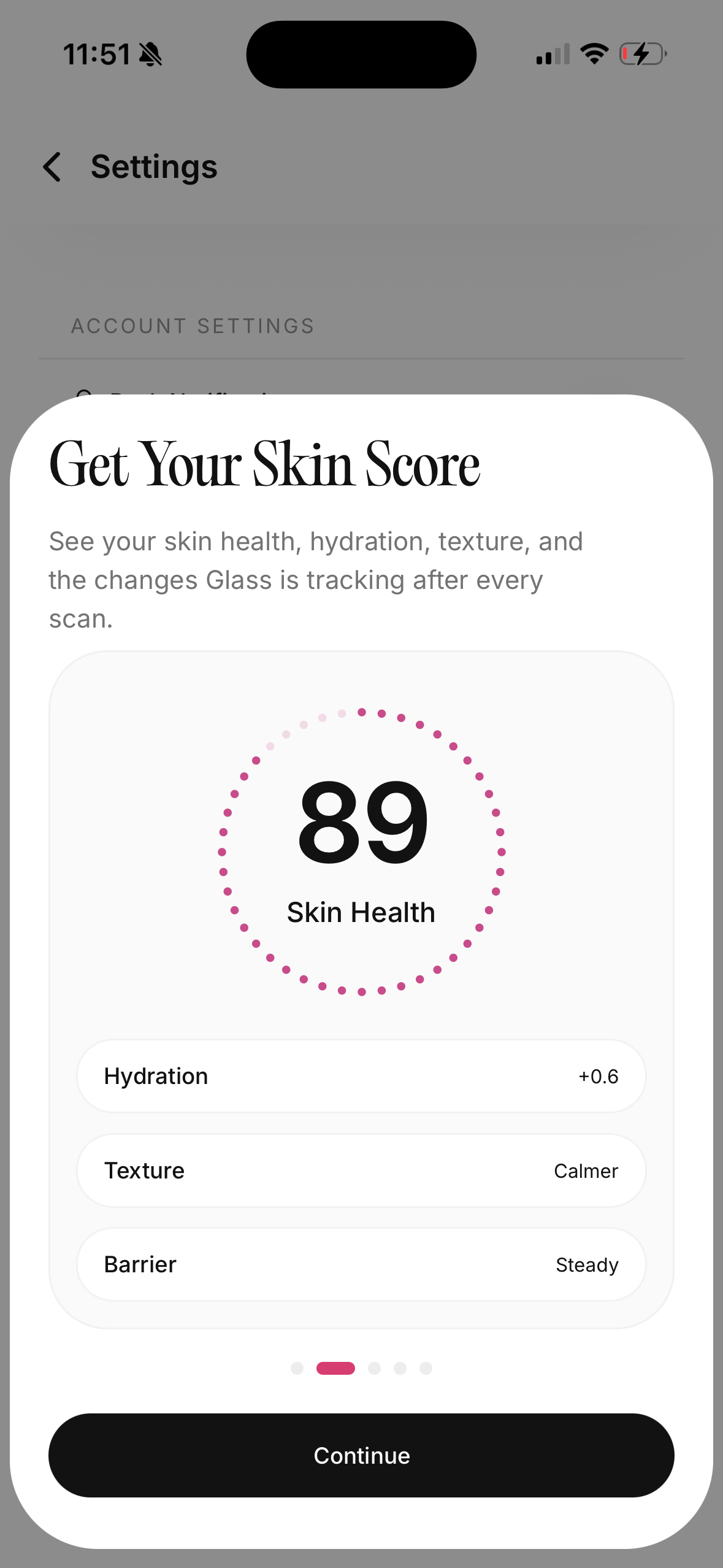
In Glass, I would track:
- Cleanser.
- Moisturizer.
- Sunscreen.
- Approved acne active.
- New makeup.
- Breakout location.
- Irritation level.
That is it. You do not need a twenty-field diary. You need enough context to see whether your skin worsened after a new product, stopped tolerating fragrance, or improved after simplifying.
When pimples are not just pimples
Get medical care if you notice:
- Painful, hot, swollen bumps.
- Fever.
- Rapid spreading redness.
- Pus or abscess-like drainage.
- A rash that itches intensely.
- Blisters.
- Pimples around the mouth with crusting.
- Severe acne affecting mood or sleep.
- Sudden severe acne with other health symptoms.
Pregnancy changes the risk calculation. If you are unsure, ask sooner.
What not to blame yourself for
Pregnancy acne is not proof that you are eating wrong, washing wrong, or failing at a glowy pregnancy ideal. Skin can flare even when your routine is reasonable.
Try not to punish your face with harsher cleansing because you feel frustrated. That usually creates dryness and more inflammation. Treat the breakout as information: your skin is more reactive right now, and the plan needs to be safer and simpler.
Breastfeeding and postpartum
After delivery, skin may shift again. Some people flare postpartum. Some improve. If you are breastfeeding, ask before restarting retinoids, oral acne medication, or stronger actives.
Do not assume "not pregnant anymore" means every product is automatically back on the table. Medication safety can still depend on breastfeeding, dose, route, and your health history.
Build back slowly:
- Keep the pregnancy-safe basics.
- Recheck actives with your clinician.
- Add one product at a time.
- Watch for irritation.
- Keep sunscreen consistent.
The calm takeaway
Pimples in pregnancy are common, but the routine should be deliberate.
Simplify first. Confirm active ingredients. Avoid known unsafe acne medications. Do not squeeze deep bumps. Protect against marks with sunscreen. Ask for help if acne is painful, scarring, infected-looking, or emotionally draining.
Pregnancy is not the season for harsh experiments.
It is the season for steady skin care and clear medical guardrails.